
Grooming your cat doesn’t have to be a struggle. If you want to keep your furry friend looking sharp and feeling comfortable, learning how to buzz your cat is a great skill to have.
You might wonder if it’s safe or how to do it without stressing your pet. Don’t worry—this guide will walk you through simple, effective steps that make buzzing your cat easy and stress-free for both of you. By the end, you’ll know exactly how to give your cat a neat, tidy look that keeps them happy and healthy.
Ready to get started? Let’s dive in!
Preparing Your Cat
Preparing your cat for a buzz cut is essential to make the experience smooth and stress-free. Cats are sensitive creatures, and rushing into grooming can cause anxiety for both you and your pet. Taking the time to prepare them properly sets the stage for a calm and successful grooming session.
Choosing The Right Time
Pick a moment when your cat is naturally relaxed or sleepy, such as after a meal or playtime. Avoid times when your cat is energetic or restless, as this can make grooming difficult. Notice your cat’s behavior—are they calm and receptive, or agitated and fidgety? Timing matters more than you might think.
Creating A Calm Environment
Set up a quiet space with minimal distractions. Turn off loud noises like TVs or radios, and keep other pets away. A calm environment helps your cat feel safe and less threatened by the grooming tools around them.
Try playing soft music or use pheromone sprays designed to reduce stress in cats. These subtle additions can work wonders to ease your cat’s nerves.
Gathering Necessary Tools
Before starting, have everything you need within arm’s reach. Essential tools include:
- Electric clippers with quiet blades
- Comb or brush to detangle fur
- Styptic powder for any small nicks
- Towels to wrap or calm your cat
Having these ready prevents interruptions that might upset your cat. Think about your cat’s specific fur type and skin sensitivity when selecting clippers and grooming supplies. You want tools that are effective but gentle enough not to hurt or scare them.

Credit: www.amazon.com
Selecting The Best Clippers
Selecting the best clippers for buzzing your cat is key to a smooth grooming session. The right tool makes the process faster and safer. Clippers come in many types and sizes. Understanding blades and safety features helps you pick the best one for your furry friend.
Types Of Clippers
There are mainly two types of clippers for pets:
- Corded Clippers:These plug into a power source. They provide consistent power and strong cutting ability.
- Cordless Clippers:Battery-operated for easy handling. They offer more freedom of movement but need charging.
Choose based on your grooming style and how comfortable you feel handling each type.
Blade Choices
Blades come in different sizes to cut various hair lengths. Smaller blades cut closer to the skin, while larger blades leave more hair.
Look for:
- High-quality steel blades for sharpness and durability.
- Detachable blades for easy cleaning and replacement.
- Blades that stay cool to avoid hurting your cat’s skin.
Safety Features
Safety is important to protect your cat’s skin and your hands.
- Rounded blade tips to prevent cuts and nicks.
- Anti-slip grips to keep clippers steady during use.
- Low noise and vibration to reduce your cat’s stress.
- Overheat protection to avoid burning your cat or the clippers.
Choose clippers with these features for a safe grooming experience.
Step-by-step Grooming Process
Grooming your cat for a buzz cut can be a smooth experience if you follow a clear process. Each step prepares both you and your cat for the next, making the entire grooming session less stressful. Let’s look closely at how you can manage this with care and confidence.
Brushing Before Trimming
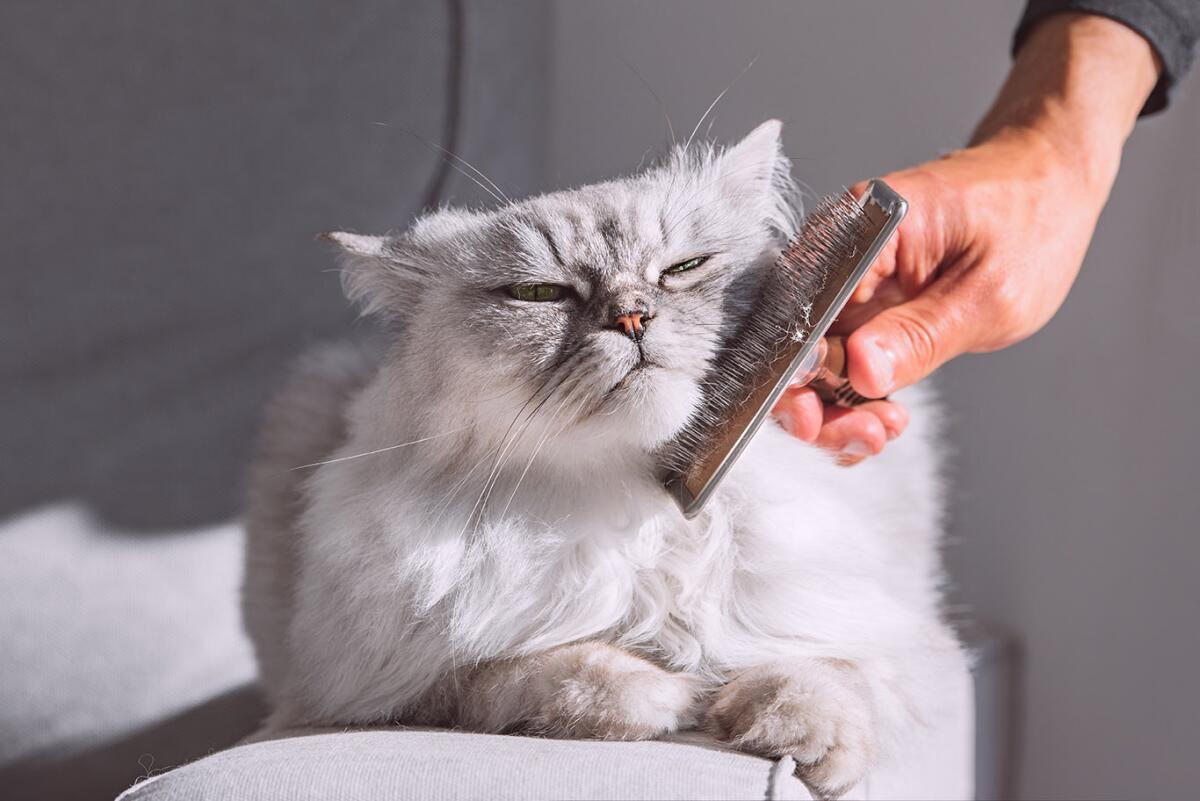
Start by brushing your cat’s fur thoroughly. This removes tangles and loose hair that could clog your clippers. Use a soft-bristle brush and go gently, especially if your cat is not used to grooming.
Brushing also helps you spot any skin issues like bumps or irritations before trimming. Have you noticed how calm your cat gets when brushed regularly? It sets a positive tone for the haircut ahead.
Securing Your Cat Safely
Find a comfortable spot where your cat feels secure. Use a non-slip mat or place a towel underneath to prevent slipping. You might need a helper to hold your cat gently but firmly, especially if your cat is squirmy.
Consider wrapping your cat in a lightweight towel, leaving the head exposed. This limits movement without causing distress. How do you think your cat reacts to being gently wrapped? Watching their body language here is key.
Starting The Buzz Cut
Choose a clipper with a quiet motor to avoid startling your cat. Begin trimming from the neck down the back, moving the clippers in the direction of hair growth. Keep the clipper blades flat against the skin to prevent cuts.
Work slowly and pause if your cat becomes restless. Offering treats during breaks can help keep your cat cooperative. Have you tried using calming scents or soft music to ease the process?
Trimming Sensitive Areas
Areas like the belly, legs, and around the face need extra care. Use smaller clipper guards or scissors for precision trimming. Avoid pulling the skin tight and move slowly to prevent nicks.
Pay close attention to your cat’s reactions here. If they seem uncomfortable, stop and soothe them. Would you feel comfortable trimming these spots yourself, or would you prefer professional help?
Handling Common Challenges
Grooming your buzzed cat comes with its own set of challenges that can test your patience and skills. Handling these issues calmly and effectively makes the grooming experience better for both you and your feline friend. Let’s dive into some common challenges and how to tackle them with ease.
Dealing With A Nervous Cat
Nervous cats can turn grooming into a stressful event. Start by creating a quiet, comfortable space where your cat feels safe.
Use gentle, slow movements and speak softly to soothe your pet. If your cat resists, pause and try again later—forcing it only increases anxiety.
Consider giving treats or small rewards to build positive associations with grooming. Have you noticed your cat’s favorite calm-down signals? Watch for those to time your sessions better.
Managing Matting And Tangles
Mats and tangles can be painful and hard to remove, even on buzzed fur. Use a wide-toothed comb or a detangling spray designed for cats to gently work through knots.
Start combing at the ends and slowly work towards the skin to avoid pulling. If mats are severe, carefully trim them with rounded scissors or seek professional help to prevent injury.
Regular grooming sessions prevent mats from forming, so set a consistent schedule. What small daily steps can you add to keep your cat’s coat smooth?
Avoiding Skin Irritations
Buzz cuts expose your cat’s skin, making it more vulnerable to irritation. Check your cat’s skin regularly for redness, bumps, or dryness during grooming.
Use grooming tools that are clean and sharp to prevent accidental scratches. Avoid products with harsh chemicals and choose gentle, cat-friendly shampoos if bathing is necessary.
After grooming, monitor your cat for any signs of discomfort and consult a vet if irritation persists. How often do you inspect your cat’s skin after grooming? Developing this habit can catch problems early.
Post-grooming Care
Keep your cat warm and comfortable after grooming. Gently clean the skin and check for irritation. Offer fresh water and a cozy resting spot.
Post-grooming care for your cat is crucial. It ensures their comfort and health. After grooming, your cat might feel a bit uneasy. Paying attention to their needs will help them settle.Cleaning The Clippers
Cleaning the clippers is a must after grooming. Hair and dirt can clog the blades. Use a soft brush to remove hair. Wipe the blades with a cloth. Ensure they are dry before storing. This keeps them sharp and ready for next use.Rewarding Your Cat
Rewarding your cat post-grooming is vital. It helps them associate grooming with positive feelings. Offer a tasty treat. Spend some time playing their favorite game. This makes future grooming easier.Monitoring Skin Health
Monitoring your cat’s skin health is important. Check their skin for redness or irritation. Use your fingers to gently inspect. Look for any bumps or cuts. If you notice anything unusual, consult a vet. Regular checks keep your cat comfortable and healthy.
Credit: www.rd.com
When To Seek Professional Help
Knowing when to seek professional help is crucial for your cat’s grooming. Some situations require expert care to keep your cat safe and comfortable. Professional groomers have the tools and experience to handle difficult grooming tasks. They can prevent injuries and reduce stress for both you and your cat.
Recognizing the signs that your cat needs a professional groomer helps avoid problems. It also ensures your cat stays healthy and happy during grooming sessions.
Signs Your Cat Needs A Pro
- Excessive matting that you cannot remove.
- Severe dirt or debris stuck in the fur.
- Behavioral issues like aggression or fear during grooming.
- Long nails that are hard to trim safely.
- Skin conditions or wounds that need special care.
- Your cat is elderly or has health problems.
Finding A Trusted Groomer
Choose a groomer with good reviews and experience with cats. Ask for recommendations from your vet or friends. Visit the grooming salon first to see the environment and cleanliness. Ensure they use gentle handling and cat-friendly tools. Confirm they can accommodate any special needs your cat has.

Credit: pagefly.io
Frequently Asked Questions
How Often Should I Buzz My Cat’s Fur?
Buzzing your cat’s fur depends on their breed and coat type. Generally, every 6 to 8 weeks is ideal. Regular grooming helps prevent matting and keeps your cat comfortable, especially in warmer months. Always observe your cat’s skin for irritation between buzz sessions.
What Tools Are Best For Buzzing A Cat?
Use a high-quality pet clipper with adjustable blades for buzzing your cat. Choose quiet clippers to reduce stress. Additionally, a comb and scissors help tidy up tricky areas. Proper tools ensure a smooth, safe grooming experience for your cat.
Is Buzzing Safe For All Cat Breeds?
Buzzing is safe for most short-haired and long-haired cats. However, avoid buzzing cats with sensitive skin or certain medical conditions. Always consult your vet before buzzing if your cat has skin issues or is elderly. Proper technique ensures your cat’s safety and comfort.
How Do I Prepare My Cat For Buzzing?
Prepare your cat by brushing their fur to remove tangles before buzzing. Calm your cat in a quiet space with gentle petting. Use treats to reward cooperation. This preparation reduces stress and makes grooming easier for both of you.
Conclusion
Grooming your cat with a buzz cut helps keep them clean and comfortable. Take your time and be gentle throughout the process. Regular grooming reduces hairballs and matting. Your cat will enjoy feeling fresh and light. Always check for skin issues during grooming sessions.
A calm and patient approach creates trust between you and your pet. Keep grooming tools clean and safe for best results. Small steps lead to happy, healthy cats. Try it today and see the difference yourself.

Leave a Reply