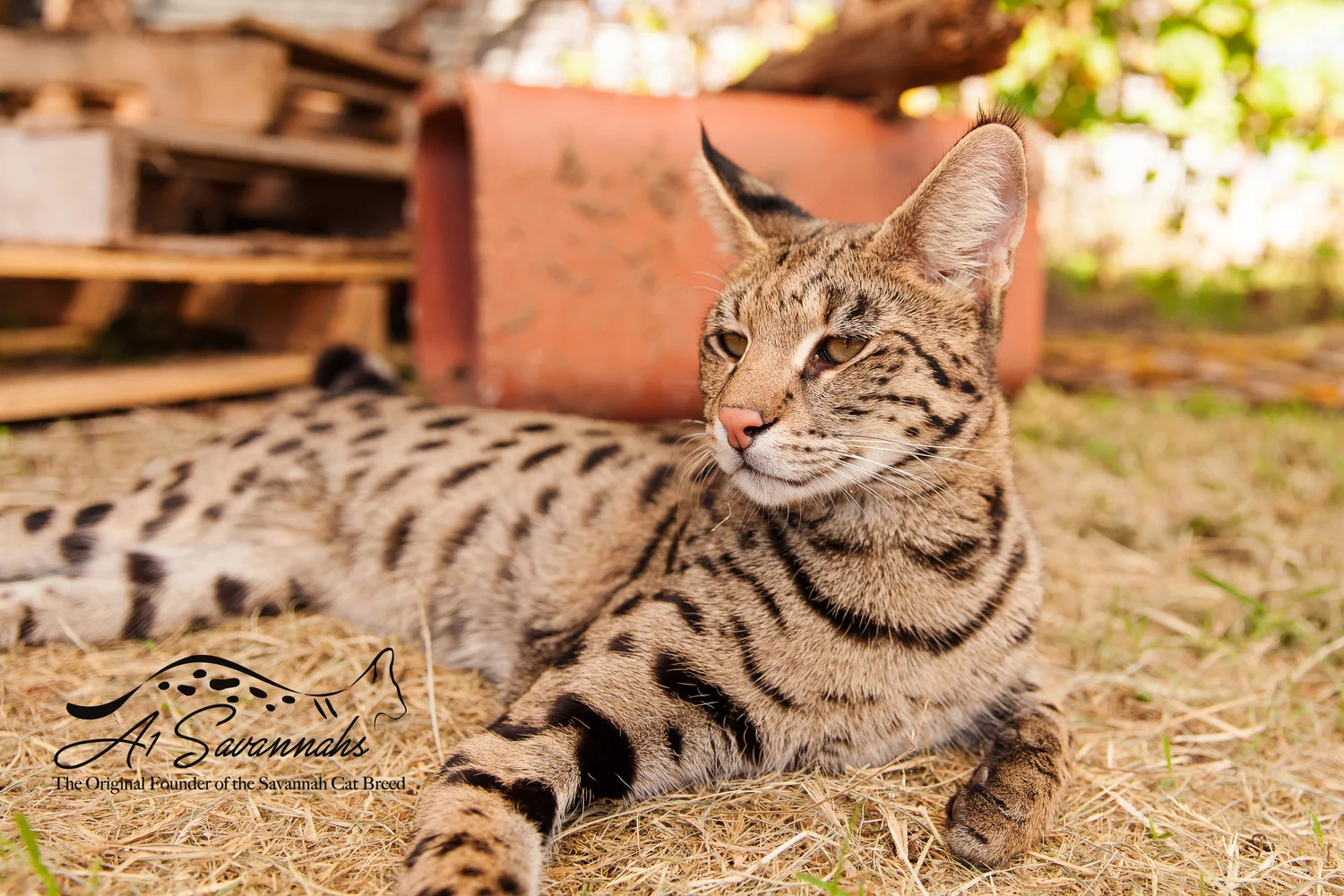
Have you ever wondered what makes a Savannah cat so unique and captivating? If you’re curious about where this exotic feline comes from, you’re in the right place.
Understanding the two breeds that combine to create a Savannah cat will give you a deeper appreciation for its striking looks and playful personality. Keep reading to discover the fascinating mix behind this incredible pet and why it might be the perfect addition to your home.

Credit: en.wikipedia.org
Origins Of The Savannah Cat
The Savannah cat is a unique and striking breed known for its wild look and friendly nature. This breed comes from the cross between two distinct cats, blending traits from both. Understanding the origins of the Savannah cat helps appreciate its beauty and charm.
Parent Breeds Of The Savannah Cat
The Savannah cat is a mix of a domestic cat and a wild cat species. The wild parent is the Serval, a medium-sized African wild cat. The domestic parent is usually a Siamese or an Oriental Shorthair cat. These two breeds combine to create the Savannah’s exotic appearance and social personality.
The Role Of The Serval
The Serval is known for its long legs, large ears, and spotted coat. It lives in the African savannas and is an excellent hunter. The Serval’s traits give the Savannah cat its tall, lean body and unique markings. This wild ancestry also contributes to the Savannah’s playful and energetic behavior.
The Influence Of Domestic Cats
Domestic cats like the Siamese bring a friendly, calm, and adaptable nature. They help make the Savannah cat more suitable as a pet. The domestic bloodline ensures the Savannah cat can live comfortably in a home setting. This mix balances the wildness of the Serval with the gentleness of house cats.
The Serval’s Role
The Serval’s role in creating a Savannah cat is essential and fascinating. This wild African cat contributes unique traits that shape the Savannah’s appearance, behavior, and energy. Understanding the Serval helps you appreciate why this hybrid breed stands out among domestic cats.
Serval Characteristics
The Serval is a medium-sized wild cat native to Africa, known for its striking spotted coat and long legs. It has large ears that help detect prey and a lean, agile body built for jumping and hunting in tall grass. These features give the Savannah cat its exotic look and impressive athleticism.
Servals are solitary and highly alert animals in the wild. They have a curious nature and are excellent hunters, often catching birds, rodents, and insects. These instincts influence the Savannah cat’s playful and energetic personality, making them lively companions.
Why Serval Is Chosen
Breeders choose the Serval because it brings wild beauty and unique traits that domestic cats don’t have. Its coat pattern creates the Savannah’s signature spotted appearance, setting it apart from other hybrids. The Serval’s long legs and body shape also give the Savannah a sleek, graceful silhouette.
More than looks, the Serval’s behavior adds to the Savannah’s charm. Its intelligence and curiosity are passed down, making Savannah cats interactive and trainable. If you want a pet with a wild edge but domestic ease, the Serval’s influence is key.
Have you ever wondered what it’s like to live with a pet that blends wild instincts with affectionate behavior? The Serval’s role in the Savannah cat answers that question, offering a glimpse into a unique feline experience.
Domestic Cat Contribution
The domestic cat plays a crucial role in shaping the Savannah cat, a breed known for its exotic appearance and friendly nature. While the wild Serval contributes to the Savannah’s striking spots and athletic build, the domestic cat brings balance and personality traits that make this hybrid suitable as a pet. Understanding which domestic breeds are involved helps you appreciate the blend of wild and tame qualities in Savannah cats.
Common Domestic Breeds Used
The most common domestic cats used to create Savannahs are the Oriental Shorthair, Bengal, and Egyptian Mau. Each breed adds unique traits that influence the look and behavior of the Savannah cat.
- Oriental Shorthair:Known for their sleek body and large ears, they help maintain the Savannah’s elegant frame and alert expression.
- Bengal:Bengals contribute to the Savannah’s spotted coat pattern and energetic personality, making the cats playful and active.
- Egyptian Mau:This breed is famous for its natural spots and affectionate nature, which add to the Savannah’s exotic look and friendly demeanor.
Have you ever noticed how a Savannah cat’s appearance can vary even within the same litter? This mix of domestic breeds explains those subtle differences.
Traits Brought By Domestic Cats
Domestic cats soften the wild edge of the Serval, making Savannahs more adaptable to home life. They bring traits like sociability, trainability, and tolerance for indoor living.
For example, many Savannah owners report their cats enjoy playing fetch or walking on a leash—behaviors more common in domestic breeds. This shows how the domestic cat’s influence shapes both personality and intelligence.
What qualities do you value most in a pet? The domestic breeds used in Savannah cats ensure you get a companion that’s not only visually stunning but also engaging and loving. This balance is what makes Savannah cats stand out among hybrids.
Credit: www.savannahgans.com
Breeding Process
The Savannah cat is a unique and exotic breed. It’s a hybrid of a domestic cat and a serval. Breeding these cats requires careful planning and expertise. Breeders aim to combine the wild look of the serval with the domestic temperament.
Challenges In Breeding
Breeding Savannah cats is not without challenges. The size difference between servals and domestic cats is significant. This makes natural breeding difficult. Often, artificial insemination is necessary. Breeders also face fertility issues with early generations.
Generations Of Savannah Cats
Generations are crucial in understanding Savannah cats. The first generation is known as F1. It is a direct offspring of a serval and a domestic cat. F2 is the result of breeding an F1 with a domestic cat. As generations progress, the serval traits decrease.
F3 and later generations are more domesticated. They have a calmer temperament. Breeders often label them as more suitable for families. Each generation has its unique characteristics. This diversity attracts cat enthusiasts worldwide.
Physical Traits Of The Mix
The physical traits of a Savannah cat are a fascinating blend of its two parent breeds: the domestic cat and the African serval. This mix creates a distinctive feline that stands out in both size and appearance. Understanding these traits can help you appreciate what makes a Savannah cat so unique and why it appeals to many cat lovers.
Size And Appearance
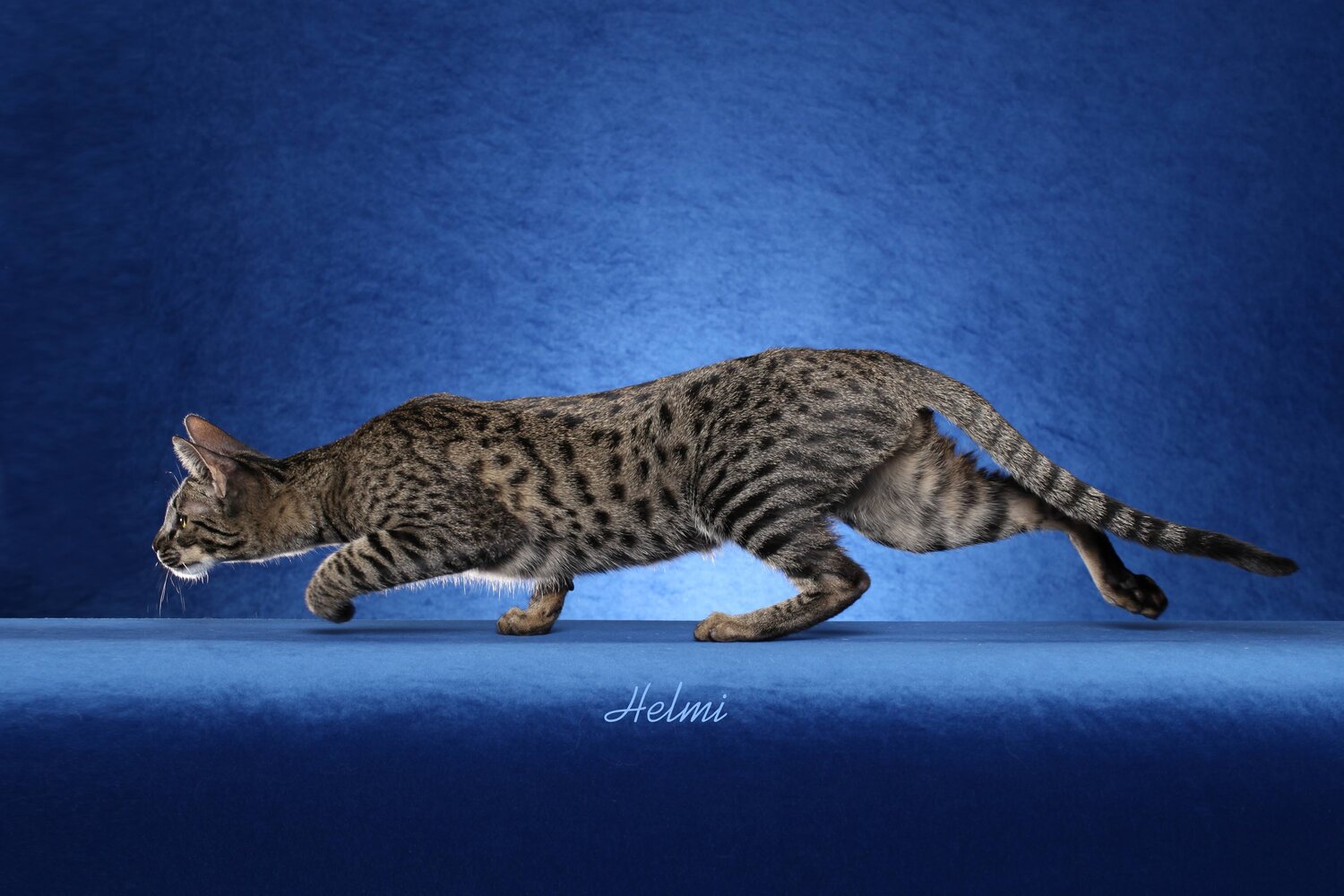
Savannah cats are notably larger than most domestic cats. Their serval heritage contributes to their tall, lean bodies and long legs, giving them a graceful yet powerful look.
Adult Savannahs can weigh anywhere between 12 to 25 pounds, with some males growing even larger. Their ears are large and rounded, often with a distinct black back, enhancing their wild appearance.
If you enjoy a pet that looks exotic but behaves like a domestic cat, their size and build could be perfect for you. Have you ever seen a cat that looks like it could jump over fences with ease? That’s a Savannah for you.
Unique Markings
The coat of a Savannah cat is one of its most striking features. It usually displays bold spots and rosettes, much like a wild leopard or cheetah.
These markings come directly from the serval’s genes, giving each Savannah a unique pattern. The base color can range from golden, tan, or silver, adding to their exotic charm.
Do you prefer pets with a unique look that sparks conversations? Savannah cats offer that wow factor through their distinct patterns, making them unforgettable companions.
Behavioral Traits
The Savannah cat is a unique blend of wild and domestic traits. Its behavior reflects a mix of natural instincts and calm home life. Understanding these traits helps owners provide the best care. The combination comes from crossing a domestic cat with a wild African serval. This mix creates a fascinating personality full of energy and affection.
Wild Instincts
Savannah cats show strong hunting skills inherited from their serval ancestors. They are curious and love to explore new spaces. These cats enjoy climbing and jumping high, showing great agility. Their alertness and quick reflexes make them excellent problem solvers. They often use their paws to touch and test objects. This breed likes to play with toys that mimic prey movements.
Domestic Temperament
Despite wild traits, Savannah cats are loyal and social pets. They form close bonds with their families and enjoy human attention. These cats are known to be gentle and affectionate. They can adapt well to indoor living with proper stimulation. Savannah cats often learn to walk on a leash. They communicate with chirps, meows, and purrs to express feelings.
Care Needs For Savannah Cats
Caring for a Savannah cat means understanding its unique needs. These cats are active, intelligent, and have a wild heritage that influences their behavior and lifestyle. Meeting their care requirements ensures your Savannah stays healthy, happy, and well-adjusted in your home.
Diet Considerations
Savannah cats thrive on a high-protein diet that mirrors their natural carnivorous instincts. You should focus on feeding them quality wet or raw foods rich in meat, such as chicken, turkey, or fish. Avoid fillers like grains and excessive carbohydrates, which can upset their digestion.
Many owners notice a big difference when switching to raw or grain-free diets—your cat may have more energy and a shinier coat. Remember to provide fresh water at all times and consider supplements like taurine, essential for feline health. Have you ever tried mixing wet food with a bit of bone broth? It can boost hydration and add flavor your Savannah might love.
Activity And Environment
Savannah cats are extremely active and need plenty of stimulation to stay content. Simply giving them a small space isn’t enough; they require room to jump, climb, and explore. Think about adding tall cat trees, interactive toys, and puzzle feeders to keep their minds sharp.
They also enjoy spending time outdoors, but safety is key. A secure catio or supervised outdoor time can satisfy their curiosity without risking escape or injury. Have you provided your Savannah with vertical spaces or hiding spots? These help mimic their natural habitat and reduce stress.
Popularity And Legal Aspects
The Savannah cat, a striking blend of wild and domestic traits, has captured the hearts of many pet lovers. Its unique appearance and playful nature drive its popularity, but owning one comes with specific legal responsibilities. Understanding both the growing demand and the legal aspects helps you decide if a Savannah cat fits your lifestyle and local regulations.
Growing Demand
The Savannah cat’s exotic look and intelligence make it highly sought after. More people are drawn to its sleek, spotted coat and energetic personality. This demand has led to increased breeding efforts, with many eager to welcome one into their homes.
However, owning a Savannah cat requires more than just admiration. These cats are active and need plenty of attention, so they aren’t suitable for everyone. Have you thought about whether your lifestyle can meet their needs?
Ownership Regulations
Legal rules about owning Savannah cats vary widely depending on where you live. Some states and countries classify them as exotic pets, imposing strict permits or bans. Before getting one, check your local laws carefully to avoid fines or having to give up your pet.
For example, in California, owning a Savannah cat is prohibited without special permits. Meanwhile, in other places, only certain generations of Savannah cats are allowed. Knowing these details protects you and your cat from legal trouble.
Are you ready to navigate these regulations and provide a safe home for such a unique companion?

Credit: www.aol.com
Frequently Asked Questions
What Two Breeds Create A Savannah Cat?
A Savannah cat is a hybrid between a domestic cat and a serval, a wild African cat. This mix gives Savannah cats their unique appearance and playful nature.
Is A Serval Part Of Savannah Cat’s Lineage?
Yes, the serval is one parent breed of the Savannah cat. The other parent is a domestic cat, often a Siamese or Bengal.
How Does Breed Mix Affect Savannah Cat Traits?
The serval genes provide large ears, long legs, and spotted coats. Domestic cat genes add temperament and adaptability to home life.
Are Savannah Cats Genetically Wild Or Domestic?
Savannah cats are hybrids but considered domestic. They combine wild serval traits with domestic cat behavior, making them suitable pets with proper care.
Conclusion
The Savannah cat is a mix of two unique breeds: the domestic cat and the African serval. This blend creates a cat with wild looks and a friendly nature. Many people love Savannah cats for their energy and beauty. Knowing their origins helps understand their behavior better.
These cats need care that respects both their wild and domestic sides. Choosing a Savannah means bringing a special pet into your home. It’s a fascinating mix worth learning about for any cat lover.



Leave a Reply