
Your Ragdoll cat’s long, silky coat is one of its most beautiful features—but it also needs special care. If you want your furry friend to stay soft, shiny, and free of tangles, knowing how to groom their coat properly is key.
In this guide, you’ll discover simple, effective steps to keep your Ragdoll looking and feeling great every day. Ready to become the best groomer your cat has ever had? Let’s get started!
Ragdoll Coat Characteristics
The Ragdoll cat has a unique coat that needs special care. Understanding its features helps in proper grooming. The coat is soft, silky, and medium to long in length. This makes regular grooming important to keep it healthy and tangle-free.
Fur Texture And Length
The Ragdoll’s fur is plush and feels very soft. It has a silky texture that lies flat against the body. The length is medium to long, especially around the neck and tail. This fur type does not mat easily but can develop small tangles. Gentle brushing is best to maintain its smooth feel.
Common Coat Colors
Ragdolls come in several beautiful colors and patterns. The most popular include:
- Seal Point
- Blue Point
- Chocolate Point
- Lilac Point
- Flame Point
- Various mitted and bicolor patterns
Each color shows up vividly on the soft coat, adding to the cat’s charm.
Shedding Patterns
Ragdolls shed moderately throughout the year. Shedding increases slightly during spring and fall. Regular brushing helps reduce loose fur around the house. It also keeps the coat shiny and free from dead hair. Using a soft brush suits their delicate fur best.
Essential Grooming Tools
Grooming a Ragdoll cat’s long coat requires the right tools. These tools help keep the fur smooth, clean, and healthy. Using proper grooming tools also makes the process easier and more comfortable for your cat.
Choosing the right brushes, combs, and other accessories is essential. Each tool plays a specific role in caring for your cat’s coat. This section explains the must-have grooming tools for your Ragdoll.
Types Of Brushes
- Slicker Brush:Removes loose hair and prevents mats. Ideal for thick, long fur.
- Bristle Brush:Smooths the coat and adds shine. Gentle on sensitive skin.
- Pin Brush:Detangles knots without pulling. Works well on delicate areas.
Combs And Nail Clippers
- Wide-Tooth Comb:Helps detangle large mats carefully. Use after brushing.
- Fine-Tooth Comb:Checks for fleas and removes small debris.
- Nail Clippers:Keep nails trimmed to prevent scratching. Choose sharp, pet-friendly clippers.
Other Useful Accessories
- Deshedding Tool:Reduces shedding by removing loose undercoat fur.
- Grooming Gloves:Massage and remove loose hair gently.
- Soft Towels:Use during bathing or to wipe paws.
Daily Grooming Routine
Daily grooming keeps your Ragdoll’s long coat healthy and shiny. It prevents mats and tangles from forming. A short daily session helps your cat stay comfortable and happy. Grooming also builds trust between you and your pet. Spend a few minutes each day to make grooming a pleasant routine.
Brushing Techniques
Use a wide-toothed comb or a slicker brush for Ragdoll fur. Start brushing from the head and move toward the tail. Brush gently to avoid hurting your cat’s skin. Use long, smooth strokes following the direction of hair growth. Focus on areas where fur is thick, like the belly and behind the ears. Regular brushing removes loose hair and reduces shedding.
Handling Mats And Tangles
Check your cat’s coat daily for mats and tangles. Use your fingers to gently separate small knots. For larger mats, use a mat splitter or dematting comb carefully. Hold the fur close to the skin to reduce pulling. Never cut mats with scissors to avoid injury. If mats are severe, seek help from a professional groomer.
Checking For Skin Issues
Look closely at your cat’s skin during grooming. Watch for redness, bumps, or sores. Check for dry patches or signs of irritation. Notice if your cat scratches often or seems uncomfortable. Early detection of skin problems helps prevent infections. Consult a vet if you find any unusual spots or symptoms.
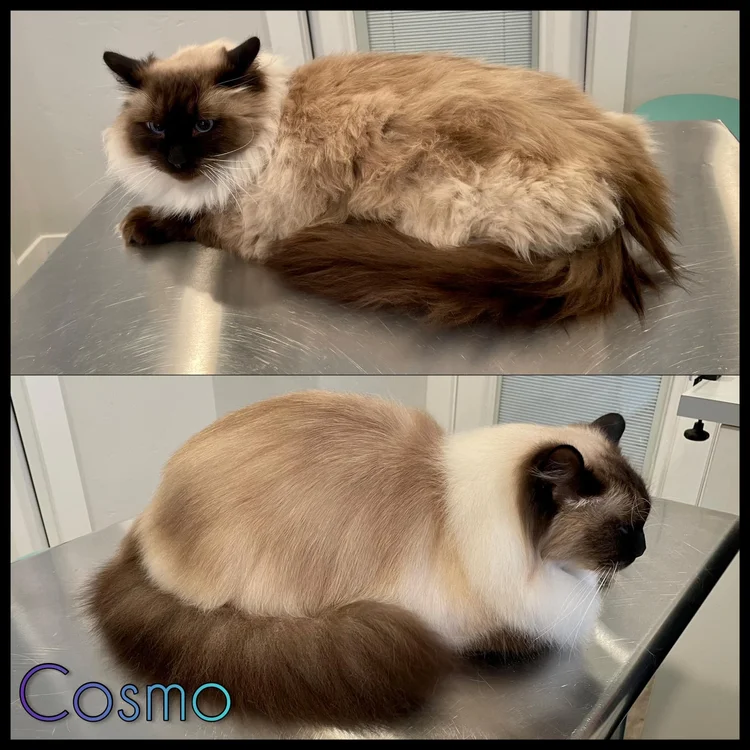
Credit: www.downtowntabbycattery.com
Bathing Your Ragdoll
Grooming a Ragdoll cat’s long coat requires gentle care and patience. Regular brushing helps prevent tangles and matting. Use a soft-bristled brush to keep their fur smooth and clean.
Bathing your Ragdoll cat can be a rewarding experience, enhancing the beauty and health of their long, luxurious coat. However, it can also be a daunting task if not done correctly. Understanding the nuances of when and how to bathe your feline friend can make the process smoother and more enjoyable for both you and your cat.When To Bathe
Ragdoll cats do not require frequent baths; once every couple of months is usually sufficient. Over-bathing can strip their fur of natural oils, leading to dryness. Keep an eye out for signs like a greasy coat or an unpleasant smell, which may indicate it’s time for a bath.Choosing Cat-friendly Shampoo
Opt for a shampoo specifically designed for cats, as human shampoos can be too harsh on their sensitive skin. Look for products that are free from artificial fragrances and dyes. You might find that oatmeal-based shampoos soothe and hydrate your Ragdoll’s skin effectively.Drying Tips
After the bath, gently pat your cat with a soft, absorbent towel. Avoid vigorous rubbing, as it can tangle their fur. Use a hairdryer on the lowest heat setting if your cat tolerates it, keeping a safe distance to prevent overheating. Bathing your Ragdoll doesn’t have to be a chore. With the right timing, products, and techniques, you can ensure that your cat’s coat remains beautiful and healthy. Have you ever noticed how a freshly bathed cat seems to strut with extra confidence? That’s the power of a well-executed bath.Nail And Ear Care
Proper nail and ear care keeps your Ragdoll healthy and comfortable. These areas need regular attention to avoid problems. Nails can grow too long and cause pain. Ears collect dirt and wax, which may lead to infection. Gentle care helps your cat stay happy and clean.
Trimming Nails Safely
Use a sharp nail clipper made for cats. Hold your cat’s paw gently but firmly. Look for the pink part inside the nail, called the quick. Avoid cutting the quick to prevent bleeding and pain. Trim only the sharp tips of the nails. If your cat resists, try trimming a few nails at a time. Reward your cat with treats or praise to make it easier next time.
Cleaning Ears Regularly
Check your cat’s ears weekly for dirt and wax build-up. Use a soft cloth or cotton ball dampened with a vet-approved ear cleaner. Gently wipe the inside of the ear flap and visible parts. Never insert anything deep into the ear canal. Stop if your cat shows signs of pain or discomfort. If you see redness, bad odor, or excessive wax, visit your vet for advice.
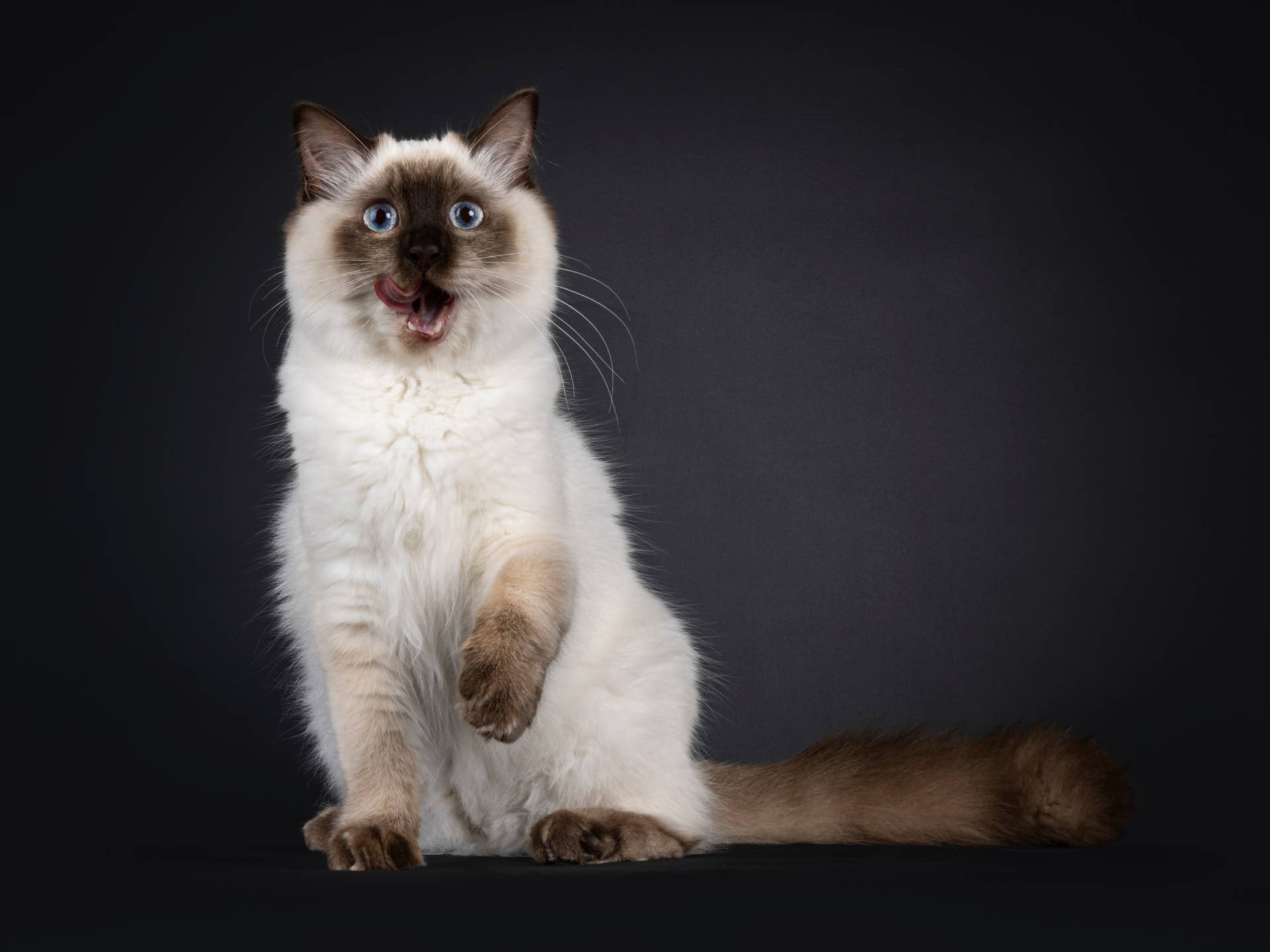
Credit: pethelpful.com
Diet And Coat Health
Your Ragdoll cat’s long, silky coat reflects more than just good grooming—it mirrors what’s happening inside their body. Diet plays a crucial role in keeping that fur healthy and radiant. Paying attention to what your cat eats can make a noticeable difference in the softness, shine, and overall condition of their coat.
Nutritional Needs For Shiny Fur
Proteins are the building blocks of your cat’s fur. Make sure your Ragdoll’s diet includes high-quality animal proteins like chicken, turkey, or fish. These provide essential amino acids that support fur growth and strength.
Fatty acids, especially omega-3 and omega-6, keep the coat moisturized and reduce shedding. Foods rich in these fats, such as fish oils or flaxseed oil, can improve your cat’s fur texture.
Vitamins and minerals also matter. Vitamin E and zinc help repair skin and fur, preventing dryness and dullness. Check your cat’s food label to ensure these nutrients are included.
Supplements To Consider
If your cat’s food doesn’t cover all bases, supplements can fill the gap. Fish oil capsules are a popular choice to boost omega-3 intake. Just be careful to adjust the dosage based on your vet’s advice.
Biotin is another supplement that supports fur health. It promotes new hair growth and reduces breakage. You can find biotin in chewable treats made especially for cats.
Have you noticed your Ragdoll shedding more or developing dry patches? It might be time to discuss supplements with your vet. Sometimes, a small addition to the diet can save you hours of brushing and grooming.
Common Grooming Challenges
Grooming a Ragdoll cat’s long coat comes with its own set of challenges. Their thick fur can easily tangle, and certain times of the year make managing their coat especially tricky. Understanding these hurdles helps you stay ahead and keep your cat comfortable and looking great.
Dealing With Shedding Seasons
Shedding can increase dramatically during spring and fall. You might notice clumps of fur around your home and more hair on your clothes. Regular brushing every day during these seasons helps catch loose hair before it falls out.
Use a wide-tooth comb to gently work through the undercoat. It’s less likely to irritate your cat’s skin but still effective at removing dead fur. Also, consider a grooming glove for quick daily touch-ups; it’s an easy way to bond with your cat while managing shedding.
Have you ever struggled with fur balls around the house? Frequent grooming reduces the amount your cat ingests, which keeps them healthier and your furniture cleaner. Remember, patience is key—your cat’s fur needs consistent care during these peak shedding times.
Managing Stress During Grooming
Many Ragdolls don’t enjoy grooming sessions at first. If your cat resists, try breaking the grooming into short, calm segments. A sudden, long session can create anxiety and make future grooming harder.
Talk softly and offer treats during and after grooming to create positive associations. Choose a quiet room without distractions to keep your cat relaxed. Sometimes, using a pheromone spray or diffuser can ease their nerves significantly.
Have you noticed your cat tenses up or tries to escape when you grab the brush? That’s a clear sign to slow down and adjust your approach. Over time, with gentle handling and patience, grooming can become a bonding experience instead of a struggle.

Credit: vetslovepets.com.au
When To Seek Professional Help
Knowing when to seek professional help for grooming your Ragdoll cat’s long coat can save both you and your pet from unnecessary stress. While regular brushing at home is essential, certain situations require expert attention. Recognizing these moments early ensures your cat stays comfortable and healthy.
Signs Of Skin Problems
Watch closely for any changes in your cat’s skin or coat. Persistent redness, swelling, or patches where fur is missing can indicate an underlying issue.
If your Ragdoll starts scratching excessively or seems unusually sensitive when you groom them, it might signal discomfort or pain. You might notice flaky skin, bumps, or scabs that don’t heal quickly.
Have you ever seen your cat suddenly develop bald spots or oily fur that won’t improve despite regular cleaning? These are clear signs to consult a professional vet or groomer. Ignoring such symptoms can lead to infections or worsen skin conditions.
Professional Grooming Services
Professional groomers have specialized tools and training to handle tough mats and delicate skin safely. If your cat’s coat becomes heavily matted or tangled, trying to fix it yourself can hurt your pet or cause stress.
Grooming services often include thorough baths, nail trimming, and ear cleaning—tasks that can be tricky to manage at home. A groomer can also spot early signs of health issues that you might miss.
Consider booking a professional grooming session if you notice your Ragdoll struggling during home grooming or if you simply want to maintain their coat in optimal condition. Regular visits to a groomer can make your at-home grooming easier and keep your cat looking and feeling great.
Frequently Asked Questions
How Often Should I Groom A Ragdoll Cat’s Long Coat?
Groom your Ragdoll cat at least 2-3 times weekly. Regular brushing prevents matting and reduces shedding. It also keeps the coat healthy and shiny.
What Tools Are Best For Grooming Ragdoll Cats?
Use a wide-tooth comb and a soft bristle brush. These tools gently detangle and remove loose fur without hurting the cat’s skin.
How Do I Prevent Matting In Ragdoll Cat Fur?
Brush daily in areas prone to tangles like the neck and behind the ears. Regular grooming stops mats before they form and keeps the coat smooth.
Can Grooming Help Reduce Ragdoll Cat Shedding?
Yes, grooming removes loose hair and reduces shedding around your home. Regular brushing also stimulates skin oils for a healthier coat.
Conclusion
Grooming a Ragdoll cat’s long coat keeps them healthy and happy. Regular brushing stops mats and tangles from forming. It also helps reduce shedding around your home. Use gentle strokes to avoid hurting your cat’s skin. Clean their ears and trim nails for full care.
Patience and routine make grooming easier over time. Your cat will enjoy the attention and feel more comfortable. Keep these simple steps in mind for a beautiful, soft coat. Caring for your Ragdoll’s fur strengthens the bond you share.



Leave a Reply