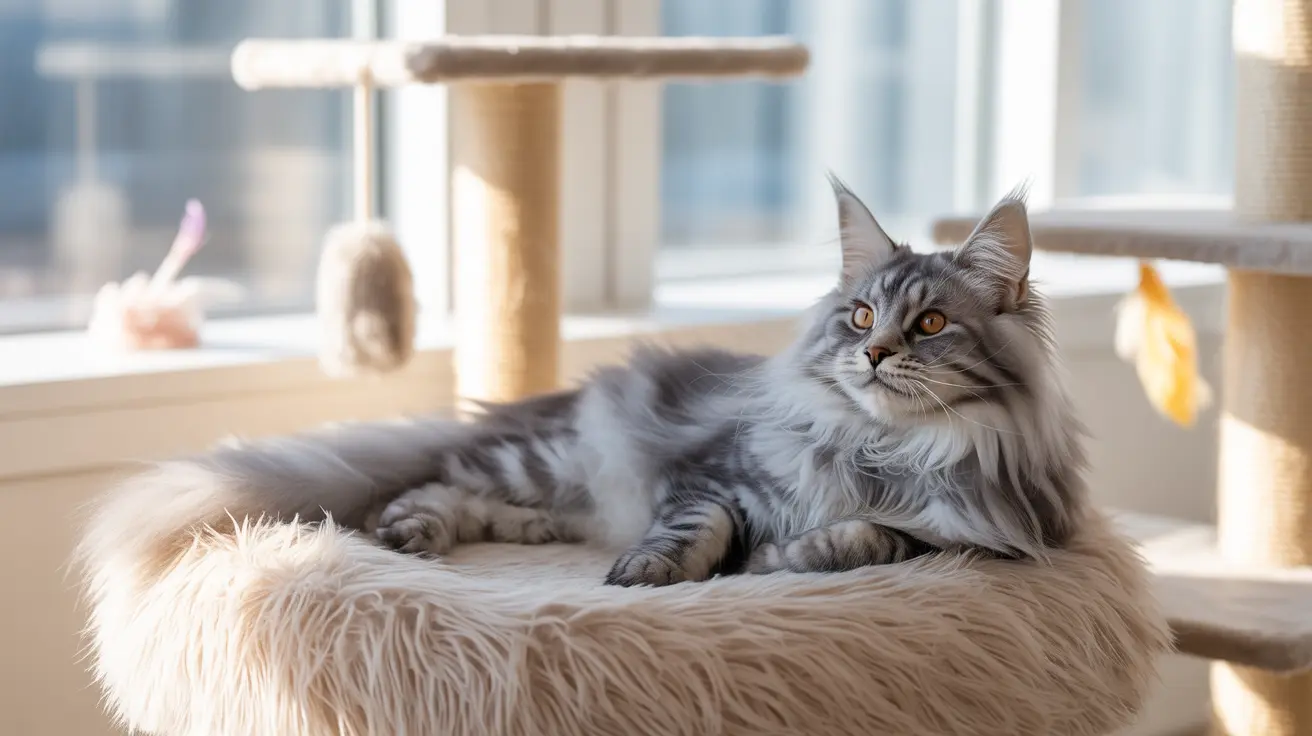
Are you thinking about breeding cats or already have a few furry friends at home? Before you start, there’s something important you need to know—cat breeding licenses.
Understanding what a cat breeding license involves can save you from legal trouble and help you run your breeding responsibly. This isn’t just paperwork; it’s about keeping your cats safe and ensuring you meet the right standards. Keep reading, and you’ll discover everything you need to know about getting your cat breeding license, why it matters, and how it can protect both you and your cats.
Cat Breeding License Basics
Understanding the basics of a cat breeding license is essential for anyone involved in breeding cats. This license ensures breeders follow rules that protect the health and welfare of cats. It also helps maintain ethical breeding practices and supports the community by regulating the number of cats bred.
A cat breeding license is not just a formality. It is a legal requirement in many places. Knowing the basics helps breeders stay compliant and avoid penalties. It also builds trust with buyers and fellow breeders.
Purpose Of A License
The main purpose of a cat breeding license is to regulate breeding activities. It ensures breeders meet health and safety standards. The license helps prevent the spread of diseases among cats. It also reduces the risk of overbreeding and animal neglect. Authorities use licenses to track breeders and maintain quality control.
Who Needs One
Anyone who breeds cats for sale usually needs a license. This includes hobby breeders and professional catteries. The exact rules vary by location. Some places require a license if you breed a certain number of cats per year. Others require it for all breeders, regardless of scale. It is important to check local laws before starting breeding activities.
Types Of Licenses
There are different types of cat breeding licenses. These depend on the breeder’s size and purpose. Common types include:
- Small-scale breeder license for hobbyists
- Commercial breeder license for larger operations
- Special permits for breeding rare or protected breeds
Each license type has specific requirements and fees. Choosing the right one depends on your breeding goals and local regulations.

Credit: www.lemon8-app.com
Legal Requirements
Understanding the legal requirements for a cat breeding license is crucial before you start. These rules ensure the health and welfare of the cats and protect you from legal trouble. Knowing exactly what is expected helps you prepare properly and avoid costly mistakes.
Age And Experience Criteria
Most regions require you to be at least 18 years old to apply for a cat breeding license. But age alone is not enough; some places ask for proof of experience with cats. This could mean working with a vet, volunteering at shelters, or previous breeding activities.
Have you spent enough time caring for cats to meet these standards? If not, consider gaining experience first. It’s not just about meeting legal criteria—it prepares you for responsible breeding.
Health And Safety Standards
Licensing authorities set strict health and safety rules to protect your cats. These include adequate space, clean living conditions, proper ventilation, and safe outdoor areas. Regular veterinary checks and vaccinations are often mandatory.
Make sure you can provide a healthy environment that meets these standards. It’s not just paperwork; it’s about the well-being of the cats you breed. Are you ready to commit to these responsibilities?
Record-keeping Obligations
Keeping detailed records is a legal must for licensed breeders. You’ll need to track each cat’s health, breeding dates, and lineage. This information helps monitor genetic health and trace any issues that arise.
Good records protect you if questions about your breeding practices come up. They also build trust with buyers who want transparency. Do you have a system to keep thorough and organized records?
Application Process
Applying for a cat breeding license involves several key steps. Understanding these steps helps ensure a smooth process. Each part requires attention to detail and proper preparation. This section guides you through the main points of the application process.
Documents Needed
Prepare important documents before applying. These typically include:
- Proof of identity (ID or passport)
- Proof of address (utility bill or lease agreement)
- Veterinary health certificates for breeding cats
- Details about the breeding facility
- Previous breeding or animal care experience, if any
- Completed application form from the licensing authority
Having all documents ready avoids delays in the application.
Fees And Payments
Licensing fees vary depending on location and license type. Check the exact amount with your local authority.
Payments are often accepted online, by mail, or in person. Keep the receipt as proof of payment.
Some regions may require renewal fees annually or every few years.
Inspection Procedures
Inspections are part of the licensing process. Inspectors visit the breeding site to ensure compliance.
They check cleanliness, space, safety, and animal welfare standards. Proper record keeping is also reviewed.
Passing the inspection is necessary to receive or renew the license.

Credit: www.petscare.com
Benefits Of Licensing
Obtaining a cat breeding license ensures legal compliance and promotes responsible breeding practices. It helps protect the health and well-being of cats while building trust with buyers. Licensing also supports better record-keeping and accountability for breeders.
Obtaining a cat breeding license might seem like an extra step in your breeding journey, but it carries numerous benefits that can significantly impact your venture’s success. A license not only enhances your credibility but also assures potential customers of your commitment to ethical practices. Let’s explore some of the key benefits that come with licensing.Protecting Animal Welfare
A cat breeding license ensures that you adhere to the highest standards of animal care. This means providing a safe, healthy, and nurturing environment for your cats. Licensed breeders are regularly inspected, ensuring that they meet animal welfare regulations. This protects not just the animals but also your reputation as a responsible breeder. When you prioritize animal welfare, you naturally breed healthier and happier cats. This often results in fewer health issues and a better quality of life for your feline companions.Building Customer Trust
In the competitive world of cat breeding, trust is paramount. A license signals to potential buyers that you are a legitimate and trustworthy breeder. Customers are more likely to choose a licensed breeder over an unlicensed one. They feel assured knowing that the breeder follows ethical practices and legal guidelines. Consider the peace of mind it brings to a family seeking a new pet, knowing their future furry friend comes from a reputable source. This trust can lead to repeat business and positive word-of-mouth referrals.Avoiding Legal Penalties
Operating without a license can lead to serious legal consequences, including fines or even closure of your breeding business. A license protects you from these risks. It also ensures you’re well-informed about the latest laws and regulations concerning animal breeding. Staying updated helps you avoid unintentional violations. Imagine the stress and financial burden of facing legal action; a simple license can prevent this. It’s a proactive step that protects both your business and your passion for breeding cats. By understanding these benefits, you can see how a cat breeding license is more than just a piece of paper. It’s a testament to your dedication to quality, ethics, and legality in your breeding practice.Common Challenges
Getting a cat breeding license is just the beginning. The real challenge lies in maintaining it. You’ll face several hurdles that test your patience, attention to detail, and commitment to animal welfare.
Handling Compliance Issues
Compliance rules can feel overwhelming at times. You must keep detailed records of your cats’ health, vaccinations, and breeding history. Missing even a small detail can lead to warnings or fines.
One breeder shared how a minor paperwork error almost cost her the license. Staying organized with digital tools or a dedicated notebook can save you from this stress. Are you prepared to keep up with these ongoing demands?
Dealing With Renewals
Renewal periods bring pressure to double-check everything. The process usually requires updated health certificates and proof of continued compliance. Delays in submitting paperwork can cause interruptions in your breeding activities.
Plan ahead by setting reminders months before your license expires. This reduces last-minute scrambles and the risk of lapses. How do you stay ahead of deadlines in your busy schedule?
Managing Unexpected Inspections
Surprise inspections can happen anytime. Inspectors look for clean living spaces, proper care, and accurate records. Failing an inspection might mean fines or even losing your license.
One breeder mentioned always keeping her facility ready for inspection, which eased her nerves during visits. Regular self-checks help you spot issues before inspectors do. Could you maintain this level of readiness without it becoming a burden?
Tips For Successful Breeding
Successful cat breeding requires more than just pairing cats and hoping for the best. It demands careful planning, attention to detail, and a solid understanding of best practices. Focusing on key areas can greatly improve your chances of healthy kittens and satisfied future owners.
Choosing Healthy Cats
Your breeding cats should be in excellent health. Look for cats that have clear eyes, clean ears, and a shiny coat. Avoid breeding cats with a history of genetic diseases or chronic illnesses.
Ask for health certificates and vaccination records before deciding. Healthy parents increase the chances of healthy kittens, reducing complications during pregnancy and birth.
Maintaining Proper Records
Keeping detailed records is essential. Track each cat’s health, vaccinations, breeding dates, and offspring. This helps you monitor patterns and identify any health issues early.
Records also protect you legally and make it easier to answer questions from buyers. Use digital tools or simple spreadsheets to keep everything organized and accessible.
Staying Updated With Laws
Breeding laws and licensing requirements change often. Make sure you know the current rules in your area to avoid fines or legal trouble. This includes limits on the number of cats, cage sizes, and required inspections.
Regularly check government websites or join breeder communities to stay informed. Are you sure your license covers everything you plan to do? Staying proactive keeps your breeding business running smoothly.

Credit: verifiedbreedersdirect.com
Frequently Asked Questions
What Is A Cat Breeding License?
A cat breeding license is an official permit required to breed cats legally. It ensures breeders follow health and welfare standards. Licensing helps regulate breeding practices and protect animals from neglect or abuse. Rules vary by location, so check local regulations before starting.
Who Needs A Cat Breeding License?
Anyone breeding cats for sale or profit usually needs a license. This includes hobby breeders and commercial catteries. Licensing is often mandatory if you have multiple breeding females or sell kittens regularly. Always verify specific legal requirements in your area.
How Do I Apply For A Cat Breeding License?
To apply, contact your local government or animal control office. You may need to fill out forms, provide facility details, and pay fees. Inspections might be required to ensure proper care and hygiene standards are met before approval.
What Are The Benefits Of Having A Cat Breeding License?
A license promotes responsible breeding and animal welfare. It helps prevent illegal or unethical practices. Licensed breeders gain credibility and trust from buyers. It also ensures compliance with legal standards, reducing the risk of fines or closure.
Conclusion
Getting a cat breeding license helps you follow local laws and care rules. It protects the cats and keeps breeding fair. You must meet health and safety standards to get the license. This process shows you care about your cats’ well-being.
Always check your area’s rules before starting. Staying informed avoids fines or legal trouble. A license makes breeding responsible and trustworthy. Keep records and stay honest in your work. This helps build a good reputation over time. Breeding cats is a big job but can be rewarding with the right steps.



Leave a Reply