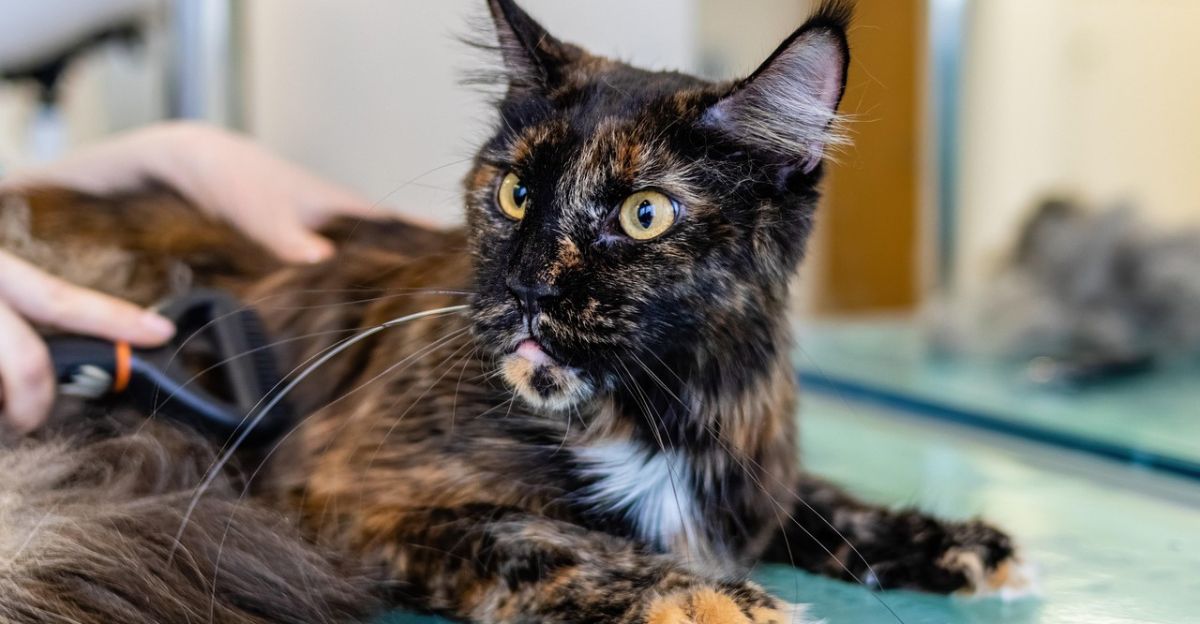
Do you have a long-haired cat and wonder how to keep their coat looking beautiful and healthy? Grooming your fluffy friend might seem like a big job, but with the right tips, it can become a simple, even enjoyable routine for both of you.
You’ll discover easy ways to care for your cat’s long fur, prevent mats and tangles, and make grooming time stress-free. Keep reading to learn how to keep your cat comfortable, happy, and looking their best every day.
Choosing The Right Grooming Tools
Choosing the right grooming tools is essential for caring for a long-haired cat. The proper tools make grooming easier and more comfortable for your cat. They help prevent mats and tangles while keeping the fur shiny and healthy.
Each tool has a specific role in maintaining your cat’s coat. Selecting the right ones helps keep grooming sessions quick and stress-free.
Combs And Brushes For Long Fur
Use wide-toothed combs to gently detangle the fur. They reach the undercoat without pulling too hard. Slicker brushes work well to remove loose hair and dirt. Soft bristle brushes smooth the top layer and add shine.
- Wide-toothed combs for detangling
- Slicker brushes for removing loose hair
- Soft bristle brushes for smoothing coat
Detanglers And Grooming Gloves
Detangling sprays help loosen knots and reduce pulling. They make combing less painful for your cat. Grooming gloves provide a gentle massage while removing loose hair. They are great for cats afraid of brushes.
- Detangling sprays to ease knots
- Grooming gloves for gentle hair removal
- Useful for sensitive or anxious cats
Clippers And Scissors
Clippers help trim areas with thick mats or excess fur. Use them carefully to avoid cutting skin. Rounded-tip scissors are safe for trimming fur around sensitive areas. Regular trimming helps prevent severe matting and keeps your cat neat.
- Clippers for trimming mats
- Rounded-tip scissors for safety
- Regular trimming prevents heavy matting
Preparing Your Cat For Grooming
Preparing your long-haired cat for grooming is essential to make the experience smooth and stress-free for both of you. Cats are sensitive creatures, and the way you approach grooming can affect their willingness to cooperate. Taking the time to prepare your cat properly can turn grooming from a dreaded task into a bonding moment.
Creating A Calm Environment
Choose a quiet, comfortable spot for grooming. Avoid areas with loud noises or distractions that might startle your cat. Soft lighting and a warm temperature help your cat feel relaxed.
Try playing gentle music or using a pheromone diffuser to ease anxiety. Keep grooming tools within reach so you don’t have to leave your cat alone mid-session. A calm environment sets the tone for a positive grooming experience.
Getting Your Cat Comfortable
Spend time petting and talking softly to your cat before you start grooming. Let your cat sniff the brush or comb to get used to it. This small step reduces fear and builds trust.
Use treats and praise to reward calm behavior. If your cat shows signs of stress, pause and give them a break. Your patience helps your cat associate grooming with positive feelings.
Scheduling Regular Grooming Sessions
Set a consistent grooming schedule based on your cat’s coat needs. Regular sessions prevent mats and tangles, making grooming faster and easier. It also helps your cat get used to being handled.
Short, frequent sessions work better than long, occasional ones. Even just 5-10 minutes a few times a week can make a big difference. What time of day does your cat seem most relaxed? Try to groom during those moments.
Brushing Techniques For Long Hair
Brushing long hair cats needs care and patience. Their fur can easily tangle and form mats that hurt their skin. Using the right brushing techniques keeps their coat smooth and healthy. It also helps bond with your pet. Gentle brushing removes loose hair and dirt. It spreads natural oils for a shiny look.
Removing Tangles And Mats
Start with small sections of fur. Use a wide-tooth comb or your fingers to gently loosen tangles. Work slowly from the ends toward the skin. Do not pull hard to avoid pain. For tough mats, use a special dematting tool or scissors carefully. Always check for skin irritation underneath mats.
Brushing Direction And Speed
Brush in the direction of hair growth. This prevents breakage and discomfort. Use smooth, even strokes. Keep your speed steady but slow enough to notice knots. Pause often to check your cat’s reaction. Stop if your cat shows signs of stress or pain. Regular brushing sessions help maintain a tangle-free coat.
Handling Sensitive Areas
Areas like the belly, behind ears, and under legs are sensitive. Use a soft brush or your fingers here. Be extra gentle and patient. Speak softly to calm your cat. If your cat resists, try shorter brushing periods. Gradually increase time as your cat becomes comfortable.
Bathing Your Long Hair Cat
Bathing a long-haired cat requires gentle care and patience. Use lukewarm water and mild shampoo to avoid skin irritation. Brush the fur before and after washing to prevent tangles and matting.
Bathing your long-haired cat can be a delightful bonding experience, though it might seem daunting at first. With their luxurious fur, long-haired cats require special attention during bath time to keep their coat healthy and clean. A well-planned bathing routine not only enhances their beauty but also helps in reducing tangles and matting.Choosing The Right Shampoo
Selecting the right shampoo is crucial for your cat’s skin health. Opt for a product specifically formulated for cats, as human shampoos can irritate their skin. Look for options that moisturize and prevent tangles. Consider hypoallergenic shampoos if your cat has sensitive skin. Products with natural ingredients can often be gentler. A pleasant scent can make the experience more enjoyable for both you and your feline friend.Bathing Steps And Tips
Prepare all necessary supplies before starting the bath. Gather towels, a non-slip mat, and a cup for rinsing. Having everything ready keeps the process smooth and stress-free. Gently place your cat in the tub with a shallow level of lukewarm water. Speak softly to reassure them. Wet their fur thoroughly and apply shampoo, massaging it gently into their coat. Rinse thoroughly to remove all shampoo residue. Leftover shampoo can cause skin irritation. Reward your cat with a treat for their cooperation and patience.Drying Methods
Use a soft towel to pat your cat dry. Be gentle to avoid pulling their delicate fur. Patting rather than rubbing helps prevent tangles. Consider using a hairdryer on the lowest heat setting. Ensure the noise doesn’t startle your cat. Some long-haired cats may enjoy the warm air if introduced gradually. If your cat is nervous around hairdryers, allow them to air dry in a warm room. Ensure they’re comfortable and away from drafts. Frequent brushing during drying can help maintain their coat’s fluffiness. Bathing a long-haired cat doesn’t have to be a chore. With patience and the right approach, it can be a pleasant experience that strengthens your bond. Do you have any bath-time rituals that your cat loves?Trimming And Clipping Fur
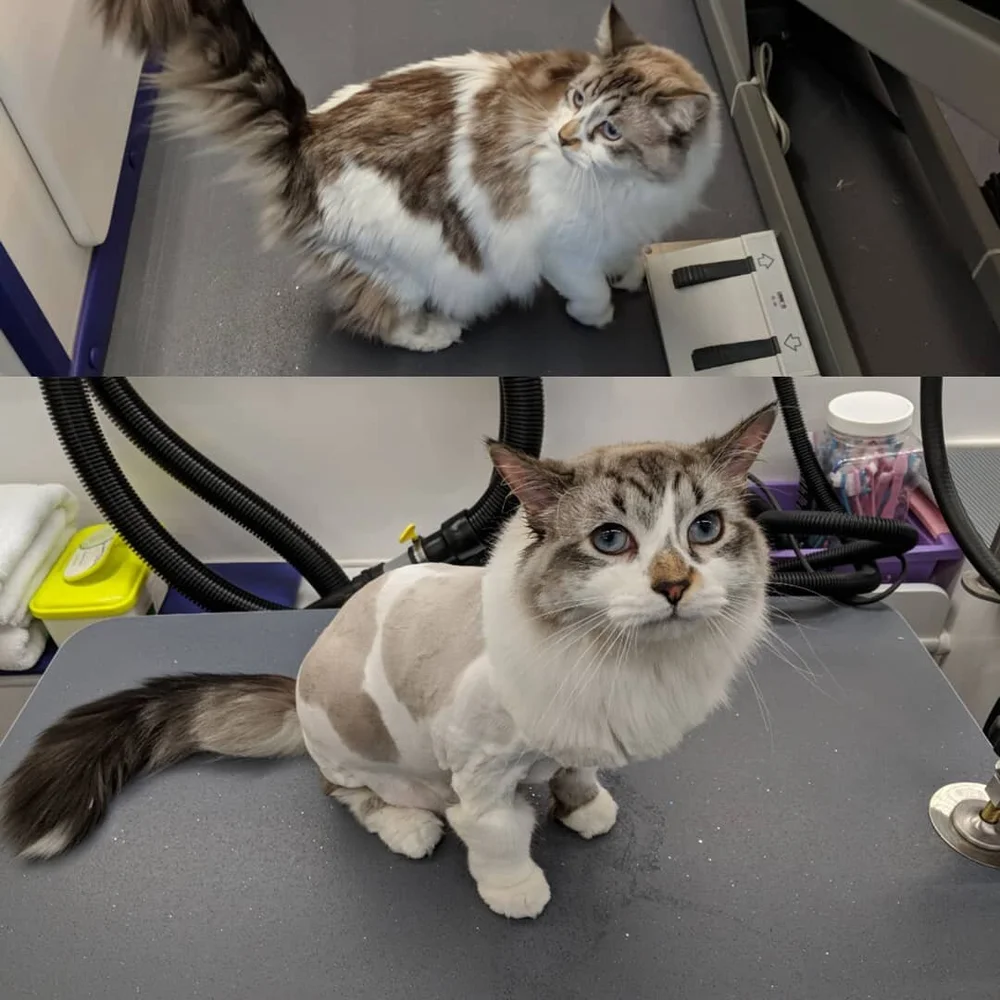
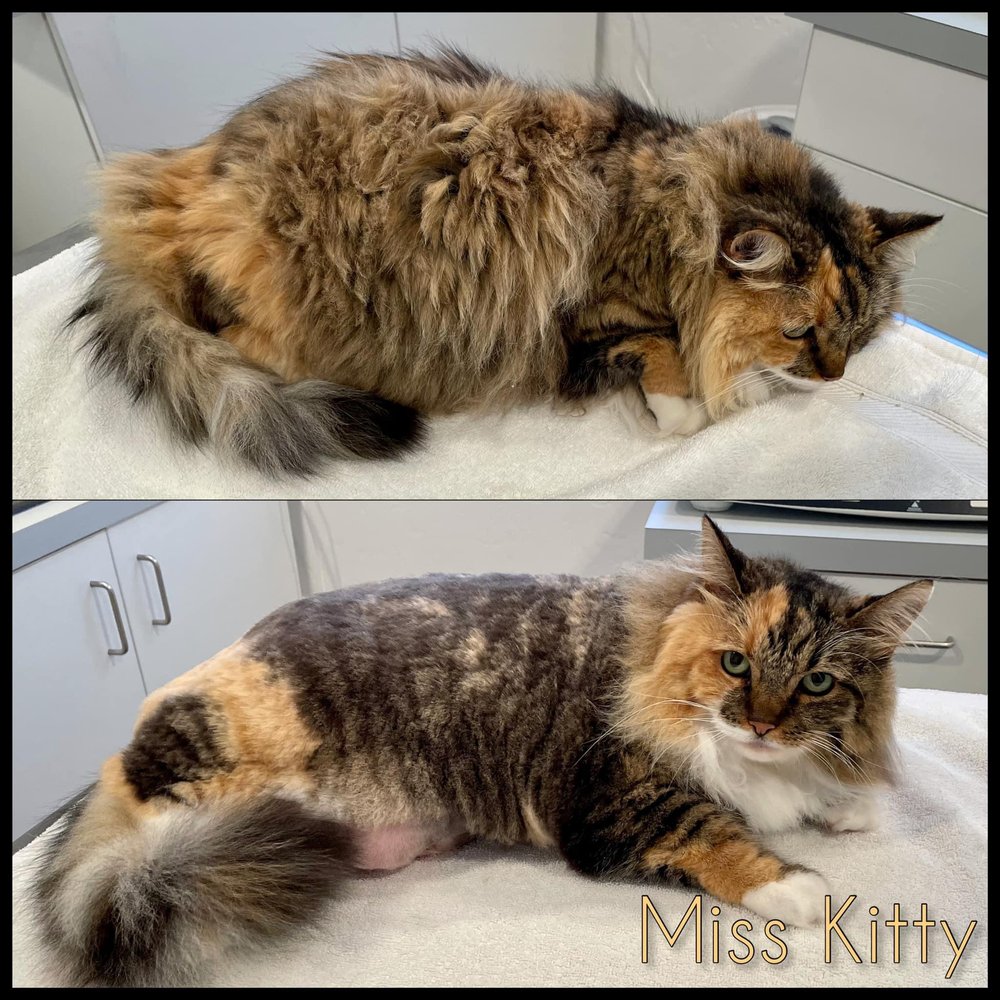
Trimming and clipping your long-haired cat’s fur is essential to keep them comfortable and prevent matting. Regular trims help manage tangles and reduce the risk of skin irritation. It also makes grooming sessions quicker and less stressful for both of you.
When To Trim
Trim your cat’s fur when you notice mats forming or if the hair around sensitive areas like the paws, rear, or belly grows too long. Seasonal changes can also signal a good time to trim, especially during warmer months to help your cat stay cool.
Watch for signs like excessive shedding or fur that easily gets tangled. If your cat is scratching more than usual, it might be time for a trim to prevent further discomfort.
Safe Trimming Practices
Use sharp, rounded-tip scissors or electric clippers designed for pets to avoid accidental cuts. Always work in a well-lit area and keep your cat calm by speaking softly and giving treats.
Trim small sections at a time and avoid cutting too close to the skin. If your cat moves suddenly, pause and gently reposition them before continuing.
Handling Difficult Spots
Some areas like behind the ears, under the legs, and around the tail can be tricky to trim. Use your free hand to gently stretch the skin, creating a flat surface for safer cutting.
If your cat resists, take breaks and try distracting them with toys or treats. Sometimes, enlisting the help of a second person to hold your cat gently can make the process smoother.

Credit: justcatsclinic.com
Maintaining Healthy Fur
Maintaining healthy fur is key to caring for a long-haired cat. Thick, shiny fur shows your cat is well cared for and healthy. Grooming alone is not enough. You must support your cat’s coat from the inside out. This means focusing on diet, preventing hairballs, and regular vet visits.
Diet And Nutrition
A balanced diet helps keep fur soft and strong. Proteins provide building blocks for healthy hair. Omega-3 and Omega-6 fatty acids improve shine and reduce dryness. Foods rich in vitamins A and E support skin health. Choose high-quality cat food made for long-haired breeds. Fresh water keeps your cat hydrated, which aids fur condition.
Preventing Hairballs
Long-haired cats swallow more hair during grooming. Hairballs can cause discomfort and blockages. Regular brushing reduces loose hair your cat ingests. Special hairball control diets help move hair through the digestive system. Some cats benefit from hairball remedies or supplements. Watch for signs like frequent coughing or gagging and act fast.
Regular Vet Checkups
Vet visits catch skin or fur problems early. Parasites like fleas cause itching and fur loss. Allergies or infections can harm fur quality. Your vet can recommend supplements or treatments to improve coat health. Regular checkups keep your cat comfortable and looking great all year.
Dealing With Common Grooming Challenges
Grooming a long hair cat can bring certain challenges. These challenges require patience and care to keep your cat comfortable and healthy. Understanding common problems helps to manage grooming better. It also improves the bond between you and your pet.
Managing Shedding
Long hair cats shed a lot, especially in warm seasons. Frequent brushing removes loose fur before it spreads. Use a wide-tooth comb to detangle hair gently. Brushing daily reduces hairballs and keeps your home cleaner. A healthy diet also helps control shedding by improving fur quality.
Handling Aggressive Behavior
Some cats dislike grooming and may react aggressively. Start grooming sessions short and calm to build trust. Speak softly and offer treats to create positive feelings. Watch for signs of stress like growling or tail flicking. Stop immediately if your cat shows strong resistance. Use gloves if needed for protection during brushing.
Addressing Skin Issues
Long hair can hide skin problems like dryness or irritation. Check your cat’s skin regularly during grooming. Look for redness, bumps, or flakes that signal issues. Use gentle shampoos designed for cats to avoid irritation. Consult a vet if skin problems persist or worsen. Keeping skin healthy prevents discomfort and fur loss.
Credit: www.squeakycleangrooming.com
Credit: www.downtowntabbycattery.com
Frequently Asked Questions
How Often Should I Groom A Long Hair Cat?
Groom your long hair cat daily to prevent mats and tangles. Regular brushing reduces shedding and keeps their coat healthy. Frequent grooming also helps you spot skin issues early, promoting overall well-being.
What Tools Are Best For Grooming Long Hair Cats?
Use a wide-tooth comb, slicker brush, and grooming scissors. These tools gently detangle fur without hurting your cat. A deshedding tool can also reduce loose hair effectively.
How Can I Prevent Mats In My Cat’s Fur?
Brush your cat’s fur daily, focusing on problem areas like underarms. Regular grooming stops mats from forming and keeps fur smooth. If mats appear, carefully trim them or seek professional help.
Can I Bathe My Long Hair Cat Safely?
Yes, but only occasionally using cat-safe shampoo. Bathing helps remove dirt and loose hair but avoid overbathing as it can dry out skin. Always dry your cat thoroughly after baths.
Conclusion
Grooming a long hair cat takes patience and care. Regular brushing stops mats and keeps fur soft. Clean their eyes and ears gently to avoid infections. Trim nails carefully to prevent scratches. Watch your cat’s mood to make grooming easy.
A calm cat means a smoother grooming time. With simple steps, your cat stays healthy and happy. Enjoy the bond you build during grooming moments. Keep a routine, and your long hair cat will shine. Simple care makes a big difference every day.



Leave a Reply