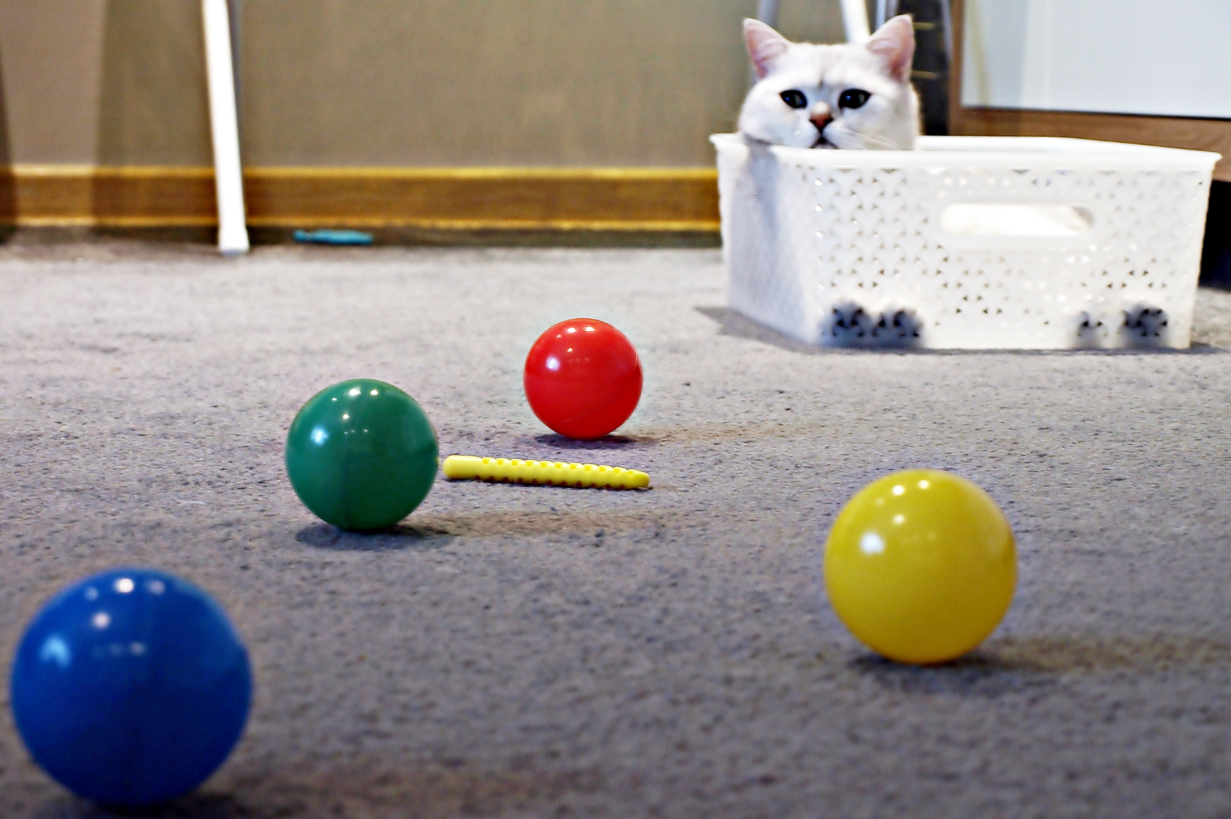
Does your cat ignore every toy you buy? You’re not alone.
Many cat owners face the same frustrating problem. It’s confusing because toys are supposed to keep your furry friend happy and active. But when your cat shows no interest, it can leave you wondering what to do next. Don’t worry—there are simple ways to understand your cat’s unique preferences and find what truly excites them.
Keep reading, and you’ll discover practical tips to bring fun back into your cat’s life.
Reasons Cats Reject Toys
Cats may avoid toys for several reasons. Understanding these reasons helps improve their playtime experience. Some cats reject toys due to instincts, past experiences, or health issues. Each factor influences their behavior uniquely.
Natural Hunting Instincts
Cats rely on hunting skills to catch real prey. Toys that do not mimic movement or texture may fail to trigger interest. Some cats prefer interactive play with owners instead of inanimate objects. Their instincts guide what they find fun or boring.
Past Negative Experiences
Cats can associate toys with fear or discomfort. Loud noises or sudden movements from certain toys can scare them. A bad experience might cause long-term avoidance of similar items. Trust-building and gentle introduction can help overcome this.
Health And Age Factors
Older cats or those with health problems may lack energy or motivation to play. Joint pain, vision issues, or dental problems reduce interest in toys. Cats with low energy prefer calm activities or rest over active play. Regular health checks ensure no underlying issues affect play behavior.

Credit: www.catschool.co
Choosing The Right Toys
Choosing the right toys matters a lot when your cat shows no interest in playthings. Cats have unique tastes and needs. Picking toys that fit their style can spark excitement and fun. Not every toy suits every cat. Understanding what your cat prefers helps in selecting toys that attract their attention and keep them engaged.
Textures And Materials Cats Prefer
Cats often like toys made from soft, crinkly, or furry materials. Some enjoy rough textures like sisal or rubber. Toys with feathers or fabric can mimic prey. Natural materials feel more inviting than plastic. Try different textures to find what your cat likes best. Soft toys can be cuddly, while firm ones satisfy biting urges.
Interactive Vs Solo Play Toys
Interactive toys involve you and your cat playing together. Examples include wand toys or laser pointers. These build trust and keep your cat active. Solo toys let your cat play alone, such as balls or treat puzzles. Some cats prefer chasing a moving toy, others like solving puzzles. Offering both types can cover your cat’s different moods.
Tailoring Toys To Your Cat’s Personality
Observe your cat’s behavior to pick suitable toys. Active cats enjoy chasing and pouncing toys. Shy cats may prefer gentle, soft toys. Curious cats like toys with surprises inside. Some cats love toys that make noise, others dislike sounds. Matching toys to personality makes playtime more fun and less stressful for your cat.
Techniques To Spark Interest
Getting a cat interested in toys can be tricky. Cats have unique personalities and preferences. Some cats might ignore toys because they don’t find them exciting. Using simple techniques can help spark your cat’s curiosity and encourage play. These tricks focus on appealing to a cat’s natural senses and habits. Here are a few effective ways to bring life to playtime.
Using Scent To Attract Attention
Cats rely heavily on their sense of smell. Adding a scent to toys can make them more appealing. Try rubbing a bit of catnip on the toy. Catnip often excites cats and draws their interest.
Another option is to use familiar scents. Rub the toy with a cloth that has your cat’s scent or a comforting smell. This makes the toy feel safe and inviting. Avoid strong or artificial scents that may scare your cat.
Incorporating Movement And Sounds
Movement can catch a cat’s eye quickly. Toys that wiggle or flutter mimic prey and trigger hunting instincts. Use toys with feathers or ribbons that you can move around. Dragging a toy slowly over the floor can spark curiosity.
Sounds also attract cats. Toys that make soft crinkling or jingling noises may grab attention. Experiment with different sounds to see what your cat likes. Keep sounds gentle to avoid startling your pet.
Timing Play Sessions Effectively
Choosing the right time to play is important. Cats are often more active during dawn and dusk. Try scheduling play sessions during these times. Short, frequent sessions work better than long, tiring ones.
Observe your cat’s mood. If your cat seems relaxed or sleepy, wait for a more alert moment. A fresh burst of energy means your cat is ready to engage. Consistency helps build a routine and anticipation for play.
Alternatives To Traditional Toys
Some cats ignore traditional toys. They might find them boring or unfamiliar. Luckily, many alternatives keep your cat entertained and active. These options can boost your cat’s happiness and health.
Household Items As Playthings
Many common items become fun toys for cats. Paper balls, bottle caps, and empty boxes are favorites. Cats love to chase and hide in boxes. Crumpled paper can bounce and roll unpredictably. These items cost nothing and are easy to replace.
Diy Toy Ideas
Homemade toys often capture a cat’s interest. Tie strings to sticks to create simple wands. Use felt scraps or old socks to make soft toys. Add catnip inside for extra attraction. These toys let you customize size and texture. You control the materials and safety.
Puzzle Feeders And Mental Stimulation
Puzzle feeders challenge your cat’s mind and body. They require your cat to solve problems for treats. These toys slow eating and encourage natural hunting skills. Use muffin tins or plastic bottles for simple puzzles. Mental games keep cats sharp and reduce boredom.
Creating A Play-friendly Environment
Creating a calm and cozy space helps cats feel safe and curious. Use soft blankets and quiet corners to invite gentle play. Sometimes, cats prefer natural items like leaves or string over toys.
Creating a Play-Friendly Environment Does your cat seem uninterested in toys no matter how many you buy? It might not be about the toys at all. Sometimes, creating a play-friendly environment can make all the difference in sparking your feline’s curiosity and activity levels.Safe Spaces For Exploration
Cats are natural explorers. Providing safe spaces where they can wander and inspect is crucial. Consider designating a room or a corner where your cat can roam freely without encountering hazards. This could be as simple as clearing away clutter and ensuring any harmful items are out of reach. Observe your cat’s behavior—do they prefer certain areas? Use that insight to create inviting zones they can claim as their own.Incorporating Vertical And Hiding Spots
Cats love to climb and hide. Adding vertical spaces and cozy hiding spots can transform their playtime. Install cat shelves or a tall cat tree where they can climb and perch. This not only satisfies their climbing instincts but also gives them a vantage point to survey their territory. Hiding spots like cardboard boxes or tunnels can provide a sense of security and encourage playful pouncing. Does your cat have a favorite hiding spot already? Enhance it with soft blankets or toys to make it even more inviting.Minimizing Stress And Distractions
A calm environment is key to encouraging play. Loud noises or frequent disturbances can make your cat anxious and uninterested in playtime. Try to reduce stress by keeping the play area quiet and free of sudden interruptions. This could mean choosing a time when the household is less busy or turning off loud appliances. Have you noticed how your cat reacts to different noises? Understanding their comfort zones can help you create a serene play setting where your cat feels safe and relaxed.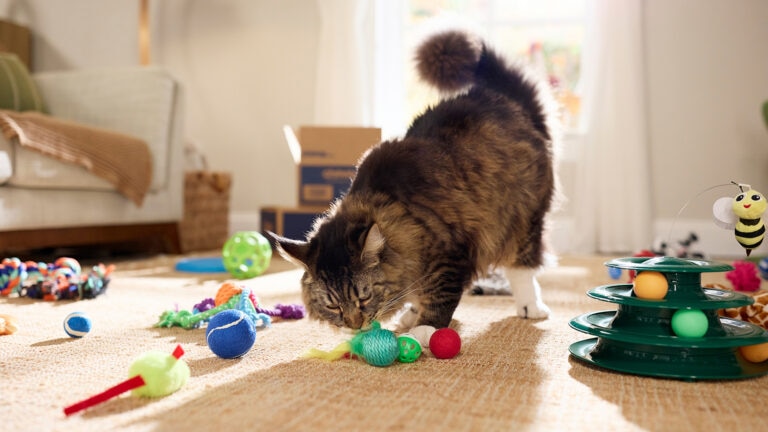
Credit: www.chewy.com
When To Consult A Veterinarian
Sometimes, a cat’s lack of interest in toys can signal more than just a picky personality. Knowing when to reach out to a veterinarian can make a big difference in your cat’s well-being. It’s essential to recognize the signs that suggest professional help is needed to ensure your cat stays happy and healthy.
Signs Of Behavioral Or Health Issues
Has your cat suddenly stopped playing, even with their favorite toys? This change might point to underlying health problems like arthritis or dental pain. Behavioral signs such as increased hiding, aggression, or lethargy can also indicate stress or anxiety.
Pay close attention if your cat shows:
- Loss of appetite
- Unusual vocalization
- Changes in grooming habits
- Weight loss or gain
These symptoms are your cat’s way of telling you something isn’t right.
Professional Advice On Engagement
A veterinarian can offer tailored advice to improve your cat’s interest in play. They might suggest specific toys that suit your cat’s personality or ways to encourage interaction based on your cat’s unique needs.
Sometimes, simple changes like varying the toy’s texture or introducing playtime routines can help. Your vet can also guide you on environmental enrichment to reduce boredom and anxiety.
Possible Medical Treatments
If a health issue is diagnosed, medical treatments might be necessary. Pain relief, anti-anxiety medications, or supplements can significantly improve your cat’s quality of life and willingness to engage.
Don’t hesitate to ask your vet about treatment options. Early intervention often leads to quicker recovery and happier playtimes.

Credit: tamaracamerablog.com
Frequently Asked Questions
Why Doesn’t My Cat Like Toys?
Cats may ignore toys due to boredom, stress, or health issues. Some prefer interactive or natural play, like chasing shadows or hunting instincts. Observe your cat’s behavior and try different toy types or play styles to find what engages them best.
How Can I Make Toys More Appealing To My Cat?
Use catnip, treats, or interactive play to increase interest. Move toys unpredictably to mimic prey. Rotate toys regularly to maintain novelty. Always supervise playtime to ensure safety and encourage positive associations with the toys.
Are There Alternatives If My Cat Dislikes Toys?
Yes, consider interactive play such as laser pointers or wand toys. Engage your cat in activities like climbing, scratching posts, or puzzle feeders. These alternatives stimulate mental and physical activity, catering to your cat’s natural instincts beyond traditional toys.
Could My Cat’s Age Affect Toy Interest?
Absolutely. Kittens are usually playful, while older cats may prefer gentle or slow-moving toys. Adjust toy types and play duration based on your cat’s age, energy level, and preferences to keep them engaged and active.
Conclusion
Not all cats enjoy toys the same way. Some prefer quiet time or gentle petting. Try different items and watch your cat’s reaction. Patience helps find what makes your cat happy. Remember, every cat has its own personality. Keep exploring until you discover the right activity.
Your bond will grow stronger with understanding and care. Enjoy the moments you share together, no matter what.




Leave a Reply