If your cat has stubborn fecal mats, you know how tricky and uncomfortable they can be for your furry friend. You want to help, but removing those tough mats safely requires the right skills and tools.
So, what cat groomer can handle this delicate job without causing your pet stress or pain? Keep reading to discover how professional groomers tackle fecal mats and how you can find the best expert to keep your cat clean, comfortable, and happy.
Your cat deserves the best care, and you deserve peace of mind.
Credit: www.walmart.ca
Choosing The Right Cat Groomer
Choosing the right cat groomer is important for your cat’s health and comfort. Cats with fecal mats need special care to avoid pain and infection. A skilled groomer can remove these mats safely and gently. It is important to find someone who understands your cat’s needs and handles them with care.
Qualities Of Skilled Groomers
- Patience to handle nervous or scared cats
- Experience with different cat breeds and hair types
- Gentle touch to avoid hurting the cat
- Good communication to explain the process to owners
- Ability to spot skin problems or infections early
Specialization In Fecal Mat Removal
- Knowledge of how fecal mats form and how to remove them
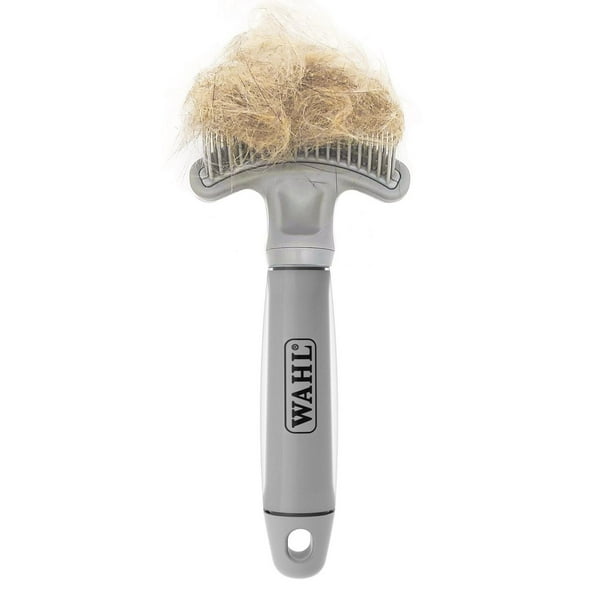
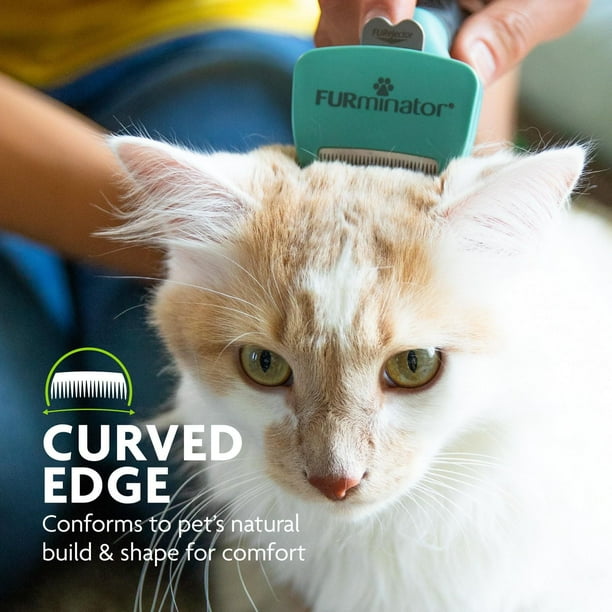
- Use of special tools designed for delicate mat removal
- Training in cutting mats without cutting the skin
- Skills to trim and clean without stressing the cat
- Experience with cats that have sensitive or matted fur
Safety And Hygiene Practices
- Use of clean, sterilized grooming tools
- Wearing gloves to maintain hygiene
- Cleaning the work area before and after grooming
- Monitoring the cat’s reaction during grooming
- Proper disposal of removed mats and fur
Credit: www.squeakycleangrooming.com
Techniques For Removing Fecal Mats
Removing fecal mats from a cat’s fur requires careful and gentle techniques. These mats often form near the rear and need special attention. Groomers use specific tools and methods to ensure the cat stays comfortable and safe during the process. Understanding these techniques helps pet owners appreciate the care involved.
Tools Used By Groomers
Groomers use several tools designed for delicate and effective mat removal:
- Mat combs with wide and narrow teeth
- Dematting tools with sharp edges for breaking mats
- Scissors with rounded tips for trimming near sensitive areas
- Clippers for shaving heavily matted fur
- Detangling sprays to soften mats before removal
Step-by-step Removal Process
Groomers follow clear steps to remove fecal mats safely:
- Assess the mat size and location on the cat’s fur
- Apply detangling spray to loosen the mat fibers
- Gently comb the mat, starting from the edges
- Use dematting tools to break up stubborn mats carefully
- Trim or clip the mat if it cannot be combed out
- Check the skin for irritation or injury throughout
- Clean the area after mat removal to prevent infection
Handling Sensitive Areas
Fecal mats often form near sensitive parts like the tail and rear legs. Groomers take extra care here:
- Use scissors with rounded tips to avoid cuts
- Hold the skin gently to prevent pulling or pain
- Work slowly and pause if the cat shows discomfort
- Keep the cat calm with soothing tones and breaks
- Seek veterinary help if mats are too tight or painful
Preventing Fecal Mats In Cats
Preventing fecal mats in cats is key to keeping them clean and comfortable. These mats form when fur near the rear end gets dirty and tangled. Regular care helps stop mats before they start. Healthy habits and simple home care make a big difference for your cat’s hygiene.
Regular Grooming Habits
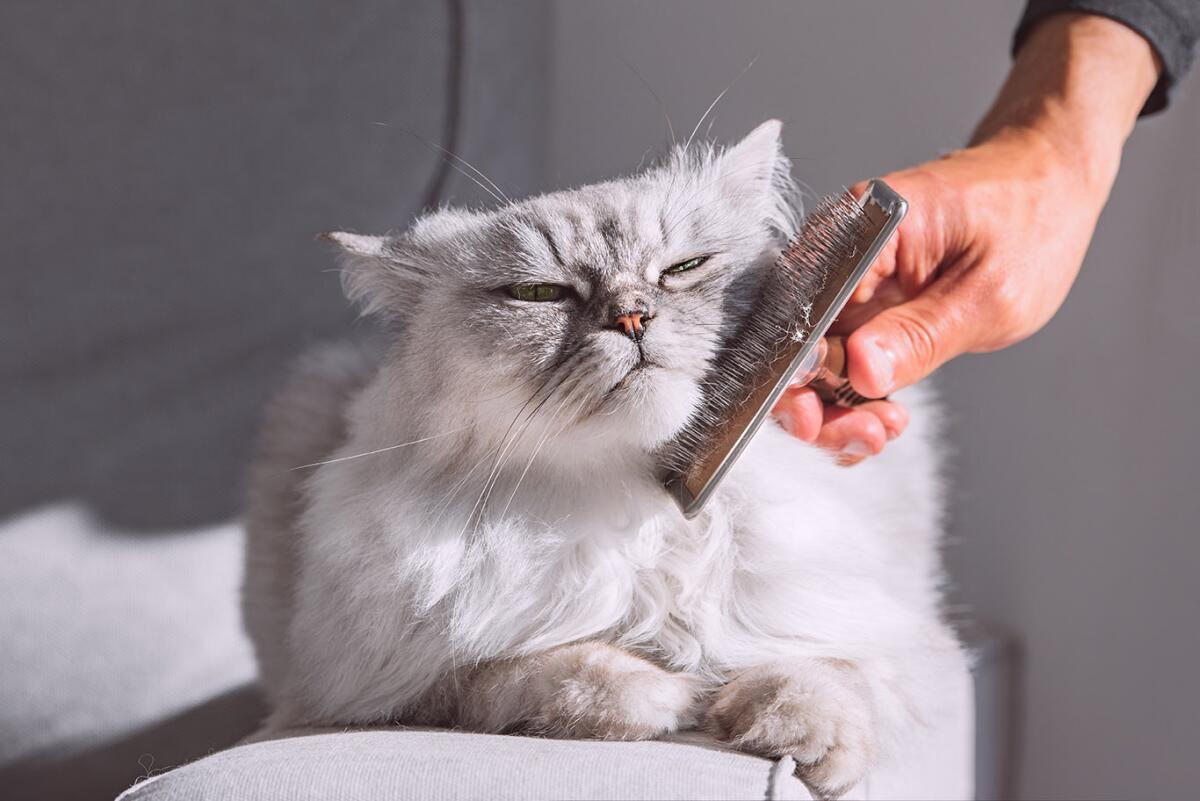
Brush your cat’s fur often to prevent mats from forming. Focus on the areas around the tail and rear legs. Use a soft brush or comb made for cats. Grooming removes loose fur and dirt. It also helps your cat stay comfortable and less prone to matting.
Diet And Health Factors
Good nutrition supports healthy skin and fur. Provide a balanced diet with enough fiber to keep stools firm. Firm stools reduce the chance of fur getting dirty. Keep your cat hydrated to aid digestion. Regular vet visits help catch health issues that may cause matting.
Home Care Tips
- Check your cat’s rear area daily for dirt or tangles.
- Use pet-friendly wipes to clean if needed.
- Trim long fur near the anus carefully to prevent buildup.
- Keep your cat’s litter box clean to avoid extra mess.
- Consider professional grooming if mats appear or your cat resists brushing.
Credit: www.squeakycleangrooming.com
When To Seek Professional Help
Knowing when to seek professional help for removing fecal mat hair is important. Severe mats can cause pain and skin problems for your cat. Professionals have the skills and tools to handle difficult mats safely. Trying to remove tough mats at home may hurt your cat or make the problem worse.
Signs Of Severe Matting
- Hair clumps that pull tightly on the skin
- Red or irritated skin under the mats
- Foul smell coming from the matted area
- Your cat shows discomfort or pain when touched
- Difficulty walking or moving due to mats
Risks Of Diy Removal
- Cutting your cat’s skin accidentally
- Causing pain and stress to your cat
- Missing mats close to the skin
- Worsening skin irritation or infection
- Not fully removing mats, leading to regrowth
Finding Trusted Grooming Services
Look for groomers with experience in cat care. Check reviews and ask for recommendations. Ensure the groomer uses safe tools and gentle techniques. Confirm they handle fecal mat removal specifically. A calm environment helps reduce your cat’s stress during grooming.
Frequently Asked Questions
What Type Of Cat Groomer Removes Fecal Mat Hair?
A professional cat groomer with experience in hygiene grooming can safely remove fecal mats. They use gentle techniques and specialized tools to clean sensitive areas without harming the cat.
How Often Should Fecal Mats Be Removed From Cats?
Fecal mats should be removed as soon as they form to avoid discomfort and infection. Regular grooming sessions every few weeks help prevent matting, especially for long-haired cats.
Can I Remove Fecal Mats From My Cat At Home?
You can remove small fecal mats at home using blunt scissors or clippers, but be cautious. For severe mats, it’s safer to seek a professional groomer to prevent injury.
What Tools Do Cat Groomers Use For Fecal Mat Removal?
Cat groomers use dematting combs, scissors, and clippers designed for delicate fur. They also use gentle cleaning products to sanitize the area after removing mats.
Conclusion
Removing fecal mats from your cat’s fur needs care and skill. A professional cat groomer knows how to do this safely. They use special tools to gently remove the mats without hurting your pet. Regular grooming helps prevent these mats from forming.
Keep your cat clean and comfortable with proper grooming. Trust a groomer who understands your cat’s needs. Your furry friend will feel better and look great too. Don’t let mats cause your cat pain or discomfort. Choose a groomer who treats your cat with kindness.

Leave a Reply