Is your cat spending too much time licking and biting its fur? Over grooming can be more than just a quirky habit—it might be a sign your furry friend is stressed, uncomfortable, or even unwell.
If you’ve noticed bald patches, redness, or constant scratching, you’re probably wondering what you can do to help. Don’t worry, you’re not alone. You’ll discover simple, effective steps to understand why your cat is over grooming and how you can bring comfort back to your beloved pet’s life.
Keep reading to find out how to stop this behavior before it causes lasting damage.
Causes Of Over Grooming
Cat over grooming is a common problem that can harm your pet’s skin and fur. Understanding why cats groom too much helps solve the issue. Several reasons can cause this behavior. These include health problems, emotional distress, and environmental factors. Identifying the root cause is important for proper care and treatment.
Stress And Anxiety
Cats often groom excessively when they feel stressed or anxious. Changes in their environment, loud noises, or new pets can trigger this behavior. Grooming becomes a way to calm themselves. It is similar to how humans bite their nails when nervous. Reducing stress can help stop over grooming.
Allergies And Skin Issues
Allergies to food, pollen, or dust can cause itching and irritation. Cats may lick or bite their skin to relieve discomfort. Skin conditions like dermatitis or dry skin also lead to over grooming. Treating allergies and skin problems reduces the urge to groom excessively.
Parasites And Infections
Fleas, ticks, or mites cause intense itching. Cats scratch and groom to remove these pests. Infections from bacteria or fungi worsen skin irritation. Checking for parasites and infections is crucial. Proper treatment stops over grooming and helps skin heal.
Boredom And Lack Of Stimulation
Cats need mental and physical activity to stay healthy. Without enough play or interaction, they may groom too much. Over grooming becomes a way to pass time or relieve boredom. Providing toys and attention keeps cats busy and happy.
Identifying Over Grooming Signs
Over grooming in cats can signal stress, allergies, or health issues. Spotting the signs early helps protect your cat’s skin and fur. Watch your cat’s grooming habits closely. Notice changes that seem unusual or extreme. These clues guide you toward getting the right help for your cat.
Excessive Licking And Biting
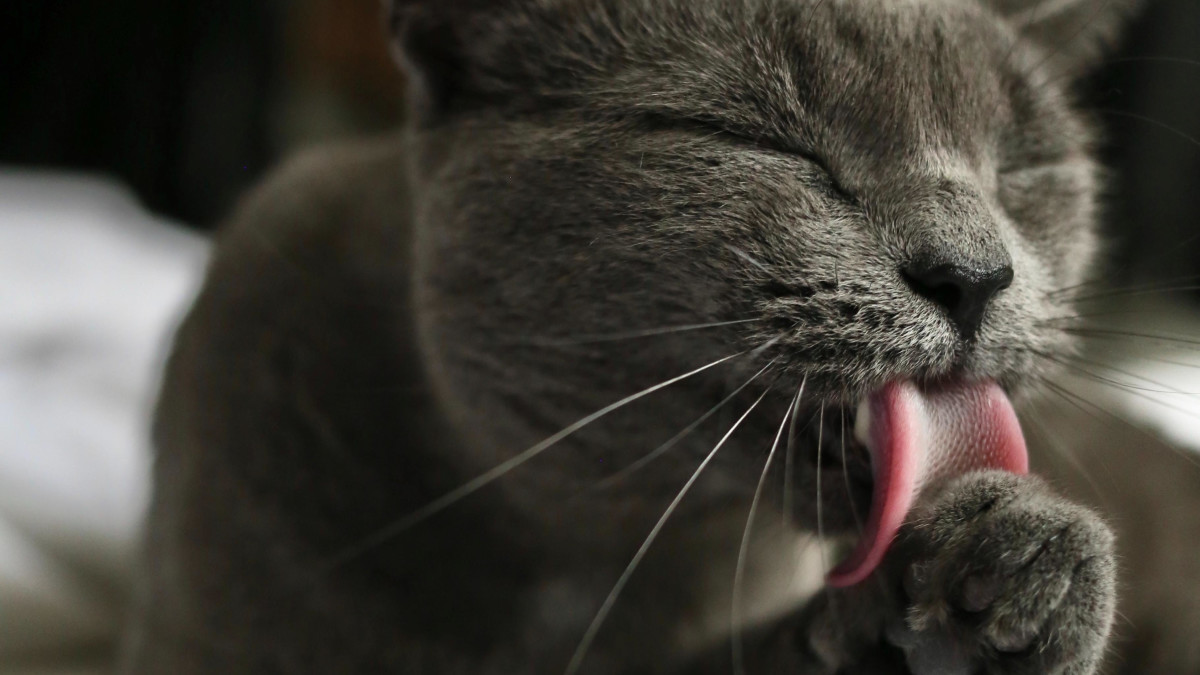
Cats groom to stay clean. But too much licking or biting can harm their skin. You might see your cat focus on one spot. This behavior can cause sores or wounds. Pay attention if grooming lasts longer than normal. It may indicate discomfort or anxiety.
Hair Loss Patterns
Look for patches where fur is missing. Over grooming can cause uneven hair loss. Common spots include the belly, legs, and tail base. Hair loss in these areas often shows your cat is licking too much. Notice if the fur looks thin or uneven.
Redness And Irritation
Skin affected by over grooming often looks red or inflamed. Your cat might have raw or scabbed areas. These signs suggest irritation or infection. Check for swelling or bumps under the fur. These could mean your cat needs a vet’s care.
Behavioral Changes
Over grooming can also change how your cat acts. Your cat might seem restless or nervous. It may hide more or avoid people. Sometimes, cats become more aggressive or vocal. These changes can show stress or pain linked to over grooming.
Home Remedies To Reduce Grooming
Over grooming in cats can cause skin problems and discomfort. Home remedies help reduce this behavior naturally. They create a calm and engaging environment for your cat. These simple steps can improve your cat’s well-being and reduce excessive grooming.
Environmental Enrichment
Keep your cat’s surroundings interesting and stimulating. Provide scratching posts, climbing trees, and cozy resting spots. Change toys regularly to keep your cat curious. Add puzzle feeders to make mealtime fun and slow. A busy cat has less time to over groom. Small changes can make a big difference in behavior.
Regular Playtime
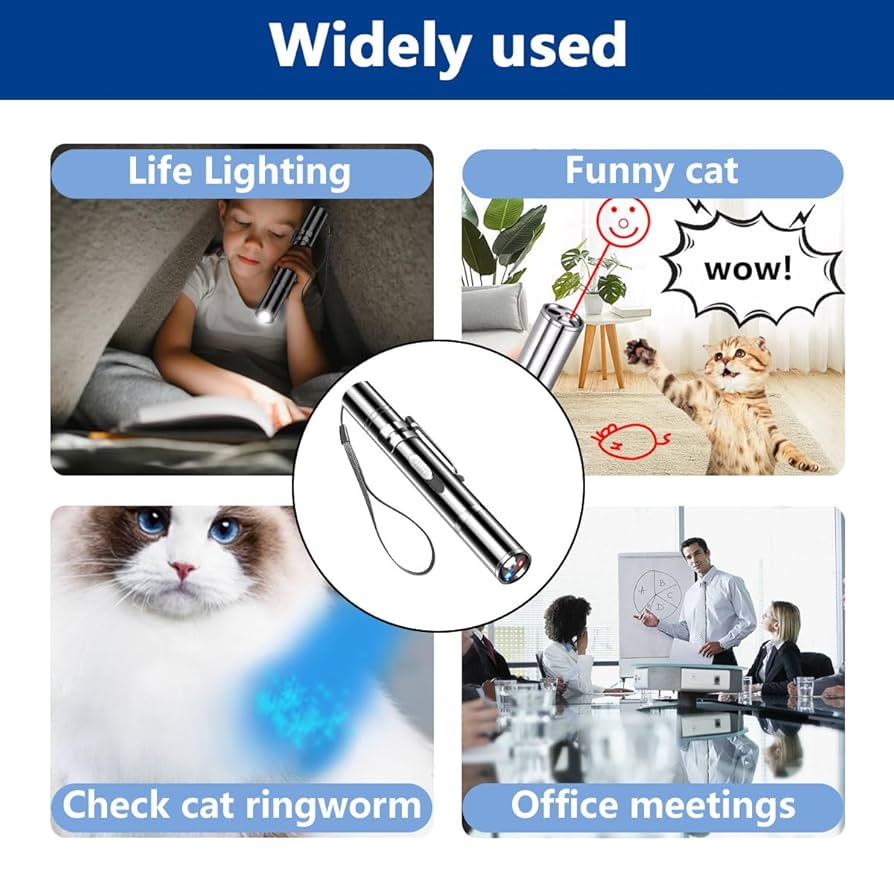
Play with your cat daily to burn energy and reduce stress. Use wand toys, balls, or laser pointers for interactive fun. Short, frequent sessions work better than long ones. Play helps distract your cat from grooming too much. It also strengthens your bond and keeps your cat happy.
Soothing Baths And Grooming
Gently bathe your cat with a mild shampoo made for cats. Use warm water and soft cloths to avoid stress. Regular brushing removes loose fur and prevents mats. Grooming sessions calm your cat and reduce the urge to lick. Always be gentle and patient during grooming time.
Dietary Adjustments
Check your cat’s diet for allergens or nutrient gaps. Add omega-3 fatty acids to improve skin health. A balanced diet supports a healthy coat and reduces itching. Avoid foods with artificial additives or fillers. Consult your vet before making major diet changes.
When To See A Vet
Knowing when to see a vet for your cat’s over grooming is crucial. Over grooming can signal underlying health or behavioral issues that need professional attention. Ignoring the signs could lead to worsening problems or discomfort for your feline friend.
Persistent Skin Problems
If your cat keeps licking or scratching the same area, causing redness, hair loss, or sores that don’t heal, it’s time for a vet visit. Persistent skin problems might indicate allergies, parasites, or other dermatological conditions. Your vet can perform tests to find the root cause and suggest effective treatments.
Signs Of Infection
Watch closely for swelling, oozing, or foul odor around the skin your cat over grooms. These symptoms often point to infections that need immediate medical care. If your cat seems in pain or the area is hot to the touch, don’t delay seeking veterinary help.
Behavioral Assessments
Sometimes over grooming is more about stress or anxiety than physical illness. If your cat’s grooming is linked to changes in their environment or routine, a behavioral assessment by your vet can help. They might recommend environmental enrichment, stress reduction strategies, or even medication to ease anxiety.
Medical Treatments
Once the cause of over grooming is identified, your vet may suggest treatments like medicated shampoos, antibiotics, or anti-inflammatory drugs. In cases of anxiety, behavioral therapies or prescribed calming supplements might be necessary. Don’t try to treat your cat without professional guidance—proper medical treatment ensures a faster and safer recovery.
Preventing Over Grooming
Cat over grooming can harm their skin and fur. Provide toys and attention to reduce stress and boredom. Visit a vet if the behavior continues or worsens.
Cat over grooming can be a perplexing issue for many pet owners. The sight of your feline friend obsessively licking and biting their fur can be disconcerting. Fortunately, there are practical steps you can take to prevent over grooming, ensuring your cat remains comfortable and healthy.Stress Reduction Techniques
Cats often over groom when they’re stressed. Consider creating a calming environment in your home. Provide hiding spots, scratching posts, and interactive toys to keep your cat entertained and relaxed. Have you noticed how a simple cozy bed can become a sanctuary for your cat?Parasite Prevention
Parasites like fleas and mites can cause itchiness, leading to over grooming. Regularly check your cat for signs of these pesky invaders. Use vet-recommended flea treatments and maintain a clean living space. Consistent grooming routines also help in spotting parasites early.Proper Nutrition
A balanced diet contributes to a healthy coat and skin. Ensure your cat receives all necessary nutrients by choosing high-quality cat food. Sometimes, food allergies can also lead to skin irritation and over grooming. Have you ever considered trying a hypoallergenic diet if you suspect food allergies?Consistent Routine
Cats thrive on routine. A consistent feeding, play, and sleep schedule can significantly reduce stress. Your cat will appreciate knowing what to expect daily. This predictability can help curb anxiety-related grooming behaviors. Implementing these strategies not only prevents over grooming but also enhances your cat’s overall well-being. Have you tried any of these methods, and what results have you seen?Frequently Asked Questions
What Causes Cat Over Grooming Behavior?
Cat over grooming is usually caused by stress, allergies, parasites, or skin infections. It can also result from boredom or anxiety. Identifying the root cause is key to effective treatment and prevention.
How Can I Stop My Cat From Over Grooming?
To stop over grooming, address the underlying cause like allergies or stress. Provide enrichment, regular play, and reduce anxiety triggers. Consult a vet for proper diagnosis and treatment options.
When Should I See A Vet For Over Grooming?
See a vet if your cat has bald patches, sores, or persistent licking. Early diagnosis helps prevent infections and worsening of skin conditions. Professional advice ensures proper treatment.
Can Diet Affect Cat Over Grooming?
Yes, poor nutrition or food allergies can trigger over grooming. A balanced, hypoallergenic diet may reduce symptoms. Always consult your vet before changing your cat’s diet.
Conclusion
Cat over grooming needs attention and care. Watch your cat closely for signs of stress or illness. Provide a calm and safe space for your pet. Offer toys and activities to keep your cat busy. Regular vet visits help catch health problems early.
Remember, patience and kindness make a big difference. Taking small steps can improve your cat’s comfort and happiness. Stay consistent and gentle in your approach. Your cat will thank you with a healthier coat and happier mood.

Leave a Reply