If you have a curly-haired cat, you know their unique fur needs special care. Grooming your curly hair cat might seem tricky, but with the right tips, it can become a simple and enjoyable routine for both of you.
Imagine your cat’s coat looking healthy, soft, and free of tangles—all while strengthening the bond you share. You’ll discover easy steps and expert advice to make grooming your curly-haired feline a breeze. Ready to keep your furry friend looking their best?
Let’s dive in!
Choosing The Right Tools
Choosing the right tools is key to grooming a curly hair cat. Curly fur needs gentle care to avoid damage. The right tools make brushing and detangling easier and less stressful for your pet. Using proper accessories helps keep your cat’s coat healthy and shiny. Each tool serves a special purpose in maintaining curls. Knowing what to use helps create a smooth grooming routine.
Brushes For Curly Fur
Curly fur requires brushes that are soft and flexible. Look for brushes with rounded tips to protect delicate skin. A slicker brush helps remove loose hair and dirt. Use a bristle brush to smooth the coat and add shine. Avoid stiff brushes that can pull or hurt the curls.
Combs And Detanglers
A wide-toothed comb works best for curly fur. It gently separates knots without breaking curls. Use a detangling spray to make combing easier. Comb in small sections to avoid pulling on the hair. Be patient and gentle to keep your cat calm.
Grooming Gloves And Accessories
Grooming gloves offer a soft, soothing touch for curly coats. They help remove loose hair and dirt while petting your cat. Accessories like nail clippers and ear cleaners keep your cat healthy. Choose tools designed for cats to ensure safety and comfort.
Preparing Your Cat For Grooming
Preparing your curly hair cat for grooming is essential for a smooth experience. It helps reduce stress and keeps your cat calm. Proper preparation also makes grooming safer and more effective. Taking time to prepare builds trust between you and your cat.
Start by creating a peaceful space where your cat feels safe. Next, help your cat get used to the grooming tools and touch. Lastly, follow safety steps to protect both you and your pet.
Creating A Calm Environment
Choose a quiet room with few distractions. Soft lighting helps your cat feel relaxed. Keep the temperature comfortable, not too hot or cold. Close windows to block outside noises. Play soft music or white noise to soothe your cat.
Gather all grooming tools before starting. This prevents sudden movements or noise. A calm environment reduces your cat’s anxiety and helps grooming go smoothly.
Getting Your Cat Comfortable
Let your cat explore the grooming area first. Offer treats and gentle pets to build positive feelings. Touch your cat’s fur lightly and slowly. Use a soft brush or your fingers to mimic grooming.
Spend a few minutes each day practicing this. It helps your cat accept handling and grooming tools. Patience is key. Stop if your cat shows signs of stress or fear.
Safety Precautions
- Check your tools for sharp edges or damage.
- Keep nails trimmed to avoid accidental scratches.
- Use a non-slip mat to prevent slipping.
- Wear long sleeves to protect your arms.
- Have a helper nearby if your cat is nervous.
- Take breaks if your cat becomes restless.
Following these safety tips keeps grooming safe and comfortable. Always watch your cat’s behavior and stop if needed.
Brushing Techniques
Brushing curly-haired cats requires a gentle and thoughtful approach. Their unique coat texture means you need specific techniques to keep their fur healthy and comfortable. Let’s break down how to brush your curly cat effectively, avoiding discomfort and keeping those curls looking their best.
Detangling Without Pain
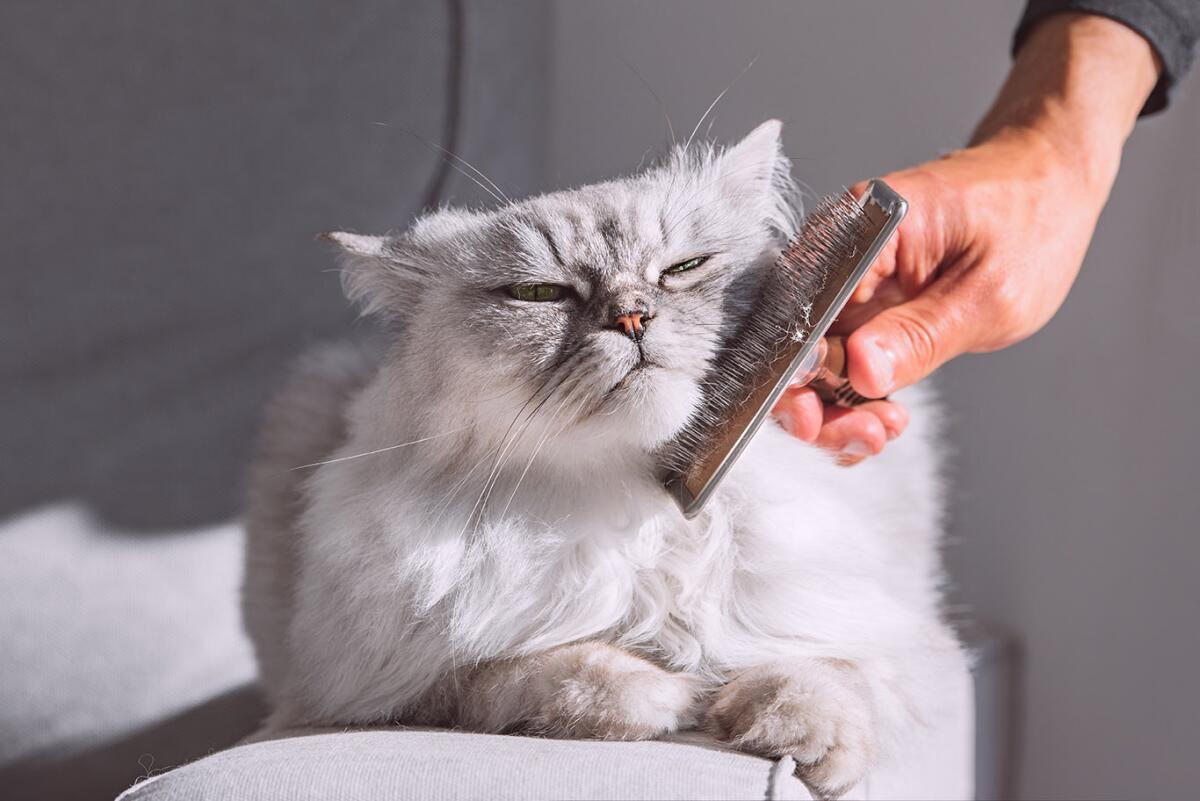
Start by using a wide-tooth comb or a soft-bristle brush designed for delicate coats. Always begin brushing at the ends of the fur, not the roots, to prevent pulling on the skin. If you encounter a tangle, hold the fur close to the skin with one hand to reduce tension, then gently work through the knot.
Have you noticed your cat flinching during brushing? That’s a sign to slow down and switch tools if needed. Using a detangling spray made for pets can also ease the process and reduce discomfort.
Frequency Of Brushing
Curly hair cats don’t require daily brushing like some long-haired breeds, but regular care is still essential. Aim for brushing two to three times a week to keep mats from forming and distribute natural oils evenly.
If your cat spends a lot of time outdoors or sheds heavily, increase the frequency. Watch your cat’s behavior—if they start scratching more or their coat looks dull, it might be time to brush more often.
Handling Mats And Knots
Mats need special attention because they can pull at the skin and cause pain. Use your fingers to gently loosen small mats before brushing. For tougher knots, a mat splitter or a dematting comb can be effective tools.
Never pull hard on mats; it can hurt your cat and damage their fur. If a mat is too tight or close to the skin, consider seeking professional grooming help to avoid injury. How do you handle mats without stressing your cat? Patience and calmness make a big difference.
Bathing Tips
Bathing a curly hair cat requires gentle care to keep its unique coat healthy. Proper bathing helps remove dirt and oils without damaging curls. Use products and techniques made for sensitive fur. Keep your cat calm during the bath to reduce stress. Follow these bathing tips to maintain your cat’s curly coat in top shape.
Choosing The Right Shampoo
Select a shampoo made for cats with sensitive skin. Avoid harsh chemicals and fragrances. Look for moisturizing ingredients like aloe vera or oatmeal. These help keep curls soft and reduce irritation. Never use human shampoo. It can dry out your cat’s skin and fur.
Bathing Steps For Curly Fur
- Brush your cat gently before the bath to remove loose fur.
- Fill a sink or tub with warm water, not hot.
- Wet your cat’s fur slowly, avoiding the face and ears.
- Apply shampoo and massage it gently into the curls.
- Rinse thoroughly to remove all shampoo residue.
- Use a cup or gentle spray to avoid startling your cat.
Drying Methods
Pat your cat dry with a soft towel. Avoid rubbing, which can tangle curls. Use a blow dryer on low heat only if your cat tolerates it. Keep the dryer moving and hold it at a distance. Let your cat air dry in a warm, draft-free room. Brushing after drying helps keep curls defined and soft.
Trimming And Styling
Trimming and styling a curly hair cat involves gentle detangling and regular grooming. Use a wide-tooth comb to manage curls effectively. Regular trims keep the coat healthy and reduce matting.
Grooming a curly-haired cat can be a delightful challenge, especially when it comes to trimming and styling. Their unique curls require special attention to ensure they remain healthy and tangle-free. Let’s dive into the essentials of trimming and styling your curly-haired feline to keep them looking fabulous.When To Trim
Timing is everything when it comes to trimming your cat’s curly coat. Regular trims help prevent matting, which can be painful for your pet. Aim to trim every 6-8 weeks, but always adjust based on the growth rate of your cat’s hair. Pay attention to their fur; if you notice tangles or knots forming, it might be time for a trim.Trimming Tools
Having the right tools can make all the difference. Invest in high-quality grooming scissors and a comb specifically designed for cats. A wide-tooth comb works wonders for detangling curls without pulling. Clippers can be used for more extensive trims, but always ensure they are quiet and pet-friendly to avoid startling your cat.Maintaining Natural Curls
Preserving those beautiful natural curls requires some care. Use a leave-in conditioner designed for cats to keep the curls hydrated and soft. Regularly brushing with a gentle brush will help maintain curl definition and prevent mats. Consider what routine works best for your cat’s comfort and coat health. Grooming can be a bonding experience for you and your cat. How can you make grooming a positive experience for both of you? It might be as simple as finding a cozy spot and rewarding your cat with treats.Health And Skin Care
Proper health and skin care is essential for curly-haired cats. Their unique fur type needs special attention to stay clean and healthy. Regular care helps prevent skin problems and keeps their coat soft and shiny. Healthy skin supports overall well-being and comfort for your pet.
Checking For Skin Issues
Look closely at your cat’s skin during grooming. Check for redness, bumps, or flakes. Watch for signs of itching or hair loss. These can indicate allergies or infections. Early detection allows quick treatment. Use a soft brush to part the fur gently. This exposes the skin for a better view.
Moisturizing Curly Fur
Curly fur can become dry and tangled easily. Use a pet-safe moisturizer or conditioner to keep fur soft. Apply sparingly to avoid greasiness. Focus on areas with tight curls or dryness. Moisturizing prevents breakage and enhances curl definition. Regular moisturizing keeps the coat flexible and healthy.
Diet And Hydration
Good nutrition supports skin and fur health. Provide a balanced diet rich in omega-3 and omega-6 fatty acids. These nutrients help reduce dryness and inflammation. Ensure your cat drinks plenty of fresh water daily. Proper hydration keeps the skin supple and fur shiny. Healthy eating and water intake improve overall coat quality.
Professional Grooming Services
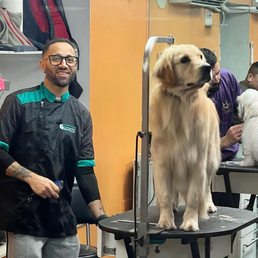
Professional grooming services can make a significant difference in maintaining the health and beauty of your curly-haired cat. These experts understand the unique needs of curly coats, which often require special care to prevent matting and skin issues. Trusting a professional can save you time and reduce stress for both you and your feline friend.
When To Visit A Groomer
Knowing the right time to take your curly-haired cat to a groomer is crucial. If you notice tangled fur that you can’t easily comb out or your cat starts to scratch more than usual, it’s time for a visit. Regular visits every 6 to 8 weeks help keep the coat manageable and the skin healthy.
Sometimes, your cat’s behavior can signal the need for professional grooming. Are they hiding or acting irritated when you try to brush their fur? These signs often point to discomfort caused by knots or skin irritation that require expert attention.
Choosing The Right Groomer
Not all groomers have experience with curly-haired cats, so selecting the right one is important. Look for professionals who specialize in or have positive reviews for handling curly coats and sensitive skin. Ask about their grooming techniques to ensure they use gentle tools and avoid harsh chemicals.
Visiting a groomer who understands curly fur means your cat will get the proper attention without added stress. It’s worth asking if they offer a trial session or consultation to see how your cat responds to their care.
What To Expect
When you bring your curly-haired cat to a professional groomer, expect a thorough examination of the coat and skin first. The groomer will gently detangle knots, trim overgrown fur, and may give a bath using specialized shampoos tailored for curly fur.
Most groomers also check for any skin problems or signs of discomfort that you might have missed. They often provide advice on how to maintain your cat’s coat between visits, making your home grooming easier and more effective.
Frequently Asked Questions
How Often Should I Groom A Curly Hair Cat?
Curly hair cats need grooming once or twice a week. Regular brushing prevents mats and tangles. It also keeps their coat healthy and clean.
What Tools Are Best For Grooming Curly Hair Cats?
Use a wide-tooth comb and a soft-bristle brush. These tools gently detangle and remove loose hair without damaging curls. Avoid harsh brushes to protect their delicate fur.
Can I Bathe My Curly Hair Cat Regularly?
Yes, but limit baths to once a month. Use a gentle, cat-specific shampoo to avoid skin dryness. Regular baths help maintain coat cleanliness and curl definition.
How Do I Prevent Mats In Curly Hair Cats?
Brush your cat’s coat regularly to prevent mats. Pay extra attention to areas like behind ears and under legs. Use detangling spray if mats start to form.
Conclusion
Grooming a curly hair cat takes patience and gentle care. Use a soft brush to avoid pulling their fur. Regular brushing stops mats and keeps curls neat. Bathing should be rare and mild to protect their skin. Watch for signs of discomfort or skin issues.
A healthy diet also helps keep their coat shiny. Spend time with your cat during grooming to build trust. Happy curls mean a happy cat. Keep these tips in mind for smooth, tangle-free fur every day.

Leave a Reply