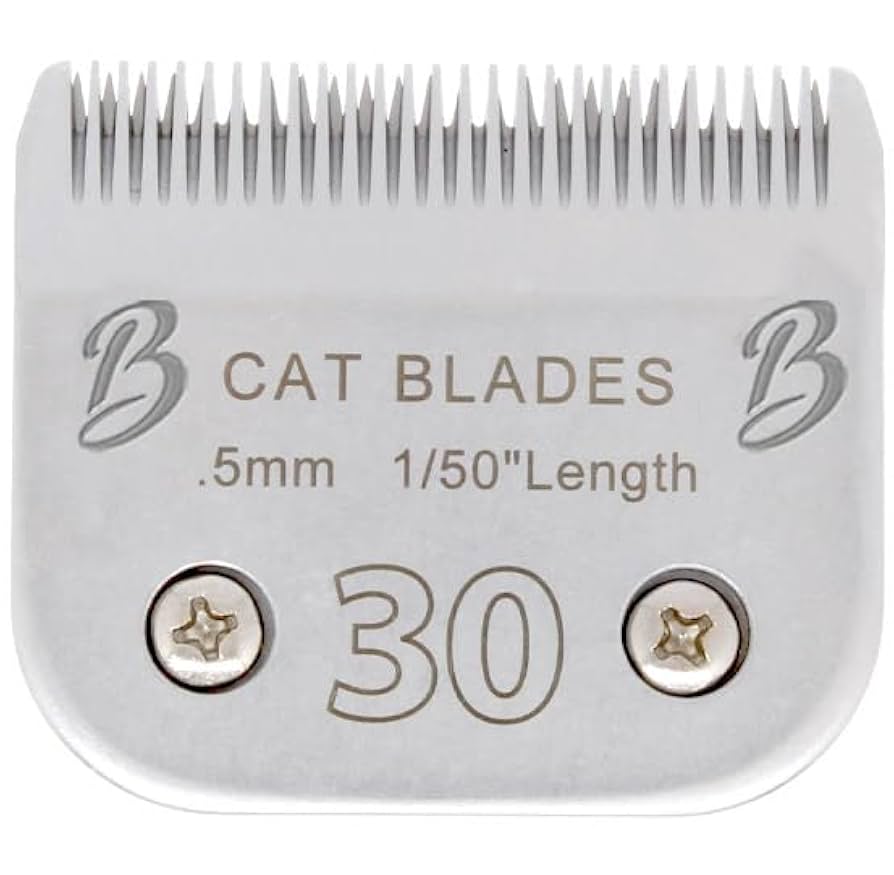
Choosing the right size cat blades for grooming your furry friend can make all the difference in keeping your cat comfortable and looking great. If you’ve ever struggled with clippers that pull or miss patches, you’re not alone.
Getting the blade size just right ensures a smooth, gentle trim every time. You’ll discover which blade sizes work best for different types of cat fur and grooming needs. By the end, you’ll feel confident picking the perfect blade to make grooming easier for both you and your cat.
Keep reading to find out how to make grooming a breeze!
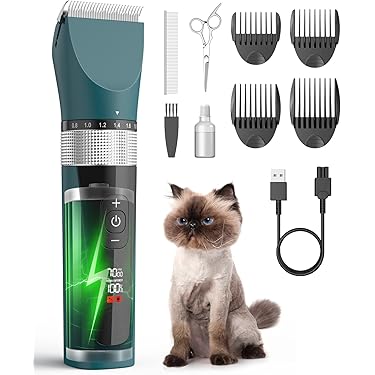
Credit: www.amazon.com
Cat Grooming Basics
Understanding the basics of cat grooming is essential before choosing the right size cat blades. Grooming is more than just keeping your cat looking good; it impacts their health and comfort. Knowing the essentials helps you pick tools that match your cat’s coat type and grooming needs.
Importance Of Proper Grooming
Proper grooming keeps your cat’s coat clean and free from mats that can cause pain. It also reduces shedding and helps spot skin problems early. Grooming sessions create bonding time, making your cat feel safe and cared for.
Have you noticed how your cat behaves differently after a grooming session? That relaxed, happy feeling comes from removing dirt and tangles that irritate their skin.
Common Grooming Challenges
Many cat owners face challenges like dealing with thick fur, sensitive skin, or an anxious cat during grooming. Mats can be tough to remove without the right blade size, which can make your cat uncomfortable. Some cats resist grooming, so patience and gentle handling are key.
Choosing the wrong blade size can lead to pulling or cutting too close, causing stress or injury. What issues have you faced while grooming your cat? Understanding these challenges can guide you to better grooming tools and techniques.
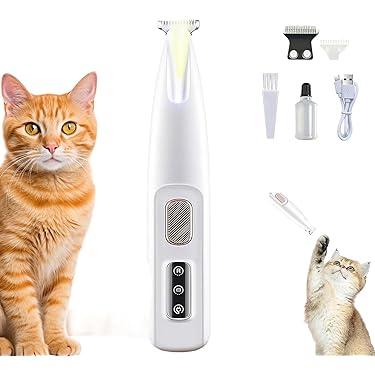
Credit: www.amazon.com
Types Of Cat Blades
Choosing the right type of cat blade is essential for a smooth grooming session. Different blades serve different purposes, so knowing your options helps you achieve the best results for your cat’s coat. Let’s look at the main types of cat blades and what makes each one unique.
Blade Materials
Cat blades come in various materials, each affecting durability and sharpness. Stainless steel is the most common choice. It stays sharp longer and resists rust, which is great if you groom frequently.
Carbon steel blades are sharper initially but require more maintenance. They can rust if not dried properly, so you need to care for them carefully. Ceramic blades are less common but offer a cooler grooming experience, reducing the risk of overheating your cat’s skin.
Think about how often you groom and how much time you want to spend on blade maintenance. Would you prefer a blade that stays sharp longer or one that’s easier to sharpen yourself?
Blade Styles
Blade styles differ mainly in tooth size and shape, which determines how much fur they cut. For example, a 10 blade cuts very close to the skin, ideal for sanitary trims or dealing with matted fur. Meanwhile, a 15 blade leaves a bit more length, perfect for general grooming without shaving your cat too close.
There are also wide blades designed to cover more surface area quickly, saving time on larger cats. Narrow blades offer precision for delicate areas like around the face and paws.
- 10 Blade:Very close cut, great for mats and sanitary areas.
- 15 Blade:Leaves a short but safe length of fur.
- Wide Blades:Fast grooming on bigger cats.
- Narrow Blades:Detailed work around sensitive spots.
What areas of your cat’s body do you find hardest to groom? Choosing the right blade style can make those spots easier to handle.
Choosing The Right Blade Size
Choosing the right blade size is key to grooming cats safely and effectively. The blade size affects how close the cut will be and how comfortable your cat feels during grooming. Picking the correct size helps avoid skin cuts and keeps the cat’s coat healthy. Understanding blade sizes and their uses makes grooming easier for both you and your pet.
Blade Size Numbers Explained
Blade sizes are shown as numbers. Lower numbers mean a closer cut. Higher numbers leave more hair on the cat.
- Blade 10 cuts very close, about 1/16 inch of hair left.
- Blade 7 leaves about 1/8 inch of hair.
- Blade 5 leaves 1/4 inch of hair.
- Blade 4 leaves about 3/8 inch of hair.
Each size serves different grooming needs. Knowing these numbers helps pick the right blade for each cat.
Factors Influencing Blade Choice
Several things affect which blade you should use. The cat’s coat condition matters. Matted or thick fur needs a different blade than smooth fur. The cat’s skin sensitivity plays a role. Some cats have thin skin and need gentler cuts. The grooming goal matters too. Are you trimming for health or style? The blade size changes with purpose.
Coat Types And Corresponding Blades
Coat type guides the blade size choice. Thin or short hair can handle close blades like 10 or 7. Thick or long fur needs bigger blades like 5 or 4. Matted fur may need a wide blade to avoid pulling. Sensitive or older cats often do better with higher numbers for gentle grooming.
| Coat Type | Recommended Blade Size |
|---|---|
| Short, Fine Hair | 10 or 7 |
| Medium, Dense Hair | 5 |
| Long, Thick Hair | 4 or wider |
| Matted or Sensitive Skin | 7 or higher |
Recommended Blade Sizes For Cats
Choosing the right blade size for grooming cats is crucial. It ensures their comfort and safety. Different cat coat types need different blade sizes. Let’s dive into the recommended blade sizes for various cat coats.
Short Hair Cats
Short-haired cats need a gentle touch. Use a 10 blade for them. It trims the fur without cutting too close. This blade size is safe and effective. It maintains the cat’s natural coat length.
Long Hair Cats
Long-haired cats require careful grooming. A 7F blade works well for them. It helps manage their lengthy fur. This size trims efficiently without causing discomfort. It keeps their coat manageable and neat.
Matted Or Thick Coats
Matted or thick coats need special care. Use a 5 or 7 blade for these. These blades cut through dense fur easily. They help remove mats and tangles. This size ensures a smooth grooming experience.
Blade Maintenance Tips
Proper blade maintenance keeps your cat grooming tools sharp and safe. Well-maintained blades reduce pulling and skin irritation during grooming. Regular care extends blade life and improves cutting performance.
Cleaning And Sharpening
Clean blades after each grooming session. Remove hair and dirt with a small brush or cloth. Use blade wash or rubbing alcohol to disinfect blades. Dry blades completely to prevent rust.
Sharpen blades regularly to maintain sharp edges. Use a professional sharpening service or a sharpening stone made for clipper blades. Avoid over-sharpening, which can damage blades. Properly sharpened blades cut smoothly and protect your cat’s skin.
Blade Replacement Signs
Check blades for dullness or rough edges. Dull blades pull hair instead of cutting it cleanly. Notice if your cat shows signs of discomfort during grooming. Look for rust, chips, or bent teeth on the blade.
Replace blades if they cause pulling or snagging. Worn blades increase grooming time and discomfort. Keep spare blades handy to switch out when needed. Fresh blades ensure a gentle grooming experience.
Safety Tips For Grooming With Blades
Grooming cats with blades requires special care to ensure their safety and comfort. Using the right blade size is important, but handling the blades safely is just as crucial. Taking simple safety steps can prevent injuries and make grooming a calm experience for your cat.
Preventing Cuts And Injuries
Choose the correct blade size for your cat’s fur type. Smaller blades are sharper and cut closer, so use them carefully. Keep the blades clean and sharp to avoid pulling fur or causing skin irritation. Always check the blade temperature; blades can get hot during use and may burn your cat’s skin. Move the blades gently and avoid pressing too hard on the skin. Trim in the direction of hair growth to reduce the risk of cuts. Take breaks often to check your cat’s skin for any signs of redness or cuts.
Keeping Cats Calm
Start grooming in a quiet, comfortable space. Speak softly and move slowly to avoid startling your cat. Use treats and gentle petting to reward calm behavior. Let your cat get used to the sound and feel of the blades before starting. Take short grooming sessions rather than long ones to keep your cat relaxed. If your cat shows signs of stress, stop and try again later. A calm cat is safer to groom and reduces the chance of accidents.
Alternatives To Blade Grooming
Blade grooming is a popular choice for many cat owners, but it’s not the only way to keep your feline’s coat neat and healthy. If you’re unsure about using blades or if your cat has sensitive skin, there are other grooming options that might suit you better. These alternatives can provide a gentler experience while still maintaining your cat’s appearance and comfort.
Scissors And Clippers
Scissors and clippers offer more control and precision compared to blades. You can trim around sensitive areas like the face, paws, and tail without risking cuts or irritation. Using scissors allows you to shape your cat’s fur more carefully, especially if your pet has a delicate coat or skin issues.
Clippers with adjustable guards are also useful for a safe trim. They reduce the risk of cutting too close to the skin. Have you tried using clippers with different guard sizes to find the perfect length for your cat’s fur? It’s a simple way to keep your grooming sessions stress-free for both you and your pet.
Professional Grooming Services
If you’re worried about hurting your cat or just don’t have the time, professional groomers can be a great option. Experts understand cat behavior and know how to handle anxious or squirmy pets. They also have specialized tools that might not be available to you at home.
Taking your cat to a groomer can also give you ideas for at-home care. Watching a pro work might teach you new techniques and tricks. Have you considered scheduling a session just to learn and ask questions? It could make your own grooming routine easier and safer.

Credit: www.amazon.com
Frequently Asked Questions
What Size Cat Blade Is Best For Thick Fur?
For thick fur, size 10 or 7F blades work best. They cut close without hurting your cat’s skin. These sizes handle dense coats easily.
Which Blade Size Suits Sensitive Cat Skin?
A size 15 blade is ideal for sensitive skin. It cuts hair gently and reduces the risk of nicks or irritation during grooming.
How To Choose Blade Size For Cat Grooming?
Select blade size based on fur type and desired cut length. Longer blades suit thick fur; shorter blades work for fine fur.
Can I Use Human Clipper Blades On Cats?
Human clipper blades are not recommended for cats. Cat blades are designed specifically to handle feline fur and skin safely.
Conclusion
Choosing the right cat blade size makes grooming easier and safer. Smaller blades cut close to the skin, best for mats or thick fur. Larger blades leave more hair, good for sensitive or thin coats. Always match blade size to your cat’s fur type and grooming needs.
Keep blades sharp and clean for smooth cuts. Proper blade choice helps your cat feel comfortable during grooming. Try different sizes until you find what works best. Grooming becomes quicker and less stressful for both you and your cat. Simple tools make a big difference in cat care.

Leave a Reply