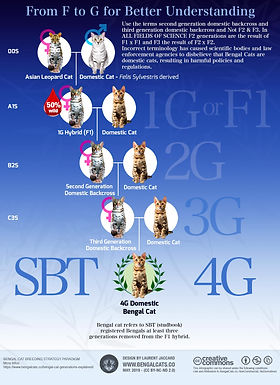
Are you curious about the different F levels of Bengal cats and what that means when you’re buying from a breeder? Understanding these levels can help you make a smart choice and bring home a healthy, beautiful Bengal cat.
But what exactly is an F level, and which ones can reputable breeders sell? Keep reading to discover the key facts that will guide you in finding the perfect Bengal cat for your home. You’ll learn what to look for and why it matters to you and your new furry friend.
Bengal Cat Generations
Bengal cats have different generations, known as F levels. These levels show how far a Bengal is from its wild ancestors, the Asian leopard cats. Each generation affects the cat’s look, behavior, and health.
Understanding Bengal cat generations helps buyers know what to expect. Breeders use these F levels to classify Bengals. This guide explains what these levels mean and how F1 to F5 Bengals differ.
What F Levels Mean
“F” stands for “Filial,” which means the generation of the Bengal cat. It shows the number of generations since the cat’s wild parent. For example, an F1 Bengal has one wild Asian leopard cat parent. An F2 has a wild grandparent, and so on.
Lower F levels are closer to wild cats. Higher F levels look more like domestic cats. Each step reduces the wild traits and increases domestic cat features.
Differences Between F1 To F5
| F Level | Wild Ancestry | Appearance | Behavior | Suitability as Pets |
|---|---|---|---|---|
| F1 | One wild parent (50% wild) | Very wild look, large spots | High energy, shy, can be aggressive | Not ideal for most homes |
| F2 | Wild grandparent (25% wild) | Wild features softening | Still active, less aggressive | Better but needs experienced owners |
| F3 | Wild great-grandparent (12.5% wild) | More domestic look | Friendly, playful | Suitable for many homes |
| F4 | Wild ancestor four generations back (6.25% wild) | Mostly domestic appearance | Calm and social | Good pet choice |
| F5 | Wild ancestor five generations back (3.125% wild) | Fully domestic look | Even temper, easy to train | Ideal for most families |
Breeder Regulations
Breeder regulations play a crucial role in maintaining the quality and health of Bengal cats sold to new owners. These rules help protect both the animals and buyers. Breeders must follow strict guidelines on which F level Bengals they can offer. Understanding these regulations ensures responsible breeding and safe sales.
Legal Restrictions On Sales
Many countries and states have laws that control the sale of Bengal cats. These laws often limit the sale of certain F level Bengals, especially those closer to wild ancestors. For example, early generation Bengals like F1 or F2 may require special permits or be banned. These rules help prevent risks related to behavior and health.
Breeders must register their cats with recognized associations. They must also provide proper documentation to buyers. This includes health certificates and proof of lineage. Following these laws ensures buyers receive healthy, legal pets.
Ethical Breeding Practices
Ethical breeders focus on the welfare of Bengal cats. They avoid selling Bengals with very high wild content to pet owners. These early generation Bengals can have unpredictable traits and need experienced care. Responsible breeders only sell Bengals that are well-socialized and suitable for home life.
Breeders prioritize health testing and genetic screening. This reduces the risk of hereditary diseases. They also ensure proper living conditions and socialization for kittens. Ethical breeding helps maintain the Bengal breed’s reputation and supports happy, healthy pets for families.
Health Considerations
Health considerations play a crucial role when deciding which F level of Bengal cat a breeder can sell. Understanding the potential risks and preventive measures ensures you bring home a healthy, happy companion. Paying attention to these factors protects both the cat’s well-being and your peace of mind.
Genetic Testing Importance
Genetic testing helps identify hidden health risks before breeding or selling a Bengal cat. Responsible breeders test for inherited diseases to reduce the chance of passing problems to kittens.
Without genetic testing, you might end up with unexpected health issues that could have been avoided. Have you ever wondered how much peace of mind comes from knowing your Bengal’s genetic background is clear?
Tests often include screening for conditions like Progressive Retinal Atrophy (PRA) and Hypertrophic Cardiomyopathy (HCM). A breeder who shares these test results openly shows commitment to your cat’s long-term health.
Common Health Issues In Bengals
Bengal cats are generally healthy, but some conditions appear more frequently in this breed. You should watch out for signs of:
- Hypertrophic Cardiomyopathy (HCM)– a heart condition that can cause sudden health decline.
- Progressive Retinal Atrophy (PRA)– leading to vision loss over time.
- Patellar Luxation– a knee joint issue that affects movement.
- Pyruvate Kinase Deficiency (PKD)– a blood disorder resulting in anemia.
Recognizing these issues early can make a big difference. Would you feel more confident choosing a breeder who monitors these conditions regularly?
When you ask breeders about health guarantees and screening, you’re protecting your future Bengal. Always request proof of health checks and ask about the cat’s family history to avoid surprises down the road.

Credit: lapa.shop
Choosing The Right F Level
Breeders usually sell Bengal cats with specific F levels that show their generation. Choosing the right F level helps ensure the cat’s quality and health. Knowing these levels guides buyers to make a better choice.
Choosing the right F level of a Bengal Cat is crucial. It determines the cat’s behavior and compatibility with families. Breeders usually sell Bengals ranging from F1 to F5. Each level offers unique traits and temperaments. Understanding these differences helps in making an informed decision.Suitability For Families
F3 to F5 Bengals are often ideal for families. These generations are more domesticated. They adapt well to home environments. They are friendly and playful with children. Their energy levels are manageable for most households. F1 and F2 Bengals might need experienced owners. They have wilder traits and higher energy.Temperament By Generation
The temperament of Bengal cats varies by generation. F1 Bengals have a strong wild instinct. They require more attention and training. F2 Bengals are slightly more relaxed but still active. F3 Bengals start showing more domestic traits. They are sociable and enjoy human interaction. F4 and F5 Bengals are very affectionate. They are excellent companions for families and individuals alike.Buying From Reputable Breeders
Buying from reputable breeders ensures you receive a healthy Bengal cat with a clear background. These breeders follow ethical practices and care about the cat’s welfare. They provide detailed information about the cat’s lineage and health history. Choosing a trusted breeder reduces risks of health issues and behavioral problems. It also supports responsible breeding practices that protect the breed’s integrity.
Questions To Ask Breeders
- What is the cat’s F level or generation?
- Can you provide health clearances for the parents?
- Are the kittens socialized and raised in a home environment?
- What vaccinations and treatments have the kittens received?
- Do you offer a health guarantee or return policy?
- Can I meet the kitten’s parents or see their photos?
- How do you select breeding pairs?
- Are the cats registered with any official cat associations?
Verifying Cat Lineage
Verifying the Bengal cat’s lineage confirms its F level and purity. Request official documents like pedigrees and registration papers. These papers should list the cat’s ancestors and their generations. Check for recognized breed associations such as TICA or CFA. Authentic lineage helps avoid accidental inbreeding and guarantees the cat’s breed traits.
Ask the breeder to explain the meaning of the F level. This shows their knowledge and transparency. Keep copies of all documents for your records. A reputable breeder welcomes questions and provides clear proof of lineage. Trust only those who share full information and maintain open communication.
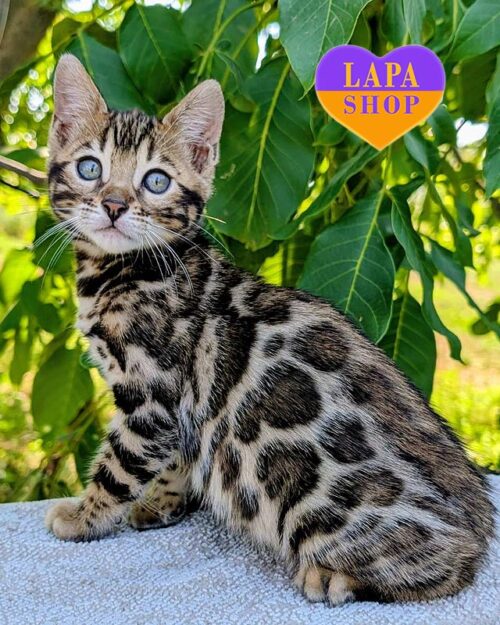
Credit: lapa.shop
Cost Differences By F Level
The cost of Bengal cats can vary widely depending on their F level, which indicates their generation from wild Asian leopard cats. Understanding these price differences can help you make an informed decision when choosing a Bengal cat that fits your budget and preferences. Let’s break down how these costs change based on the F level of the Bengal cat you’re interested in.
Price Expectations
Bengal cats closer to the wild ancestry, such as F1 or F2 generations, often come with a higher price tag. These early generations tend to have more wild traits and require specialized care, which breeders factor into the cost.
On the other hand, Bengals from F3 and beyond usually cost less because they are further removed from their wild ancestors. These cats are generally more domesticated and easier to care for, making them more accessible for typical pet owners.
Prices can range anywhere from $1,000 for higher-generation Bengals to over $5,000 or more for F1 cats. Are you ready to invest in the unique qualities that come with a closer wild lineage?
Factors Influencing Cost
- Care and Maintenance:Early generation Bengals require special diets and environments, increasing the breeder’s expenses.
- Rarity:F1 and F2 Bengals are less common, which drives their price higher.
- Health Testing:Reputable breeders invest in thorough health screenings to ensure the cat’s wellbeing, adding to the cost.
- Pedigree and Appearance:Cats with exceptional markings or from champion bloodlines often fetch premium prices.
- Breeder Reputation:Experienced breeders who focus on ethical breeding practices may charge more, but you’re paying for quality and reliability.
Knowing these factors can help you decide which F level matches your lifestyle and budget. Have you considered how much time and resources you’re willing to dedicate beyond just the initial purchase price?
Caring For Bengal Cats
Caring for Bengal cats requires attention and dedication. These cats are active and curious. They need proper care to stay happy and healthy. Bengal cats can live long, full lives with the right support. Their unique nature means they need special care in diet and activity.
Diet And Nutrition
Bengal cats need high-quality food. Protein-rich diets support their muscular build. Choose food with real meat as the first ingredient. Avoid fillers like corn and soy. Fresh water must always be available. Feeding small, frequent meals helps maintain energy. Treats should be given in moderation. Monitor their weight to prevent obesity.
Exercise And Enrichment
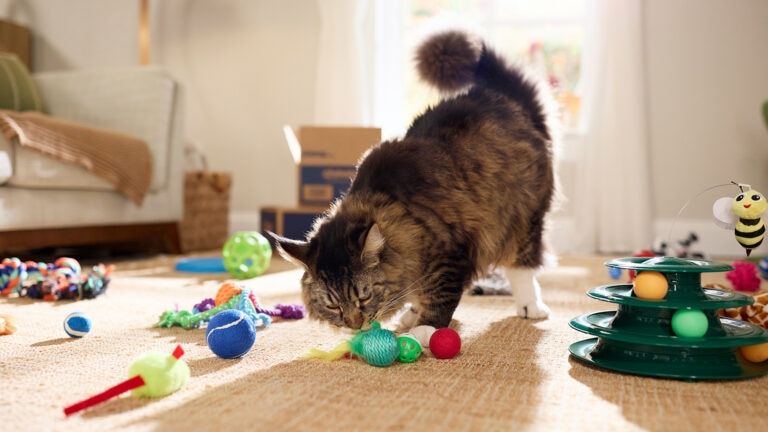
Bengal cats are very energetic and playful. They need daily exercise to stay fit. Provide toys that encourage jumping and chasing. Climbing trees or shelves satisfy their natural instincts. Interactive play strengthens the bond with your cat. Puzzle feeders keep their minds sharp. Rotate toys to keep interest high. Safe outdoor time can be beneficial if supervised.

Credit: lapa.shop
Frequently Asked Questions
What F Level Bengal Cats Can Breeders Sell?
Breeders typically sell Bengal cats from F1 to F6 generations. F1 to F3 are closer to wild traits, often more expensive. F4 and beyond are more domesticated and common for sale. Each level affects the cat’s temperament and appearance.
How Does F Level Affect Bengal Cat Price?
Lower F levels, like F1 or F2, are rarer and pricier due to wild ancestry. Higher F levels, such as F4 to F6, are more affordable. Price depends on generation, health, and breeder reputation, making F level a key pricing factor.
Are F1 Bengal Cats Suitable As Pets?
F1 Bengals retain more wild traits and need experienced owners. They require special care and can be more energetic or shy. For typical pet homes, breeders usually recommend F4 or higher generations for better temperament.
Can Breeders Sell Bengal Cats Beyond F6 Generation?
Yes, breeders can sell Bengals beyond F6, but these generations are more like regular domestic cats. The wild characteristics diminish after F6, making them easier pets but less unique in appearance and behavior.
Conclusion
Bengal cats of F level offer a good balance of quality and affordability. Breeders can sell these cats with confidence and clear knowledge. Understanding the F level helps buyers know what to expect. It ensures the cat’s health and appearance meet breed standards.
Choosing an F level Bengal means getting a strong, healthy pet. This knowledge supports better decisions for both breeders and buyers. Keep these points in mind when exploring Bengal cat options. The right F level can make all the difference.

Leave a Reply