If you have a Persian cat, you already know how beautiful and fluffy they are. But did you know that their stunning coat needs special care?
Without the right grooming, your Persian’s fur can become tangled, matted, and uncomfortable for your furry friend. You’ll discover exactly what kind of grooming your Persian cat needs to stay healthy, happy, and looking their best. Keep reading to learn simple tips that will make grooming easy and enjoyable for both you and your cat.
Persian Cat Coat Basics
The Persian cat’s coat is one of its most striking features but also demands special care. Understanding the basics of their coat will help you keep your cat comfortable and looking its best. You might be surprised by how much attention this luxurious fur requires.
Coat Characteristics
Persian cats have long, thick fur that feels silky and soft to the touch. Their coat grows densely, creating a full, fluffy appearance that many find irresistible. This thick fur also means they tend to shed more than other breeds, especially during seasonal changes.
The hair around their face and neck is particularly dense, which gives Persians their signature “mane.” Their coat colors can vary widely, from solid colors to patterns like calico and tabby. Each coat type might need slightly different grooming techniques to stay healthy.
Common Grooming Challenges
One of the biggest challenges you’ll face is preventing mats and tangles. Their long fur easily knots, especially behind the ears and under the legs. If left unchecked, these tangles can cause discomfort and skin problems.
Regular brushing is essential, but it can be time-consuming. You may find your cat is not always cooperative during grooming sessions, so patience and gentle handling make a big difference. Additionally, Persian cats are prone to oily skin, which means bathing might be necessary more often than you expect.
Have you noticed how your Persian reacts during grooming? Observing their behavior can help you adjust your routine to make it more comfortable for them. What small changes could you try to make grooming a stress-free experience for both of you?
Daily Grooming Routine
Keeping your Persian cat’s coat in top shape means committing to a daily grooming routine. This breed’s long, thick fur can easily tangle and mat, so regular care prevents discomfort and keeps your pet looking stunning. Daily grooming also strengthens your bond and lets you spot any skin issues early on.
Brushing Techniques
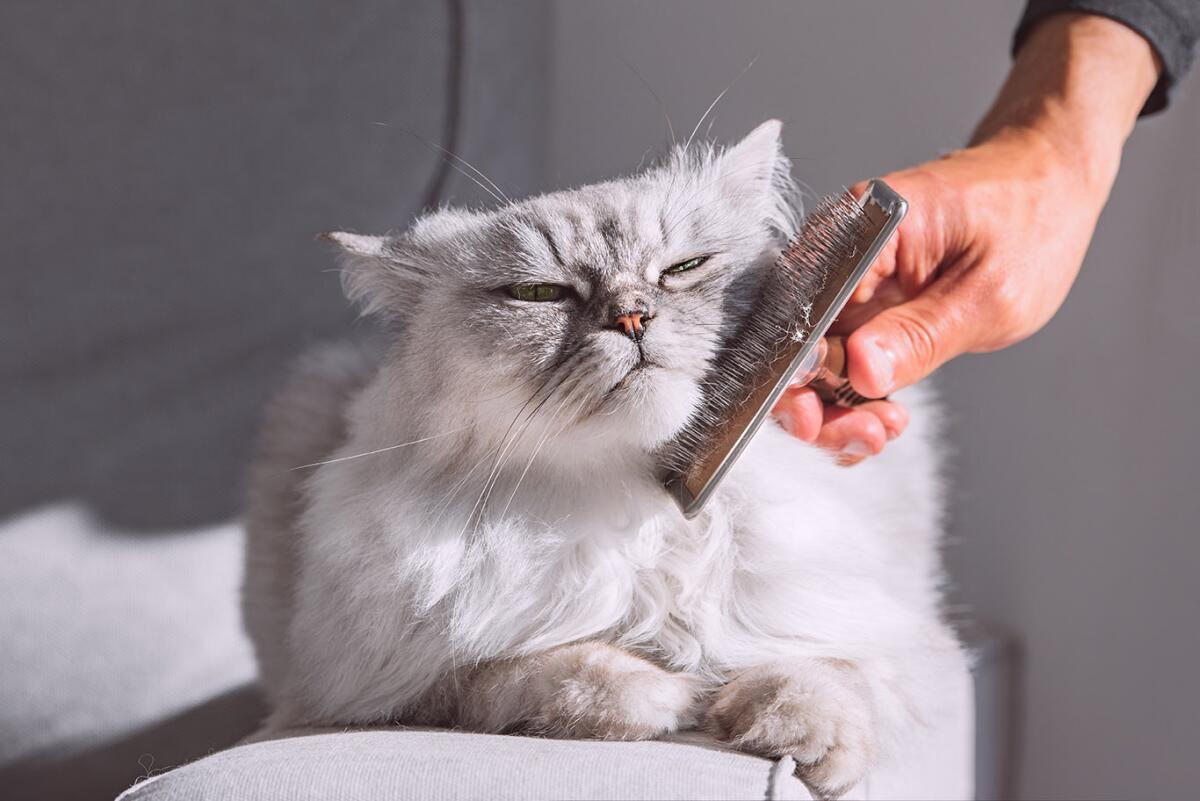
Use a wide-toothed comb first to gently detangle any loose fur and dirt. Follow up with a fine-toothed comb or a slicker brush to smooth the coat and remove smaller knots.
Brush in the direction of hair growth to avoid pulling on your cat’s skin. Pay extra attention to areas like behind the ears, under the legs, and around the neck where mats form quickly.
Keep sessions short but consistent—5 to 10 minutes daily works best. If your cat resists, try breaking grooming into smaller, more frequent sessions to keep it stress-free.
Dealing With Mats And Tangles
Mats can be painful and trap dirt or moisture, leading to skin problems. When you find a mat, don’t yank it out. Instead, hold the fur close to the skin to minimize pulling and gently work through the tangle with your fingers or a mat splitter.
If a mat won’t loosen, carefully cut it out with rounded-tip scissors, avoiding your cat’s skin. Regularly checking for mats helps you tackle them early before they become a bigger issue.
Have you noticed how your cat reacts to grooming? Adjust your technique based on their comfort to make daily care easier for both of you.
Bathing Your Persian
Bathing your Persian cat is a key part of their grooming routine. Their long fur can trap dirt and oils, making regular baths important. Bathing helps keep their coat clean and shiny. It also reduces shedding and prevents mats.
Persians usually enjoy water less than other cats. Patience and gentle handling make baths easier for both of you. Use warm water and calm your cat before starting. Always dry their coat thoroughly after the bath.
Bath Frequency
Persian cats need baths more often than short-haired cats. Bathing once every 4 to 6 weeks works well. This schedule keeps their fur free from dirt and oils. Too frequent baths can dry out their skin. Too few baths let oils build up and cause mats.
Between baths, use a damp cloth to clean their face and paws. Brushing daily also helps reduce dirt and loose hair. Adjust bath frequency based on your cat’s activity and coat condition.
Choosing The Right Shampoo
Select a shampoo made for cats, not humans or dogs. Cat shampoos are gentle and safe for their sensitive skin. Look for formulas that add moisture and reduce tangles.
- Use a mild, hypoallergenic shampoo to avoid irritation.
- Choose shampoos with natural ingredients like aloe or oatmeal.
- Avoid shampoos with harsh chemicals or strong fragrances.
Always rinse the shampoo out completely to prevent skin problems. Test a small amount on your cat’s skin first. Watch for any redness or itching after the bath.
Eye And Face Care
Persian cats have a unique facial structure that requires special attention to keep their eyes and face healthy. Their large, round eyes often produce tear stains, which can build up quickly if not cleaned regularly. Proper eye and face care not only helps maintain their beautiful appearance but also prevents discomfort and potential infections.
Cleaning Tear Stains
Tear stains are common in Persian cats due to their flat faces and shallow eye sockets. You can gently clean these stains using a soft, damp cloth or cotton pad soaked in warm water. Avoid using harsh chemicals or alcohol-based products, as these can irritate your cat’s sensitive skin.
Try to clean the area daily, especially after meals or naps, to prevent buildup. Using a mild, pet-safe eye wipe can make the process easier and more effective. Have you noticed your cat squinting or pawing at their eyes? Regular cleaning might reduce their irritation and discomfort.
Preventing Eye Infections
Persians are prone to eye infections because of their facial structure, which can trap debris and moisture. Keeping their face clean and dry is essential to lower this risk. You should also check their eyes regularly for redness, swelling, or unusual discharge.
If you spot any signs of infection, contact your vet promptly. They might recommend specific eye drops or treatments tailored for Persian cats. Do you know the warning signs that mean your cat needs immediate veterinary care? Staying alert can save your pet from painful complications.
Nail And Paw Maintenance
Nail and Paw Maintenance Persian cats need regular grooming to maintain their long fur and prevent matting. Their nails require trimming to avoid overgrowth, and paws should be checked for cleanliness. A gentle brush keeps their coat smooth and tangle-free.
Regular grooming ensures your Persian cat stays healthy and comfortable.
Maintaining the nails and paws of your Persian cat is an essential part of their grooming routine. Their delicate paws need regular attention to prevent discomfort and potential health issues. By keeping their nails trimmed and checking their paws regularly, you ensure your feline friend remains comfortable and happy.Trimming Nails Safely
Trimming your Persian cat’s nails might seem daunting, but with a little practice, it can become a stress-free routine. Use a pair of cat-specific nail clippers to avoid splitting the nails. Make sure to trim only the sharp tips and avoid cutting into the quick, the sensitive part of the nail that contains nerves and blood vessels. If you’re nervous about cutting too deep, opt for a gradual approach by trimming a little bit more frequently. This keeps the nails short without the risk of injury. It’s helpful to have some styptic powder on hand to stop any accidental bleeding.Checking For Paw Issues
Regular paw inspections can prevent minor issues from escalating into serious problems. Look for signs of irritation, such as redness or swelling, and check between their toes for debris or foreign objects. Sometimes, dirt or litter can get stuck in the fur between their toes, causing discomfort. A gentle cleaning with a damp cloth can help keep their paws clean and healthy. Have you ever noticed your cat licking their paws more than usual? This could be a sign of an underlying issue. It’s crucial to observe any changes in their behavior and consult your vet if you suspect a problem. Your proactive approach can make all the difference in your cat’s comfort and well-being.Diet And Health Impact
The diet of a Persian cat plays a key role in its grooming needs and overall health. Proper nutrition supports a shiny coat and healthy skin. A well-balanced diet reduces shedding and matting. It also helps prevent common skin problems that Persian cats face.
Nutrition For Healthy Fur
Protein is essential for strong, glossy fur. Cats need animal-based proteins like chicken or fish. Omega-3 and omega-6 fatty acids improve coat texture and shine. Vitamins such as A, E, and biotin promote healthy hair growth. Avoid foods with fillers or artificial additives that may harm fur quality.
Hydration And Skin Health
Water intake affects skin elasticity and moisture. Dehydration can cause dry, flaky skin and dull fur. Provide fresh water daily and consider wet cat food to increase hydration. Well-hydrated skin reduces itchiness and the risk of infections. Healthy skin means less grooming struggles and a happier cat.
Professional Grooming Needs
Persian cats demand more than just daily brushing to keep their luxurious coats in top shape. Professional grooming plays a crucial role in maintaining their health and appearance. Knowing when and why to seek expert care can save you from many common feline fur troubles.
When To Visit A Groomer
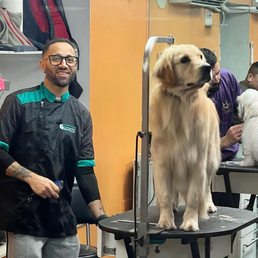
Regular visits to a professional groomer are essential, especially if your Persian cat’s coat becomes matted or tangled. If you notice your cat struggling to clean certain areas or if you spot knots forming despite your brushing efforts, it’s time for expert help.
Consider scheduling grooming sessions every 4 to 6 weeks. This frequency helps manage shedding, prevents painful mats, and keeps your cat comfortable. Also, if your Persian dislikes baths or nail trimming, a groomer can handle these tasks calmly and efficiently.
Benefits Of Professional Care
Professional groomers offer more than just a nice haircut. They spot skin issues, fleas, and infections early—problems that can easily hide under thick fur. Their experience ensures your cat’s coat stays healthy, shiny, and free of irritations.
Beyond appearance, professional grooming reduces stress on your cat. Groomers have the right tools and techniques to make the process quick and gentle. Plus, they can teach you proper grooming habits that fit your cat’s unique needs.
How often do you think your Persian truly needs a professional touch? Paying attention to your cat’s coat and comfort can guide you to the right schedule and keep your feline friend happy and healthy.
Frequently Asked Questions
How Often Should I Groom A Persian Cat?
Persian cats need daily grooming to prevent matting and tangles. Their long fur requires regular brushing to stay healthy and clean. Frequent grooming also reduces shedding and hairballs, keeping your cat comfortable and your home tidy.
What Tools Are Best For Grooming Persian Cats?
Use a wide-tooth comb and a soft bristle brush for grooming. These tools help detangle fur gently without causing discomfort. A stainless steel comb is great for removing mats and loose hairs effectively.
How Do I Prevent Matting In Persian Cats?
Daily brushing and regular grooming sessions prevent matting in Persian cats. Pay special attention to areas behind ears and under legs. Keeping the fur clean and dry also helps avoid stubborn mats and tangles.
Should Persian Cats Get Professional Grooming?
Professional grooming every few months is beneficial for Persian cats. Groomers can handle difficult mats and provide thorough cleaning. It also helps maintain coat health and reduces grooming stress for owners.
Conclusion
Caring for a Persian cat means daily brushing to avoid mats. Regular bathing keeps their coat clean and soft. Don’t forget to check their eyes and ears often. Grooming helps your cat stay healthy and happy. It also strengthens the bond between you and your pet.
Simple routines make grooming easier for both. A well-groomed Persian looks beautiful and feels great. Small efforts bring big rewards in your cat’s life.

Leave a Reply