If you have a domestic longhair cat, you know how beautiful their fluffy coat can be. But keeping that fur soft, shiny, and tangle-free takes regular grooming.
You might wonder how to make the process easy and enjoyable for both you and your cat. This guide will show you simple, effective steps to groom your longhaired feline like a pro. By the end, you’ll have the confidence to keep your cat looking great and feeling comfortable every day.
Ready to discover the secrets to perfect cat grooming? Let’s dive in!
Choosing The Right Grooming Tools
Choosing the right grooming tools is key to keeping your domestic longhair cat healthy. Good tools make brushing easier and more comfortable. They help remove tangles and loose fur without hurting your cat’s skin.
Different tools serve different purposes. Some work better for thick coats, while others help with delicate areas. Picking the right ones saves time and keeps your cat happy during grooming.
Brushes And Combs For Longhair Cats
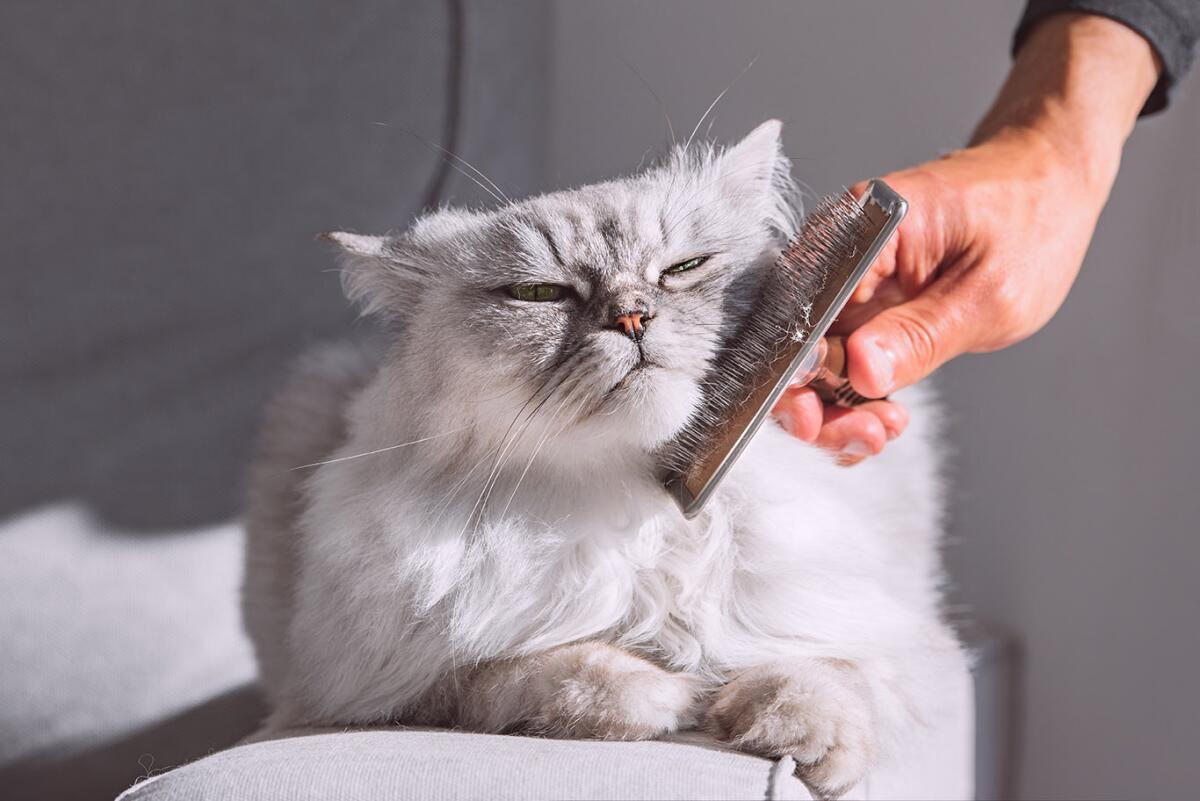
Use a slicker brush to remove mats and loose hair gently. It has fine wires that reach deep into the fur. A wide-tooth comb helps detangle knots without pulling the fur.
A pin brush is soft and good for daily grooming. It smooths the coat and spreads natural oils. Choose brushes with rounded tips to protect your cat’s skin.
Additional Grooming Supplies
- Mat splitter or dematting tool to cut through tough tangles
- Grooming gloves for a gentle massage and hair removal
- Scissors with rounded tips for trimming fur safely
- Pet wipes to clean paws and face between grooming sessions
- Nail clippers designed for cats to keep claws short and safe
Having these tools handy helps maintain your cat’s coat and overall health. Regular grooming prevents hairballs and skin problems. It also strengthens your bond with your furry friend.
Establishing A Grooming Routine
Creating a regular grooming routine helps keep your Domestic Longhair cat healthy. It reduces mats, tangles, and shedding. A good routine also builds trust between you and your cat. Consistency makes grooming easier and less stressful for both of you.
Frequency Of Brushing
Brush your cat’s coat at least three times a week. Longhair cats need more frequent brushing than shorthaired ones. Daily brushing is best during heavy shedding seasons. Regular brushing stops hairballs and skin problems. Use a gentle brush to avoid hurting your cat’s skin.
Best Time For Grooming Sessions
Choose a quiet time when your cat is calm. After a nap or meal is usually a good time. Keep sessions short, around 5 to 10 minutes. Watch your cat’s body language to avoid stress. Praise and pet your cat during and after grooming.
Brushing Techniques For A Tangle-free Coat
Brushing your domestic longhair cat regularly is key to keeping their coat soft, shiny, and free of tangles. Effective brushing techniques help prevent mats before they form, making grooming a pleasant experience for both you and your cat. Let’s focus on how to brush in a way that protects your cat’s delicate fur and skin while maintaining a tangle-free coat.
Detangling Knots Safely
Start by gently feeling your cat’s fur for any knots or mats. Use your fingers to loosen small tangles before brushing. If you find a stubborn knot, don’t pull hard—this can hurt your cat and cause skin irritation.
Use a wide-toothed comb or a dematting tool designed for longhair cats. Work slowly through the knot, starting from the edges and moving inward. If the mat is too tight, try applying a bit of conditioner or detangling spray safe for cats to soften the hair.
Remember, patience is crucial. Your calm approach helps your cat stay relaxed and cooperate during grooming. Have you noticed how gentle handling can transform a dreaded brushing session into bonding time?
Handling Sensitive Areas
Some parts of your cat’s body need extra care during brushing, like behind the ears, under the legs, and around the belly. These areas have thinner skin and are more prone to discomfort.
Use a softer brush or your fingers to carefully work through these spots. Watch your cat’s body language—if they seem tense or try to move away, pause and try again later. Your cat will appreciate your respect for their comfort.
Try breaking grooming into short sessions if your cat is sensitive. Even a few minutes daily can prevent mats and keep your cat happy. What small change can you make today to improve your cat’s grooming routine?
Bathing Tips For Domestic Longhairs
Bathing a domestic longhair cat needs care and patience. Their thick fur can trap dirt and oils. A proper bath helps keep their coat clean and healthy. It also reduces shedding and matting. Bathing should be gentle to avoid stress for your cat.
When And How To Bathe
Bath your cat only when necessary. Overbathing can dry their skin. Choose a warm day for bathing. Brush your cat before the bath to remove loose fur. Use a sink or small tub with a few inches of warm water. Wet your cat slowly and speak softly to calm them. Apply shampoo gently, avoiding eyes and ears. Rinse well to remove all soap. Dry your cat with a soft towel and keep them warm afterward.
Choosing Cat-friendly Shampoos
Select shampoos made specifically for cats. These are safe and gentle on their skin. Avoid human or dog shampoos as they can irritate your cat. Look for shampoos that moisturize and reduce shedding. Fragrance-free or mild-scented products work best. Check ingredients to avoid harsh chemicals or allergens. A good shampoo helps keep your cat’s fur shiny and soft.
Maintaining Healthy Skin And Fur
Regular brushing prevents mats and keeps your Domestic Longhair cat’s fur soft and shiny. Bathing occasionally and checking for skin issues help maintain healthy skin and fur. Gentle grooming also strengthens the bond between you and your pet.
Maintaining the healthy skin and fur of a Domestic Longhair cat requires diligence. Their luxurious coats demand regular attention to prevent matting and skin issues. Proper care ensures your feline friend remains comfortable and radiant. Let’s explore key aspects that contribute to their well-being.Diet And Hydration Impact
A balanced diet plays a vital role in skin and fur health. Ensure your cat receives high-quality protein and essential fatty acids. Omega-3 and Omega-6 fatty acids support a shiny, healthy coat. Fresh water is equally important. Proper hydration keeps skin supple and reduces fur shedding. Offer water in multiple locations to encourage regular drinking.Preventing Hairballs
Domestic Longhair cats are prone to hairballs due to their thick coats. Regular grooming helps reduce shedding and hairball formation. Use a slicker brush to remove loose fur. Groom your cat at least three times a week. This practice minimizes ingested hair. Offering hairball control treats can also aid digestion. These treats help your cat pass hair naturally.Dealing With Common Grooming Challenges
Grooming a Domestic Longhair cat can present unique challenges. Their thick coats require special care to stay clean and healthy. Some common issues include shedding and matting. Addressing these problems early helps keep your cat comfortable and looking great.
Managing Shedding
Longhair cats shed more than short-haired cats. Daily brushing reduces loose fur around your home. Use a wide-tooth comb or slicker brush to catch dead hair. Brushing also spreads natural oils that keep the coat shiny.
Bathing your cat occasionally helps remove extra fur. Choose a gentle shampoo made for cats. Always dry your cat thoroughly to prevent skin problems. Keep your cat’s diet rich in omega fatty acids. Healthy skin means less shedding.
Handling Matting Problems
Mats form when fur tangles and knots tightly. They can cause pain and skin irritation. Check your cat’s coat regularly, especially behind ears and under legs. Use a detangling spray to soften mats before brushing.
Gently work out small mats with your fingers or a comb. For large mats, trim carefully with scissors or clippers. Avoid cutting too close to the skin. If mats are severe, visit a professional groomer to prevent injury.
Using Supplements For Coat Health
Using supplements can support your Domestic Longhair cat’s coat health. A shiny, soft coat shows your cat is healthy. Supplements help fill gaps in their diet. They can improve skin condition and reduce shedding. Choosing the right supplements makes grooming easier and more effective.
Vitamins And Oils
Vitamins like A, E, and B-complex are vital for healthy fur. They help skin repair and hair growth. Fish oils and flaxseed oils provide omega-3 and omega-6 fatty acids. These oils reduce dryness and itching. They also add shine to your cat’s coat. You can find these in capsules or liquid form.
- Vitamin A supports skin cell health
- Vitamin E acts as an antioxidant
- B vitamins promote hair growth
- Omega-3 and Omega-6 improve coat softness
Consulting Your Veterinarian
Always talk to your veterinarian before adding supplements. They check if your cat needs specific nutrients. The vet can suggest safe brands and correct dosages. Some supplements may cause allergies or interact with medications. Regular check-ups keep your cat’s coat in top condition. Trust professional advice for the best results.
Signs Of Grooming-related Health Issues
Watch for bald spots, redness, or swelling on your cat’s skin. Changes in behavior, like excessive scratching or grooming, may signal health problems. Regular checks help spot issues early for a happy, healthy longhair cat.
Grooming your Domestic Longhair cat is more than just a bonding activity; it’s crucial for their health and well-being. However, improper grooming can lead to health issues that you need to watch out for. Recognizing these signs early can prevent minor problems from turning into major concerns.Skin Irritations And Allergies
Keep an eye out for red, inflamed patches on your cat’s skin. These can indicate an allergic reaction to grooming products or tools. If you notice your cat constantly scratching or licking a specific area, it’s time to investigate further. Cats can also develop hot spots—painful areas where they have over-groomed due to irritation. Regularly check under their dense fur for any signs of sores or rashes. If you find any, consider switching to hypoallergenic grooming products.When To Seek Professional Help
Sometimes, despite your best efforts, you might need expert advice. If your cat’s skin condition doesn’t improve with home care, it’s wise to consult a veterinarian. They can provide tailored solutions and rule out underlying health issues. Consider professional grooming services if you’re struggling with matting or excessive shedding. These experts have the tools and techniques to manage your cat’s coat effectively without causing discomfort. Would you rather handle a minor problem today or deal with a bigger issue later? Your cat’s comfort might just depend on that choice.Frequently Asked Questions
How Often Should I Groom A Domestic Longhair Cat?
Groom your Domestic Longhair cat at least 3 to 4 times a week. Regular grooming prevents mats and reduces shedding. It also keeps their coat healthy and clean.
What Tools Are Best For Grooming Domestic Longhair Cats?
Use a wide-tooth comb, slicker brush, and grooming scissors. These tools help detangle fur, remove loose hair, and trim any mats safely.
How Do I Prevent Mats In A Domestic Longhair Cat?
Brush your cat’s fur regularly and gently. Pay special attention to areas behind ears and under legs. Keeping fur clean and dry also helps prevent mats.
Can Grooming Reduce Shedding In Domestic Longhair Cats?
Yes, frequent grooming removes loose hair before it sheds around your home. It also promotes healthy skin and reduces hairballs caused by excess shedding.
Conclusion
Grooming your Domestic Longhair cat keeps their coat clean and healthy. Regular brushing stops mats and tangles from forming. It also helps reduce shedding and hairballs. Gentle care builds trust between you and your cat. Pay attention to their skin and nails too.
Small daily steps make a big difference. Enjoy the quiet moments during grooming time. Your cat will feel comfortable and loved. Keep grooming simple and consistent for best results. A happy cat means a happy home.

Leave a Reply