Have you ever watched your cat spend hours licking its fur and wondered why it does this? Grooming isn’t just about keeping your cat looking good—it plays a crucial role in your cat’s health and happiness.
Understanding the real goal of grooming can help you connect better with your furry friend and spot any signs that something might be wrong. Keep reading to discover what grooming means for your cat and why it matters more than you might think.
Purpose Of Cat Grooming
Understanding the purpose of cat grooming reveals much about your feline friend’s behavior. Grooming is not just about looking neat; it plays a vital role in your cat’s health and well-being. Observing a cat’s grooming habits can help you spot potential issues early and improve your care routine.
Maintaining Cleanliness
Cats use grooming to keep their fur clean and free from dirt and parasites. You might notice your cat licking its fur for long periods—this action removes loose hairs and dust. Keeping their coat clean helps prevent skin infections and keeps them comfortable.
If you’ve ever watched a cat after it’s been outside, you’ll see how grooming helps remove any unwanted debris. How often do you check your cat’s coat for hidden dirt or ticks?
Regulating Body Temperature
Grooming helps cats control their body heat. When cats lick their fur, saliva spreads across the coat and cools them as it evaporates. This natural cooling system is crucial, especially during warmer weather or after active play.
Have you noticed your cat grooming more on hot days? This behavior is their way of staying cool without panting like dogs do.
Stimulating Blood Flow
The act of grooming also boosts circulation by massaging the skin. This stimulation helps keep the skin healthy and promotes hair growth. You may have seen cats kneading their paws while grooming, which assists in spreading natural oils evenly across the fur.
Paying attention to how your cat grooms can give you clues about their skin and coat health. Do you notice any bald spots or dry patches that might mean your cat needs extra care?
Behavioral Aspects Of Grooming
Grooming in cats is more than just cleaning. It plays a big role in their behavior and emotions. Cats use grooming to feel calm, connect with others, and mark their space. Understanding these behaviors helps us see why grooming is so important for cats.
Stress Relief And Comfort
Grooming helps cats relax and feel safe. It lowers their stress and calms their minds. When cats lick their fur, it releases a soothing effect. This self-care routine comforts them during times of worry or change. Grooming acts like a natural way to ease tension.
Social Bonding Among Cats
Cats groom each other to build strong social ties. This behavior shows trust and friendship. Mutual grooming helps them share scents and strengthen group bonds. It reduces fights and creates harmony in their social circle. Grooming is a way cats say, “You are part of my family.”
Territorial Marking
Cats use grooming to leave their scent on themselves and others. Their saliva carries unique markers that define their territory. This scent tells other cats, “This area belongs to me.” Grooming helps keep their space safe and respected. It also reassures cats that they are in their own familiar place.
Health Benefits Linked To Grooming
Grooming is more than just a routine activity for cats; it plays a crucial role in keeping them healthy. Regular grooming offers several health benefits that help maintain your cat’s overall well-being. Understanding these benefits can motivate you to support and encourage your cat’s natural grooming habits.
Preventing Parasites And Infections
Grooming helps cats remove fleas, ticks, and other parasites before they cause serious problems. By licking their fur, cats can catch and eliminate these pests early on. This natural behavior reduces the risk of infections and skin irritations linked to parasites.
Have you noticed your cat scratching less after a good grooming session? That’s often a sign they’re free from bothersome parasites.
Removing Loose Fur And Dirt
Daily grooming helps cats get rid of loose hair and dirt that accumulate on their coat. This prevents mats and tangles that can cause discomfort and skin problems. It also reduces the amount of fur your cat swallows, which lowers the risk of hairballs.
If you’ve ever helped your cat brush out a clump of shed fur, you’ll know how much better they feel afterward—lighter and more comfortable.
Promoting Skin Health
When your cat grooms, they stimulate blood flow to the skin, which encourages healthy cell growth. Their saliva contains natural oils that moisturize the skin and coat, keeping it soft and shiny. Grooming also helps distribute these oils evenly, preventing dry or flaky patches.
Do you pay attention to your cat’s skin condition? Regular grooming can be a simple way to spot early signs of issues like dryness or irritation before they get worse.
Grooming Patterns Across Cat Breeds
Grooming patterns in cats differ widely across breeds, influenced by their coat type, age, and surroundings. Understanding these patterns can help you care for your feline friend more effectively. Have you ever noticed how some cats spend hours cleaning themselves, while others barely seem to groom at all? Let’s look closer at what shapes these behaviors.
Short-haired Vs Long-haired Cats
Short-haired cats usually groom quickly but frequently. Their sleek coats require less time to clean and detangle, so they focus more on keeping their fur shiny and free of dirt.
Long-haired cats, on the other hand, invest much more time grooming. Their thick fur can trap debris and mats easily, making regular grooming essential to prevent discomfort and skin problems.
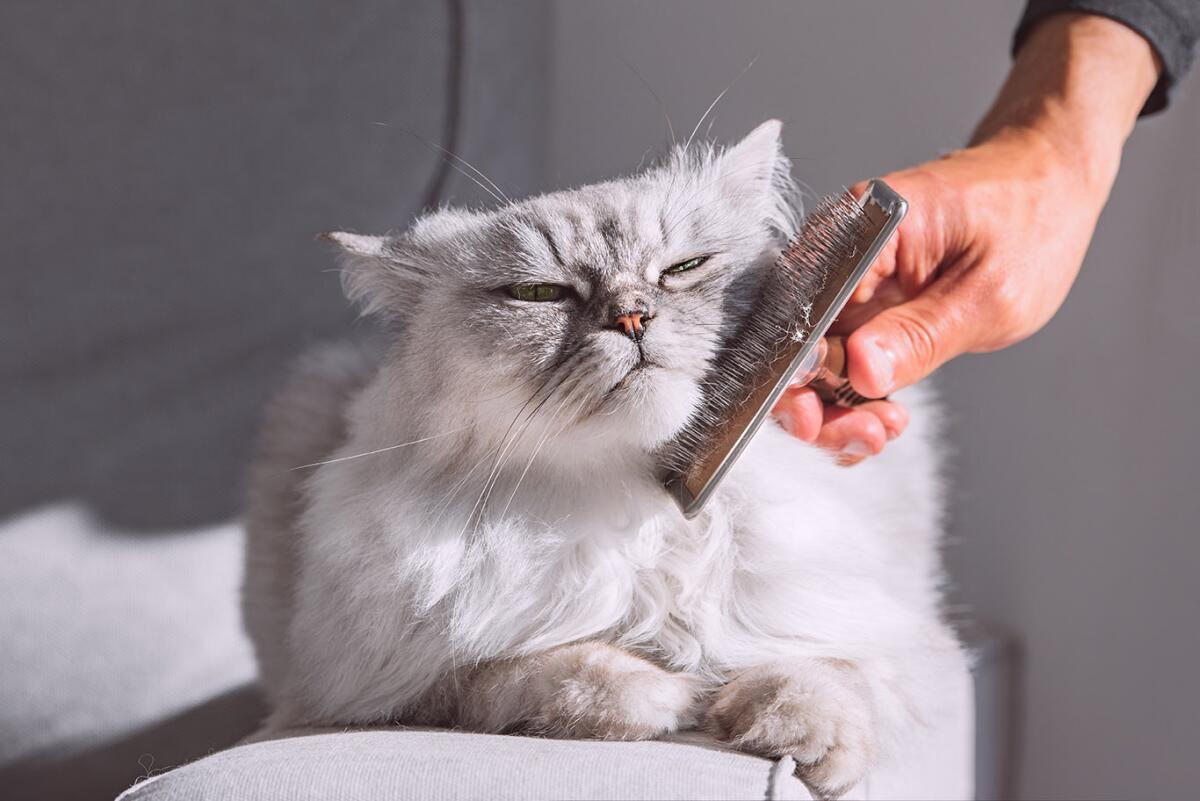
If you have a long-haired cat, you might find yourself needing to assist with brushing to keep their coat healthy. Have you ever tried brushing a cat that clearly dislikes it? Finding the right approach can make a big difference.
Age And Grooming Habits
Young cats and kittens tend to groom often as part of learning social and survival skills. Their grooming can be energetic and thorough, which helps them stay clean and comfortable.
Older cats may groom less frequently due to arthritis or reduced flexibility. If you notice your senior cat’s coat becoming dull or matted, it might be a sign to step in with grooming help.
Watching your cat’s grooming changes as they age gives you clues about their health and well-being. Could your cat’s grooming habits reveal hidden discomfort?
Impact Of Environment
Cats living indoors typically have fewer grooming challenges. Their fur stays cleaner, and they don’t face the same exposure to dirt, parasites, or weather as outdoor cats.
Outdoor or indoor-outdoor cats groom to remove dust, pollen, and even small insects from their fur. They may also lick wounds or irritations caused by outdoor adventures.
Environmental stress, such as changes in home or the presence of other pets, can affect grooming frequency and style. Have you noticed your cat grooming more or less after moving or adding a new pet?
When Grooming Signals Problems
Cats are meticulous groomers by nature. But sometimes, grooming can signal issues. Understanding these signs helps in maintaining a cat’s health. Grooming problems often point to stress or health concerns.
Excessive Grooming And Stress
Excessive grooming might indicate stress in cats. Cats may over-groom when anxious. This behavior leads to bald spots or skin irritations. Stressors can include changes at home or new pets. Identifying stressors helps in reducing excessive grooming.
Lack Of Grooming And Health Issues
A decline in grooming could signal health issues. Cats may stop grooming if they’re unwell. This often points to dental problems or arthritis. An unkempt coat might mean the cat is in pain. Regular vet visits can catch these health concerns early.
Recognizing Grooming-related Disorders
Some cats develop grooming-related disorders. These include skin infections or hair loss. Identifying these disorders early is crucial. Look for signs like red, irritated skin. Consult a vet for a proper diagnosis and treatment plan.
Frequently Asked Questions
What Is The Main Purpose Of Grooming In Cats?
Grooming helps cats maintain clean and healthy fur. It removes dirt, loose hair, and parasites. It also regulates body temperature and soothes stress.
How Does Grooming Benefit A Cat’s Health?
Grooming improves skin health by distributing natural oils. It prevents hair mats and skin infections. Grooming also reduces shedding and promotes overall hygiene.
Why Do Cats Groom Themselves Frequently?
Cats groom to stay clean and comfortable. Frequent grooming removes allergens and dirt. It also helps calm them and reduce anxiety.
Can Grooming Help Cats Bond With Humans?
Yes, cats groom their owners to show affection. It builds trust and strengthens the human-cat relationship. Grooming sessions can enhance bonding and comfort.
Conclusion
Grooming helps cats stay clean and healthy every day. It removes dirt and loose fur from their coat. Grooming also keeps their skin free from irritations and infections. Cats use grooming to calm themselves and feel safe. It strengthens the bond between cats when they groom each other.
Understanding this natural habit shows how important grooming is for cats’ well-being. Watching your cat groom can reveal a lot about their health and mood. Helping your cat with grooming supports their happiness and comfort. Simple but vital for a cat’s life.

Leave a Reply