Have you ever wondered if your cat actually wants you to groom her? You might notice her sitting patiently while you brush her fur or even nudging your hand toward her coat.
But does she expect this care from you, or is it just a nice extra? Understanding what your cat really thinks about grooming can change how you connect with her. Keep reading to discover the surprising truth about your cat’s grooming needs—and how you can make this bonding time even better for both of you.
Cat Grooming Behavior
Understanding your cat’s grooming behavior can give you valuable clues about whether she expects your help with grooming. Cats are naturally meticulous self-cleaners, but their grooming habits also have social and emotional layers. Observing these behaviors can help you decide when to step in and assist.
How Cats Groom Themselves
Cats use their tongues like tiny combs to remove dirt and loose fur. Their rough tongues help spread natural oils that keep their coats shiny and waterproof.
Self-grooming also helps regulate body temperature and reduces stress. You might notice your cat licking her paws and then rubbing her face—this is a common routine to clean hard-to-reach areas.
If your cat suddenly grooms less or excessively, it could signal health issues or anxiety. Have you ever seen your cat stop grooming after an injury or illness? That’s a clear sign she might need your help.
Social Grooming Among Cats
When cats live together, they often groom each other, which strengthens their bond. This social grooming is a sign of trust and friendship.
Your cat might extend this behavior to you, nudging your hand or resting her head on you to invite grooming. These moments show she views you as part of her social group.
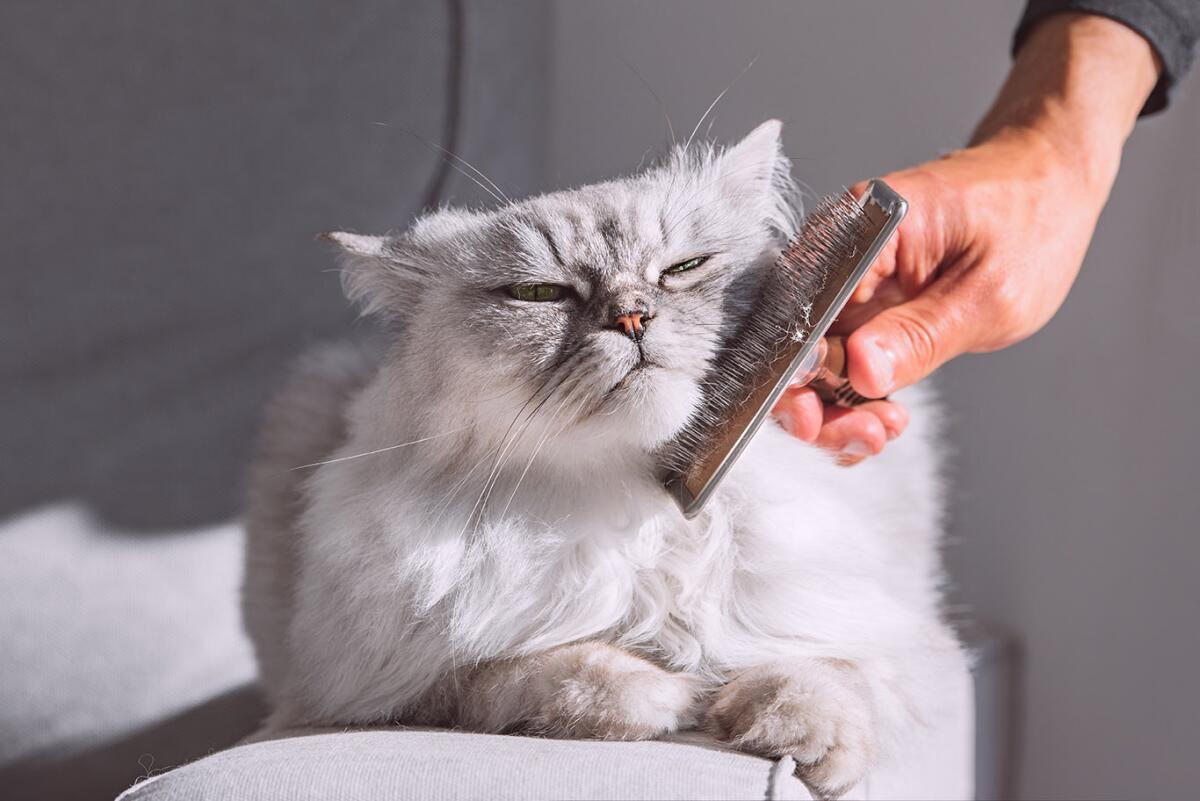
Pay attention to how your cat reacts when you brush her. If she leans in or purrs, she probably appreciates the extra care. Does she groom you back by licking your skin or hair? That’s her way of including you in her social circle.
Signs Your Cat Wants Grooming
Understanding when your cat wants grooming can make a huge difference in how you care for her. Cats don’t always ask in obvious ways, but they do give you signs. Recognizing these clues helps you build trust and keeps your cat comfortable and happy.
Body Language Clues
Your cat’s body language often speaks louder than words. Watch for your cat rubbing her head or body against you—this is a clear sign she’s inviting you to groom her. She might also expose her belly or stretch out, showing she feels safe and open to your touch.
Another tip is to notice if your cat flicks her tail slowly or holds her ears forward. These subtle signals mean she’s relaxed and ready for some gentle brushing. On the other hand, if she tenses up or flicks her tail sharply, it’s best to pause and try again later.
Behavioral Indicators
Sometimes, your cat’s behavior will tell you she wants grooming without any obvious body language. She might follow you around more than usual or sit near her grooming tools. If she starts licking her fur excessively, it might be a hint that she needs help reaching certain spots.
One of my cats always jumps onto my lap and purrs loudly when she’s ready to be groomed. Have you noticed your cat seeking your attention right before grooming sessions? These moments are perfect to pick up the brush and make her feel cared for.
Pay attention to these signs, and you’ll become more in tune with your cat’s needs. What subtle signals has your cat given you that told you she wanted some grooming time?
Benefits Of Grooming Your Cat
Grooming your cat offers more than just a tidy coat. It plays a vital role in keeping your feline friend healthy and happy. Understanding these benefits helps you see grooming as a key part of your cat’s care routine, not just a chore.
Health Advantages
Regular grooming helps remove loose fur, which reduces shedding and hairballs. It also allows you to check for skin problems, parasites, or unusual lumps early on. Grooming stimulates blood circulation, promoting a healthy coat and skin.
Have you noticed your cat scratching more than usual? Grooming can uncover issues before they become serious. Plus, it helps distribute natural oils, keeping your cat’s fur shiny and smooth.
Bonding Opportunities
Grooming creates a quiet, calm moment between you and your cat. It’s a chance to build trust and show affection through gentle touch. Many cats learn to associate grooming with comfort and care.
Think about the last time you groomed your cat—did she purr or nuzzle you afterward? Those small signs show how grooming strengthens your relationship. This shared time can reduce your cat’s stress and boost her overall happiness.
When Grooming Becomes Necessary
Grooming is a natural part of a cat’s daily routine, but there are times when your cat really needs your help. Knowing when grooming becomes necessary can prevent health issues and keep your feline friend comfortable. Let’s look at specific situations where your hands-on care makes a big difference.
Long-haired Cats
Long-haired cats often struggle to keep their coats clean and tangle-free. Mats can form quickly, leading to skin irritation or infection if not removed. You might notice your cat grooming less because it’s difficult or painful for her.
Regular brushing helps prevent these problems. Aim to groom her at least a few times a week, or daily if her fur is very thick. This also reduces hairballs and keeps her looking sleek and healthy.
Elderly Or Sick Cats
Older or unwell cats may lose interest in grooming. Arthritis, dental pain, or general weakness can make it hard for them to clean themselves properly. This can cause greasy fur, dirt buildup, or bald patches.
Step in to support your cat by gently brushing and wiping her coat. Check her skin for any lumps or wounds during grooming sessions. Your attention not only helps maintain hygiene but also lets you spot health concerns early.
Grooming Techniques For Cats
Grooming is vital for a cat’s health and happiness. Regular care keeps their fur clean and reduces hairballs. It also helps you spot any skin problems early. Understanding the right grooming techniques makes the task easier for both you and your cat.
Brushing Tips
Use a brush suitable for your cat’s fur type. Short-haired cats need a soft bristle brush. Long-haired cats benefit from a wide-toothed comb. Brush gently in the direction of hair growth. Start with short sessions to build trust. Remove loose fur to prevent mats and tangles. Brushing also reduces shedding around your home.
Bathing Guidelines
Baths are rarely needed unless your cat is very dirty. Use lukewarm water and a cat-safe shampoo. Avoid getting water in their ears and eyes. Keep the bath short to reduce stress. Dry your cat with a towel and keep them warm. Most cats clean themselves, so don’t overdo baths.
Handling Sensitive Areas
Be gentle around the face, ears, and paws. These spots can make cats nervous. Use a soft cloth or cotton ball for cleaning ears. Trim nails carefully to avoid hurting your cat. Watch for signs of discomfort and stop if needed. Patience builds a calm grooming experience.
Common Grooming Challenges
Cats often expect grooming help from their owners. Regular grooming can prevent tangles and improve their coat’s health. Understanding your cat’s grooming needs can strengthen your bond.
Grooming your cat may seem straightforward, but it often presents unexpected challenges. Cats, with their independent natures, might not always welcome your efforts to keep them looking pristine. Understanding these common grooming challenges can help improve the experience for both you and your feline friend.Dealing With Resistance
Some cats simply don’t enjoy being groomed. They might squirm, scratch, or even hide at the sight of a brush. To ease resistance, try to make grooming a positive experience. You could offer treats or praise your cat to associate grooming with good feelings. Patience is key; start with short sessions and gradually increase the duration as your cat becomes more comfortable.Managing Hairballs
Hairballs are an unpleasant aspect of cat grooming. Regular brushing can significantly reduce the amount of hair your cat ingests, thus minimizing hairballs. Consider using specialized brushes designed to capture loose fur effectively. If hairballs persist, you might want to explore dietary solutions or consult your vet for advice.Avoiding Skin Irritations
Your cat’s skin is sensitive, and improper grooming can lead to irritations. Always use tools suited for your cat’s coat type, whether it’s short, long, or somewhere in between. Be gentle and observant; if you notice any redness or irritation, stop and evaluate your methods. Regular check-ups with your vet can also help detect skin issues early on. Grooming your cat is more than just a routine—it’s a bonding moment. How can you make grooming a more enjoyable experience for your cat? Addressing these challenges can lead to a healthier, happier pet, and a more harmonious household.Tools For Effective Cat Grooming
Grooming your cat is more than a routine; it’s a way to bond and keep her comfortable. Using the right tools makes the process smoother and less stressful for both of you. You might be surprised how the right brush or clipper can change your cat’s grooming experience entirely.
Brush Types
Choosing the right brush depends on your cat’s fur type. Short-haired cats do well with a rubber brush or a bristle brush that removes loose hair gently. Long-haired cats benefit from a slicker brush or a comb that detangles without pulling.
If your cat hates brushing, try a glove brush. It feels like a gentle petting session, which can ease her into regular grooming. Have you noticed how some cats react differently to various brushes? This can guide your choice effectively.
Nail Clippers
Keeping your cat’s nails trimmed is essential to prevent scratches and discomfort. Use clippers designed specifically for cats; they have a smaller, curved edge that fits their nails perfectly. Avoid human nail clippers—they can crush or split the nails.
Some cats tolerate nail trims better with a scissor-style clipper, while others prefer a guillotine type. If your cat resists, try trimming one or two nails at a time to build tolerance. Have you found a clipping technique that works best for your cat?
Other Useful Accessories
Besides brushes and clippers, there are other tools that make grooming easier. A grooming mat can help keep your cat steady and comfortable. Wipes designed for pets can clean fur between brushings, especially for cats that dislike baths.
Consider a detangling spray if your cat has long fur prone to mats. It softens hair and prevents painful pulling. What small additions to your grooming kit have made a big difference in your cat’s comfort?
Frequently Asked Questions
Does My Cat Want Me To Groom Her Regularly?
Yes, many cats appreciate regular grooming from their owners. It helps remove loose fur and reduces hairballs. Grooming also strengthens your bond and keeps your cat’s coat healthy and shiny. However, some cats prefer self-grooming or minimal assistance.
How Can I Tell If My Cat Enjoys Grooming?
Signs your cat enjoys grooming include purring, relaxed body language, and leaning into the brush. If your cat tries to stay close or nudges you, she likely enjoys it. Conversely, avoid grooming if she shows stress or tries to escape.
What Grooming Tools Are Best For Cats?
Use a soft-bristle brush or a grooming glove for most cats. Slicker brushes work well for long-haired breeds. Choose tools that match your cat’s coat type and sensitivity to ensure a comfortable grooming experience.
How Often Should I Groom My Cat?
Short-haired cats benefit from grooming once a week. Long-haired cats may need daily or every-other-day grooming to prevent mats. Adjust frequency based on your cat’s coat and shedding patterns for optimal care.
Conclusion
Cats often enjoy gentle grooming from their owners. It helps keep their fur clean and reduces shedding. Grooming also strengthens your bond and shows care. Some cats prefer to groom themselves more. Watch your cat’s behavior to know her needs.
Regular grooming keeps your cat healthy and happy. Simple brushing sessions can make a big difference. Your cat will appreciate your attention and love. So, take time to groom her gently and often. It’s a small act with great rewards.

Leave a Reply