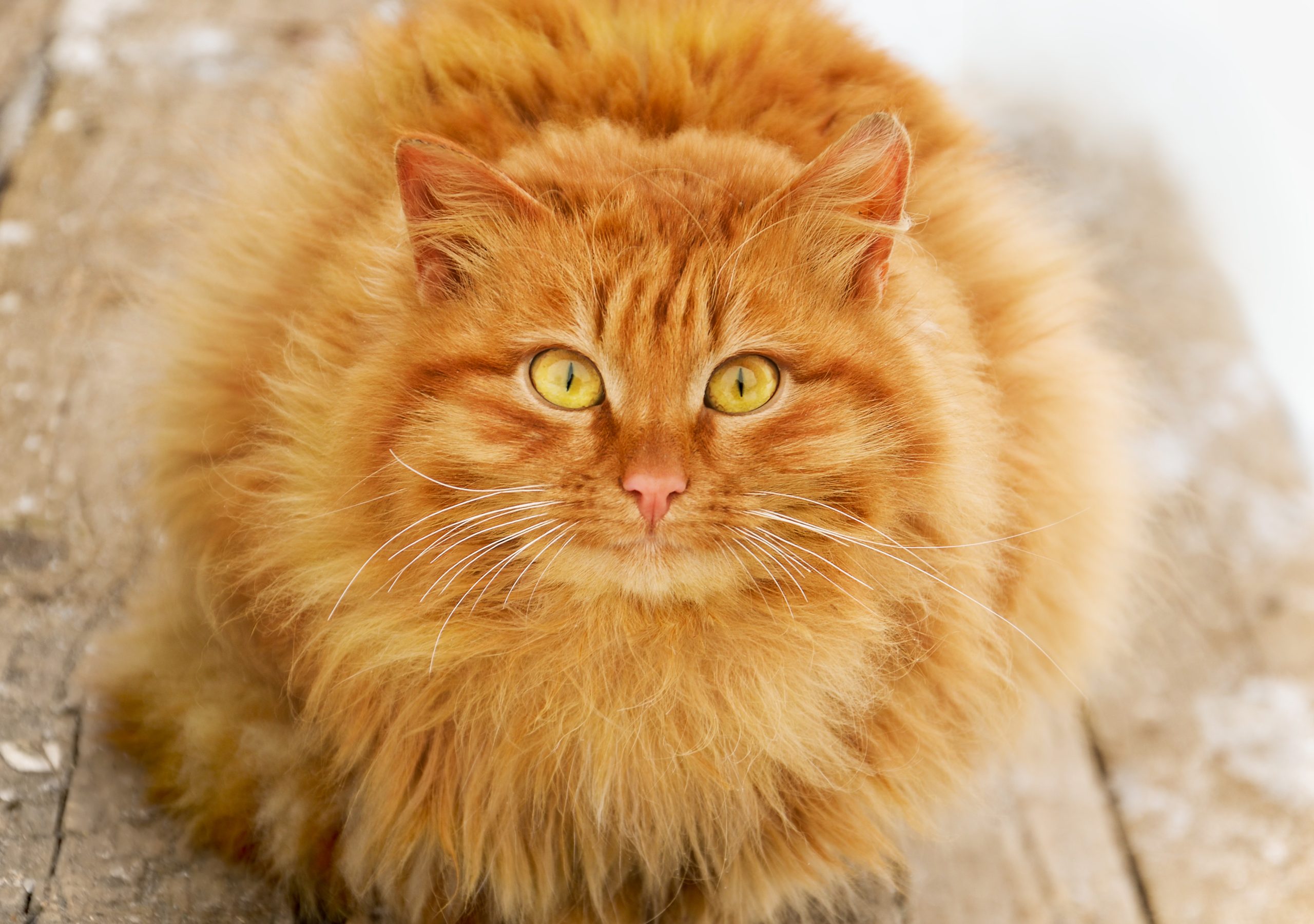
Have you noticed your cat spending more time licking or biting their fur than usual? You might wonder, “What is considered excessive grooming for a cat?” Understanding when your furry friend’s grooming habits cross the line is key to keeping them healthy and happy.
You’ll discover the signs of excessive grooming, what causes it, and how you can help your cat feel better. Keep reading to learn how to spot the difference between normal care and a potential problem before it’s too late.

Credit: www.fullbuckethealth.com
Causes Of Excessive Grooming
Excessive grooming in cats can signal deeper issues beyond normal cleaning habits. Understanding the causes helps address the behavior effectively. Many factors can drive a cat to groom more than usual. Some relate to health, while others connect to the environment or emotions.
Medical Issues
Illness or pain often triggers excessive grooming. Skin infections, wounds, or parasites cause discomfort. Cats lick affected areas to soothe the pain. Conditions like arthritis or dental problems may also lead to increased grooming. A vet visit is crucial to rule out medical causes.
Stress And Anxiety
Stress can cause cats to groom excessively. Changes in the home, new pets, or loud noises create anxiety. Grooming acts as a calming activity for them. Cats may lick themselves to feel safe and reduce tension. Recognizing stress triggers helps in managing the behavior.
Allergies And Irritants
Allergies often cause itching and irritation in cats. Food ingredients, pollen, or dust mites can be culprits. Cats scratch and lick to relieve itching. Chemicals in cleaning products or flea treatments may also irritate the skin. Identifying and removing allergens can reduce grooming.
Behavioral Factors
Some cats groom excessively due to boredom or habit. Lack of stimulation leads to repetitive licking. This can turn into a compulsive behavior over time. Providing toys and playtime helps distract and calm the cat. Behavioral issues may need expert advice to manage properly.
Signs Of Over-grooming
Cats groom themselves to stay clean and comfortable. Excessive grooming, though, can cause health problems. It often signals stress, allergies, or skin issues. Recognizing signs of over-grooming helps protect your cat’s well-being. Watch closely for physical and behavior changes. These signs indicate your cat may need help.
Bald Patches And Hair Loss
One clear sign of over-grooming is bald patches. Hair loss appears in spots where the cat licks too much. These areas may look uneven or rough. Bald patches can develop quickly and spread over time. They show your cat’s grooming is beyond normal limits.
Redness And Skin Irritation
Over-grooming often causes redness on the skin. Irritated skin looks inflamed and may feel warm. The cat may scratch or bite these spots more. Redness means the skin’s protective layer is damaged. This makes the area sensitive and prone to infection.
Sores And Scabs
Excessive licking can lead to sores and scabs. These wounds form when the skin breaks or bleeds. Scabs protect the injured area but may cause discomfort. Sores can take time to heal if over-grooming continues. They increase the risk of bacterial infections.
Changes In Grooming Habits
Noticeable changes in grooming habits signal a problem. The cat may lick one spot repeatedly or groom for long periods. Over-grooming can replace normal playful or resting behaviors. Sometimes, cats stop grooming other body parts. These shifts suggest stress or physical pain.
Health Risks Of Over-grooming
Over-grooming in cats can lead to serious health problems. This behavior damages their skin and causes pain. It also opens the door to other health issues. Understanding these risks helps protect your cat’s well-being.
Skin Infections
Excessive grooming removes the protective oils on the skin. This creates small wounds or sores. Bacteria easily enter these breaks, causing infections. Infected skin becomes red, swollen, and painful. Left untreated, infections can spread and worsen.
Pain And Discomfort
Constant licking or biting irritates the skin and fur. Cats may develop raw patches or scabs. This causes itching and burning sensations. The pain makes cats more anxious and restless. Painful skin can affect their appetite and mood.
Secondary Complications
Open wounds from over-grooming may lead to serious problems. Abscesses or deep infections can form under the skin. Hair loss from grooming exposes skin to sun damage. Stress from discomfort can worsen the grooming cycle. These complications need veterinary care to heal.
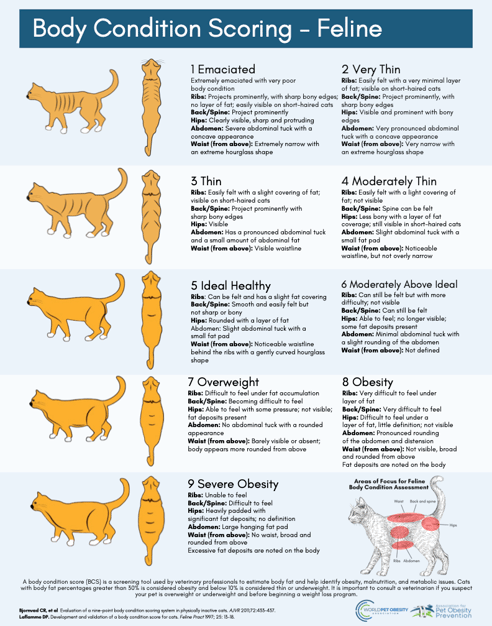
Credit: www.preventivevet.com
Diagnosing The Issue
Identifying excessive grooming in cats can be challenging. Is your cat just being fastidious, or is there an underlying issue? Diagnosing the problem requires a comprehensive approach that often involves professional help. Understanding the root cause of excessive grooming is essential to providing the right care for your feline friend.
Veterinary Examination
A visit to the vet is often the first step. A thorough examination can reveal signs of skin irritation, parasites, or other health concerns. Your vet will check your cat’s overall health and may suggest further tests if they suspect a medical issue.
Don’t underestimate the power of a professional’s touch. Vets have the experience to spot subtle signs that might elude an untrained eye. If your cat is grooming excessively, a vet consultation is a wise move.
Skin Tests And Allergy Screening
Skin tests can pinpoint specific allergies or infections. These tests may involve taking samples from your cat’s skin or fur. It’s a straightforward process that can yield valuable insights.
Allergy screening helps determine if environmental or food allergens are causing your cat’s discomfort. Knowing the allergens allows you to make informed choices about your cat’s diet and environment.
Have you ever considered that your cat might be allergic to something in your home? Changing a simple element, like a type of litter or food, could make a significant difference.
Behavioral Assessment
Sometimes, the issue is not physical but psychological. Stress and anxiety can lead to excessive grooming. A behavioral assessment can help identify stressors in your cat’s environment.
Consider changes in your home, like a new pet or a move, which might be stressing your cat. Reducing stress can often alleviate the compulsive grooming behavior.
Reflect on your cat’s daily routine. Are there enough enriching activities to keep them occupied? Boredom can also lead to over-grooming.
Understanding your cat’s behavior is key to addressing the grooming issue effectively. By paying attention to both physical and psychological cues, you can take the right steps to ensure your cat’s well-being.
Treatment Options
Treating excessive grooming in cats involves several approaches. The goal is to reduce discomfort and stop the behavior. Treatment depends on the cause and severity of grooming. Many cats benefit from a combination of therapies. Understanding options helps owners provide better care.
Medical Treatments
Veterinarians may prescribe medication to ease symptoms. Anti-inflammatory drugs help reduce skin irritation. Antibiotics treat infections caused by over-grooming. Allergy medications can control allergic reactions. Sometimes, hormone therapy is necessary for underlying issues. Regular check-ups ensure treatment is effective and safe.
Behavioral Therapy
Behavioral changes help reduce stress-related grooming. Play sessions distract cats and provide mental stimulation. Positive reinforcement encourages calm and relaxed behavior. Training can reduce anxiety triggers in the environment. Consistency and patience are key to success.
Environmental Changes
Creating a calm environment lowers stress for cats. Provide quiet spaces where cats feel safe. Use pheromone diffusers to promote relaxation. Keep feeding and play areas clean and comfortable. Reducing loud noises and sudden changes helps too.
Use Of Protective Gear
Protective gear prevents cats from injuring themselves. Elizabethan collars stop access to affected areas. Soft recovery suits cover skin and reduce licking. These tools support healing while treatments work. Always monitor cats to ensure comfort with gear.
Preventing Excessive Grooming
Preventing excessive grooming in cats is key to keeping them healthy and happy. Cats groom themselves naturally, but too much licking can cause skin damage and discomfort. Understanding how to stop this behavior helps protect your pet’s well-being. Simple changes in their daily routine and environment can reduce stress and improve their overall health.
Stress Reduction Techniques
Stress often triggers excessive grooming in cats. Creating a calm space helps your cat feel safe. Soft music and gentle petting can soothe nervous cats. Avoid loud noises and sudden changes in their environment. Provide hiding spots where your cat can relax undisturbed. Regular playtime offers positive attention and reduces anxiety.
Regular Health Checks
Frequent vet visits catch health problems early. Skin allergies and parasites cause itching and over-grooming. Your vet can suggest treatments to relieve discomfort. Keep an eye on wounds or hair loss areas. Early action prevents serious skin infections. Regular checkups ensure your cat stays in good shape.
Proper Diet And Hydration
A balanced diet supports healthy skin and fur. Nutrient deficiencies can lead to dry, itchy skin. Feed high-quality cat food with essential fatty acids. Fresh water should always be available to your cat. Proper hydration keeps the skin moist and less prone to irritation. Avoid sudden diet changes that upset digestion.
Enrichment Activities
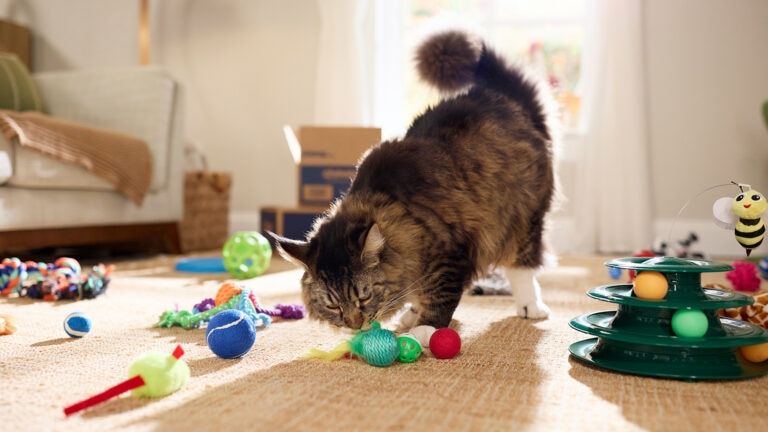
Keeping cats busy reduces boredom and stress. Provide toys that stimulate hunting instincts. Puzzle feeders challenge their minds and slow eating. Rotate toys to maintain interest. Safe outdoor time or window views offer new sights and sounds. These activities keep your cat active and less likely to over-groom.
When To Seek Veterinary Help
Knowing when to seek veterinary help for your cat’s excessive grooming can make a big difference in your pet’s health and comfort. Excessive grooming might seem like just a quirky habit at first, but it can signal underlying problems that need professional attention. Paying close attention to specific signs will help you decide if it’s time to visit the vet.
Persistent Symptoms
If your cat keeps grooming the same spot for days or weeks, that’s a warning sign. Persistent licking, biting, or scratching at one area can cause raw skin, hair loss, or sores. When these symptoms don’t improve or keep coming back despite your efforts, it’s time to get a vet involved.
Worsening Skin Condition
Watch for any skin changes that get worse over time. Redness, swelling, scabs, or open wounds indicate that the grooming is harming your cat’s skin. If you notice infections or the skin looks painful, a vet visit is essential to prevent complications.
Behavioral Changes
Excessive grooming often comes with shifts in your cat’s behavior. If your cat seems more anxious, restless, or withdrawn, it could be linked to stress or pain causing the grooming. Don’t ignore these changes—talking to your vet can uncover the root cause and help your cat feel better again.
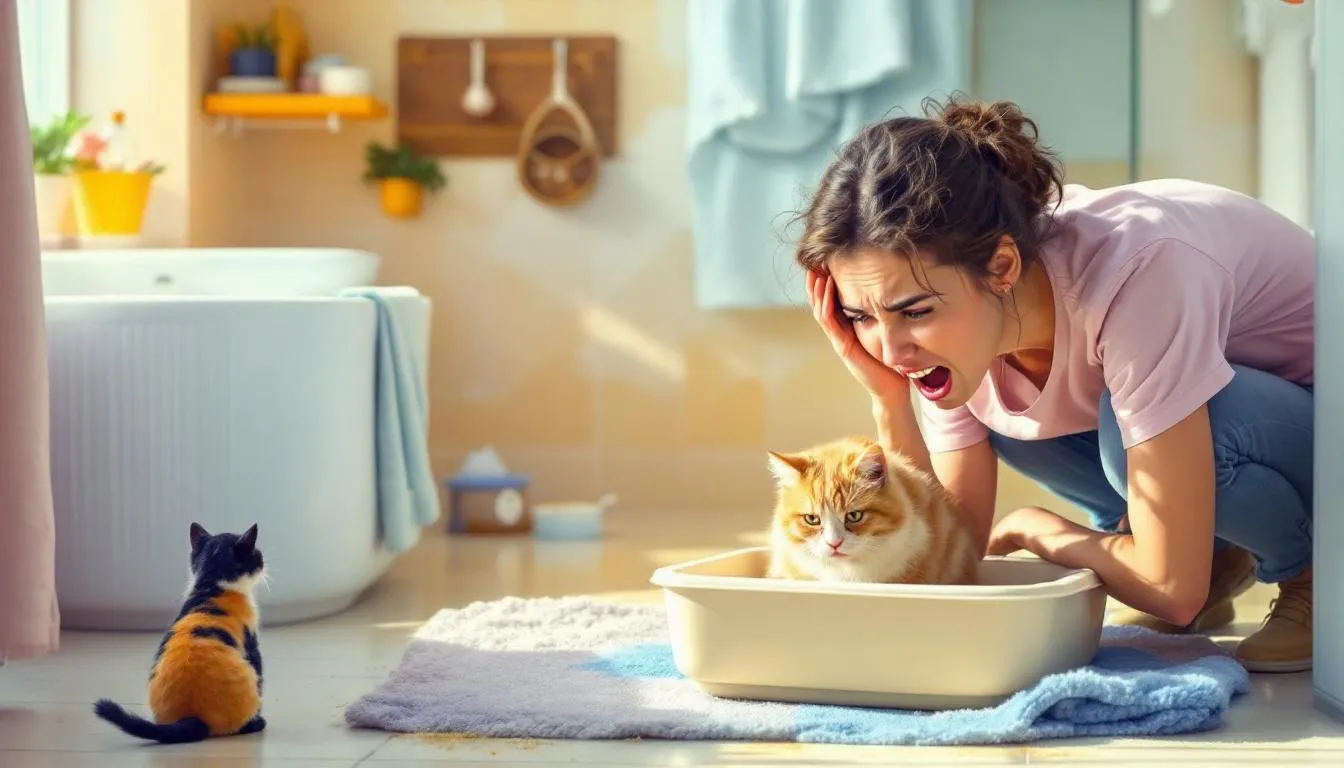
:strip_icc()/spruce-pets-cat-bathroom-7b6ae6d8f3d940b9a82141be03734144.png)
Credit: www.thesprucepets.com
Frequently Asked Questions
What Signs Indicate A Cat Is Grooming Excessively?
Excessive grooming in cats shows as bald patches, redness, or sores. Cats may lick one spot repeatedly, causing skin damage. Watch for changes in behavior or fur condition to spot overgrooming early.
Why Do Cats Groom Themselves Excessively?
Cats groom excessively due to stress, allergies, parasites, or skin infections. Overgrooming can also result from boredom or anxiety. Identifying the cause helps in treating and managing this behavior effectively.
How Can Excessive Grooming Harm My Cat?
Excessive grooming can lead to skin irritation, infections, and hair loss. It may cause painful sores and discomfort. Early intervention is crucial to prevent long-term health issues related to overgrooming.
When Should I Consult A Vet About My Cat’s Grooming?
Consult a vet if your cat has bald spots, wounds, or constant licking. Sudden changes in grooming habits also warrant professional advice. A vet can diagnose underlying health problems causing overgrooming.
Conclusion
Excessive grooming can signal a cat’s stress or health issues. Watch for bald spots, sores, or constant licking. Cats need grooming, but too much is a problem. Early action helps your cat stay happy and healthy. Consult your vet if grooming seems out of control.
Understanding your cat’s behavior keeps them safe and comfortable. Keep an eye on changes in grooming habits every day. Caring for your cat means knowing when grooming is too much.

Leave a Reply