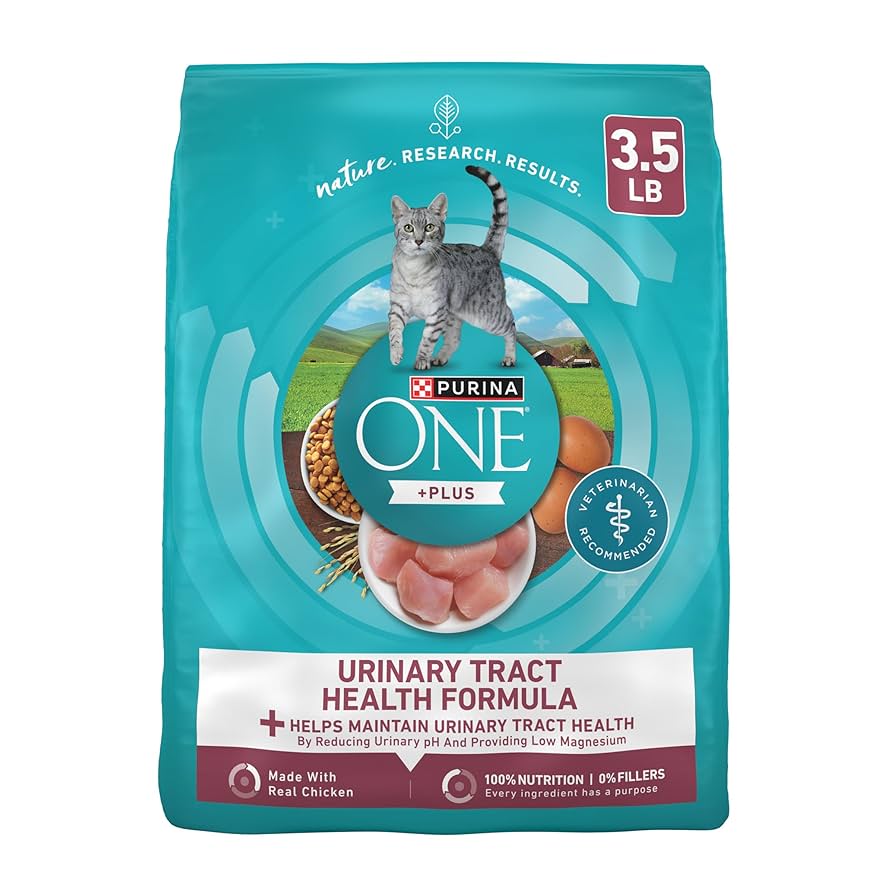
If you care about your cat’s health, you know how important their diet is. But when it comes to urinary health, not all cat foods are created equal.
Choosing the right food can make a big difference in preventing painful issues like urinary tract infections or crystals. You want the best for your furry friend, and that starts with understanding what makes a cat food good for urinary health.
Keep reading, and you’ll discover simple, clear answers to help your cat live happier and healthier every day.
Credit: www.walmart.com
Causes Of Urinary Issues In Cats
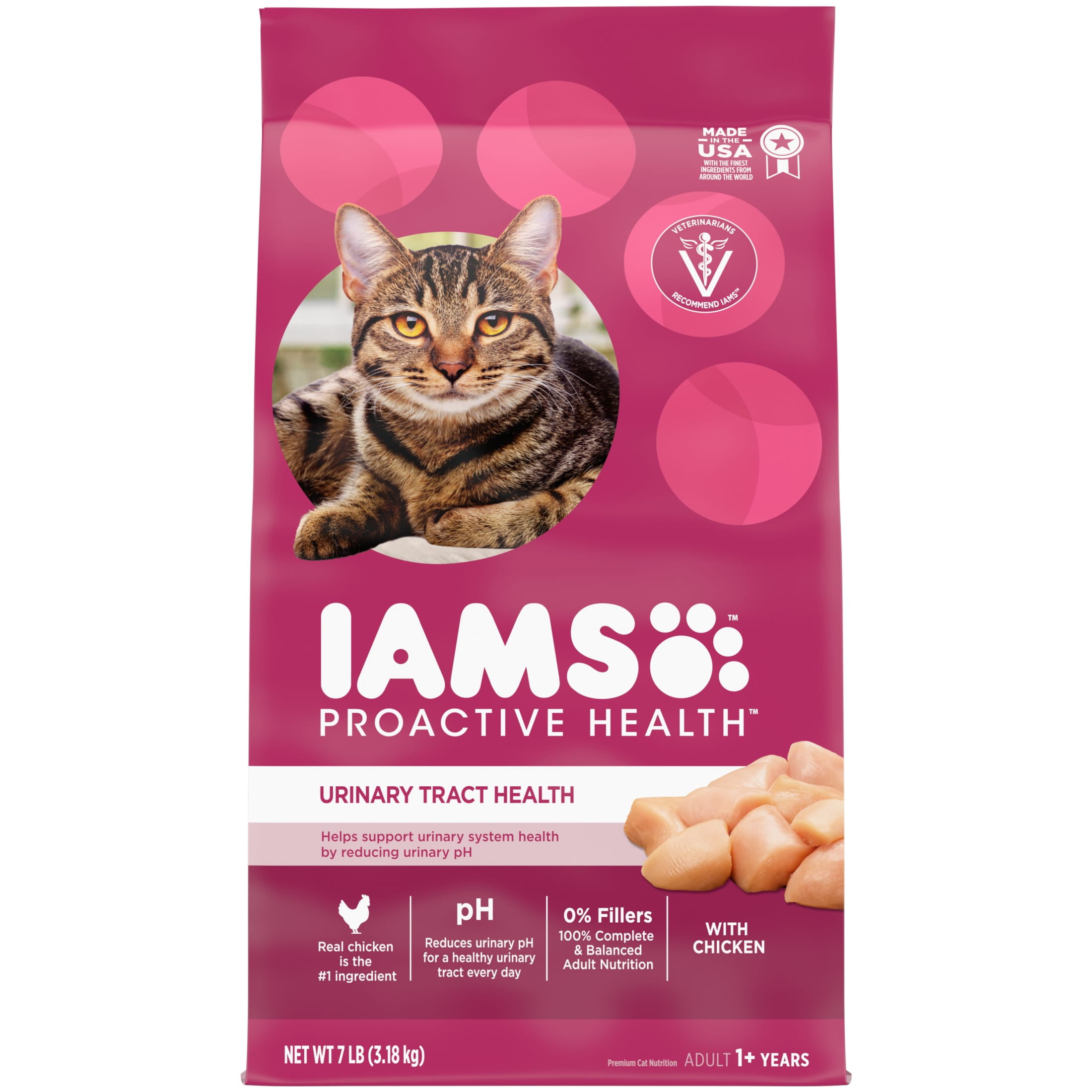
Urinary issues in cats affect their comfort and health significantly. These problems often arise from several causes, including diet, environment, and genetics. Identifying the root causes helps in choosing the right cat food to support urinary health. Understanding the common problems and risk factors is essential for prevention and treatment.
Common Urinary Problems
- Urinary Tract Infections (UTIs) cause pain and frequent urination.
- Feline Lower Urinary Tract Disease (FLUTD) includes inflammation and blockages.
- Bladder stones form from mineral buildup, causing discomfort.
- Urinary crystals irritate the bladder and urinary tract.
- Urethral obstruction blocks urine flow, a serious emergency.
Risk Factors
- Dehydration reduces urine flow and concentrates minerals.
- Obesity increases the chance of urinary problems.
- Stress and changes in environment can trigger urinary issues.
- Diet high in magnesium or phosphorus may lead to crystals.
- Male cats have a narrower urethra, increasing blockage risk.
Credit: www.chewy.com
Nutritional Needs For Urinary Health
Maintaining your cat’s urinary health starts with the right nutrition. Cats have specific dietary needs that support a healthy urinary tract and reduce the risk of issues like urinary crystals or infections. Understanding these nutritional needs can help you choose a food that keeps your feline friend comfortable and thriving.
Key Nutrients To Look For
Focus on nutrients that promote urine dilution and balance the pH levels in your cat’s body. Moisture content is crucial—wet food or foods with high water content help flush the urinary tract and prevent crystal formation.
- Magnesium:Look for low to moderate magnesium levels, as excessive amounts can contribute to crystal buildup.
- Protein:High-quality animal protein supports overall health without overloading the kidneys.
- Urinary pH Balancers:Ingredients that help maintain a slightly acidic urine (around pH 6.0-6.5) reduce the risk of struvite crystals.
- Omega-3 Fatty Acids:These support inflammation reduction and overall urinary tract health.
When I switched my cat to a diet rich in moisture and balanced minerals, I noticed fewer visits to the vet. Small changes in nutrient levels can make a big difference in your cat’s comfort.
Ingredients To Avoid
Not all ingredients support urinary health, and some can actually cause problems. Avoid foods with high levels of magnesium, as well as artificial additives and fillers that provide no nutritional value.
- Excessive Magnesium:Found in some cheaper foods, it can encourage crystal formation.
- Artificial Colors and Flavors:These can irritate your cat’s system and offer no health benefits.
- Excess Carbohydrates:Cats don’t need many carbs, and too many can affect their weight and urinary health.
- Plant-Based Proteins:Cats are obligate carnivores; plant proteins don’t support urinary health as effectively.
Ask yourself if the cat food you’re choosing prioritizes health over fillers. Your cat’s urinary tract deserves better than just a cheap, carb-heavy bag of kibble.
Types Of Cat Food For Urinary Health
Choosing cat food that supports urinary health involves selecting formulas with balanced minerals and added moisture. Wet and specially designed dry foods help reduce urinary problems and keep cats hydrated. These options promote a healthy urinary tract and prevent crystals or stones.
Choosing the right cat food for urinary health is essential. Cats often face urinary tract issues. The right diet can help prevent these problems. There are different types of cat food designed for urinary health. Each has its benefits and considerations.Dry Vs. Wet Food Benefits
Dry and wet foods have different advantages. Dry food is convenient and easy to store. It can help keep your cat’s teeth clean. However, it may not provide enough moisture. Cats need plenty of water for urinary health. Wet food contains more moisture, helping keep your cat hydrated. It can support urinary health better due to higher water content. Cats often find wet food more palatable. This helps ensure they eat enough and stay healthy.Prescription Diets
Some cats need special diets for urinary health. Prescription diets are formulated for specific health issues. These foods often contain ingredients that help dissolve urinary crystals. They also maintain the right pH balance in the urine. Veterinarians recommend prescription diets for cats with urinary problems. It is important to follow your vet’s advice. Prescription diets can be more expensive but are often necessary for health. Choosing the right food is crucial. It ensures your cat stays healthy and happy.
Credit: www.amazon.com
Top Vet-recommended Cat Foods
Choosing the right cat food for urinary health can be tricky, but vets have clear favorites that you can trust. These foods are carefully formulated to support your cat’s urinary tract, helping prevent common issues like crystals and infections. Let’s look at some top vet-recommended options that could make a real difference for your feline friend.
Popular Prescription Brands
Prescription diets are often the first choice for cats with urinary problems. These brands are designed with specific ingredients that help maintain a healthy urinary pH and reduce crystal formation.
- Hill’s Prescription Diet c/d Multicare:This food is widely recommended by vets for managing and preventing urinary stones. It controls mineral levels and promotes acidification of urine.
- Royal Canin Urinary SO:Known for its balanced nutrition, this diet reduces the risk of struvite and calcium oxalate crystals. Many cat owners report noticeable improvements after switching.
- Purina Pro Plan Veterinary Diets UR St/Ox:This formula supports urinary tract health and is often suggested for cats prone to urinary issues. It helps dissolve crystals and maintain bladder health.
Have you noticed your cat showing signs of discomfort during urination? These prescription diets could be a game-changer for such symptoms, but always consult your vet before making changes.
High-quality Over-the-counter Options
If your cat doesn’t need a prescription diet, several high-quality over-the-counter foods can still support urinary health. These options focus on maintaining balanced minerals and encouraging hydration.
- Blue Buffalo Natural Veterinary Diet W+U:This food combines natural ingredients with urinary support, promoting bladder health without strict prescriptions.
- Wellness CORE Grain-Free:Rich in protein and low in magnesium, it helps reduce the risk of urinary crystals while supporting overall health.
- Nutro Wholesome Essentials Indoor Cat:Formulated to support urinary tract health, it uses quality ingredients and has a good balance of moisture and minerals.
Would you consider switching your cat’s food to one of these options? Sometimes small changes in diet can prevent big health issues down the line.
Tips For Transitioning Your Cat’s Diet
Changing your cat’s food needs care and patience. Sudden changes can upset their stomach or cause refusal to eat. A smooth transition helps your cat accept the new food without stress. This process supports their urinary health by ensuring they eat the right diet consistently.
Gradual Food Changes
Start by mixing a small amount of new food with the current food. Increase the new food portion slowly over 7 to 10 days. This gentle change helps your cat adjust to new tastes and textures. Watch for any signs of discomfort or refusal to eat during this period.
- Day 1-3: 25% new food, 75% old food
- Day 4-6: 50% new food, 50% old food
- Day 7-9: 75% new food, 25% old food
- Day 10: 100% new food
Monitoring Your Cat’s Response
Keep a close eye on your cat’s eating habits and health during the transition. Check for vomiting, diarrhea, or changes in litter box use. Note any signs of discomfort or urinary issues. If problems appear, slow down the transition or consult your vet. Positive changes include steady appetite and normal bathroom habits.
Additional Ways To Support Urinary Health
Supporting your cat’s urinary health goes beyond choosing the right food. Small daily habits can make a big difference. Keeping your cat hydrated and reducing stress help maintain a healthy urinary system.
These extra steps work well with quality cat food to lower risks of urinary problems.
Hydration Strategies
Water is vital for urinary health. Encourage your cat to drink more by offering fresh water often. Use multiple water bowls placed around the house. Cats prefer running water, so try a cat water fountain. Wet cat food can also boost water intake. Keep an eye on your cat’s drinking habits to catch changes early.
Environmental Enrichment
Stress affects urinary health. Create a calm, stimulating environment for your cat. Provide toys, scratching posts, and safe hiding spots. Playtime reduces anxiety and keeps your cat active. A relaxed cat has a lower chance of urinary issues. Routine and quiet spaces help your cat feel secure.
Frequently Asked Questions
What Ingredients Support Cat Urinary Health?
Ingredients like cranberries, omega-3 fatty acids, and antioxidants help maintain urinary tract health in cats. High moisture content and balanced minerals also reduce urinary issues.
How Does Wet Food Benefit A Cat’s Urinary System?
Wet food increases water intake, dilutes urine, and lowers the risk of urinary crystals. It supports proper hydration, essential for urinary tract health in cats.
Are Grain-free Cat Foods Better For Urinary Health?
Grain-free diets can be beneficial for some cats with sensitivities but are not necessarily better for urinary health. Balanced minerals and hydration matter more.
Can Diet Prevent Urinary Tract Infections In Cats?
Yes, a proper diet with balanced minerals and moisture can reduce urinary tract infections. It helps maintain a healthy urinary pH and flushes the bladder regularly.
Conclusion
Choosing the right cat food helps keep your pet’s urinary system healthy. Good cat food supports strong kidneys and prevents infections. Always check the ingredients for balanced minerals and moisture. Wet food often helps increase water intake for cats. Regular vet visits also catch problems early.
Healthy eating means a happier, more active cat. Simple steps make a big difference in your cat’s life. Care and attention matter most for your feline friend’s health.


Leave a Reply