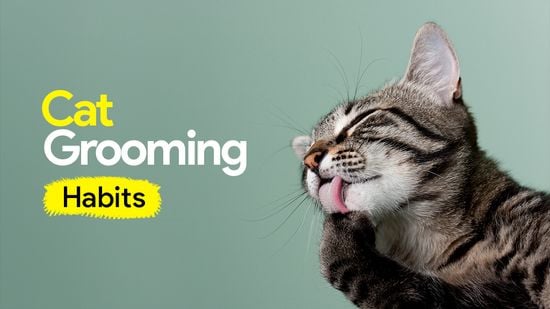
Have you ever watched your cat spend hours licking its fur and wondered, “Is this normal?” Grooming is a natural habit for cats, but how much is too much or too little?
Understanding what a normal amount of grooming looks like can help you keep your furry friend healthy and happy. You’ll discover the signs of healthy grooming, what could indicate a problem, and simple tips to support your cat’s self-care routine.
Keep reading to make sure your cat’s grooming habits are just right.
Cat Grooming Basics
Understanding cat grooming basics helps maintain your cat’s health and happiness. Cats are naturally clean animals, but they still need some help. Regular grooming keeps their fur smooth and skin healthy. It also helps you spot any health issues early. Grooming is more than just cleaning; it builds trust between you and your pet.
Why Grooming Matters
Grooming removes dirt and loose fur from your cat’s coat. It prevents hairballs caused by swallowing fur. Grooming also reduces shedding around the house. It keeps your cat comfortable and cool in warm weather. Regular grooming helps check for ticks, fleas, or skin problems. It promotes better blood circulation through gentle brushing. Grooming strengthens the bond between you and your cat.
Common Grooming Habits
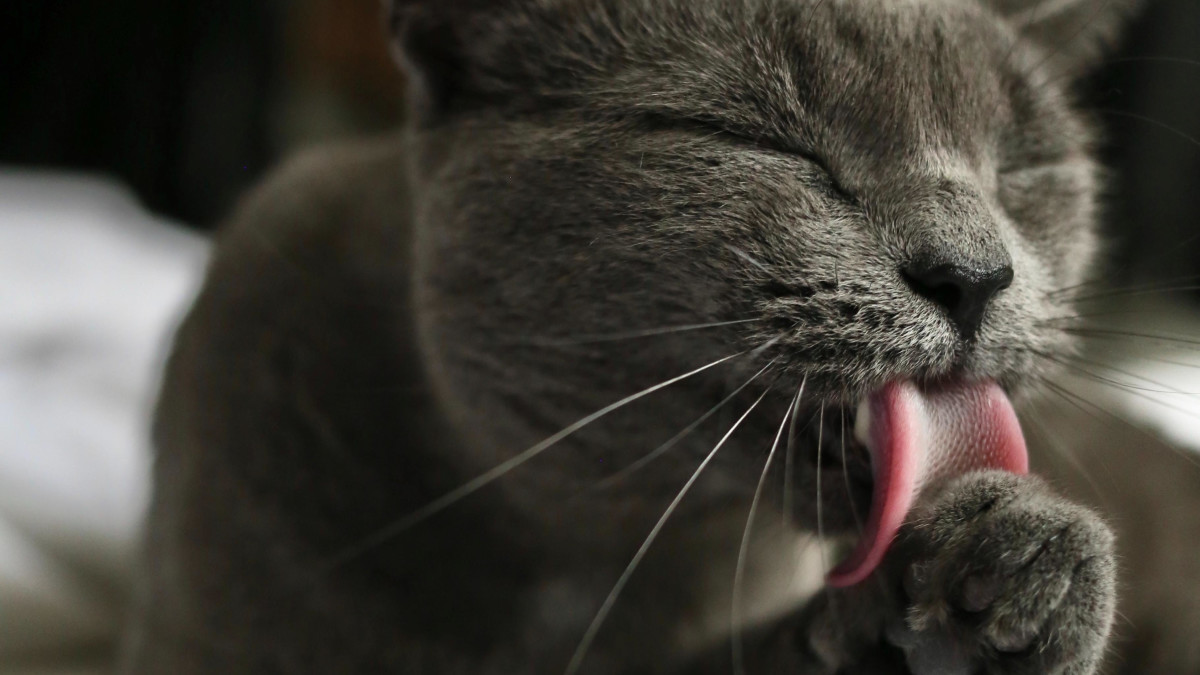
Cats usually lick themselves to stay clean. They use their tongues to remove dirt and loose hair. Some cats groom more than others, especially long-haired breeds. Most cats enjoy gentle brushing, but some can be sensitive. Nail trimming is part of grooming to prevent damage and pain. Cleaning ears and checking teeth are important grooming tasks. Bathing cats is rarely needed unless they get very dirty or sick.

Credit: www.latimes.com
Daily Grooming Needs
Daily grooming is essential for keeping your cat healthy and comfortable. It helps reduce shedding, prevents hairballs, and strengthens the bond between you and your feline friend. Understanding the specific grooming needs of your cat’s coat type will make this routine easier and more effective.
Short-haired Cats
Short-haired cats generally need less grooming than their long-haired counterparts. Brushing them 2-3 times a week is usually enough to remove loose fur and keep their coat shiny.
However, daily grooming can be beneficial during shedding seasons. It reduces hairballs and helps you spot any skin issues early.
Try using a soft-bristle brush or grooming glove. It’s gentle on their skin and feels like a mini massage, which many cats enjoy.
Long-haired Cats
Long-haired cats demand more attention. Daily grooming is often necessary to prevent tangles and mats that can cause discomfort or skin problems.
Invest in a wide-toothed comb and a slicker brush for the best results. These tools help detangle and remove loose undercoat hairs efficiently.
Have you noticed your long-haired cat avoiding grooming or scratching more? It might be time to increase your grooming sessions or consult your vet.
Signs Of Overgrooming
Overgrooming in cats means they groom themselves too much. It can cause problems and show that something is wrong. Cats usually clean themselves, but too much grooming can hurt their skin and fur. Spotting signs of overgrooming early helps keep cats healthy and happy.
Behavioral Indicators
- Constant licking or chewing a specific spot on the body
- Restlessness or anxiety
- Avoiding play or social interaction
- Excessive grooming after stressful events
- Repeated scratching or biting at the same area
- Changes in sleeping or eating habits
Physical Symptoms
- Red or irritated skin
- Bald patches or thinning fur
- Scabs or sores from licking
- Dry or flaky skin
- Swelling or inflammation in groomed areas
- Visible wounds or raw spots
Under-grooming Risks
Under-grooming in cats can lead to serious problems. Cats naturally clean themselves, but sometimes they may not groom enough. This lack of grooming can cause health issues and discomfort. Watch your cat closely for signs of poor grooming. Early care prevents many problems.
Health Concerns
Under-grooming can cause health risks for cats. Dirt and oils build up on their skin. This can attract bacteria and cause infections. Cats may develop painful sores or wounds. It also leads to bad odors and discomfort. Poor grooming can signal illness or stress. Regular grooming helps keep cats healthy and happy.
Fur And Skin Problems
When cats under-groom, their fur gets tangled and matted. Matted fur pulls on the skin, causing pain. It traps dirt and moisture, creating a breeding ground for parasites. Skin may become dry, flaky, or irritated. Hair loss can happen in bad cases. Grooming removes loose hair and spreads natural oils. This keeps the coat smooth and shiny.
Tools For Grooming
Cats typically spend 30-50% of their day grooming. This self-care helps them stay clean and maintain healthy fur.
Grooming your cat is not just about keeping them looking their best; it’s also essential for their health and happiness. Having the right tools can make the grooming process smoother and more enjoyable for both you and your feline friend. Do you know which grooming tools are essential for your cat’s well-being?Brushes And Combs
Using the right brush or comb can make a world of difference in your cat’s grooming routine. Cats with long hair, like Persians, often need a slicker brush to remove tangles and mats. Short-haired cats, such as Bengals, benefit from a rubber brush or a bristle brush to remove loose fur and reduce shedding. Regular brushing not only keeps your cat’s coat shiny but also helps you bond with them. Have you ever noticed how much your cat enjoys being brushed? It’s a moment of affection and trust.Bathing Supplies
Although cats are known for their cleanliness, occasional baths might be necessary, especially if your cat gets into something sticky or smelly. For these instances, having the right bathing supplies can be a lifesaver. A gentle cat shampoo is a must. Human shampoos can irritate their skin, so ensure you’re using one formulated specifically for cats. A non-slip mat in the tub can prevent accidents and make bath time less stressful for your furry friend. Do you have a towel ready for the post-bath snuggle? Cats often feel vulnerable after a bath, so wrapping them in a warm towel can be comforting. Remember, grooming is not just about the tools but also about creating a calm and loving environment for your pet.
Credit: www.latimes.com
Grooming Tips For Owners
Grooming your cat is essential for their health and happiness. Regular care helps avoid matting, reduces shedding, and strengthens your bond. Many cats enjoy grooming when it fits into their daily life. A calm and steady approach works best for both you and your pet.
Creating A Routine
Set a specific time each day for grooming. Cats feel safer with predictable schedules. Short sessions work better than long ones. Start with a few minutes and increase gradually. Use the same brush or comb every time. This helps your cat get used to the tools. Praise and gentle petting encourage good behavior. Keep grooming tools within easy reach.
Handling Difficult Cats
Some cats resist grooming due to fear or discomfort. Stay calm and patient during these moments. Try grooming after playtime when they are relaxed. Wrap your cat gently in a towel to keep them still. Use soft strokes and avoid sensitive areas at first. Offer treats to create positive associations. If needed, ask a vet or groomer for advice. Never force grooming; it can cause stress or injury.
When To See A Vet
Knowing when to take your cat to the vet is just as important as regular grooming. Cats are masters at hiding discomfort, so subtle signs might be the only clues you get. Recognizing these signs early can prevent serious health problems and keep your furry friend happy and healthy.
Skin Issues
Look closely at your cat’s skin and coat during grooming sessions. Patches of missing fur, redness, or scabs are red flags you should not ignore. Persistent scratching or biting at the same spot might signal allergies, infections, or parasites.
If your cat’s skin looks oily or flaky, or if you notice unusual lumps or bumps, it’s time to get a professional opinion. Sometimes what seems like dry skin can be a sign of an underlying illness. Don’t wait until the problem worsens—early vet visits can make a big difference.
Behavioral Changes
Changes in your cat’s behavior often go hand in hand with health issues. If your cat suddenly grooms less or excessively, this can indicate pain or stress. Notice if your cat hides more, stops eating, or becomes unusually aggressive during grooming.
Think about the last time your cat enjoyed grooming time. Has that changed? If your cat resists being touched or seems uncomfortable, it might be trying to tell you something is wrong. These behavioral shifts are clear signals to consult your vet without delay.

Credit: justcatsclinic.com
Frequently Asked Questions
How Often Do Cats Groom Themselves Daily?
Cats groom themselves several times a day, usually between 2 to 6 sessions. Grooming helps maintain their coat, remove dirt, and regulate body temperature. It also reduces stress and promotes bonding in multi-cat households. Excessive grooming may indicate health issues.
What Is Normal Grooming Behavior In Cats?
Normal grooming includes licking fur, cleaning paws, and rubbing the face. Cats spend about 10-15% of their waking hours grooming. This behavior keeps their coat clean, controls parasites, and soothes nerves. Changes in grooming patterns can signal health or emotional problems.
Can Grooming Frequency Indicate Cat Health?
Yes, changes in grooming frequency can reveal health issues. Less grooming might suggest pain, arthritis, or dental problems. Excessive grooming may indicate allergies, skin infections, or stress. Regular grooming patterns usually mean your cat is healthy and comfortable.
Should I Help Groom My Cat Regularly?
Helping groom your cat can be beneficial, especially for long-haired breeds. Brushing prevents matting, reduces hairballs, and strengthens your bond. Start grooming sessions gently and gradually to keep your cat comfortable and relaxed.
Conclusion
Cats groom themselves many times a day to stay clean and healthy. Normal grooming helps remove dirt and loose fur. Watch for changes in grooming habits—they can signal health issues. Regular brushing from owners also supports their natural grooming. Understanding your cat’s grooming needs keeps them happy and comfortable.
Small efforts make a big difference in your cat’s well-being. Keep grooming simple and consistent for best results. Your cat will thank you with a shiny coat and bright eyes.


Leave a Reply