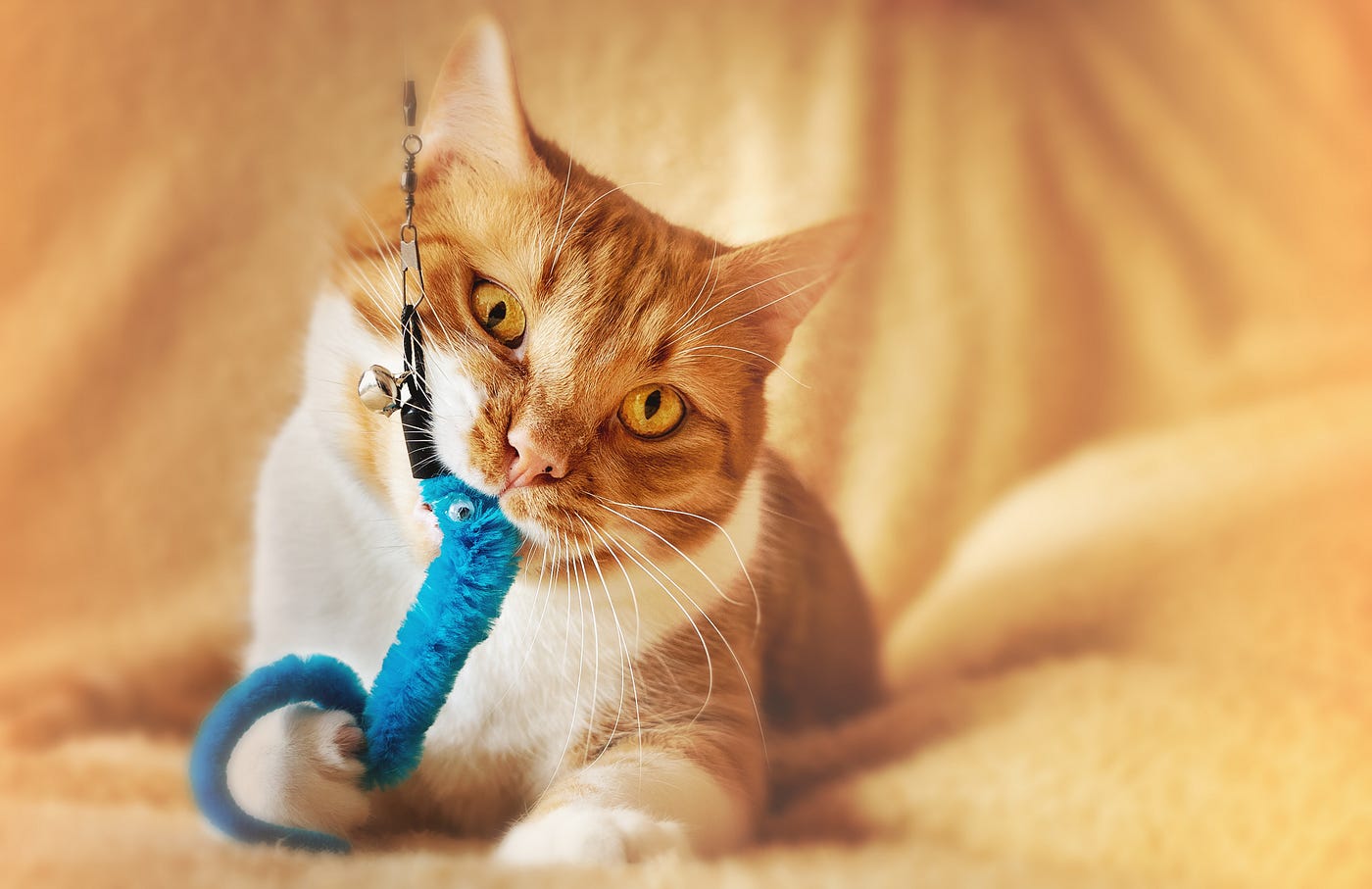
Have you ever wondered why your cat sometimes ignores their toys? The color of a toy might be the secret you’ve been missing.
Choosing the right color can make your cat more curious and excited to play. You’ll discover which toy colors catch your cat’s eye and why. By the end, you’ll know how to pick toys that keep your furry friend happy and active.
Ready to see your cat’s playtime change for the better? Let’s dive in!
Cats And Color Perception
Cats do not see the world in the same way humans do. Their vision is adapted to low light and hunting. Understanding how cats perceive color helps in choosing the right toys. The colors that catch a cat’s eye are different from those that attract humans. This makes color an important factor in selecting toys that engage your cat.
How Cats See Colors
Cats have fewer color receptors in their eyes than humans. They see a limited range of colors. Their vision is mostly tuned to blues and greens. Reds and pinks appear more like shades of gray or dark brown. Cats rely more on brightness and movement than color. Their eyes are excellent in dim light, helping them spot small prey.
Colors That Attract Cats
Bright blues and greens stand out to cats the most. These colors are easier for them to distinguish. Toys in these hues can grab their attention quickly. Yellow and violet may also be visible but less bright. Avoid red or orange toys, as cats see them as dull. Contrast matters too; a brightly colored toy on a dark floor is easier to find.
- Blue toys encourage play and curiosity
- Green toys mimic natural prey colors
- Bright colors combined with movement attract cats
- Neutral or dull colors may be ignored
Best Colors For Cat Toys
Choosing the right colors for your cat’s toys can make a surprising difference in how much they enjoy playtime. Cats see colors differently than humans, so picking toys that stand out to them can keep their attention longer and encourage more active play.
Blue And Green Toys
Cats are more sensitive to blue and green shades because their eyes can detect these colors better than others. Toys in these colors often appear brighter and more interesting to cats, making them ideal for interactive play.
Imagine your cat batting around a bright green feather or chasing a blue ball across the floor—they are more likely to stay engaged. If you want to boost your cat’s interest, try adding blue or green toys to their collection.
Yellow And Orange Toys
Yellow and orange are also visible to cats, though not as vividly as blue or green. These warm colors can stand out against many home environments, helping your cat spot their toys easily.
Using yellow or orange toys can add variety and stimulate your cat’s curiosity. Have you noticed your cat’s eyes light up when a bright orange toy moves? These colors can spark that extra excitement in play sessions.
Avoiding Red And Pink
Red and pink toys often don’t catch a cat’s eye because their color vision is limited in the red spectrum. These colors may appear more like dull gray or black to your feline friend, reducing their appeal.
Keeping this in mind, you might want to skip red or pink toys if your cat seems uninterested. Instead, focus on colors that your cat can see clearly to keep their playtime lively and fun.
Choosing Toys By Cat’s Personality
Choosing toys by your cat’s personality can make playtime more enjoyable and stimulating. Each cat reacts differently to colors based on their temperament and preferences. Understanding these subtle cues can help you pick toys that truly capture their interest and keep them engaged.
Active Cats And Bright Colors
Active cats are drawn to vibrant, eye-catching colors like red, orange, and yellow. These bright hues stand out during fast movements, making it easier for your energetic feline to track toys as they chase and pounce.
Think about your own cat’s playful bursts. When my cat zooms around the room, she always goes for the bright feather wand rather than dull-colored balls. Bright colors help stimulate their hunting instincts and keep them focused.
Try toys in bright shades if your cat loves interactive play. You might notice they get more excited and play longer when the colors pop against their surroundings.
Shy Cats And Subtle Shades
Shy or cautious cats often prefer toys in soft, subtle colors like pastels, light blues, or gentle greens. These colors are less overwhelming and help create a calm environment for hesitant kitties.
If your cat tends to hide or seems overwhelmed by loud colors, try offering toys in muted tones. A soft lavender or pale green toy might invite gentle curiosity without causing stress.
Notice if your shy cat approaches toys more often when the colors blend quietly with their space. This subtlety can encourage them to explore and play at their own pace.

Credit: pawpawup.com.au
Material And Design Impact
The material and design of cat toys affect how cats see and interact with them. Cats rely on more than color alone to decide if a toy is interesting. Texture, shape, and added features play key roles. These elements combine to create toys that catch a cat’s attention and hold it. Choosing the right mix can make playtime more fun and stimulating for your pet.
Combining Color With Texture
Texture adds a new layer to a toy’s appeal. Soft, fuzzy surfaces attract cats that like to cuddle. Rough or crinkly textures excite cats that enjoy scratching and biting. Bright colors paired with varied textures make toys easier for cats to spot and explore. A toy with a smooth part and a bumpy area can invite different types of play. This variety keeps cats curious and engaged for longer periods.
Interactive Toy Features
Interactive features boost a toy’s fun factor. Moving parts, sounds, or hidden treats encourage cats to chase and paw. These elements trigger natural hunting instincts. Bright colors combined with motion are especially captivating. Toys that respond to a cat’s touch help build confidence and prevent boredom. Features like feathers, bells, or lights add excitement beyond just color and shape.
Diy Cat Toys Color Tips
Cats see colors differently than humans, favoring blue and green shades. Bright colors like red may appear dull to them. Choosing toys in blue or green helps catch their attention and keeps playtime fun.
Creating colorful toys for your cat can be a fun and rewarding DIY project. The colors you choose can play a significant role in how engaging the toy is for your feline friend. Cats have unique color vision, seeing shades of blue and green more vividly than reds or pinks. Crafting toys with these colors in mind can make playtime more appealing.Safe Paints And Dyes
Safety should be your top priority when crafting DIY toys. Avoid toxic paints and dyes, as they can harm your cat if ingested. Opt for non-toxic, pet-safe paints available at most craft stores. Consider using natural dyes from foods like turmeric or blueberries for a safe and vibrant touch. These options not only add color but are also safe if your cat decides to give the toy a taste. When painting or dyeing, ensure the colors are fully dry before giving the toy to your cat. This prevents any unwanted stains on your cat or your home.Colorful Household Items
Your home is a treasure trove of colorful items perfect for DIY cat toys. Look for unused fabric scraps, ribbons, or old t-shirts in shades of blue or green. These colors are more likely to capture your cat’s attention. Using household items not only saves money but also recycles materials that would otherwise go to waste. You can cut fabric into fun shapes or tie ribbons into bows for a simple and engaging toy. Have you ever noticed your cat’s fascination with a particular color in your home? This could be a hint toward their color preferences. Observing these habits can guide you in selecting the most captivating colors for your DIY projects. Incorporating these tips can enhance your cat’s playtime experience. What creative color combinations will you explore for your next DIY cat toy?
Credit: www.amazon.in
Tips To Boost Playtime
Keeping your cat engaged during playtime can make a huge difference in their happiness and health. Simple changes in how you present toys can spark curiosity and excitement. Let’s look at some practical tips that will help you boost your cat’s playtime energy.
Rotating Toys For Interest
Have you noticed your cat losing interest in the same toys day after day? Rotating toys keeps things fresh and surprising for your feline friend. Put some toys away for a few days, then bring them back to feel new again.
Try grouping toys by type or color and switch them out every few days. This prevents boredom without needing a constant stream of new toys. Your cat will stay curious and eager to play whenever a “new” toy appears.
Using Color To Stimulate Activity
Colors can influence your cat’s attention more than you might think. Cats see blues and greens better than reds or pinks, which can appear dull to them. Choosing toys in these colors can naturally draw their eye and encourage interaction.
Have you ever seen your cat ignore a bright red toy but chase a blue one eagerly? This happens because their eyes are wired to pick up certain colors more vividly. Use this knowledge to pick toys that grab their focus quickly and keep them moving.

Credit: www.amazon.in
Frequently Asked Questions
What Colors Do Cats See Best In Toys?
Cats see blue and green colors best. Their eyes detect these hues more clearly. Bright red or orange toys appear dull to them. Choosing blue or green toys makes playtime more engaging and visible for cats.
Are Bright-colored Toys Better For Cat Play?
Bright colors like blue and green attract cats more. These colors stand out in their vision spectrum. Toys in these colors stimulate hunting instincts and encourage active play. Bright toys help cats focus and enjoy interactive sessions.
How Does Toy Color Affect Cat Attention?
Cats focus better on contrasting, bright colors. Toys with clear, vivid colors catch their eyes easily. Dull or red toys may not hold their interest well. Using high-contrast colors improves engagement and playtime quality.
Can Color Impact A Cat’s Toy Preference?
Yes, cats tend to prefer toys in blue and green. These colors align with their natural color perception. Colorful toys can stimulate their curiosity and playfulness. Selecting the right color enhances their overall toy experience.
Conclusion
Cats see colors differently than humans do. Bright colors like blue and green often catch their eyes best. Choosing toys in these colors can keep your cat interested and active. Remember, texture and movement also matter a lot. A colorful toy that moves or makes noise can excite your cat more.
Watch how your cat reacts to different toys. This helps you find the perfect color and style. Happy cats play more, and healthy cats are happier pets.



Leave a Reply