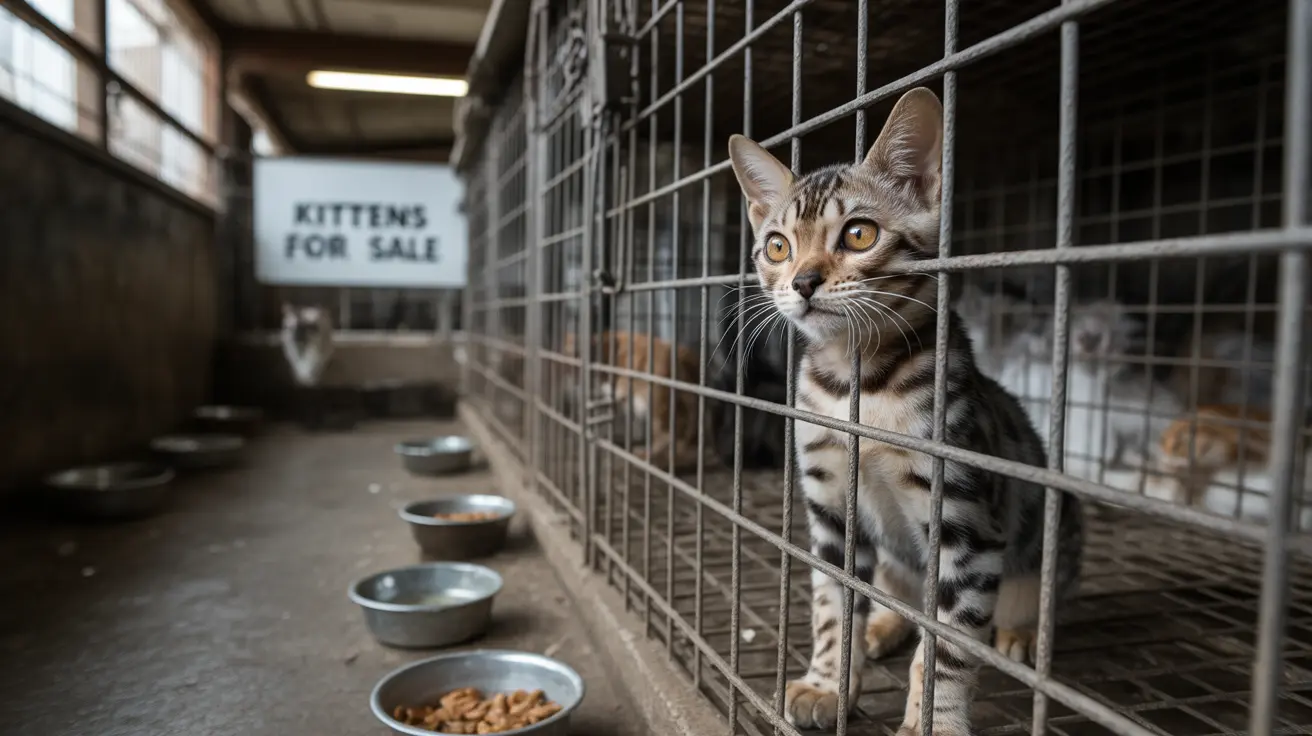
Have you ever wondered where some cats come from before they reach pet stores or online ads? If you care about animals, you need to know what a cat breeding mill is.
These places are often hidden behind closed doors, yet they affect the lives of thousands of cats and their future owners every day. Understanding what goes on in a cat breeding mill can help you make smarter choices for your next furry friend.
Keep reading to uncover the truth and protect both yourself and the cats you love.

Credit: animalrescuecorps.org
Cat Breeding Mills Explained
Cat breeding mills are large-scale operations focused on producing many cats quickly. Their main goal is profit, not the cats’ well-being. These mills prioritize quantity over quality, often ignoring the animals’ health and comfort. Understanding how these places work helps highlight why they are harmful.
Common Practices
Cat breeding mills use many cats for breeding at once. Female cats are bred repeatedly without rest. Kittens are taken from their mothers too early. These mills often sell cats to pet stores or online. Minimal care is given to cats’ medical needs. Breeding focuses on popular traits rather than health. Sick or weak cats are usually ignored or discarded.
Typical Conditions
Conditions in cat breeding mills are often poor and crowded. Cats live in small cages with little space to move. Cleanliness is usually low, leading to disease spread. Food and water may be inadequate or dirty. Cats show signs of stress and fear due to confinement. Lack of social interaction causes behavioral problems. Many cats suffer from untreated illnesses or injuries.
Impact On Cats’ Health
Cats raised in breeding mills often face serious health challenges that affect their entire lives. These environments prioritize quantity over quality, leading to neglected care and unchecked genetic problems. Understanding how these conditions impact a cat’s health can help you make more informed choices about adoption and support for animal welfare.
Physical Problems
Cats from breeding mills frequently suffer from chronic physical issues. Overbreeding causes genetic defects like heart disease, respiratory problems, and malformed bones.
Many cats develop infections due to overcrowded and unsanitary living spaces. Their immune systems weaken because they lack proper nutrition and veterinary care.
- Recurring eye and ear infections
- Dental disease from poor hygiene
- Skin conditions caused by parasites or stress
Have you noticed how some cats struggle with mobility or have unusual physical traits? This often points back to unhealthy breeding practices.
Behavioral Issues
Behavioral problems are common in cats from mills. Without early socialization, they may develop fear, anxiety, and aggression.
These cats often show withdrawal or excessive vocalization, signs of emotional distress. The constant noise and lack of human interaction can leave lasting trauma.
- Difficulty trusting new people
- Destructive behaviors like scratching and biting
- Excessive hiding or avoidance
Have you ever wondered why some cats have trouble adjusting to home life? Their early environment plays a huge role in shaping their behavior.
Ethical Concerns
Cat breeding mills, often called kitten factories, raise ethical concerns. These facilities prioritize profit over the well-being of cats. The conditions in these mills can be distressing and harmful. Understanding the ethical issues can help raise awareness and encourage change.
Animal Welfare Violations
Cat breeding mills often neglect basic animal care standards. Cats live in cramped, unsanitary conditions, leading to health issues. They lack socialization, exercise, and medical care. This environment causes stress and suffering for the animals.
Kittens are separated from their mothers too early. This affects their development and well-being. The lack of proper care results in physical and behavioral problems.
Exploitation For Profit
Profit drives the operations of cat breeding mills. They prioritize quantity over quality, leading to overbreeding. This results in a surplus of cats, contributing to the overpopulation crisis.
Breeders often ignore the genetic health of cats. This leads to hereditary diseases and shortened lifespans. The focus remains on producing as many kittens as possible, regardless of their health or future.
These practices exploit cats for financial gain, disregarding their welfare. Raising awareness of these concerns is crucial for change.

Credit: www.fourpawsusa.org
Signs Of A Breeding Mill
Recognizing a cat breeding mill is crucial to protect cats from poor treatment. Signs often reveal a place focused on profit, not animal welfare. Identifying these signs helps prevent supporting unethical breeders.
Appearance Of Facilities
Breeding mills often have cramped, dirty spaces. Cats live in small cages stacked closely together. There is little room for exercise or rest.
The area may smell bad and look unclean. Food and water bowls are often dirty or empty. Bedding is usually soiled or missing.
Many cats are kept in one room, with poor ventilation. The facility might have broken windows or doors. It rarely looks like a loving home for cats.
Health Indicators In Cats
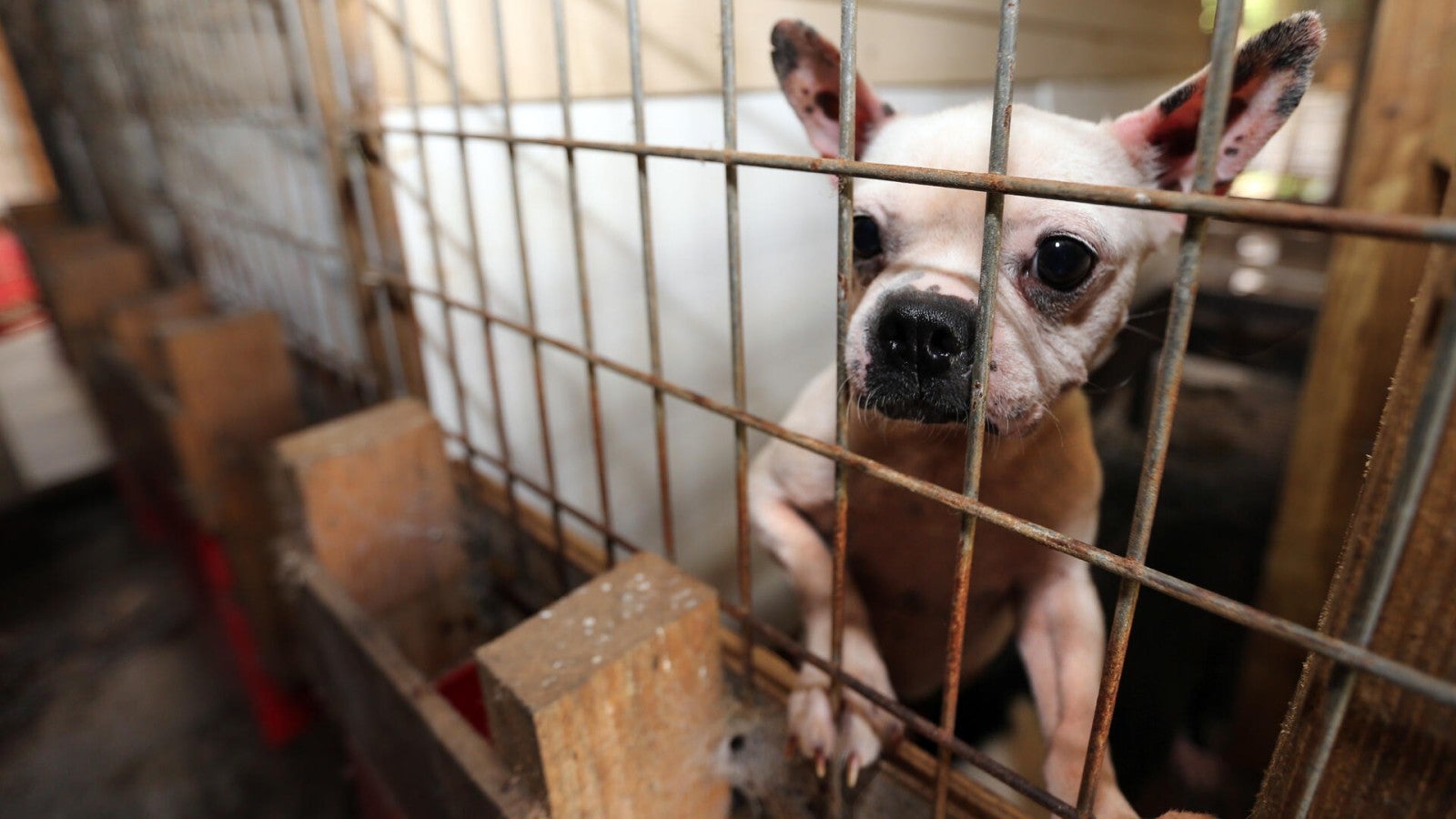
Cats from breeding mills often show signs of poor health. They may have matted fur and visible wounds. Eyes can be watery or crusty.
Many cats look thin or have swollen bellies. Respiratory issues like coughing or sneezing are common. Parasites such as fleas or ticks may be present.
Behavioral signs include fearfulness or aggression. Cats might avoid people or seem overly nervous. These signs reflect stress and lack of care.
Legal Regulations
Legal regulations play a crucial role in controlling cat breeding mills. These laws aim to protect the welfare of cats and ensure breeders maintain humane conditions. Understanding these rules helps you identify responsible breeders and avoid supporting harmful practices.
Laws And Enforcement
Many countries have specific laws targeting animal breeding facilities. These laws often set standards for space, hygiene, and veterinary care. For example, the Animal Welfare Act in the United States requires breeders to provide adequate food, water, and shelter.
Enforcement of these laws varies widely. Some regions have regular inspections and strict penalties for violations. Others lack resources, leading to fewer checks and continued animal suffering.
Challenges In Regulation
One major challenge is the hidden nature of many breeding mills. They often operate in private homes or remote locations, making detection difficult. Without whistleblowers or complaints, authorities may never discover poor conditions.
Another issue is inconsistent law application. Even when laws exist, enforcement can be weak due to limited funding or lack of trained inspectors. This gap allows some mills to continue exploiting cats for profit.
Have you ever wondered why some breeders seem above board while others hide their operations? Understanding legal limits and enforcement realities can help you make smarter decisions when choosing where to get your next feline friend.
Credit: www.humaneworld.org
Alternatives To Breeding Mills
Breeding mills often prioritize profit over the well-being of cats, leading to poor living conditions and health issues. Thankfully, there are better ways to bring a feline friend into your life that support animal welfare and promote ethical treatment. You have choices that make a real difference for cats and their future.
Adoption Options
Consider adopting from shelters or rescue groups. These organizations care deeply about each cat’s health and happiness before they find a new home.
You might find a cat with a unique personality that matches your lifestyle perfectly. Many cats in shelters are already vaccinated and spayed or neutered, saving you additional expenses.
Have you ever thought about the joy of rescuing a cat that needs a second chance? Adoption allows you to give a loving home to a cat that truly deserves one.
Responsible Breeders
If you prefer a specific breed, seek out responsible breeders who focus on health, temperament, and ethical breeding practices.
Such breeders provide transparency about their cats’ health history and living conditions. They often welcome visits so you can see the environment where kittens grow up.
Supporting responsible breeders discourages the demand for breeding mills. Would you want to support someone who cares for animals as much as you do?
Frequently Asked Questions
What Is A Cat Breeding Mill?
A cat breeding mill is a commercial facility that breeds cats in large numbers. They prioritize profit over animal welfare. Conditions are often overcrowded and unsanitary, leading to poor health and well-being of cats.
How Do Cat Breeding Mills Affect Cat Health?
Cats in breeding mills often suffer from genetic defects, diseases, and stress. Lack of proper veterinary care worsens their health. Poor living conditions increase the risk of infections and behavioral problems.
Why Should People Avoid Buying Cats From Breeding Mills?
Buying from mills supports unethical breeding practices and animal suffering. Cats from mills may have health and behavioral issues. Adopting from shelters or responsible breeders is a better choice.
What Are The Signs Of A Cat Breeding Mill?
Signs include multiple litters, overcrowded cages, poor hygiene, and lack of veterinary care. Cats may appear sick, fearful, or underweight. These indicate neglectful and unethical breeding conditions.
Conclusion
Cat breeding mills cause harm to animals and families. They keep cats in small, dirty cages without proper care. Many cats from mills have health and behavior problems. Choosing pets from shelters or responsible breeders helps animals live better lives.
Everyone can help stop breeding mills by spreading awareness. Protecting animals shows kindness and respect for life. Think carefully before adopting a cat. Give love to pets from safe, caring homes.

Leave a Reply