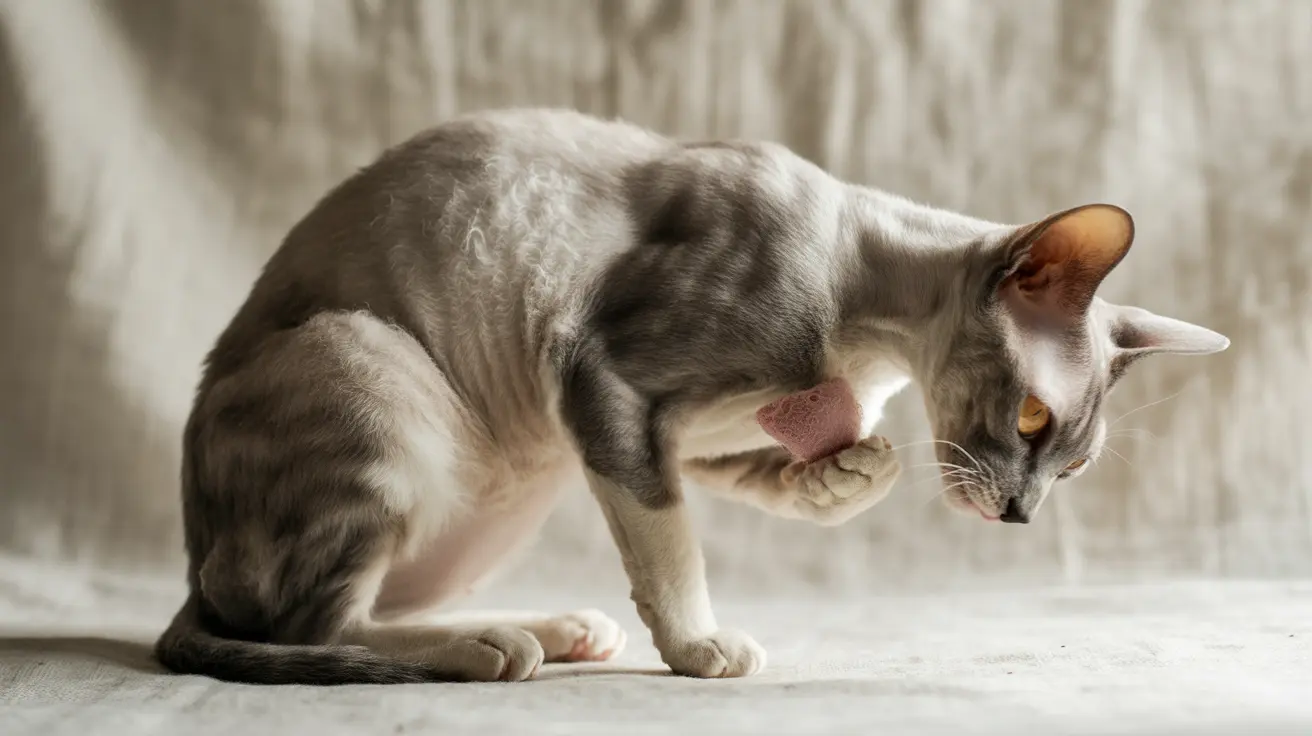
Have you noticed your cat licking or biting its fur more than usual? Over grooming in cats can be puzzling and worrying for any pet owner.
You might wonder why your furry friend is suddenly spending so much time cleaning themselves, sometimes to the point of causing sores or hair loss. Understanding what causes this behavior is key to helping your cat feel comfortable and happy again.
You’ll discover the common reasons behind over grooming and what you can do to support your pet’s well-being. Keep reading to learn how to spot the signs and take action before the problem gets worse.

Credit: www.reddit.com
Behavioral Triggers
Behavioral triggers play a big role in why cats over groom. Cats use grooming to calm themselves and cope with their feelings. When something upsets them, they may groom too much. Understanding these triggers helps in managing and preventing over grooming.
Stress And Anxiety
Stress is a common cause of over grooming in cats. Changes in the home, new pets, or loud noises can make cats anxious. Grooming helps them feel safe and in control. Too much stress leads to excessive grooming, causing skin problems.
Boredom And Lack Of Stimulation
Cats need mental and physical activity to stay happy. Without toys or playtime, they get bored. Boredom can cause cats to groom themselves too often. Providing stimulation can reduce this behavior and keep cats healthy.
Attention-seeking Behavior
Some cats groom excessively to get attention from their owners. If a cat feels ignored, over grooming may be a way to show distress. Responding with care and attention can help reduce this behavior.
Credit: najupets.com
Medical Causes
Over grooming in cats can often signal underlying medical problems. If your cat is licking or biting itself excessively, it’s important to consider that health issues might be the root cause. Understanding these medical triggers can help you address the problem effectively and improve your cat’s well-being.
Allergies And Skin Irritations
Allergies are a common reason cats over groom. Your cat might react to food ingredients, pollen, dust mites, or household chemicals. These irritants cause itchy skin, leading your cat to lick or scratch nonstop.
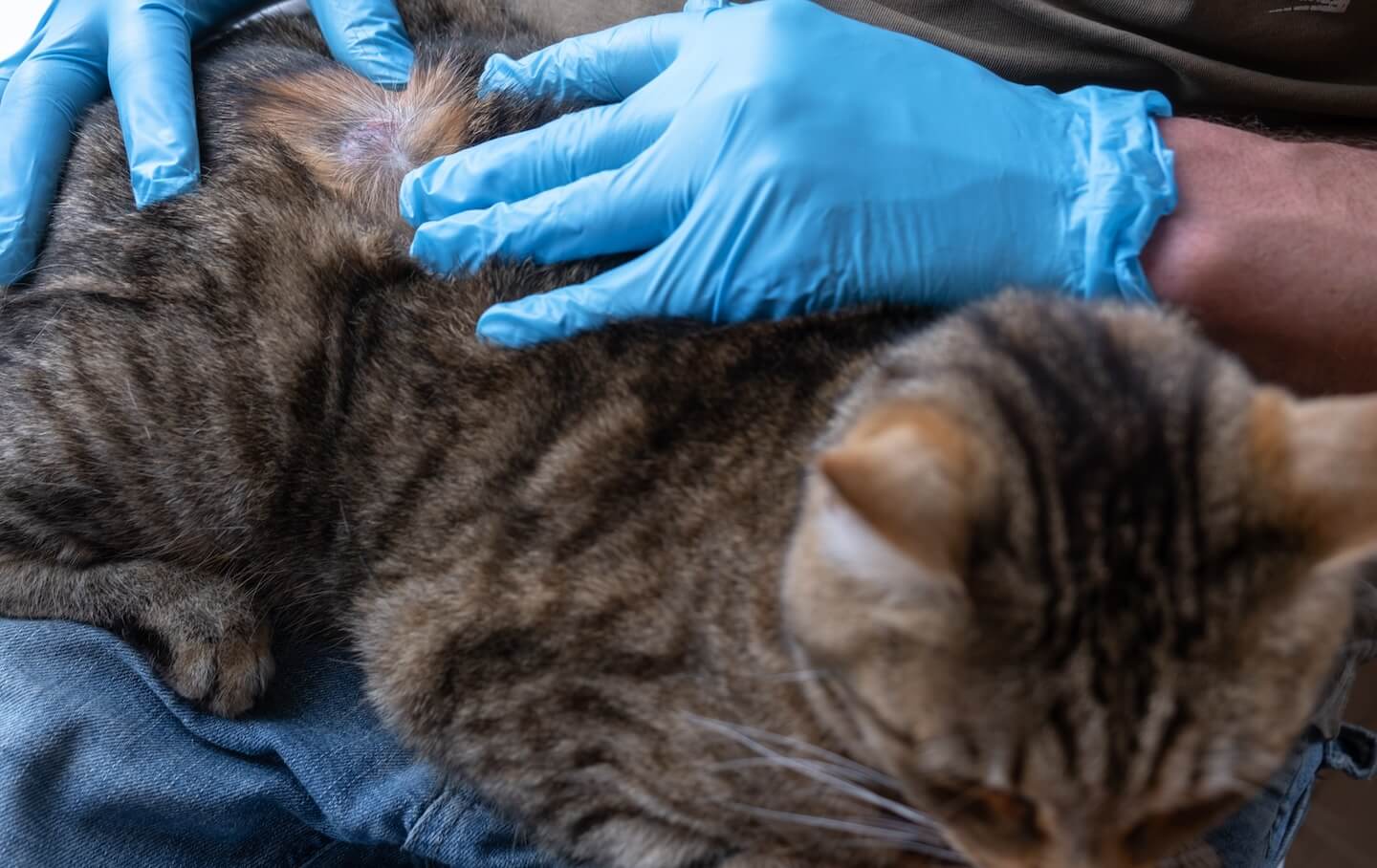
Have you noticed redness, bumps, or scabs on your cat’s skin? These signs often point to allergies or dermatitis. Managing your cat’s environment and diet can reduce these symptoms and stop over grooming.
Parasite Infestations
Parasites like fleas, mites, or ticks cause intense discomfort. Even a single flea bite can make your cat obsessively groom to relieve the itching. Parasite infestations don’t just cause over grooming—they can lead to infections if untreated.
Checking your cat regularly and using vet-approved parasite control products is crucial. Have you ever found tiny black specks or small moving dots on your cat’s fur? These could be flea dirt or mites and a sign your cat needs treatment immediately.
Pain And Discomfort
Sometimes over grooming is a response to pain. Cats might focus on a particular area if it’s sore or inflamed, trying to soothe themselves by licking. Conditions like arthritis, injuries, or even internal issues can trigger this behavior.
If your cat suddenly starts grooming one spot more than usual, ask yourself: could they be hurting there? A vet check-up can help identify hidden pain and provide relief before the grooming causes skin damage.
Environmental Factors
Cats are sensitive creatures. Their environment can greatly affect their behavior. Over grooming might be a sign of environmental stress. Understanding these factors helps provide a better home.
Changes In Surroundings
Even small changes can stress a cat. Moving furniture or redecorating can upset them. New smells and sounds disturb their routine. This stress may lead to over grooming. Cats like familiarity. They need time to adjust to changes.
Household Conflicts
Cats pick up on tension in the home. Arguments and loud noises cause anxiety. If pets fight, it adds stress. Cats may groom excessively to cope. A peaceful home helps keep them calm.
Lack Of Safe Spaces
Cats need quiet places to retreat. Lack of such spaces can cause stress. Over grooming might be their way to find comfort. Ensure they have safe spots to relax and feel secure.
Breed And Genetic Influences
Cats can over groom due to factors related to their breed and genetics. Certain breeds have traits that make them more prone to this behavior. Genetic makeup also plays a role in how a cat responds to stress or skin issues. Understanding these influences helps identify the root causes of over grooming.
Breed Predispositions
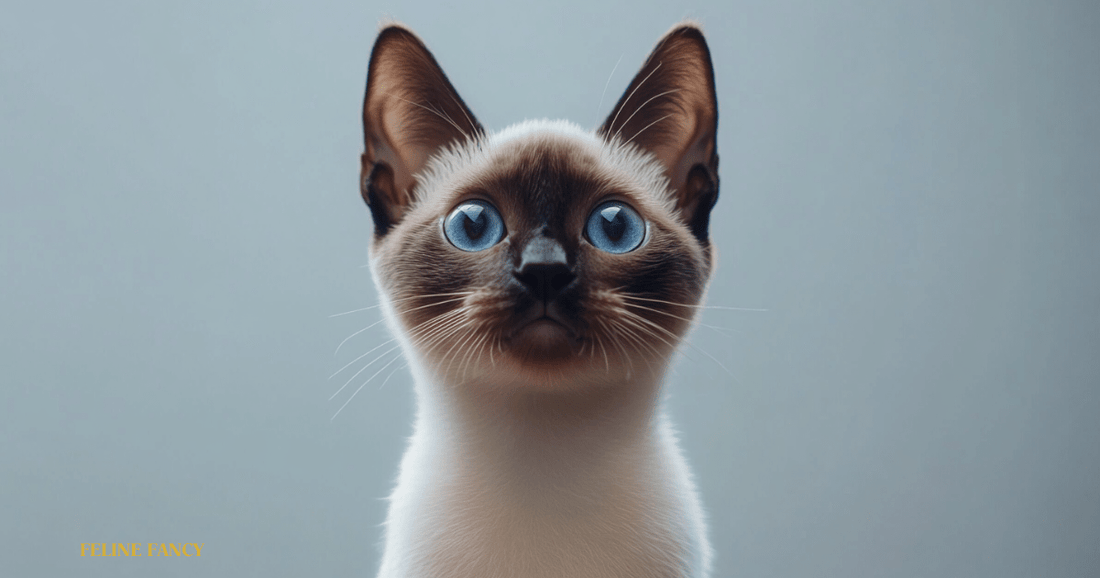
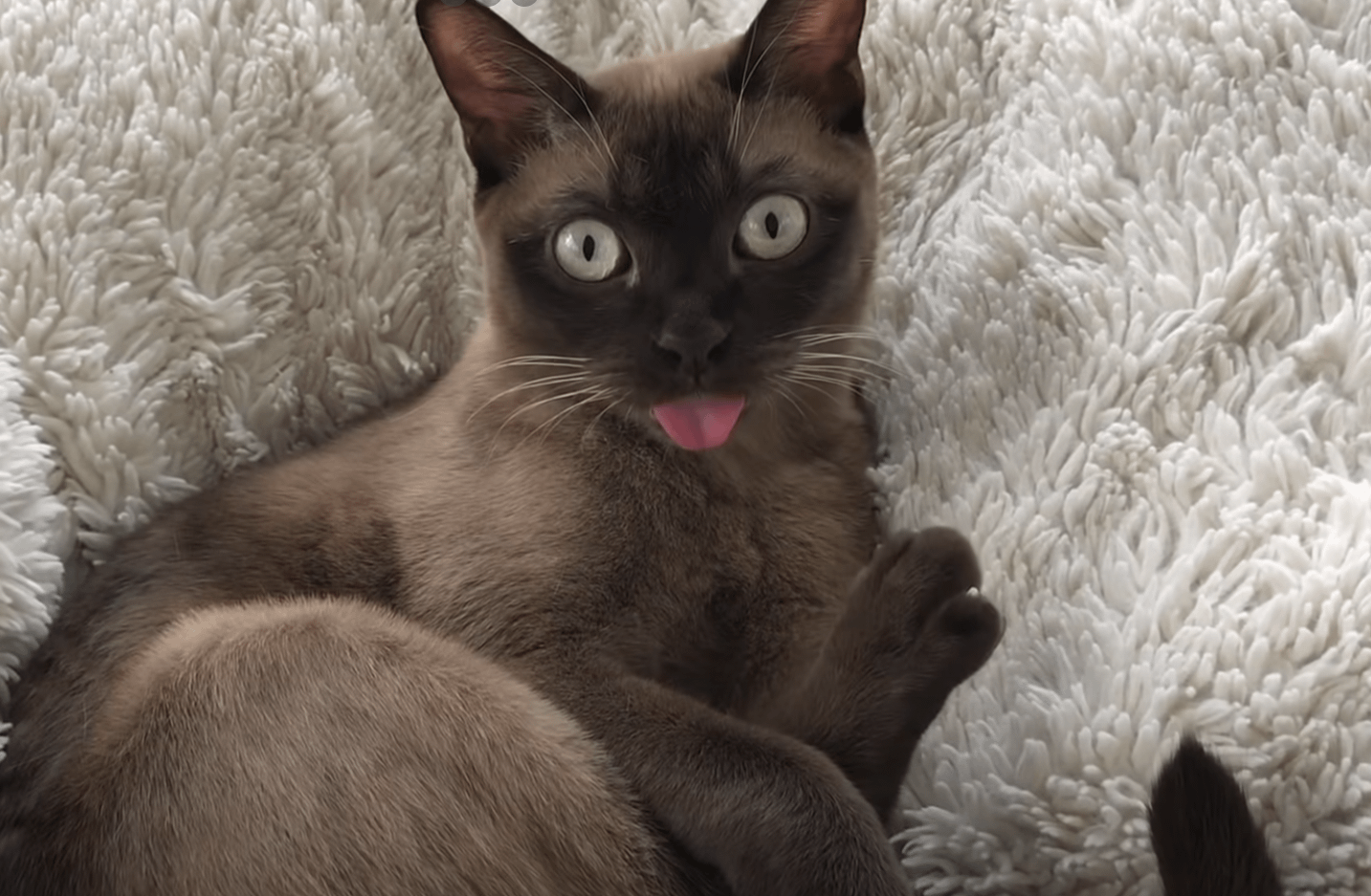
Some cat breeds are more likely to over groom than others. For example, Siamese and Burmese cats often show this behavior. These breeds have sensitive skin or nervous temperaments. They may groom excessively as a way to self-soothe or react to discomfort.
Other breeds, like the Sphynx, have unique skin types that can lead to irritation. This irritation might cause the cat to lick or scratch more. Recognizing breed tendencies helps owners watch for early signs.
Inherited Conditions
Genetic conditions can cause skin problems in cats. These problems often lead to over grooming. Some inherited allergies or immune system issues make cats itch or feel pain. The cat grooms to relieve the discomfort.
In some cases, genetic factors affect behavior directly. Certain genes may increase anxiety or stress levels. This can trigger repetitive grooming as a coping mechanism. Identifying inherited conditions allows for better care and treatment.
Preventing Over Grooming
Preventing over grooming in cats is essential for their health and happiness. Over grooming can cause skin problems and discomfort. Taking steps to reduce this behavior helps keep cats calm and content. Focus on their environment, health, and emotional state for best results.
Providing Enrichment
Cats need stimulation to stay happy. Toys, scratching posts, and climbing trees keep them busy. Rotate toys often to maintain interest. Interactive play sessions build a strong bond. Enrichment reduces boredom, a common cause of over grooming.
Regular Veterinary Checkups
Health issues often trigger over grooming. Skin infections, allergies, and parasites cause itching. Regular vet visits catch these problems early. Your vet can recommend treatments to ease discomfort. Timely care prevents worsening symptoms and repeated grooming.
Managing Stress Levels
Stress leads many cats to over groom. Loud noises, changes in routine, and new pets cause anxiety. Create a quiet, safe space for your cat. Use calming products like pheromone diffusers if needed. Consistent routines help cats feel secure and relaxed.

Credit: pennypaws.com
When To Seek Help
Knowing when to seek help for your cat’s over grooming is important. This behavior can point to deeper health or emotional issues. Early action helps prevent harm and eases your cat’s discomfort. Watch closely for signs that need expert care.
Recognizing Severe Symptoms
Some signs show over grooming is more than a habit. Look for:
- Open sores or bleeding spots on the skin
- Hair loss in large patches
- Swelling or redness around groomed areas
- Excessive scratching or biting causing injuries
- Changes in behavior like hiding or aggression
- Loss of appetite or lethargy
These symptoms mean your cat needs immediate attention. Ignoring them can lead to infections or chronic pain.
Consulting Professionals
Veterinarians can find the root cause of over grooming. They check for allergies, parasites, or skin infections. Sometimes, stress or anxiety triggers the behavior. A vet may suggest treatments or behavior changes. You might also need a pet behaviorist for emotional issues. Early professional help improves your cat’s quality of life. Don’t wait until the problem worsens.
Frequently Asked Questions
What Are Common Reasons For Cat Over Grooming?
Cats over groom due to stress, allergies, parasites, or skin infections. Behavioral issues and boredom also trigger excessive licking. Identifying the cause helps in providing proper treatment to stop over grooming.
How Does Stress Cause Cats To Over Groom?
Stress causes cats to over groom as a coping mechanism. Changes in environment, new pets, or loud noises can trigger anxiety. Reducing stressors and providing comfort can help minimize over grooming behaviors.
Can Allergies Lead To Cat Over Grooming?
Yes, allergies cause itching and irritation, leading cats to over groom. Common allergens include food, pollen, dust mites, and flea bites. Treating allergies often reduces excessive grooming and improves skin health.
When Should I See A Vet For Cat Over Grooming?
See a vet if over grooming causes hair loss, wounds, or infection. Persistent licking or sudden behavior changes require professional diagnosis. Early vet intervention prevents complications and promotes healing.
Conclusion
Over grooming in cats can signal stress, allergies, or health issues. Watch your cat’s behavior closely and act quickly. Early care helps prevent wounds and discomfort. Consult a vet for proper diagnosis and treatment. Understanding causes leads to better care and a happier pet.
Keep your cat calm, safe, and healthy every day. Small changes in the environment can make a big difference. Stay patient and observe your cat’s needs carefully.

Leave a Reply