Have you ever caught your curious kitten nibbling on your adult cat’s food and wondered, “Is this okay?” You’re not alone. Many pet owners worry about whether adult cat food is safe or healthy for their growing kittens.
What you feed your kitten now can shape their health for years to come. Keep reading to discover what happens if your kitten eats adult cat food, why it matters, and how to make sure your furry friend gets the nutrition they truly need.
Your kitten’s well-being depends on it!
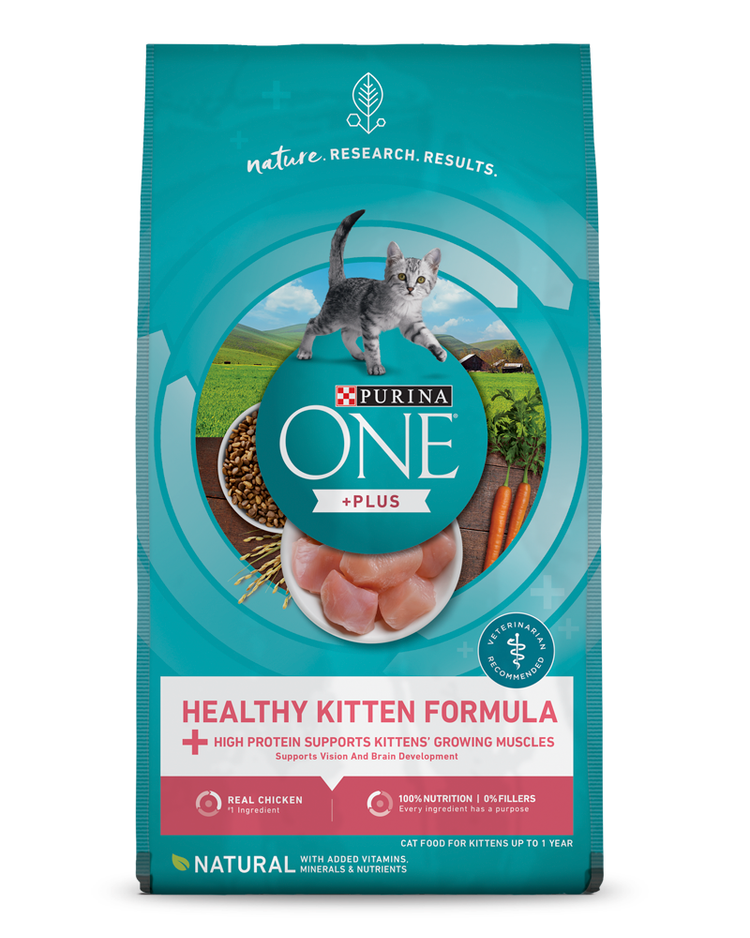
Credit: www.purina.com
Differences Between Kitten And Adult Cat Food
Understanding the differences between kitten and adult cat food is essential if you want to keep your furry friend healthy at every stage of life. Kittens have unique dietary needs that support their rapid growth and development. Feeding them adult cat food might seem convenient, but it can affect their overall well-being in ways you might not expect.
Nutritional Needs Of Kittens
Kittens need more calories than adult cats because they are growing quickly. Their bodies require extra protein and fat to build strong muscles and maintain energy levels. Key nutrients like DHA support brain and eye development, which are critical during their first few months.
Vitamins and minerals such as calcium and phosphorus are also higher in kitten food to promote healthy bone growth. If your kitten eats adult cat food regularly, they might miss out on these vital nutrients. Have you ever noticed your kitten seeming less active or smaller than expected? It could be related to their diet.
Formulation Of Adult Cat Food
Adult cat food is designed to maintain health rather than fuel growth. It contains fewer calories, protein, and fat compared to kitten food. This helps prevent obesity and other health issues in cats whose growth has stabilized.
The nutrient balance in adult cat food supports a mature cat’s metabolism and overall maintenance. Ingredients are tailored to meet the needs of cats who are less active than kittens. Feeding adult cat food to a kitten might leave them undernourished, even if they seem to be eating well.
Have you thought about how your kitten’s body might react if it lacks the right fuel during this critical growth phase? Choosing the right food ensures your kitten thrives and grows strong.
Potential Risks Of Feeding Kittens Adult Cat Food
Kittens need special nutrition to grow strong and healthy. Adult cat food does not meet these unique needs. Feeding kittens adult cat food can cause several problems. These risks affect their growth and overall well-being.
Nutrient Deficiencies
Adult cat food lacks certain vitamins and minerals essential for kittens. Kittens require extra protein and fat for energy and development. Adult food often has lower levels of these nutrients. Missing nutrients can slow their growth and weaken their immune system. This can make kittens more prone to illnesses.
Digestive Issues
Kittens have sensitive stomachs that need gentle food. Adult cat food can be hard for kittens to digest. This may cause upset stomachs, diarrhea, or vomiting. These digestive problems can lead to dehydration. It also reduces their ability to absorb important nutrients.
Long-term Health Effects
Feeding kittens adult food regularly can cause lasting harm. Poor nutrition during early life affects bone and muscle development. It may also lead to obesity or other health problems later. Kittens need balanced food to build a strong foundation. Proper kitten food supports a healthy future.
Signs To Watch After Kitten Eats Adult Cat Food
Kittens may show upset stomach or loose stools after eating adult cat food. Watch for low energy or changes in appetite as warning signs. Early attention helps keep your kitten healthy and comfortable.
When a kitten consumes adult cat food, it might not meet its nutritional needs. Kittens require a diet rich in calories, proteins, and essential nutrients. Adult cat food may lack these crucial components. This can lead to various signs and symptoms in kittens. Monitoring their behavior and physical condition is vital to ensure their well-being.Behavioral Changes
Kittens eating adult cat food may show unusual behavior. They might become less active or playful. You might notice they sleep more than usual. Changes in litter box habits could occur. They may start meowing more, showing discomfort. A decrease in curiosity or interaction can also be a sign.Physical Symptoms
Physical symptoms can be more apparent. Look for a dull coat or shedding. Weight loss or poor growth is a major sign. Digestive issues like diarrhea or vomiting may occur. Check for bloating or a tender abdomen. Slow development can also indicate nutritional deficiencies. Regular monitoring can prevent long-term health issues.Essential Tips For Feeding Kittens
Feeding kittens requires careful attention to their unique needs. Their growing bodies demand specific nutrients. Proper feeding supports healthy development and strong immunity.
Choosing the right food, setting a feeding schedule, and transitioning foods carefully are key steps. Each step ensures kittens get the best start in life.
Choosing The Right Food
Kittens need food rich in protein and fat. Look for products labeled for kittens or growth stages. These foods contain extra vitamins and minerals. Avoid adult cat food as it lacks essential nutrients for growth.
Wet and dry foods both work well. Wet food helps with hydration, while dry food supports dental health. Balance both types if possible.
Feeding Schedule And Portions
Kittens eat small amounts often. Feed them three to four times daily. This supports steady energy and healthy digestion.
Portion sizes depend on age and weight. Follow package guidelines or ask your vet for advice. Watch your kitten’s weight to avoid overfeeding or underfeeding.
Transitioning Between Foods
Switch foods gradually over 7 to 10 days. Mix a small amount of new food with the current food. Increase the new food slowly each day.
Sudden changes can cause upset stomach or refusal to eat. Patience helps kittens adjust smoothly to new diets.
When To Consult A Veterinarian
Knowing when to reach out to a veterinarian after your kitten has eaten adult cat food is crucial. Not every situation demands a vet visit, but some signs should never be ignored. Understanding these moments can help you act quickly and protect your kitten’s health.
Emergency Situations
If your kitten shows sudden vomiting, diarrhea, or lethargy after eating adult cat food, don’t wait to get help. These symptoms might indicate digestive upset or a more serious reaction. Difficulty breathing or swelling around the face and neck are red flags that require immediate veterinary attention.
Watch for signs like refusal to eat or drink, excessive drooling, or unusual behavior such as hiding or aggression. These could mean your kitten is in distress. When you see these, call your vet or an emergency clinic right away.
Routine Health Checks
Even if your kitten seems fine after eating adult cat food, scheduling a routine check-up is wise. Your vet can assess any subtle issues and ensure your kitten’s diet is balanced. This visit is a good chance to discuss switching back to kitten-specific food.
Regular vet visits help track your kitten’s growth and catch problems early. You might be surprised how small changes in diet affect their development. Have you noticed any differences in energy or coat condition? Your vet can guide you on what to watch for next.
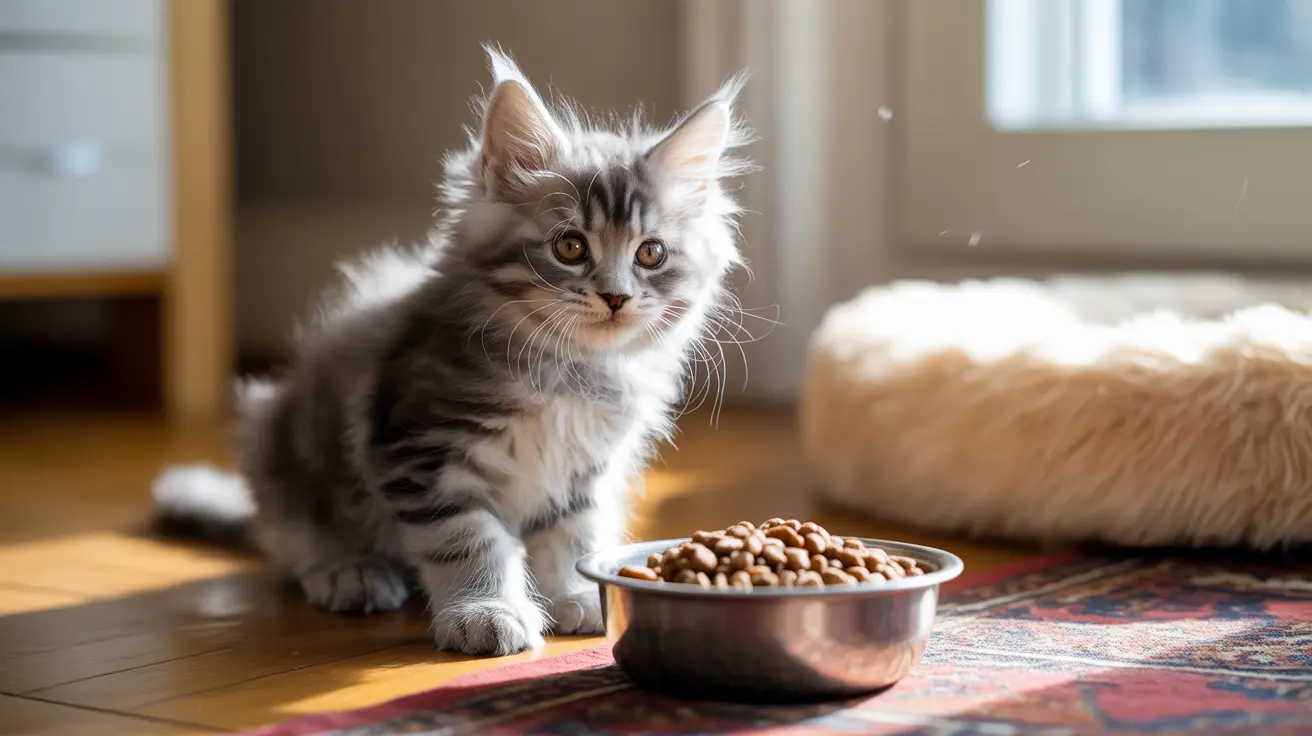
Credit: www.petscare.com
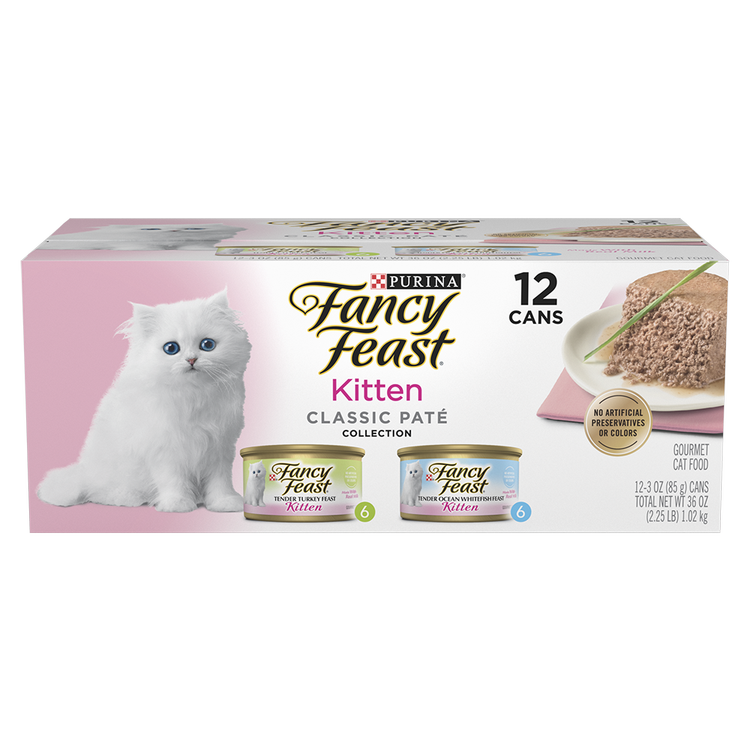
Credit: www.purina.com
Frequently Asked Questions
Can Kittens Eat Adult Cat Food Safely?
Kittens can eat adult cat food occasionally, but it’s not ideal. Adult food lacks essential nutrients for growth. Prolonged feeding may cause deficiencies and affect development. Always prioritize kitten-specific food for balanced nutrition and healthy growth.
What Happens If A Kitten Eats Only Adult Cat Food?
If a kitten eats only adult food, it may miss vital nutrients. This can lead to stunted growth, weak immunity, and health issues. Kitten food is specially formulated to support rapid development and energy needs.
How To Transition A Kitten From Adult To Kitten Food?
Transition gradually over 7-10 days by mixing adult and kitten food. Increase kitten food portion daily while reducing adult food. This helps avoid digestive upset and encourages acceptance of the new diet.
Is Adult Cat Food Harmful To Kitten’s Health?
Adult cat food is not immediately harmful but lacks necessary nutrients for kittens. Feeding it long-term can cause malnutrition and developmental problems. Always choose food designed for kittens to ensure proper health.
Conclusion
Kittens need food made just for them to grow strong and healthy. Adult cat food lacks some important nutrients kittens require. Eating only adult food can slow their growth and cause problems. Watch your kitten’s diet and give proper kitten food.
This helps avoid health risks and supports good development. Feeding the right food shows you care about your kitten’s future. Keep an eye on what your kitten eats every day. Healthy kittens grow into happy adult cats.

Leave a Reply