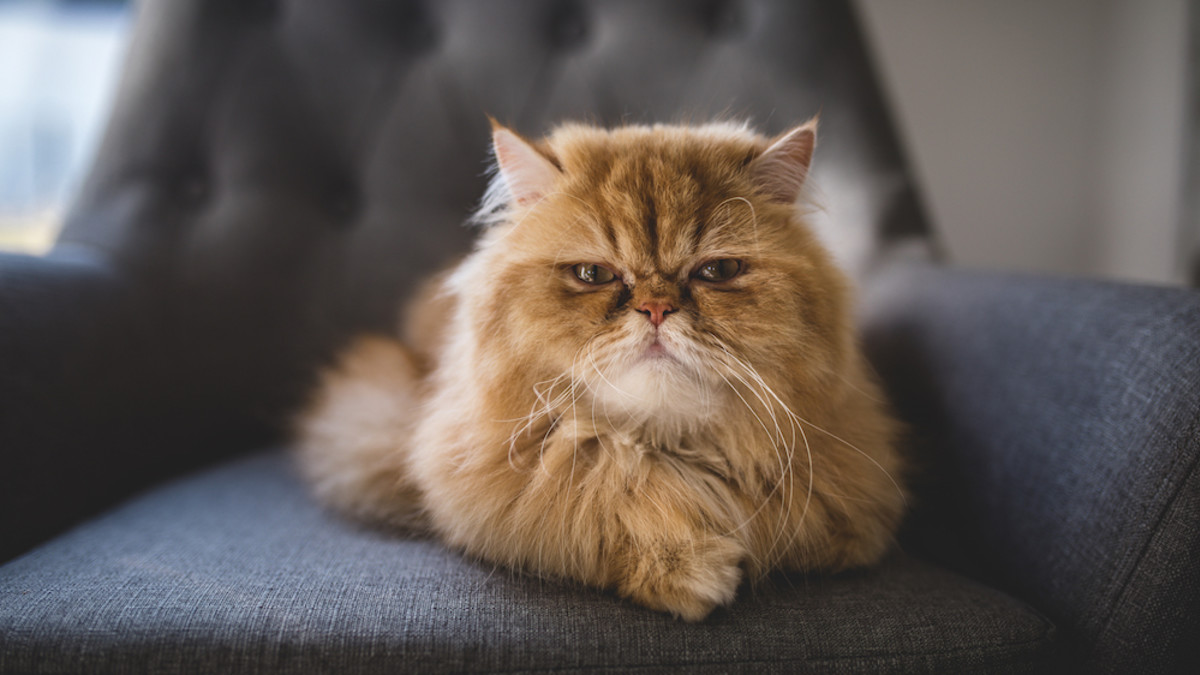
Have you ever wondered why you don’t see giant cats roaming around, like there are huge dogs? You might picture a massive feline companion curling up on your couch, but in reality, larger breeds of cats are rare.
If you’re curious about what stops cats from growing bigger and why their size stays mostly small or medium, this article is for you. By the time you finish reading, you’ll understand the surprising reasons behind a cat’s size and what it means for your furry friend’s health and happiness.
Ready to discover the truth about big cats? Let’s dive in.
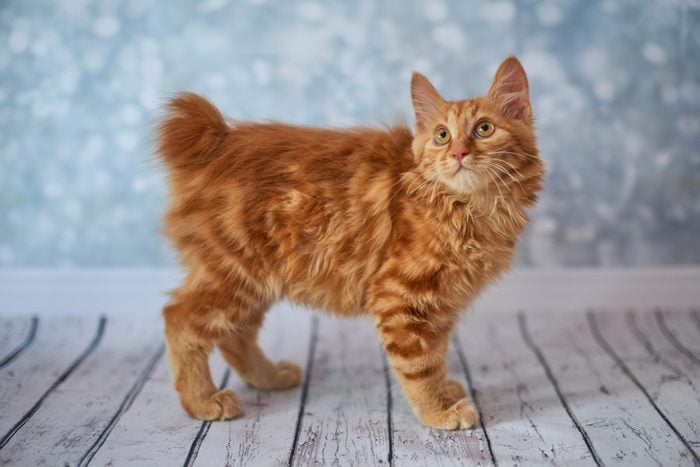
Credit: www.rd.com
Size Variations In Cat Breeds
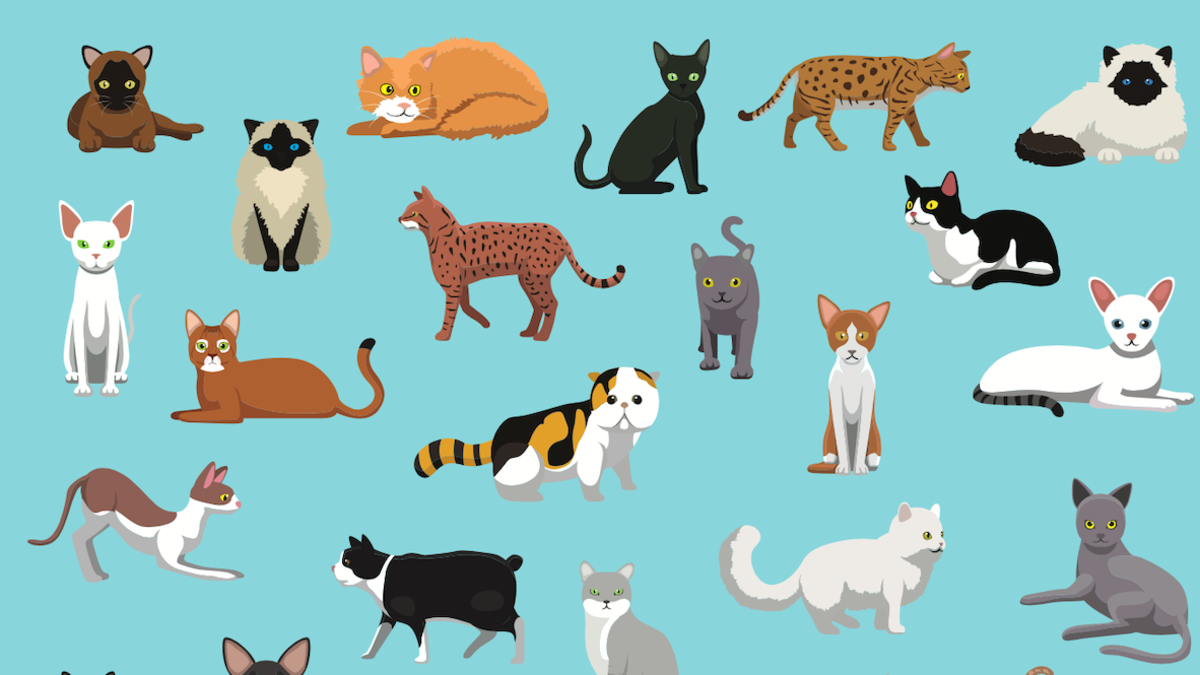
Size variations in cat breeds can be surprising. You might expect all cats to be roughly the same size, but that’s not true. Cats come in a range of sizes, from tiny to quite large, and this affects their personality, health, and care needs.
Common Small And Medium Breeds
Many popular cat breeds fall into the small to medium size category. These cats usually weigh between 5 to 12 pounds and fit comfortably in most homes.
- Siamese:Sleek and slender, Siamese cats are known for their striking blue eyes and vocal nature.
- British Shorthair:Stocky and round-faced, these cats have a calm demeanor and dense fur.
- American Shorthair:Versatile and sturdy, they adapt well to different environments.
These breeds are easy to manage and often preferred by first-time cat owners. Their size makes them agile and playful, but they still require regular exercise and mental stimulation.
Examples Of Larger Cat Breeds
Some cat breeds grow much larger than the typical housecat. These big cats can weigh over 15 pounds and have more muscle mass and bone density.
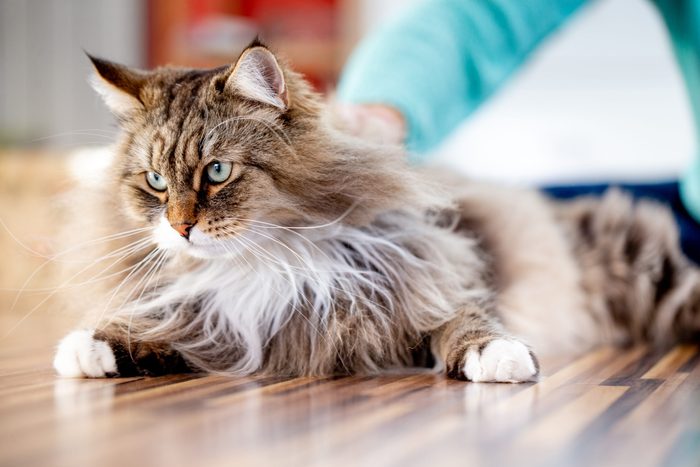
- Maine Coon:Known as the gentle giant, they can reach up to 18 pounds or more. Their thick fur and tufted ears make them look even bigger.
- Siberian:Another large breed, Siberians are strong and athletic with a thick triple coat. They often weigh between 15 and 20 pounds.
- Norwegian Forest Cat:Adapted to cold climates, they have a sturdy build and long fur, often tipping the scales at 16 pounds.
Owning a larger cat means you need to consider space and diet carefully. These cats enjoy climbing and jumping but also need room to roam. Have you noticed how their size can change the way you interact with them?
Credit: www.rd.com
Genetics Behind Cat Size
The size of cats depends largely on their genetics. Genes control their growth, bone structure, and muscle mass. These inherited traits decide whether a cat stays small or grows large. Understanding genetics helps explain why very large cat breeds are rare.
Role Of Inheritance
Cat size is passed down from parents to kittens through genes. Some genes promote bigger bones and stronger muscles. Others limit growth, keeping cats smaller. A kitten’s size reflects a mix of both parents’ genetic traits. This mix can vary widely, causing size differences even in the same litter.
Genetic diversity means many cats have medium or small sizes naturally. Only a few carry the genes for large size. These genes may not always show up in every generation.
Selective Breeding Challenges
Breeders try to create larger cats by choosing big parents. This selective breeding aims to strengthen size traits. But it is not easy to produce consistently large cats. Breeding for size alone can cause health problems.
- Joint and bone issues
- Heart and organ strain
- Reduced lifespan
Breeders must balance size with cat health and well-being. This limits how large cats can safely become. The careful selection process slows down the growth of very large breeds.
Health Concerns In Large Cats
Large cat breeds often face health issues like joint problems and heart disease. Bigger size puts extra stress on their bodies, causing shorter lifespans. Genetics and diet also play key roles in their health risks.
Large cat breeds often captivate with their majestic size and unique charm. Yet, their impressive stature can bring health challenges. Owners of bigger cats should be aware of specific health concerns. Understanding these can help in providing better care and ensuring a happy, healthy life for their feline friends.Joint And Bone Issues
Large cats carry more weight on their frames. This extra weight can strain their joints and bones. Arthritis is more common in these breeds. It can cause pain and limit movement. Regular check-ups with a vet can help catch early signs. A balanced diet and weight control also play a key role. Supplements like glucosamine might aid joint health.Lifespan Implications
Bigger cats often face shorter lifespans. Their size can lead to quicker aging. Heart and kidney problems are more frequent. Regular health screenings are essential. Early detection of issues can improve quality of life. Owners should focus on preventive care. This includes a nutritious diet and regular exercise.Environmental And Lifestyle Factors
Environmental and lifestyle factors play a huge role in why larger breeds of cats are less common than you might expect. These factors influence everything from their health to how well they adapt to everyday living spaces. Understanding these challenges helps you see why size isn’t the only thing that matters when choosing a cat breed.
Space Requirements
Larger cats need more room to roam and stretch. Unlike smaller cats that can comfortably live in apartments, big breeds often require spacious homes or access to safe outdoor areas.
If your living space is limited, a large cat might feel cramped and stressed. Think about your own home—do you have enough space for a bigger cat’s play and exercise needs?
Providing vertical space, like tall cat trees and shelves, can help. But even then, a larger cat usually needs more floor space to move freely and stay happy.
Dietary Needs
Larger cats eat more, and their diet must be carefully managed to avoid health issues. They require high-quality food rich in protein and balanced nutrients to support their bigger bodies.
Feeding a large breed cat can be costly, and overfeeding can lead to obesity, which is a big risk with bigger cats. Have you considered how much extra food and care you might need to provide?
Some large breeds also have specific dietary sensitivities. Consulting a vet about the right food type and portion sizes is essential to keep your cat healthy and energetic.
Popularity And Demand
Popularity and demand play a big role in why larger cat breeds are less common. Many people choose cats based on size, appearance, and temperament. Smaller cats often fit better in homes and apartments. This affects which breeds breeders focus on and offer to the market. Demand for more manageable pets keeps larger breeds less visible and less bred.
Owner Preferences
Many cat owners prefer smaller cats. Smaller cats are easier to handle and need less space. Some owners worry larger cats may be harder to care for. Cats that fit well in small homes or apartments are often chosen first. This preference shapes the demand for certain breeds over others.
Market Availability
The market reflects what buyers want. Breeders grow more popular breeds to meet demand. Larger breeds may be harder to find because fewer people want them. This lowers their availability in pet stores and shelters. Limited availability means less chance for these breeds to become popular.
Credit: www.rd.com
Conservation And Ethical Considerations
Conservation and ethical considerations play a major role in why larger breeds of cats are rare. Breeding very large domestic cats can raise serious welfare and environmental concerns. These concerns ensure we respect animal health and natural habitats.
Many people care about the wellbeing of animals and the impact of breeding on wild populations. This creates a balance between human interest and animal rights. It also affects how we view the growth of large cat breeds.
Breeding Ethics
Breeding larger cats often involves risks to their health. Problems like joint pain and heart issues can arise from selective breeding. Ethical breeders avoid pushing genetics beyond safe limits.
Responsible breeding focuses on the cat’s overall health and happiness. Avoiding exaggerated size helps prevent suffering. Breeders must think about long-term effects, not just size or looks.
Animal welfare groups stress the importance of natural traits. They discourage breeding that causes physical or behavioral problems. This helps keep cats healthy and content.
Wild Vs. Domestic Large Cats
Wild large cats like lions and tigers live in natural habitats. They have the space and diet to grow big and strong. Domestic cats do not have these conditions.
Trying to create domestic cats as large as wild cats is unrealistic. Wild cats have evolved for their size and lifestyle. Domestic cats evolved to be smaller and adaptable to homes.
Wild large cats face threats from habitat loss and poaching. Conservation focuses on protecting them in the wild. Creating bigger domestic cats does not help these efforts.
Respecting the difference between wild and domestic cats supports better care and conservation. It keeps our pets healthy and wild cats safe.
Frequently Asked Questions
Why Aren’t Domestic Cats Larger Breeds?
Domestic cats evolved to be small for agility and hunting efficiency. Larger size requires more energy and resources, which isn’t ideal for survival in typical home environments.
Do Genetics Limit Cat Size In Larger Breeds?
Yes, genetics play a major role in cat size. Larger breeds have specific gene combinations, but most cats inherit genes promoting smaller, more manageable sizes.
How Does Diet Affect Cat Breed Size?
Diet influences overall health but cannot significantly increase a cat’s genetic size potential. Proper nutrition supports growth within genetic limits, not beyond.
Are Larger Cat Breeds More Prone To Health Issues?
Larger cat breeds may face joint and heart problems due to their size. Responsible breeding aims to reduce these risks through careful genetic selection.
Conclusion
Larger cat breeds stay rare due to genetics and health risks. Bigger size means more care and special needs. Many cats stay small because it suits their lifestyle better. People often choose smaller cats for easier handling. Nature also favors smaller cats for survival.
Understanding these reasons helps explain the size difference. Every cat breed has its own charm and value. Size is just one part of what makes cats special.

Leave a Reply