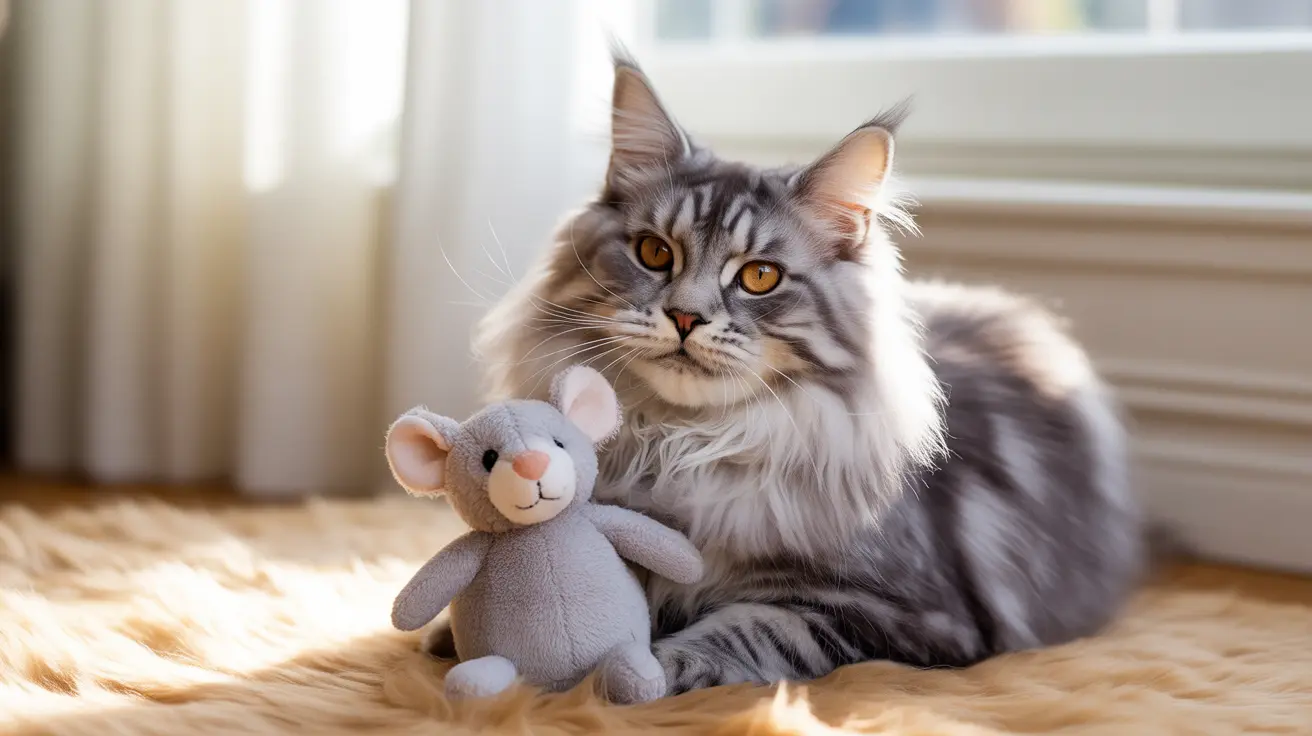
Do you have more than one cat but notice that one of them guards toys like a treasure? It can be frustrating when your furry friend becomes possessive over toys, making playtime stressful for everyone.
You want both cats to enjoy their toys without fights or tension. Understanding why your cat acts this way and learning simple steps to manage toy possessiveness can bring peace back to your home. Keep reading, and you’ll discover easy tips to help your cats share happily and play together without conflict.

Credit: www.yahoo.com
Signs Of Toy Possessiveness
Noticing signs of toy possessiveness in cats helps manage their behavior. It prevents fights and keeps peace at home. Cats show clear signals when they guard toys too closely. Recognizing these signs early makes it easier to handle the issue calmly.
Behavioral Indicators
- Growling or hissing when another cat approaches the toy
- Staring intensely at the toy while blocking access
- Swatting or batting at other cats near the toy
- Carrying the toy away to a hidden spot
- Sudden aggressive postures like puffed fur or arched back
- Refusing to share or play with other cats around
Impact On Other Cats
Toy possessiveness can cause stress and anxiety in other cats.
Other cats may avoid playtime or hide more often.
It can lead to fights or tension between cats.
Play becomes less fun and more competitive for them.
Sharing toys becomes difficult, affecting group harmony.
Reasons Behind Possessiveness
Understanding why your cat becomes possessive over toys can help you address the behavior effectively. Possessiveness often stems from deeper instincts, past experiences, or unique personality traits. Recognizing these reasons allows you to approach the issue with empathy and practical solutions.
Resource Guarding Instinct
Many cats have a natural instinct to protect valuable resources like food, resting spots, or toys. This behavior is rooted in survival, where guarding items ensures they don’t lose access to something important.
If your cat is toy possessive, it might be acting on this instinct, especially if other pets or people show interest in the toy. Have you noticed if your cat stiffens or growls when someone approaches their favorite item? This is a classic sign of resource guarding.
Past Experiences
Cats that have experienced scarcity or competition in their early lives may become more possessive. A cat rescued from a crowded shelter or a stressful environment might cling tightly to toys as a source of comfort and security.
Think about your cat’s background. Were they adopted from a shelter or rescue? These past experiences can shape their behavior today, making them more protective of their belongings.
Personality Traits
Every cat has a unique personality that influences how they interact with their environment. Some cats are naturally more territorial and assertive, while others are easygoing and social.
If your cat is highly independent or confident, they might show stronger possessiveness over toys. Have you observed if they tend to dominate playtime or prefer solitary activities? Understanding their personality can guide you in managing possessive tendencies more effectively.
Safe Play Environment
Creating a safe play environment means giving each cat their own toys and space. Watch for signs of stress and gently redirect possessive behavior to keep peace. Providing multiple toys helps reduce fights over favorite items.
Creating a safe play environment is crucial when dealing with a toy possessive cat. This helps ensure that all your feline friends remain happy and stress-free. By setting up the right conditions, you can foster a harmonious atmosphere where playtime becomes enjoyable for every cat.Separate Play Areas
Designating separate play areas can be a game-changer. When one cat is overly possessive about toys, having distinct zones for each cat can help reduce tension. This way, each cat feels secure and can enjoy their toys without competition. Consider using different rooms or corners of a larger space. This separation allows each cat to have their own territory. You might notice your cats becoming more relaxed and playful when they have their own designated areas.Supervised Interaction
Supervised interaction can be vital when introducing a new toy or when one cat becomes too possessive. Being present during playtime lets you intervene if things get too heated. It also gives you a chance to encourage sharing and positive interactions. You can try redirecting the possessive cat with a different toy. This not only diffuses tension but also helps them learn that playtime can be inclusive. Ask yourself: how can you encourage your cats to play together harmoniously? Remember, your presence can make a difference. By being there, you’re not only monitoring but also actively promoting a peaceful play environment.
Credit: www.reddit.com
Toy Management Strategies
Managing toys can reduce fights over favorite items. Proper toy management helps keep peace and fun for all cats. It involves clever ways to offer toys and keep cats interested without causing jealousy or aggression.
Rotating Toys
Keep cats interested by switching toys regularly. Put some toys away for a few days. Then bring them back to make them feel new again. This prevents boredom and reduces possessiveness. Cats enjoy variety and surprise in their playthings.
Providing Multiple Toys
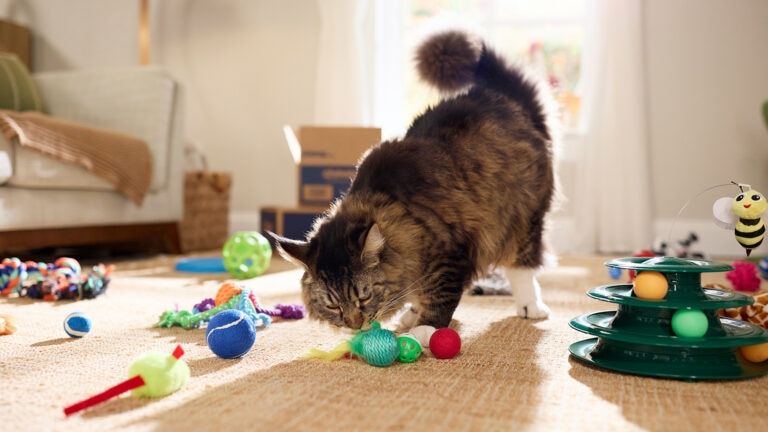
Give each cat its own set of toys. Offer several toys in different areas of the home. This reduces competition and fights over one toy. Cats can choose what they like without feeling threatened. Multiple toys mean more options and less stress.
Choosing Appropriate Toys
Pick toys that suit each cat’s personality and play style. Some cats like soft toys to carry. Others prefer interactive toys to chase. Avoid toys that encourage aggressive guarding. Choose toys that promote sharing and fun. Good toy choices help create a calm playtime environment.
Training Techniques
Training a cat to overcome toy possessiveness requires patience and clear communication. You need to show your cat what behavior is acceptable and rewarding. These training techniques create a positive learning environment for your cat to feel secure and less possessive.
Positive Reinforcement
Reward your cat when it shares toys or plays calmly around other cats. Use treats, gentle petting, or praise immediately after good behavior. This helps your cat link sharing with positive outcomes.
For example, if your cat lets another cat play with a toy, give a small treat right away. This makes your cat more likely to repeat the behavior. Have you noticed how quickly cats respond to food rewards?
Redirecting Attention
If your cat starts guarding a toy aggressively, gently distract it with a new toy or activity. This shifts focus away from the possessive behavior without confrontation. You can try waving a feather wand or tossing a ball to catch your cat’s interest.
Redirecting works because cats often seek stimulation. When you offer a fresh distraction, it reduces stress around the toy. What new toy could you introduce to spark your cat’s curiosity?
Teaching Sharing Behavior
Encourage your cat to take turns with toys by introducing multiple toys during playtime. Spread toys around the room so each cat has its own. This lowers competition and makes sharing easier.
Practice inviting your cat to play together with another cat using interactive toys like a string or laser pointer. Praise calm interactions and gently separate if tension rises. Training sharing builds trust and improves harmony.
When To Seek Professional Help
Knowing when to seek professional help for your cat’s toy possessiveness can make a big difference in restoring peace at home. Sometimes, the issue goes beyond simple jealousy or play aggression and requires expert guidance. Recognizing the right moment to ask for help ensures your cat’s behavior improves without causing stress to you or your furry friends.
Signs To Watch For
Observe if your cat’s possessiveness turns into aggressive behavior like growling, hissing, or swatting when another pet approaches their toys.
Watch for repeated destructive behavior, such as tearing up toys or furniture, which signals frustration or anxiety.
If your cat isolates itself or shows signs of stress, like excessive grooming or loss of appetite, it’s a warning sign you shouldn’t ignore.
- Does your cat guard toys aggressively even when no one is near?
- Is there an increase in fights or tension between your cats?
- Are the possessive episodes getting longer or more intense?
Answering yes to any of these questions means it’s time to consider professional help.
Behaviorist Consultation
A certified animal behaviorist can assess your cat’s environment and behavior to create a tailored plan.
They can help identify triggers you might have missed and suggest practical changes to reduce possessiveness.
During consultation, expect a detailed discussion about your cat’s daily routine, social interactions, and even medical history.
- They may recommend behavior modification techniques you can easily apply at home.
- Sometimes, introducing environmental enrichment like new toys or play areas helps.
- In rare cases, a vet might suggest medication to manage anxiety or aggression.
Have you noticed how small adjustments sometimes fix big problems? A behaviorist can guide you to those adjustments with confidence.
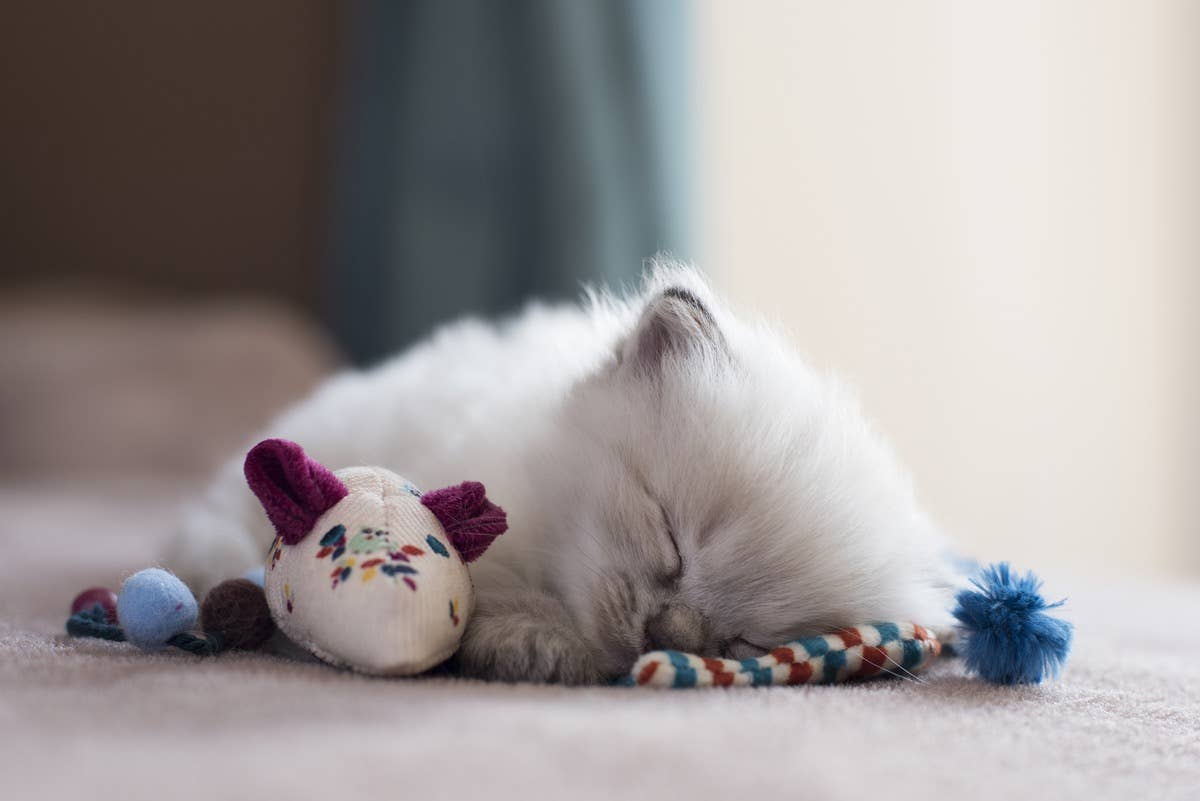
Credit: paradepets.com
Frequently Asked Questions
How To Stop A Cat From Being Toy Possessive?
Create multiple play areas with separate toys for each cat. Use positive reinforcement to reward sharing. Avoid punishing your cat, as it may increase possessiveness.
Why Is My Cat Possessive Over Toys?
Cats may feel insecure or stressed, leading to possessiveness. Toys can represent valuable resources, so your cat guards them to feel safe and in control.
Can Toy Possessiveness Cause Fights Between Cats?
Yes, possessiveness over toys can trigger aggression and fights. Providing enough toys and space helps reduce competition and promotes peaceful interactions.
What Toys Are Best To Reduce Possessiveness?
Offer interactive toys and puzzle feeders that engage both cats. Rotate toys regularly to maintain interest and reduce guarding behavior over specific items.
Conclusion
Dealing with a cat that guards toys can be tricky. Patience and clear rules help reduce possessiveness. Offer plenty of toys so no one feels left out. Play with your cats separately to avoid fights. Reward calm behavior to encourage sharing.
Over time, your cats can learn to play nicely together. Keep watching and adjust your approach as needed. Peace at playtime is possible with consistent care.

Leave a Reply