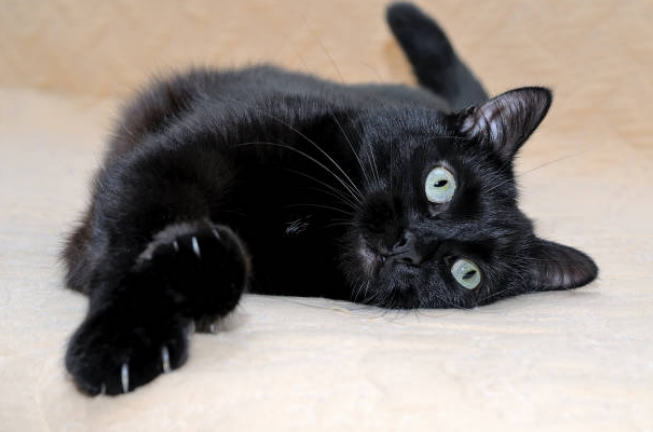
Are you thinking about bringing a Bombay cat into your home? These sleek, black-coated cats are known for their striking looks and playful nature.
But before you welcome one into your family, it’s important to know what health problems Bombay cats might face. Understanding these issues can help you keep your furry friend happy and healthy for years to come. Keep reading to discover the key health concerns you should watch out for and how to protect your Bombay cat from common risks.
Credit: www.kingpet.uk
Common Health Issues
Understanding the common health issues that Bombay cats may face helps you provide better care and catch problems early. These cats are generally healthy, but like any breed, they have their vulnerabilities. Knowing what to watch for can make a big difference in your cat’s well-being.
Respiratory Problems
Bombay cats can be prone to respiratory issues, especially if they inherit traits from breeds with shorter noses. You might notice your cat sneezing more often or having noisy breathing. If your cat shows signs of difficulty breathing or persistent coughing, it’s important to consult a vet quickly.
Keeping your home free from smoke, strong perfumes, and dust can reduce the risk of respiratory irritation. Have you noticed your Bombay reacting to certain environments? Tracking these triggers can help you avoid problems before they start.
Dental Diseases
Dental health is often overlooked but plays a big role in your cat’s overall health. Bombay cats can develop tartar buildup and gum disease if their teeth aren’t cleaned regularly. You might see bad breath, drooling, or difficulty eating as warning signs.
Regular brushing and dental check-ups can prevent painful issues. Have you ever felt unsure about how to care for your cat’s teeth? Starting with simple daily routines can keep dental problems at bay and save you vet visits later.
Skin Conditions
Skin problems can affect Bombay cats, especially if they have allergies or sensitivities. Watch for excessive scratching, redness, or hair loss, which could indicate irritation or infection. These symptoms often point to issues like flea allergies or dermatitis.
Using gentle shampoos and keeping your cat’s environment clean helps maintain healthy skin. Have you noticed your cat scratching more than usual? Early attention to skin changes can prevent discomfort and complicated treatments.
Genetic Risks
Bombay cats are known for their sleek appearance and playful nature, but like many purebred cats, they carry certain genetic risks. Understanding these risks can help you provide better care and catch potential health issues early. Are you ready to learn which genetic problems could affect your Bombay cat?
Hypertrophic Cardiomyopathy
Hypertrophic Cardiomyopathy (HCM) is a heart condition common in many cat breeds, including Bombays. It causes the walls of the heart to thicken, making it harder for the heart to pump blood efficiently. You might not notice symptoms at first, but your cat could experience lethargy, difficulty breathing, or sudden collapse.
Regular veterinary check-ups with heart scans can detect HCM early. If you own a Bombay cat, ask your vet about screening options. Early detection can make a big difference in managing this condition.
Progressive Retinal Atrophy
Progressive Retinal Atrophy (PRA) leads to gradual vision loss in Bombay cats. This genetic disorder causes the retina to deteriorate over time, eventually resulting in blindness. You might notice your cat becoming less active or bumping into things as their eyesight worsens.
There is no cure for PRA, but knowing your cat’s genetic background helps. You can create a safe home environment and keep their routine consistent to ease their adjustment.
Polycystic Kidney Disease
Polycystic Kidney Disease (PKD) causes cysts to form in the kidneys, impairing their function. Though more common in Persian cats, Bombay cats can also be affected due to shared ancestry. Symptoms often appear later in life and include increased thirst and urination.
Genetic testing is available to identify PKD risk. If your Bombay cat tests positive, regular monitoring and diet changes can slow the disease’s progress. Would you consider genetic screening for your pet to stay ahead of health issues?
Diet And Nutrition Concerns
Bombay cats need a balanced diet to stay healthy and active. Proper nutrition helps prevent many health problems. Owners must watch their cat’s eating habits closely. Feeding the right food supports a strong immune system and shiny coat. Poor diet choices can lead to serious issues.
Two main diet concerns for Bombay cats are weight management and food allergies. Managing these can improve their quality of life and longevity.
Weight Management
Bombay cats can gain weight easily if overfed. Obesity increases risks of diabetes and joint problems. Portion control is crucial to keep their weight normal. Feeding measured amounts and avoiding free feeding helps. Choose cat food with balanced protein and fat levels.
Regular play and exercise also help burn calories. Monitor your cat’s weight monthly to catch changes early. Consult a vet for a healthy weight plan tailored to your cat.
Food Allergies
Some Bombay cats develop food allergies or sensitivities. Symptoms include itching, digestive upset, and hair loss. Common allergens are beef, dairy, and fish. Identifying the cause requires careful observation and sometimes vet testing.
Switching to hypoallergenic or limited-ingredient diets can reduce symptoms. Always introduce new foods slowly to avoid reactions. Keeping a food diary helps track what works best for your cat.
Credit: wopet.com
Preventive Care Tips
Preventive care plays a key role in keeping Bombay cats healthy and happy. It helps catch problems early and avoids serious issues. Simple daily habits and regular professional care protect your cat’s well-being. Follow these tips to give your Bombay the best chance for a long, healthy life.
Regular Vet Checkups
Schedule vet visits at least once a year. These visits help detect health issues early. The vet checks weight, teeth, eyes, and overall condition. Early detection of diseases like heart or kidney problems improves treatment success. Keep a record of your cat’s health history for the vet.
Vaccination Schedule
Follow a strict vaccination plan to prevent common cat diseases. Core vaccines include feline distemper, calicivirus, and rabies. Kittens need a series of shots, then annual boosters. Ask your vet about vaccines based on your area and lifestyle. Vaccinations protect your Bombay from serious infections.
Dental Hygiene
Clean teeth reduce the risk of gum disease and infections. Brush your cat’s teeth with pet-safe toothpaste regularly. Provide dental treats or toys to help remove plaque. Watch for signs like bad breath or difficulty eating. Good dental care supports overall health and comfort.
Signs To Watch For
Bombay cats are known for their sleek black coats and affectionate nature. Yet, like all breeds, they can face health issues. Recognizing early signs can help ensure their well-being. Below are key signs to watch for.
Behavioral Changes
Noticeable changes in behavior can signal health problems. A usually active cat becoming lethargic might indicate illness. Increased aggression or hiding more often than usual can also be warning signs. Monitor any sudden changes in their daily habits. Eating less or avoiding playtime needs attention. These changes might suggest stress or an underlying condition.
Physical Symptoms
Physical symptoms often provide clues about a cat’s health. Look for changes in their coat, such as dullness or excessive shedding. Unexplained weight loss or gain is also important to note. Check for any limping or difficulty moving. These could point to joint or muscle issues. Observe their eyes and nose for discharge. Persistent sneezing or coughing can indicate respiratory problems.

Credit: wopet.com
Frequently Asked Questions
What Are Common Health Issues In Bombay Cats?
Bombay cats often face respiratory problems and heart diseases. They may also develop obesity and dental issues. Regular vet check-ups help detect these early. Proper diet and exercise reduce risks significantly.
Do Bombay Cats Have Genetic Health Risks?
Yes, Bombay cats can inherit hypertrophic cardiomyopathy (HCM). This heart condition thickens the heart walls. Responsible breeders screen for HCM to reduce its occurrence. Genetic testing is recommended before breeding Bombay cats.
How To Prevent Health Problems In Bombay Cats?
Provide balanced nutrition and regular exercise for your Bombay cat. Schedule annual veterinary visits for early disease detection. Maintain dental hygiene and monitor for respiratory symptoms. Early care ensures a healthier, longer life for your Bombay cat.
Are Bombay Cats Prone To Obesity?
Yes, Bombay cats can gain weight easily without enough exercise. Obesity increases risks of diabetes and joint problems. Feed measured portions and encourage playtime. Keeping a healthy weight boosts overall health and longevity.
Conclusion
Bombay cats can face health problems like heart disease and respiratory issues. Regular vet visits help catch problems early. Feeding them a balanced diet keeps them strong. Watch for signs like coughing or tiredness. Early care improves their quality of life.
Knowing common health risks helps you protect your cat. Loving attention and good care make a big difference. Keep your Bombay cat happy and healthy every day. Simple steps prevent serious health troubles. Caring well means more years with your pet.




Leave a Reply