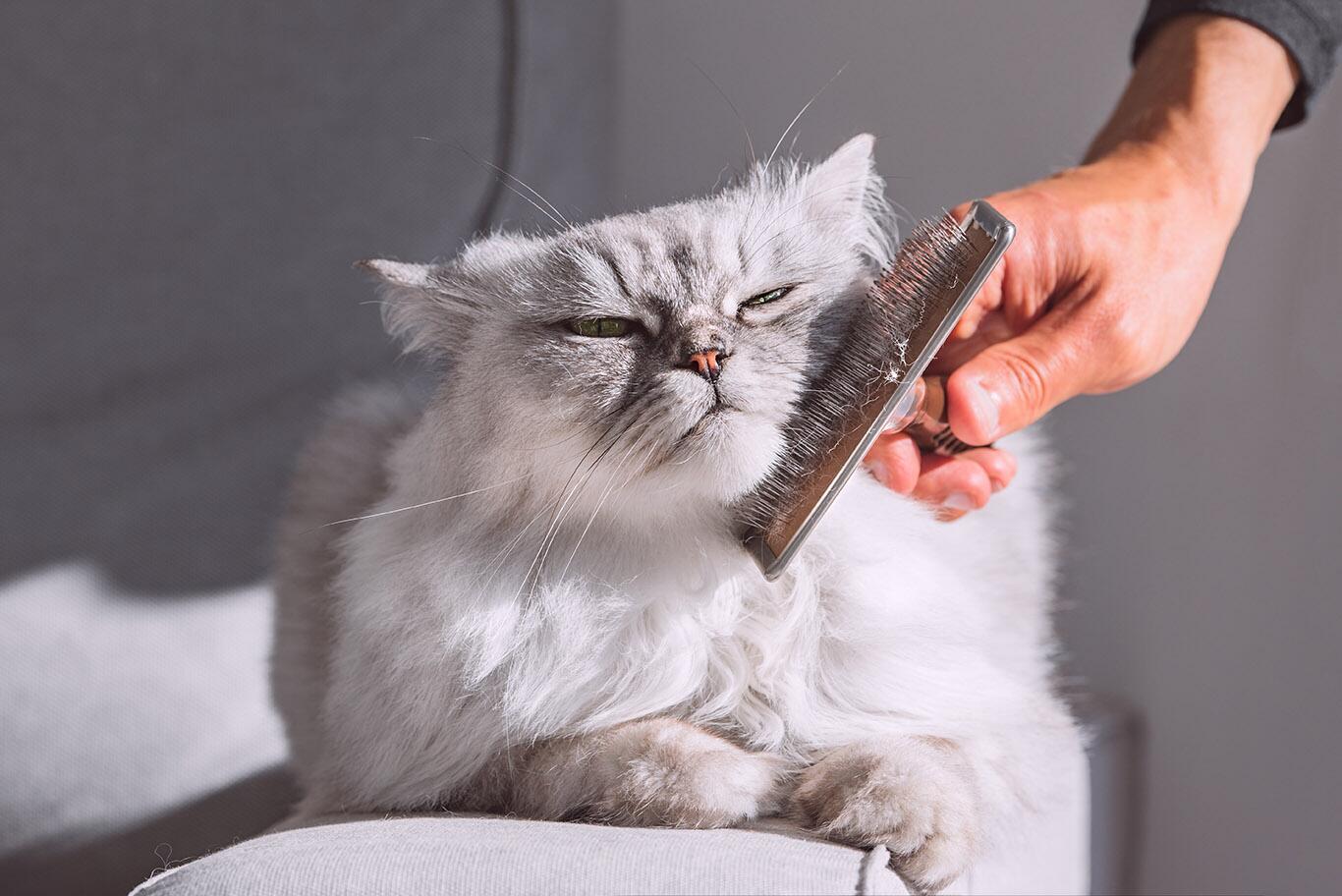
If you have a long-haired cat, you probably wonder how often you should groom them to keep their coat healthy and beautiful. Grooming isn’t just about looks—it affects your cat’s comfort, health, and happiness.
You might be asking yourself, “Am I brushing enough? Or maybe too much? ” Finding the right balance can save you from dealing with painful mats, shedding, or even skin problems. Keep reading, and you’ll discover simple tips to make grooming easy and enjoyable for both you and your furry friend.
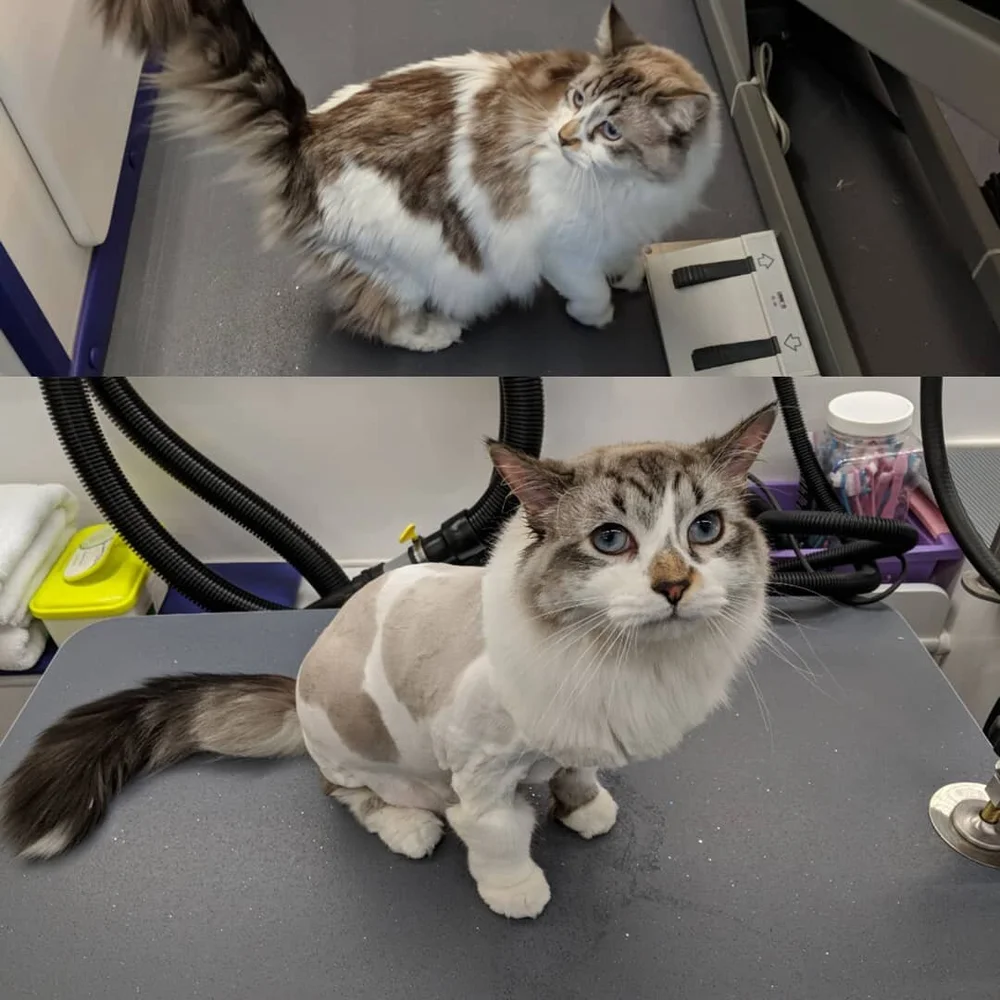
Credit: www.squeakycleangrooming.com
Importance Of Grooming
Grooming a long haired cat is essential for their overall well-being. Their thick fur needs regular care to stay healthy and clean. Without proper grooming, cats can suffer from skin problems and discomfort. Grooming also helps to build trust and strengthen your bond with your pet. It is a simple routine that keeps your cat happy and comfortable.
Benefits For Cat’s Health
Regular grooming removes dirt, dust, and loose hair from the cat’s coat. This reduces the risk of skin infections and irritation. Grooming also improves blood circulation, which helps the skin stay healthy. Cats with clean fur tend to shed less inside the house. Grooming helps you spot health issues like lumps or parasites early. It keeps your cat feeling fresh and active.
Preventing Matting And Tangles
Long hair can easily get tangled and form mats. Mats pull on the skin and cause pain for your cat. They also trap dirt and moisture, leading to infections. Regular brushing prevents mats and keeps the fur smooth. It is easier to manage a well-groomed coat than one full of knots. Grooming saves your cat from discomfort and costly vet visits.
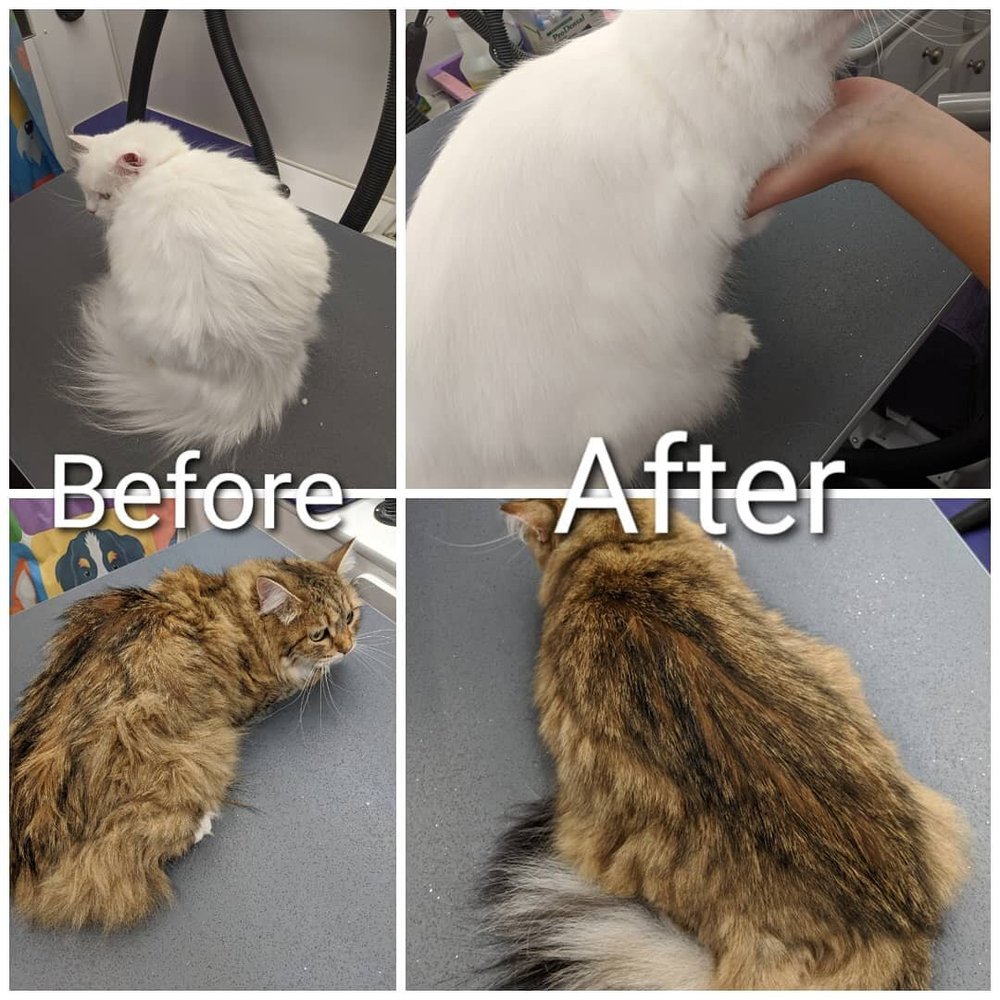
Credit: www.squeakycleangrooming.com
Daily Grooming Needs
Daily grooming is a key part of caring for your long-haired cat. It helps prevent mats and tangles that can cause discomfort and skin issues. Regular brushing also strengthens the bond between you and your feline friend.
When Daily Brushing Is Necessary
Some long-haired cats need daily brushing more than others. Cats that shed heavily or have very fine, silky fur can develop mats quickly if not brushed every day.
If your cat spends a lot of time outdoors or is prone to getting dirt and debris in their coat, daily grooming becomes essential. You might notice your cat trying to groom less or scratching more—this can be a sign that mats are forming.
Ask yourself: Does your cat’s fur get tangled easily? If yes, daily brushing can save you from dealing with painful mats later.
Tools For Daily Care
Choosing the right tools makes daily grooming easier and more effective. A wide-toothed comb is great for gently detangling without hurting your cat’s skin.
A slicker brush works well to remove loose hair and prevent shedding around your home. Soft bristle brushes can add shine and smoothness after detangling.
Keep a pair of blunt-nosed scissors handy for trimming small mats you can’t brush out safely. What tools do you already have in your grooming kit? Adding just one or two new items can transform your daily routine.
Weekly Grooming Routine
Creating a weekly grooming routine for your long-haired cat keeps their coat healthy and shiny. It reduces mats and tangles. Weekly care also helps monitor skin health and catch any issues early. Consistency is key to comfortable and effective grooming sessions.
Ideal Brushing Techniques
Choose a wide-toothed comb or slicker brush for long hair. Start brushing gently from the head to the tail. Focus on areas prone to mats, like behind the ears and under the legs. Use short, slow strokes to avoid hurting your cat.
- Hold the brush at a slight angle.
- Separate hair into sections for thorough grooming.
- Remove loose fur and debris as you go.
- Be patient and reward your cat after brushing.
Bathing Frequency
Bathing a long-haired cat once a month is usually enough. Use cat-specific shampoo to protect their skin. Wet the fur carefully and avoid the face. Rinse thoroughly to remove all soap.
- Dry your cat with a soft towel after the bath.
- Use a hairdryer on low, if your cat allows it.
- Bathing more often can dry out the skin.
- Spot clean between baths with pet wipes if needed.
Seasonal Grooming Adjustments
Seasonal changes affect your long-haired cat’s grooming needs. Adjusting grooming routines helps keep your cat comfortable. Each season brings different challenges for their coat. Paying attention to these can prevent matting and skin problems.
Shedding Seasons
Long-haired cats shed more during spring and fall. This helps them adapt to temperature changes. Brush your cat daily during these times. Removing loose fur reduces hairballs and tangles. Regular grooming also helps spot skin issues early.
Climate Considerations
Indoor cats in warm climates need less frequent grooming. Cooler climates require more attention to prevent mats. Dry air can cause flaky skin, so gentle brushing helps. Adjust the grooming tools based on your cat’s comfort. Watch your cat’s behavior to find the best routine.
Special Grooming Situations
Long-haired cats require special grooming situations due to their unique fur. Some situations need extra care and attention. Understanding these can make grooming smoother and stress-free.
Handling Sensitive Skin
Some cats have sensitive skin, making grooming tricky. Use a soft brush to avoid irritation. Check the skin for redness or dryness during grooming. If you notice discomfort, pause and reassess your technique. Consider hypoallergenic grooming products for sensitive cats. These products can reduce irritation.
Dealing With Mats And Knots
Mats and knots can form quickly in long-haired cats. Regular grooming helps prevent these issues. Use a detangling spray to ease the process. Start by gently working your fingers through the fur. Then, use a wide-toothed comb to tackle tougher tangles. If mats are severe, seek professional help. It’s safer than risking injury to your cat.

Credit: www.latimes.com
Professional Grooming Services
Professional grooming services can be a game-changer for owners of long-haired cats. These experts have the tools and skills to manage your cat’s thick, flowing coat, especially when mats and tangles become too tough to handle at home. Getting professional help not only keeps your cat comfortable but also improves their overall health by preventing skin issues caused by neglect.
When To Seek Expert Help
If your cat’s fur is heavily matted or tangled, it’s time to call a groomer. Mats can cause pain and skin infections, so don’t wait for the problem to worsen. You might also want professional grooming if your cat is anxious or aggressive during home brushing, as groomers know how to handle these behaviors safely.
Notice any bald patches, sores, or unusual skin redness? A groomer can spot these issues early and advise you to see a vet. Seasonal shedding spikes or changes in coat texture are also good reasons to schedule regular professional sessions.
Choosing A Groomer
Look for groomers who specialize in cats or have plenty of experience with long-haired breeds. Ask about their techniques and how they handle difficult cats. A good groomer should be patient, gentle, and able to explain their process clearly to you.
Check reviews and ask for recommendations from fellow cat owners or your vet. Visit the grooming salon beforehand to see if it’s clean and calm, which can reduce your cat’s stress during appointments. Don’t hesitate to ask if they offer trial sessions or short grooming visits to help your cat get used to the experience.
Signs Your Cat Needs More Grooming
Recognizing when your long-haired cat needs more grooming is key to keeping them comfortable and healthy. Cats can’t always tell you when they’re struggling with their coat, so it’s up to you to spot the signs early. Paying close attention to changes in behavior and physical appearance helps you know when to step up your grooming routine.
Behavioral Changes
If your cat starts avoiding you or hides more than usual, it might be because grooming is uncomfortable for them. Cats often become irritable or restless when their fur is matted or dirty. You may also notice excessive licking or scratching, which can be a sign of skin irritation caused by tangled fur.
Have you seen your cat grooming less frequently? This can mean they’re struggling to reach certain areas due to painful mats or knots. A drop in activity or playfulness can also indicate discomfort related to their coat condition. Watch for these subtle shifts—they’re clues your cat needs extra grooming attention.
Physical Indicators
Look closely at your cat’s fur for visible signs that more grooming is necessary. Matted or tangled fur is a clear indicator. If you notice clumps of hair sticking together or areas that feel rough, it’s time to brush more often.
Other physical signs include dandruff, dry skin, or an unusual amount of shedding. These can point to underlying issues worsened by inadequate grooming. You might also spot dirt or debris trapped in the fur, especially around the neck and under the legs.
Check your cat’s skin for redness or bumps. These could be caused by irritation under tangled fur. Regular grooming prevents these problems and helps you catch skin issues early. Have you ever found unexpected mats during a quick petting session? That’s a signal to increase grooming sessions to keep your cat comfortable.
Frequently Asked Questions
How Often Should I Groom My Long-haired Cat?
You should groom your long-haired cat at least 3 to 4 times a week. Regular grooming prevents mats, reduces shedding, and keeps their coat healthy. Daily grooming may be needed during heavy shedding seasons for best results and comfort.
What Tools Are Best For Grooming Long-haired Cats?
Use a slicker brush, wide-tooth comb, and a metal comb for grooming. These tools help remove tangles, loose fur, and prevent mats effectively. Avoid using harsh brushes to protect your cat’s sensitive skin and fur.
Can Grooming Reduce Hairballs In Long-haired Cats?
Yes, regular grooming significantly reduces hairballs by removing loose fur. It prevents your cat from ingesting excess hair during self-grooming. Grooming also promotes healthy skin and a shiny coat, reducing hairball-related discomfort.
When Should I Start Grooming My Long-haired Kitten?
Begin grooming your long-haired kitten as early as 6 to 8 weeks old. Early grooming helps them get used to the process and reduces stress. It also promotes a strong bond between you and your kitten.
Conclusion
Grooming your long-haired cat regularly keeps their coat healthy and clean. Aim to brush them several times a week to avoid mats and tangles. This also helps reduce shedding and hairballs. Pay attention to your cat’s comfort and adjust grooming frequency if needed.
A little care goes a long way in keeping your cat happy. Enjoy the bonding time during grooming sessions. Your cat will thank you with a shiny, soft coat and better health.




Leave a Reply