Do you love having a cat by your side? Cats bring joy, comfort, and endless companionship.
But have you ever wondered if your furry friend could also affect your health? It’s important to know what health problems can come from cats so you can keep yourself and your pet safe. You’ll discover the hidden risks, how to spot warning signs, and simple steps to protect your well-being without giving up the joy of having a cat.
Keep reading to learn what every cat owner needs to know.
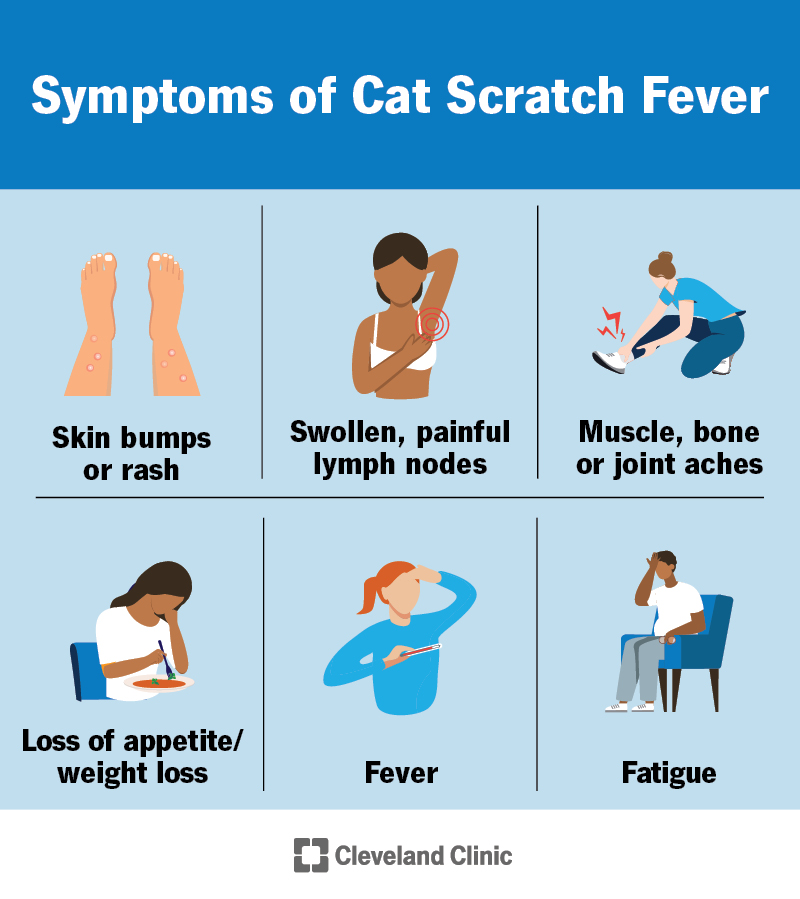
Credit: my.clevelandclinic.org
Common Cat-related Illnesses
Cats bring joy but can also carry health risks. Understanding common cat-related illnesses helps keep you safe. These illnesses often spread through scratches, bites, or contact with infected fur.
Symptoms vary from mild skin issues to more serious infections. Early recognition and care reduce complications. Here are some common illnesses linked to cats.
Cat Scratch Disease
Cat Scratch Disease comes from bacteria in cat saliva. It spreads through scratches or bites. Symptoms include swollen lymph nodes, fever, and tiredness. The illness usually resolves with proper medical care. Avoid rough play to reduce scratches.
Ringworm Infection
Ringworm is a fungal infection, not an actual worm. It causes red, itchy patches on the skin. Cats can pass it through direct contact or shared bedding. Clean hands and pet areas often to prevent spread. Treatment involves antifungal creams or medications.
Toxoplasmosis
Toxoplasmosis is caused by a parasite found in cat feces. It can infect humans who handle litter without washing hands. Symptoms range from mild flu-like signs to severe problems in pregnant women or weak immune systems. Proper hygiene and litter cleaning lower risk.
Credit: coastalveterinarycare.vet
Allergic Reactions To Cats
Cats can cause allergic reactions like sneezing, itchy eyes, and skin rashes. These symptoms happen because of proteins in cat saliva and fur. Allergies may also trigger asthma or breathing problems in some people.
Cats are beloved companions for many, bringing joy and warmth into homes. Yet, they can also trigger allergic reactions in some people. Cat allergies occur due to proteins found in a cat’s skin, saliva, and urine. These proteins can cause discomfort and health issues for sensitive individuals. Understanding and managing these allergies can improve quality of life.Symptoms Of Cat Allergies
Cat allergies often lead to respiratory issues. Symptoms include sneezing, coughing, and a runny nose. Itchy, watery eyes are also common. Some people may experience skin reactions. This includes rashes or hives after contact with a cat. More severe cases can lead to difficulty breathing. Recognizing these symptoms early is crucial. It helps in seeking appropriate treatments.Managing Allergies At Home
Managing cat allergies involves several strategies. Keep cats out of bedrooms to reduce allergens. Use HEPA filters to clean the air at home. Regular cleaning reduces allergens in carpets and furniture. Wash hands after touching cats to remove allergens. Consider allergy-friendly cat breeds. Some cats produce fewer allergens. Seek medical advice for effective allergy medications.Parasites Transmitted By Cats
Cats can carry parasites that cause health problems in humans. These parasites can spread through bites, scratches, or contact with cat feces. Understanding these parasites helps protect your health.
Fleas And Ticks
Fleas and ticks often live on cats. They bite humans and cause itching and skin irritation. Fleas can also spread diseases like cat scratch fever. Ticks carry serious illnesses such as Lyme disease. Both parasites can multiply quickly if not controlled. Regular pet care reduces the risk of flea and tick infestations.
Intestinal Worms
Cats may carry intestinal worms like roundworms and tapeworms. These worms can pass to humans through contact with infected feces. Children are at higher risk because they play outside and may touch contaminated soil. Worm infections can cause stomach pain, diarrhea, and fatigue. Washing hands after handling cats or cleaning litter boxes helps prevent infection.
Zoonotic Diseases From Cats
Cats can carry diseases that spread to humans. These diseases are called zoonotic diseases. They can cause serious health problems. Understanding these risks helps keep both you and your cat safe.
Rabies Risk
Rabies is a deadly virus. It spreads through bites or scratches from infected cats. Early symptoms include fever, headache, and weakness. If untreated, it affects the brain and leads to death. Vaccinating cats reduces rabies risk. Avoid contact with stray or wild cats.
Bartonella Infection
Bartonella, also known as cat scratch disease, spreads through cat scratches or bites. Symptoms include swollen lymph nodes, fever, and fatigue. The infection can last weeks or months. People with weak immune systems face higher risks. Clean wounds promptly and avoid rough play with cats.
Preventive Measures
Preventive measures reduce health risks from cats. Taking simple steps protects both you and your pet. Regular care and attention keep your cat healthy and safe.
Regular Vet Checkups
Routine veterinary visits catch health problems early. Vets check for parasites, infections, and other issues. Vaccinations protect cats and humans from diseases. Early treatment stops illnesses from spreading.
Hygiene Practices
Cleanliness is key to preventing infections. Wash hands after touching your cat or its litter box. Keep the litter box clean and change litter often. Avoid letting cats lick open wounds or your face.
Safe Handling Tips
Handle cats gently to avoid scratches and bites. Use gloves if cleaning litter or treating wounds. Teach children safe ways to touch and play with cats. Avoid sudden movements that may startle your cat.
When To Seek Medical Help
Knowing when to seek medical help after contact with cats is vital. Cats can carry bacteria and parasites that cause health problems. Early medical attention can prevent complications and improve recovery.
Watch for signs that show an infection or allergic reaction. Sometimes symptoms start mild but get worse quickly. Acting fast can save time and reduce risks.
Recognizing Serious Symptoms
- High fever lasting more than two days
- Severe swelling or redness around a bite or scratch
- Difficulty breathing or wheezing
- Persistent vomiting or diarrhea
- Confusion or dizziness
- Intense pain or spreading rash
- Swollen lymph nodes near the affected area
These signs suggest a severe infection or allergic reaction. Do not ignore them. Early treatment can prevent serious health issues.
Emergency Situations
- Cat bite causing heavy bleeding
- Signs of anaphylaxis: face swelling, throat tightness
- Loss of consciousness or seizures
- Rapid heartbeat or chest pain
- Difficulty swallowing or speaking
- Severe allergic reaction after cat exposure
These conditions need immediate medical care. Call emergency services or go to the nearest hospital right away.

Credit: justcatsclinic.com
Frequently Asked Questions
What Common Diseases Can Cats Transmit To Humans?
Cats can transmit diseases like toxoplasmosis, ringworm, and cat scratch fever. These infections often occur through scratches, bites, or contact with cat feces. Proper hygiene and regular vet visits reduce risks significantly.
How Do Cat Allergies Affect Human Health?
Cat allergies cause symptoms like sneezing, itching, and watery eyes. Allergens come from cat dander, saliva, and urine. Managing exposure and using air purifiers can help reduce allergic reactions.
Can Cats Cause Respiratory Problems In People?
Yes, cat allergens can trigger asthma and other respiratory issues. Those with asthma or allergies may experience coughing or wheezing around cats. Keeping cats out of bedrooms helps minimize symptoms.
Are Cat Bites Dangerous To Humans?
Cat bites can introduce bacteria, causing infections like cellulitis. Immediate cleaning and medical attention are essential to prevent complications. Untreated bites may lead to serious health problems.
Conclusion
Cats bring joy but can also cause health risks. Some illnesses spread through scratches or bites. Allergies and infections are common problems from cats. Washing hands after petting helps reduce risk. Regular vet visits keep cats healthy and safe. Knowing these risks helps you stay prepared.
Enjoy your cat while staying mindful of health. Care and caution make living with cats safer. Simple steps protect both you and your pet. Stay informed and keep your home healthy.



Leave a Reply