Have you ever wondered which cat breeds have stood the test of time? Discovering the oldest cat breeds can give you a fascinating glimpse into history and the unique traits these cats carry.
Whether you’re a cat lover or just curious, knowing about these ancient breeds will change how you see your furry friends. Keep reading, and you’ll find out which cats have been by humans’ side for centuries—and why their stories matter to you.

Credit: www.hindustantimes.com
Ancient Cat Origins
Cats have shared a long history with humans. Their story begins thousands of years ago. Understanding their ancient origins helps us appreciate today’s beloved breeds. From wild hunters to cherished companions, cats evolved alongside human culture. Their journey shaped some of the oldest cat breeds known today.
Early Domestication
Cat domestication started around 9,000 years ago. Early humans lived as farmers in the Fertile Crescent. Grain stores attracted rodents, which in turn attracted wild cats. These cats helped control pests near human settlements.
Humans welcomed cats for their hunting skills. Over time, cats became less wild and more social. This gradual bond marked the beginning of domestication. Unlike dogs, cats chose to live close to people, not the other way around.
Cats In Ancient Civilizations
Ancient Egypt is famous for revering cats. They were symbols of protection and good fortune. Cats appeared in art, religion, and daily life. Killing a cat was a serious crime.
Other civilizations also valued cats. The Romans kept cats to guard food supplies. In Asia, cats were seen as lucky and spiritual creatures. These cultures helped spread cats worldwide.
Such respect and care helped preserve early cat breeds. Many oldest breeds trace back to these ancient roots. Their traits and appearances reflect thousands of years of history.
Egyptian Mau
The Egyptian Mau is one of the oldest cat breeds known to mankind, admired for its natural beauty and remarkable history. This breed stands out with its spotted coat and graceful movements, often leaving cat lovers fascinated. If you’ve ever wondered where the elegance of spotted cats comes from, the Egyptian Mau offers some fascinating clues.
Historical Significance
The Egyptian Mau has roots that trace back over 3,000 years, making it one of the few naturally spotted breeds in existence. Ancient Egyptian art and hieroglyphs often depict cats that look strikingly similar to the Mau, suggesting they were cherished companions in pharaohs’ households. Some historians believe these cats were even considered sacred and symbols of protection.
Imagine owning a cat with such a rich heritage—it’s like having a living piece of history in your home. Have you ever thought about how your pet’s ancestry might influence their personality or behavior?
Distinctive Features
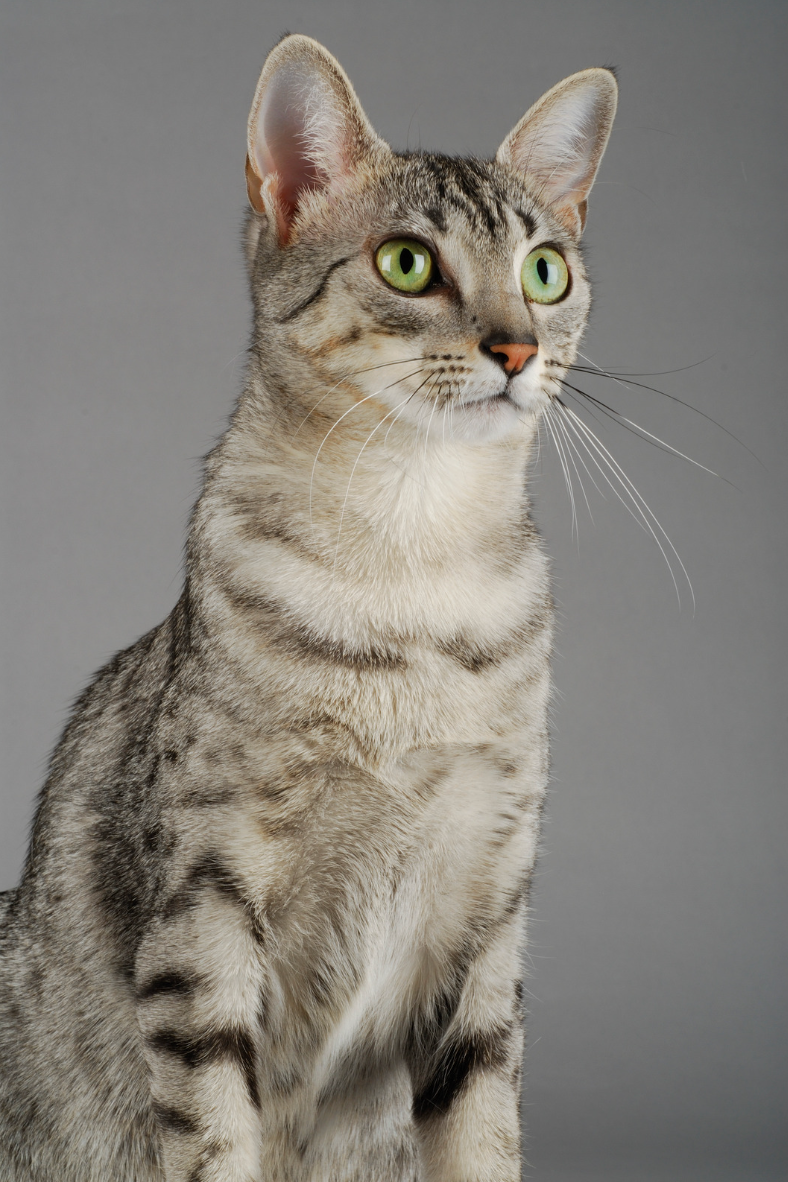
One of the most striking traits of the Egyptian Mau is its unique spotted coat, which is naturally occurring rather than bred in. The spots can vary in size and shape, scattered across a silver, bronze, or smoke-colored background, giving each cat a one-of-a-kind look.
- Eyes:Large, almond-shaped, and usually a vivid green, adding to their expressive face.
- Body:Medium-sized, muscular, and built for speed, the Mau is known for its agility and quick reflexes.
- Movement:Unlike many domestic cats, the Mau’s back legs are longer than the front, allowing it to leap and sprint with extraordinary grace.
Have you noticed how your cat’s movements can tell you about their breed or energy levels? The Egyptian Mau’s agility is not just for show—it reflects its natural hunting instincts and lively personality.
Siamese Cats
Siamese cats are among the oldest and most well-known cat breeds worldwide. Originating from Thailand, formerly Siam, these cats have a rich history and a distinct appearance. Their unique look and vocal personality make them a favorite among cat lovers. Siamese cats are not just pets; they are a symbol of elegance and tradition.
Royal Heritage
Siamese cats once lived only in royal palaces. They were considered sacred and kept by Thai royalty. People believed Siamese cats brought good luck and protection. Their presence in temples and palaces shows their high status. The breed’s history spans centuries, making it one of the oldest known cat breeds.
Physical Traits
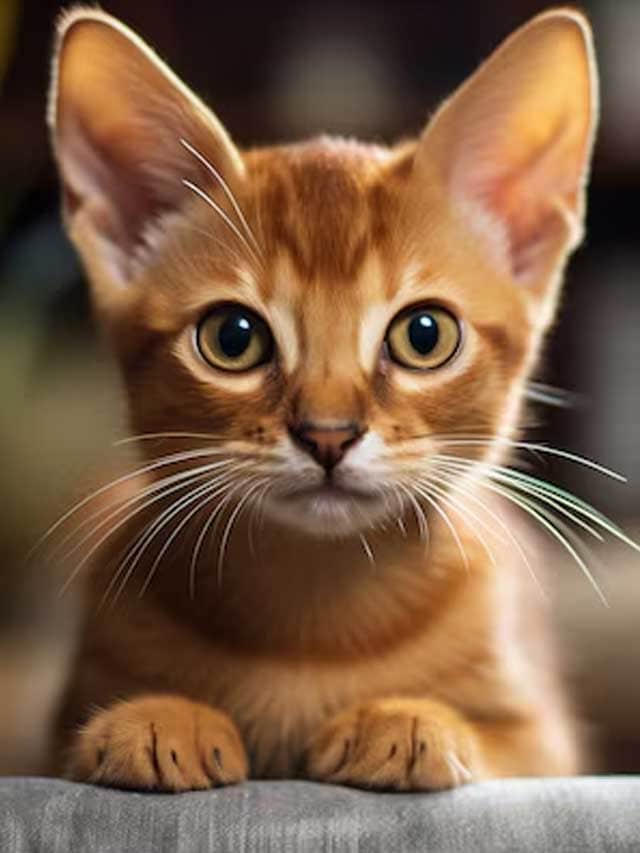
- Slender, muscular body with a graceful posture
- Short, fine coat with color points on ears, face, paws, and tail
- Striking blue almond-shaped eyes
- Large ears set wide apart
- Long, thin tail matching their sleek frame
These traits give Siamese cats a unique and elegant appearance. Their color points vary in shades like seal, chocolate, and blue. These features make them instantly recognizable and admired worldwide.
Credit: www.news18.com
Persian Cats
Persian cats are one of the oldest cat breeds, known for their long, thick fur and calm nature. They have a rich history dating back hundreds of years. These cats remain popular for their gentle personality and striking appearance.
Persian cats are among the most beloved and recognizable breeds in the feline world. Their luxurious coats and serene demeanor captivate cat enthusiasts globally. With a storied history, Persian cats have remained a favorite for centuries, combining elegance with an affectionate nature.Origins And Popularity
Persian cats boast a lineage dating back to ancient Persia, now modern-day Iran. Their introduction to Europe in the 1600s marked the beginning of their widespread popularity. Today, they are cherished not only for their beauty but also for their gentle companionship.Appearance And Temperament
These cats are instantly recognizable by their long, flowing fur and distinctive flat faces. Their large, expressive eyes add to their charming appearance. Despite their regal look, Persian cats are known for their calm and friendly nature, making them ideal companions for quiet households. Owning a Persian cat can be a delightful experience, but it requires commitment. Their luxurious coats need regular grooming to prevent matting. Are you ready for the rewarding challenge of caring for such an elegant pet?Maine Coon
The Maine Coon is one of the oldest and most beloved cat breeds. Known for its large size and friendly nature, this breed has a rich history. It stands out with its thick fur and tufted ears. Maine Coons are often called the gentle giants of the cat world.
American Roots
The Maine Coon is native to the United States, specifically Maine. It has been a part of American history since the 1800s. This breed likely developed from long-haired cats brought by sailors. These cats adapted to cold weather and rough terrain. The Maine Coon was recognized as the official state cat of Maine in 1985.
Unique Characteristics
- Large body size with strong bones
- Thick, water-resistant fur for harsh climates
- Tufted ears and bushy tail
- Friendly, playful, and social personality
- Known for chirping and trilling sounds
The Maine Coon’s unique look and gentle nature make it a favorite. It is great with families and other pets. Its intelligence and curiosity keep it active and happy.
Credit: harubina.co.jp
Turkish Van
Turkish Van is one of the oldest cat breeds, known for its unique love of water. This breed has a thick, water-resistant coat and a playful, friendly nature. Its history dates back thousands of years, making it a fascinating part of ancient feline heritage.
The Turkish Van is a captivating breed with a rich history and unique characteristics that set it apart from other cats. Known for its striking appearance and playful nature, this breed has intrigued cat enthusiasts for centuries. But what truly makes the Turkish Van stand out is its love for water, earning it the nickname “the swimming cat.”Geographical Background
Originating from the rugged and picturesque region of Eastern Turkey, the Turkish Van has been around for centuries. This area, characterized by its diverse landscapes and climates, helped shape the breed’s robust and adaptable nature. The Van cats were often found around Lake Van, thriving in the unique environment of this remote region.Swimming Cat Traits
Unlike most cats, the Turkish Van adores water and isn’t afraid to take a plunge. This rare trait often surprises many cat owners who expect their feline friends to shy away from getting wet. Turkish Vans have a water-resistant coat, which not only makes them excellent swimmers but also keeps them comfortable after a swim. Have you ever seen a cat that actually enjoys a bath? The Turkish Van might just change your perception of feline behavior. Their love for water can make bath time a breeze, turning a usually dreaded task into a fun bonding experience. Do you think your cat would enjoy a swim, or is it more of a land lover? The Turkish Van challenges the typical cat stereotype, showing just how diverse and surprising our feline companions can be.Siberian Cat
The Siberian Cat stands out among the oldest cat breeds with its majestic appearance and rich history. Known for its thick, luscious coat and agile movements, this breed has captivated cat lovers worldwide. Understanding its background helps you appreciate why it thrives in certain environments.
Russian Lineage
The Siberian Cat originates from the forests of Russia, where it evolved over centuries. This breed carries genes linked to ancient Russian cats, making it a living piece of history. If you’ve ever met a Siberian, you might notice a wild, natural grace that sets it apart from other breeds.
Its connection to Russian folklore and legends also adds to its mystique. Many locals believed these cats brought good luck and protection, a belief that still intrigues cat enthusiasts today. Have you ever wondered how a cat’s heritage influences its personality?
Adaptations To Climate
One of the Siberian Cat’s most impressive traits is its adaptation to harsh climates. Its triple-layered coat keeps it warm during the cold Russian winters, while the dense undercoat sheds water and snow effectively. This adaptation allows the Siberian to remain active and agile even in freezing temperatures.
Beyond its fur, the breed has strong, muscular legs perfect for jumping and climbing in rugged terrain. If you live in a cooler area, a Siberian could be a perfect companion because its coat naturally protects it from cold weather. Have you noticed how some cats seem more comfortable outdoors in colder climates?
Preserving Ancient Breeds
Preserving ancient cat breeds is important for keeping their unique traits alive. These breeds have rich histories and distinct characteristics. Protecting them helps maintain genetic diversity. It also honors cultural heritage tied to these cats.
Many ancient breeds face risks like shrinking populations and loss of habitat. Careful efforts are needed to sustain their numbers. Breeders and cat lovers work together to keep these breeds healthy. Understanding challenges and supporting conservation helps protect these living treasures.
Breeding Challenges
Breeding ancient cat breeds is often difficult. Limited gene pools cause health problems. Inbreeding can lead to genetic disorders. Finding mates with the right traits is tough. Maintaining breed standards requires careful selection.
Some breeds have slow reproduction rates. This slows population growth. Breeders must balance preserving traits and avoiding health risks. Genetic testing helps identify potential issues early. It guides responsible breeding decisions.
Conservation Efforts
Many groups work to save ancient cat breeds. They create breed registries and raise awareness. Some run breeding programs to increase numbers. Education helps people appreciate these special cats.
- Cat clubs promote responsible breeding and care.
- Veterinarians support health monitoring and treatment.
- Researchers study genetics for better breeding methods.
- Public events showcase ancient breeds to new audiences.
These efforts keep ancient breeds visible and valued. They help ensure these cats thrive for future generations.
Why Choose An Ancient Breed?
Choosing an ancient cat breed brings a unique charm. These cats carry history in their paws and stories in their eyes. They connect us to the past and offer distinct companionship. Ancient breeds often have traits shaped by centuries of survival and adaptation. They stand out in personality and health, making them special pets.
Personality Traits
Ancient cat breeds have distinct personalities. Many are calm and gentle, perfect for quiet homes. Some are playful and curious, always exploring new things. They tend to be loyal to their owners and form strong bonds. These cats often enjoy human company but also appreciate alone time. Their unique behaviors reflect their long history with humans.
Health Considerations
Ancient breeds often have strong health due to natural selection. They usually face fewer genetic problems than modern breeds. Their long history helped develop resistance to common diseases. Still, regular vet visits remain important for any cat. Feeding a balanced diet and keeping them active supports their well-being. Choosing an ancient breed can mean a healthier, happier pet.
Frequently Asked Questions
What Are The Oldest Known Cat Breeds Today?
The oldest cat breeds include the Egyptian Mau, Siamese, and Persian cats. These breeds have ancient origins and rich histories. They are admired for their unique features and long-standing presence in human culture.
How Do Ancient Cat Breeds Differ From Modern Ones?
Ancient cat breeds often have distinct physical traits and temperaments. They tend to have strong hunting instincts and unique coat patterns. Modern breeds may show more variation due to selective breeding.
Why Are Egyptian Mau Cats Considered Ancient?
Egyptian Maus date back over 3,000 years. They are one of the few naturally spotted domestic cats. Their history links closely to ancient Egyptian civilization.
Which Cat Breed Is The Oldest Domesticated Pet?
The Siamese cat is among the oldest domesticated breeds. Originating from Thailand, it has been cherished for centuries. Its striking appearance and vocal nature make it unique.
Conclusion
Oldest cat breeds show how cats have lived for centuries. They carry rich history and unique traits. Each breed has its own story and charm. These cats remind us of the bond between humans and animals. Knowing about them helps us appreciate cats more.
They are living links to the past. Choosing such a breed means welcoming tradition and beauty. Cats have always been special companions to people. Their ancient roots make them even more fascinating. Exploring old breeds brings joy to any cat lover.



Leave a Reply