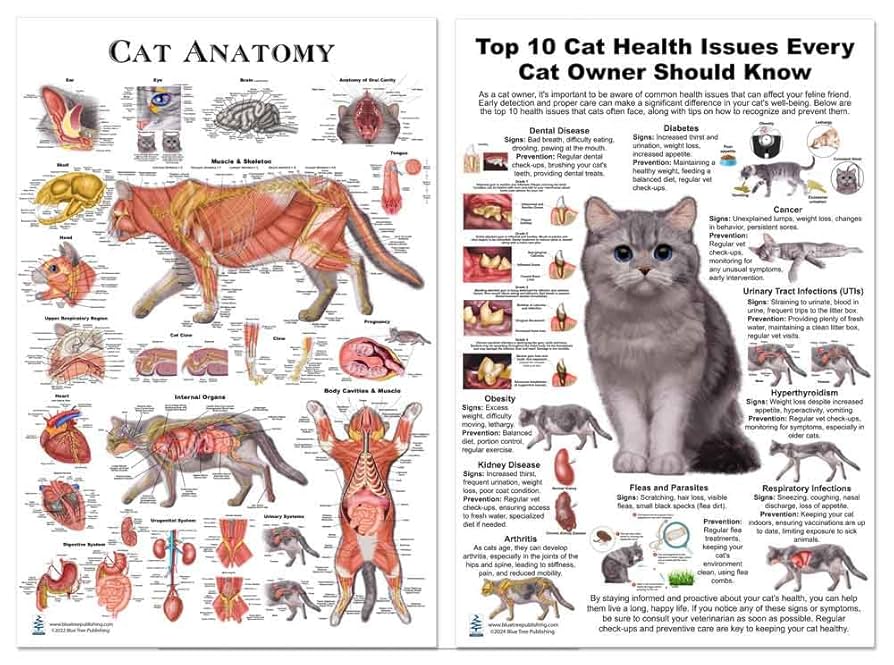
Are you sure your indoor cat is as healthy as it seems? You might think keeping your cat indoors protects them from harm, but did you know they can still face serious health problems?
Understanding what health issues your indoor cat can have is key to giving them a long, happy life. You’ll discover common hidden risks and simple ways to spot warning signs early. Keep reading to make sure your furry friend stays safe and well every day.

Credit: prckc.org
Common Respiratory Problems
Indoor cats face several health challenges, and respiratory problems are common among them. These issues affect their breathing and overall well-being. Understanding the causes, symptoms, and care can help keep your cat healthy and comfortable.
Causes Of Respiratory Issues
- Allergens like dust, smoke, and strong perfumes irritate the airways.
- Viral infections such as feline herpesvirus and calicivirus are common.
- Bacterial infections can develop if viruses weaken the immune system.
- Poor ventilation in the home increases the risk of respiratory problems.
- Exposure to mold or damp areas triggers asthma or allergies.
Symptoms To Watch For
- Sneezing and nasal discharge, often clear or colored.
- Coughing or wheezing during or after activity.
- Labored or rapid breathing, sometimes with open mouth breathing.
- Loss of appetite and lethargy due to discomfort.
- Squinting or watery eyes paired with nasal signs.
Prevention And Care
- Keep your home clean and free of dust and strong smells.
- Ensure good air circulation with fresh air and ventilation.
- Use air purifiers to reduce airborne allergens and irritants.
- Regularly check your cat for early signs of illness.
- Visit the vet promptly if respiratory symptoms appear.
- Provide a stress-free environment to support your cat’s immune system.
Credit: coastalveterinarycare.vet
Obesity And Weight Management
Obesity is a common health issue among indoor cats that often goes unnoticed until serious problems arise. Managing your cat’s weight is crucial for their overall well-being and longevity. Understanding the causes and risks can help you take effective steps to keep your feline friend healthy and active.
Factors Leading To Obesity
Indoor cats tend to be less active than their outdoor counterparts, which can easily lead to weight gain. Overfeeding and free access to food without portion control is another major cause. Some cats may also have a slower metabolism or certain medical conditions that contribute to weight gain.
Think about how often your cat moves around during the day. Do they have enough toys or opportunities to exercise? These small details can make a big difference in preventing obesity.
Health Risks Linked To Excess Weight
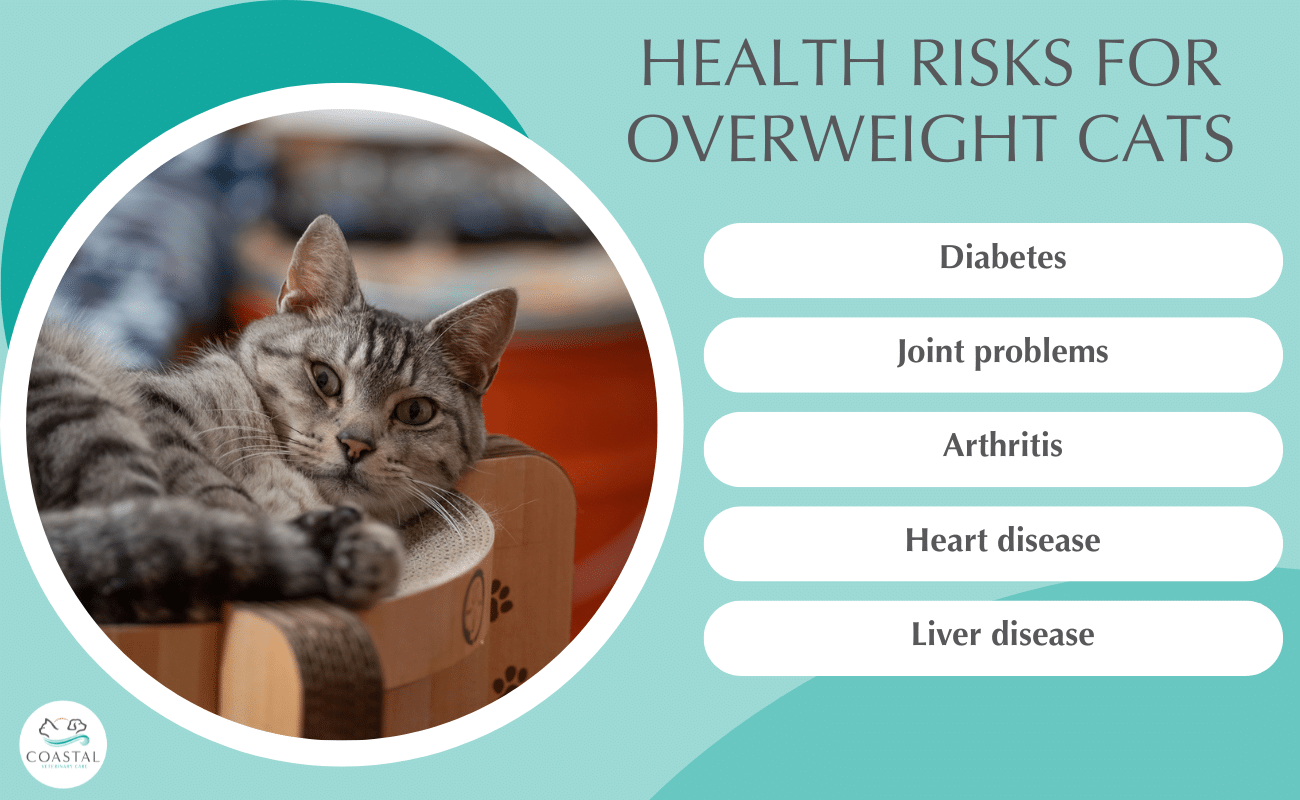
Carrying extra weight puts your cat at risk of developing diabetes, arthritis, and heart disease. Obese cats may also struggle with breathing difficulties and have a lower quality of life. Excess weight can shorten their lifespan and make them less playful and energetic.
Have you noticed your cat becoming less active or having trouble jumping on furniture? These could be early signs that their weight is affecting their health.
Tips For Maintaining Healthy Weight
- Control Portions:Measure your cat’s food and avoid free feeding to prevent overeating.
- Encourage Exercise:Use interactive toys and play sessions to get your cat moving daily.
- Choose Quality Food:Opt for balanced diets designed for indoor cats with controlled calories.
- Regular Vet Check-ups:Monitor your cat’s weight and health with professional guidance.
Small changes in daily routine can lead to big improvements. How can you adjust your cat’s environment to make activity more fun and frequent?
Dental Diseases
Dental diseases are a common health issue for indoor cats, often overlooked by pet owners. These problems can cause discomfort and lead to serious complications if left untreated. Understanding the signs and how to care for your cat’s teeth can make a huge difference in their well-being.
Signs Of Dental Problems
Notice if your cat is drooling more than usual or showing a bad breath odor. They might avoid eating hard food or chew on one side of their mouth. You could also see red or swollen gums, or even small amounts of blood near their teeth.
Sometimes, cats become irritable or hide more, which could be a subtle sign of dental pain. If you spot any of these symptoms, it’s important to check with your vet promptly.
Impact On Overall Health
Dental disease doesn’t just affect the mouth; it can harm your cat’s whole body. Bacteria from infected gums can enter the bloodstream and affect vital organs like the heart and kidneys. This can lead to serious illnesses that are harder to treat.
Ignoring dental care is like ignoring your cat’s overall health. Have you ever thought about how a simple toothache could change your cat’s mood and activity levels?
Effective Dental Care Routines
Brushing your cat’s teeth regularly is the most effective way to prevent dental disease. Use a toothbrush and toothpaste made specifically for cats to avoid irritation. Start slowly, letting your cat get used to the routine.
Dental treats and toys designed to reduce plaque can add extra protection. Regular veterinary dental check-ups are essential to catch problems early and keep your cat comfortable.
Urinary Tract Disorders
Indoor cats can face urinary tract disorders due to stress, diet, and lack of exercise. Symptoms include frequent urination, straining, or blood in urine. Regular vet check-ups and a balanced diet can help prevent these issues.
Indoor cats can enjoy a safe and cozy life away from the dangers of the outside world. However, they are not immune to health problems. One common issue they might face is urinary tract disorders. These can be painful for your feline friend and cause significant stress for both you and your pet. Understanding these disorders can help you take preventive measures to ensure your cat stays healthy and happy.Common Urinary Issues
Indoor cats can suffer from a range of urinary problems, such as urinary tract infections (UTIs), bladder stones, and feline lower urinary tract disease (FLUTD). These issues can lead to discomfort and even serious health complications if not addressed promptly. Indoor cats might be more prone to these problems due to their limited exercise and dietary factors.Behavioral And Physical Indicators
How can you tell if your cat is experiencing urinary issues? Watch for signs like frequent trips to the litter box, straining to urinate, or urinating outside the box. You might also notice blood in the urine or your cat licking its genital area excessively. Behavioral changes, such as increased irritability or lethargy, can also indicate discomfort.Treatment Options
If you suspect your cat has a urinary tract disorder, it’s important to consult a veterinarian for a proper diagnosis. Treatment can vary depending on the severity of the condition. Common solutions include dietary changes, medications, and increased water intake. In some cases, surgery might be necessary to remove bladder stones. By addressing the issue early, you can help your cat recover quickly and prevent future problems. Have you ever noticed these signs in your cat? Taking prompt action can make a significant difference in their well-being. Prioritize their health by staying informed and attentive.Mental Health Challenges
Indoor cats face unique mental health challenges that affect their well-being. Limited space and fewer natural stimuli can cause stress and anxiety. These issues impact their behavior and overall happiness.
Stress And Anxiety In Indoor Cats
Stress in indoor cats often shows as hiding or aggression. Loud noises or changes in routine can trigger anxiety. Cats may over-groom or lose interest in food. These signs indicate emotional distress that needs attention.
Causes Of Behavioral Changes
Behavior changes may result from boredom or frustration. Lack of interaction and stimulation makes cats restless. Conflicts with other pets can increase stress levels. Illness or pain also causes sudden behavior shifts.
Enrichment And Mental Stimulation
Mental stimulation helps reduce stress and prevents boredom. Use puzzle feeders and interactive toys regularly. Rotate toys to keep interest alive. Provide climbing spaces and window views for exploration. Regular playtime strengthens your cat’s mental health.
Skin And Coat Conditions
Indoor cats often face unique skin and coat challenges. Limited outdoor exposure affects their skin health and fur quality. Owners should watch for signs like itching, hair loss, or dull coats. Early care helps prevent serious problems and keeps cats comfortable.
Common Skin Problems
Dry skin is frequent in indoor cats due to low humidity. This causes flaky, itchy patches. Ringworm, a fungal infection, can spread easily inside the home. Flea bites may occur even indoors, causing red spots and irritation. Mites also lead to intense itching and hair loss.
Allergies And Irritations
Cats may develop allergies to dust, cleaning products, or certain foods. Allergic reactions show as redness, swelling, or constant scratching. Contact with plastic bowls or certain fabrics can irritate sensitive skin. Stress can worsen skin conditions by lowering immunity.
Grooming Tips
- Brush your cat regularly to remove loose hair and dirt.
- Use a gentle shampoo made for cats to avoid dryness.
- Keep your cat’s bedding clean and change it often.
- Trim nails carefully to prevent scratching injuries.
- Check skin during grooming for signs of problems.
- Visit the vet if skin issues persist or worsen.
Nutritional Deficiencies
Indoor cats often seem perfectly healthy, but nutritional deficiencies can quietly affect their well-being. Unlike outdoor cats, they rely entirely on what you provide, making diet quality crucial. Identifying and preventing these deficiencies can save your cat from many health problems down the road.
Risks Of Poor Diets
Feeding your indoor cat an unbalanced diet can lead to serious health risks. Without the right nutrients, cats may suffer from weak immune systems, poor coat condition, and even organ damage. Have you noticed your cat losing energy or developing skin issues? These could be signs of nutritional gaps.
Many commercial cat foods vary widely in quality. Some might fill up your cat but fail to deliver essential vitamins and minerals. Relying on leftovers or homemade meals without guidance can also cause deficiencies.
Essential Nutrients For Indoor Cats
Cats need specific nutrients that you might not find in all cat foods. Key essentials include:
- Taurine:An amino acid vital for heart and eye health.
- Protein:Supports muscle maintenance and energy.
- Fatty acids:Keep skin and coat healthy.
- Vitamins A and D:Crucial for immune function and bone health.
- Minerals like calcium and phosphorus:Needed for strong bones and teeth.
Without these, your cat may develop blindness, heart disease, or bone problems. Ever wonder why your vet emphasizes certain nutrients during checkups? It’s because your cat’s diet is directly linked to these vital elements.
Choosing The Right Food
Picking the right food requires more than just reading labels. Look for products labeled “complete and balanced” by reputable organizations. These foods meet all the nutritional needs your indoor cat requires.
Consider your cat’s age, weight, and health status. Kittens, adults, and seniors have different nutritional needs. If your cat has special health conditions, consult your vet to find suitable options.
Have you tried different brands or types? Watch how your cat responds—shiny coat, playful behavior, and normal digestion are good signs. Remember, quality ingredients often mean a healthier, happier cat.

Credit: ibiyaya.com
Preventing Indoor Cat Health Risks
Preventing health risks in indoor cats is key to a long, happy life. Indoor cats face unique challenges that can affect their health. Owners need to be proactive to keep their cats safe and well. Simple steps can reduce health problems and improve well-being.
Regular Vet Checkups
Regular visits to the vet help catch health issues early. Cats often hide signs of illness until problems worsen. A vet can spot diseases before symptoms appear. Vaccinations and dental care keep cats protected. Schedule checkups at least once a year. More frequent visits may be needed for older cats.
Safe And Stimulating Environment
Creating a safe home reduces injury risks. Remove toxic plants, chemicals, and small objects cats can swallow. Provide scratching posts and toys to prevent boredom. Mental stimulation lowers stress and destructive behavior. Use climbing shelves and hiding spots for exercise. Keep litter boxes clean to avoid infections.
Monitoring And Early Detection
Watch your cat’s behavior and health daily. Look for changes in appetite, energy, or litter box use. Early signs of illness include hiding, vomiting, and weight loss. Keep a diary of any unusual behavior. Quick action can stop problems from getting worse. Consult a vet if you notice anything odd.
Frequently Asked Questions
What Common Health Issues Affect Indoor Cats?
Indoor cats often face obesity, dental disease, urinary tract problems, and stress-related illnesses. Limited exercise and diet play key roles. Regular vet checkups and a balanced diet help prevent these issues effectively.
How Does Lack Of Exercise Impact Indoor Cats’ Health?
Lack of exercise can lead to obesity and muscle loss in indoor cats. This increases risks of diabetes and joint problems. Providing toys and playtime encourages activity and maintains their overall health.
Can Indoor Cats Develop Respiratory Problems?
Yes, indoor cats can suffer from respiratory issues due to poor ventilation or allergens. Dust, smoke, and strong chemicals also worsen breathing. Keeping their environment clean and well-ventilated helps reduce these risks.
Why Are Urinary Tract Infections Common In Indoor Cats?
Indoor cats are prone to urinary tract infections due to dehydration and stress. Limited water intake and dirty litter boxes contribute. Ensuring fresh water and clean litter can prevent these infections.
Conclusion
Indoor cats can face several health problems if not cared for well. Regular check-ups help catch issues early. Keep their environment clean and safe to reduce risks. Provide a balanced diet to support their health. Watch for changes in behavior or eating habits.
These small steps protect your cat’s happiness and well-being. Caring for your indoor cat means a longer, healthier life. Simple actions make a big difference in preventing illness. Stay attentive and enjoy many happy years together.



Leave a Reply