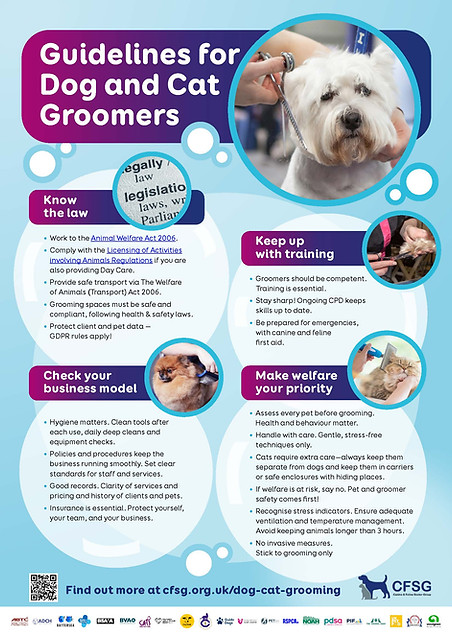
Have you ever thought about turning your love for pets into a rewarding career? Becoming a dog and cat groomer lets you work closely with animals while using your skills to help them look and feel their best.
If you enjoy working with furry friends and want a job that’s both creative and fulfilling, this guide is for you. Keep reading to discover the simple steps you can take to start your journey as a professional pet groomer and build a career you’ll truly enjoy.
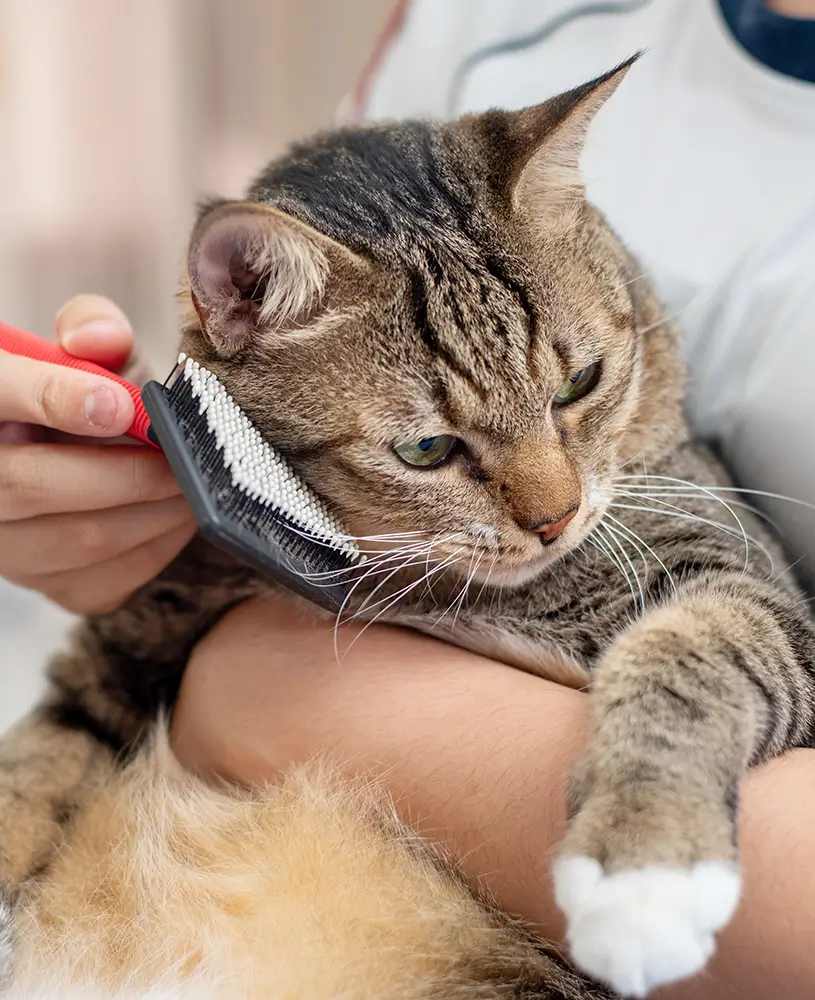
Credit: www.fearfree.com
Career Pathways
Choosing a career as a dog and cat groomer opens a variety of paths that fit different interests and lifestyles. Whether you prefer working in a bustling salon or running your own mobile grooming business, understanding the career pathways helps you target your goals effectively. Knowing what roles you can take on and the skills you need will shape your journey and success in this field.
Job Roles In Grooming
The grooming industry offers more than just basic pet washing and trimming. You could work as a pet groomer, focusing on breed-specific cuts and styles. Some groomers become specialistsin handling nervous or elderly pets, which requires extra patience and skill.
Other options include roles like salon manager, where you oversee daily operations and staff. Mobile groomers bring services directly to clients’ homes, offering flexibility and independence. You might also find opportunities in pet spasor veterinary clinics, combining grooming with health care.
Required Skills
Successful groomers need a mix of technical and interpersonal skills. You must master grooming techniques such as clipping, brushing, and bathing different coat types. Understanding animal behavior helps you keep pets calm and safe during grooming.
Communication is key. You will talk with pet owners about their needs and advise on pet care. Time management is also crucial since appointments often run back-to-back.
- Attention to detail – ensures every cut looks professional.
- Physical stamina – grooming can be physically demanding.
- Problem-solving – handling unexpected pet reactions or coat issues.
Think about what skills you already have and which ones you want to build. Are you ready to learn how to handle pets gently while working efficiently? Your willingness to develop these skills will set your path forward.

Credit: www.animalbehaviorcollege.com
Training Options
Training is a key part of becoming a skilled dog and cat groomer. Choosing the right training path helps build confidence and practical skills. Several options exist to match different learning styles and schedules. Each path offers unique benefits and experiences.
Formal Education
Formal education involves enrolling in a grooming school or vocational program. These programs teach grooming techniques, animal care, and safety rules. Students learn in classrooms and hands-on labs. Many schools offer certificates or diplomas after completion. This route provides a structured learning environment and expert guidance.
Apprenticeships
Apprenticeships let learners work with experienced groomers. This on-the-job training offers real-world practice and skill development. Apprentices watch and assist with grooming tasks daily. They gain knowledge about different breeds and grooming tools. This option suits people who learn best by doing.
Online Courses
Online courses provide flexible learning from home. Videos, quizzes, and tutorials cover grooming basics and advanced skills. Students can study at their own pace. Some courses include live sessions with instructors. This option fits busy schedules and remote learners well.
Essential Tools
Becoming a dog and cat groomer requires the right tools for success. Essential tools help provide safe and effective grooming. These tools make the grooming process smoother for both the pet and the groomer. Investing in quality equipment and safety gear is key. Below are the main categories of tools needed.
Grooming Equipment
- Clippers: Choose quiet, sharp clippers for different coat types.
- Scissors: Use curved and straight scissors for trimming and shaping.
- Brushes: Select slicker brushes, combs, and de-shedding tools.
- Nail Clippers: Pick sharp, comfortable clippers for safe nail trimming.
- Shampoo and Conditioner: Use gentle, pet-safe products for cleaning.
- Dryers: Invest in a high-velocity dryer to dry coats fast and gently.
- Towels: Have plenty of soft towels for drying pets quickly.
Safety Gear
- Grooming Table: Choose a sturdy table with non-slip surfaces.
- Restraints and Harnesses: Use gentle restraints to keep pets secure.
- Protective Gloves: Wear gloves to avoid scratches and bites.
- Eye Protection: Use goggles to protect eyes from hair and debris.
- First Aid Kit: Keep a kit ready for minor cuts or accidents.
- Aprons: Wear waterproof aprons to stay dry and clean.
Building Experience
Building experience is a crucial part of becoming a skilled dog and cat groomer. Hands-on practice helps improve your grooming techniques and increases your confidence. Working with different animals teaches you how to handle unique behaviors and needs. This experience shapes your ability to provide excellent care and services.
Practice Techniques
Start practicing basic grooming skills like brushing, bathing, and trimming. Use stuffed animal toys or mannequins to refine your hand movements. Gradually move to real pets, starting with calm and friendly animals. Focus on gentle handling and safety for both you and the pet.
- Brush coats to remove tangles and dirt
- Use clippers carefully to trim fur evenly
- Practice nail clipping with caution
- Learn to clean ears without causing harm
Repeat these actions regularly to build muscle memory. Watch grooming videos and follow expert advice to improve. Keep a grooming journal to track your progress and note areas for improvement.
Working With Different Breeds
Each breed has unique grooming needs and coat types. Learn the differences between short, medium, and long-haired pets. Study breed standards to understand proper grooming styles. Practice on various breeds to gain versatile skills.
- Recognize breed-specific coat textures
- Adjust grooming tools based on hair type
- Handle breed-specific challenges, like mats or sensitive skin
- Understand breed temperament to manage behavior
Experience with many breeds makes you adaptable and prepared. This knowledge helps you offer customized grooming services. Clients appreciate groomers who understand their pet’s unique needs.
Certification Benefits
Getting certified as a dog and cat groomer offers more than just a piece of paper. It shows your commitment to the craft and sets you apart in a crowded market. Understanding the benefits of certification can help you decide if it’s the right step for your grooming career.
Industry Recognition
Certification signals to employers and peers that you have mastered essential grooming skills. It often opens doors to better job opportunities and higher pay. Many grooming salons prefer or require certified professionals because it reduces the risk of mistakes and enhances service quality.
Think about how much easier it is to stand out when you have official proof of your skills. It’s not just about knowing how to groom but proving it to the industry. This recognition can also connect you with professional networks and continuing education.
Client Trust
When clients see a certification, they feel more confident leaving their pets in your hands. It shows you follow safety standards and understand animal behavior, which many pet owners worry about. Trust builds repeat business and positive word-of-mouth referrals.
Imagine a nervous pet owner choosing between two groomers. Certification can be the deciding factor. It reassures them that their furry friend will be treated with care and expertise, making your services more attractive.
Starting Your Business
Starting a dog and cat grooming business requires careful planning and clear goals. You need a clean, safe space for pets. Your salon should feel welcoming for animals and their owners. Good marketing helps attract clients and build trust. Focus on simple steps to get your business running smoothly and grow over time.
Setting Up A Salon
Choose a location with enough space for grooming tables and equipment. Ensure good lighting and ventilation for a comfortable environment. Invest in quality tools like clippers, brushes, and shampoos. Cleanliness is key to keep pets healthy and happy. Design a waiting area for pet owners to relax. Check local rules for licenses and health standards. Set clear hours and services offered to manage client expectations.
Marketing Strategies
Build a simple website with your services and contact details. Use social media to share photos and tips about pet care. Ask happy clients for reviews to build your reputation. Offer discounts or packages to attract new customers. Join local pet groups or fairs to meet pet owners. Use flyers or posters in pet stores and vet clinics. Keep your message clear and friendly to connect with pet lovers.
Common Challenges
Becoming a dog and cat groomer comes with its fair share of challenges. These hurdles test your patience, skills, and ability to adapt quickly. Understanding these common issues can prepare you for a more successful and rewarding grooming career.
Handling Difficult Pets
Not every pet arrives calm and cooperative. Some animals may be nervous, scared, or even aggressive during grooming sessions.
You need to read their body language carefully to avoid bites or scratches. For example, a trembling dog might just need a gentle approach and some soothing words.
Sometimes, simple distractions like treats or toys can help gain their trust. Have you ever had a pet that seemed impossible to calm down? Learning how to manage those moments is key to your success.
Managing Time
Grooming takes more than just skill; it requires excellent time management. You often have multiple appointments in a day, and delays can upset your schedule.
Efficient workflow can save you time and reduce stress. For instance, prepping your tools before each session and knowing each pet’s needs ahead of time helps keep things smooth.
How do you handle unexpected delays, like a pet needing extra care or a last-minute appointment? Building some buffer time into your schedule can make a big difference in staying on track.
Tips For Success
Gaining hands-on experience through volunteering or internships at grooming salons helps build skills. Attending grooming workshops enhances knowledge and technique.
Becoming a successful dog and cat groomer is more than just mastering the art of pet styling. It involves building trust with clients, understanding pet behavior, and constantly evolving in the ever-changing world of pet care. Let’s dive into some essential tips that can help you thrive in this rewarding profession.Continuous Learning
Pet grooming trends and techniques are always evolving. To stay ahead, you should embrace continuous learning. Consider enrolling in workshops or online courses to refine your skills. These opportunities not only teach new techniques but also provide insights into pet behavior and health. Reading industry publications or joining grooming forums can also offer fresh perspectives and ideas. Staying informed ensures your services remain top-notch and relevant.Networking
Building a strong network can significantly impact your grooming business. Reach out to fellow groomers, veterinarians, and pet care professionals in your area. Attend local pet events or join grooming associations to meet like-minded individuals. These connections can lead to valuable referrals and collaborations. Sharing experiences and advice with peers can also help you navigate challenges more effectively. Who knows, a tip from a colleague might be the key to solving a grooming dilemma you’ve faced. Ultimately, your success as a groomer is not just about skill but also about the relationships you cultivate in the industry.
Credit: services.petsmart.com
Frequently Asked Questions
What Qualifications Are Needed To Become A Pet Groomer?
To become a pet groomer, you typically need a high school diploma. Completing a grooming certification program improves skills and job prospects. Hands-on training through apprenticeships or grooming schools is highly beneficial for practical experience.
How Long Does Dog And Cat Grooming Training Take?
Training duration varies from a few weeks to several months. Basic courses can last 4 to 12 weeks. Advanced or specialized training may take longer, depending on the program and individual pace.
What Skills Are Essential For A Successful Pet Groomer?
Key skills include patience, attention to detail, and good communication. Understanding animal behavior helps ensure safety and comfort. Physical stamina and creativity in styling also play important roles in grooming.
Can I Groom Pets Without Certification?
While some groomers work without certification, most employers prefer certified professionals. Certification ensures knowledge of safety, techniques, and animal care. It increases trust with clients and can lead to higher pay.
Conclusion
Becoming a dog and cat groomer takes time and effort. Learn the skills step by step. Practice grooming on different pets to gain confidence. Find a good training course to guide you. Stay patient and kind with every animal. This job brings joy to pets and owners alike.
Keep improving and enjoy your work every day. Your passion can lead to a happy career. Start today and make a difference for furry friends.



Leave a Reply