Breeding a cat is more than just pairing two felines. It takes careful planning, knowledge, and a lot of responsibility.
If you’ve ever wondered what it really takes to breed a healthy and happy kitten, you’re in the right place. This guide will walk you through the key steps and important things to consider before you start. By the end, you’ll understand what goes into breeding a cat—and whether it’s the right choice for you and your furry friend.
Keep reading to discover the secrets behind successful cat breeding.
Choosing The Right Cats
Choosing the right cats is the first and most important step in breeding. The selection affects the health, traits, and temperament of the kittens. Careful choice ensures strong, happy offspring and a successful breeding experience.
Selecting Healthy Breeding Cats
Health is the foundation of good breeding. Choose cats free from diseases and genetic problems. Check for clear eyes, clean ears, and shiny coats. Regular veterinary checks help confirm overall wellness. Vaccinations and parasite control must be up to date. Avoid cats with any signs of illness or weakness. Healthy parents increase the chance of healthy kittens.
Considering Breed Characteristics
Understand the breed’s standard before selecting cats. Each breed has unique features like size, coat, and color. These traits should match the breed guidelines closely. Select cats that represent the ideal physical and genetic traits. This maintains breed purity and improves the quality of kittens. Knowing breed traits helps predict how kittens will look and behave.
Evaluating Temperament And Behavior
Temperament matters as much as appearance. Choose cats with calm and friendly personalities. Aggressive or overly shy cats may pass these traits to kittens. Observe how cats interact with people and other animals. Good temperament makes cats easier to handle and care for. It also helps produce well-socialized kittens that fit into families.
Preparing For Breeding
Preparing for breeding requires careful attention to your cat’s health and surroundings. The process ensures the mother and kittens stay safe and strong. Proper preparation helps avoid problems during pregnancy and birth. It also supports the best start in life for the kittens.
Health Checks And Vaccinations
Start with a full health check by a vet. This confirms your cat is fit for breeding. The vet tests for common diseases and parasites. Vaccinations must be current to protect against infections. Spreading illness can harm both mother and kittens. Regular vet visits keep health issues under control.
Nutrition And Diet Adjustments
Good nutrition is key before breeding. Feed a high-quality diet rich in protein and nutrients. This strengthens your cat’s body for pregnancy. Add supplements only if recommended by your vet. Fresh water should always be available. Avoid sudden diet changes to prevent stomach upset.
Creating A Comfortable Environment
Prepare a quiet, safe space for your cat. This area should be warm and free from stress. Provide soft bedding and a private nesting spot. Keep the environment clean to reduce infection risks. Limit loud noises and other pets during pregnancy. A calm space helps your cat feel secure.
Breeding Process
The breeding process of cats requires careful attention and timing. It involves understanding the cat’s natural cycles and behaviors. Successful breeding depends on recognizing when a female cat is ready to mate and ensuring a safe introduction to the male. This process helps improve the chances of healthy offspring and reduces stress for both cats.
Timing The Mating
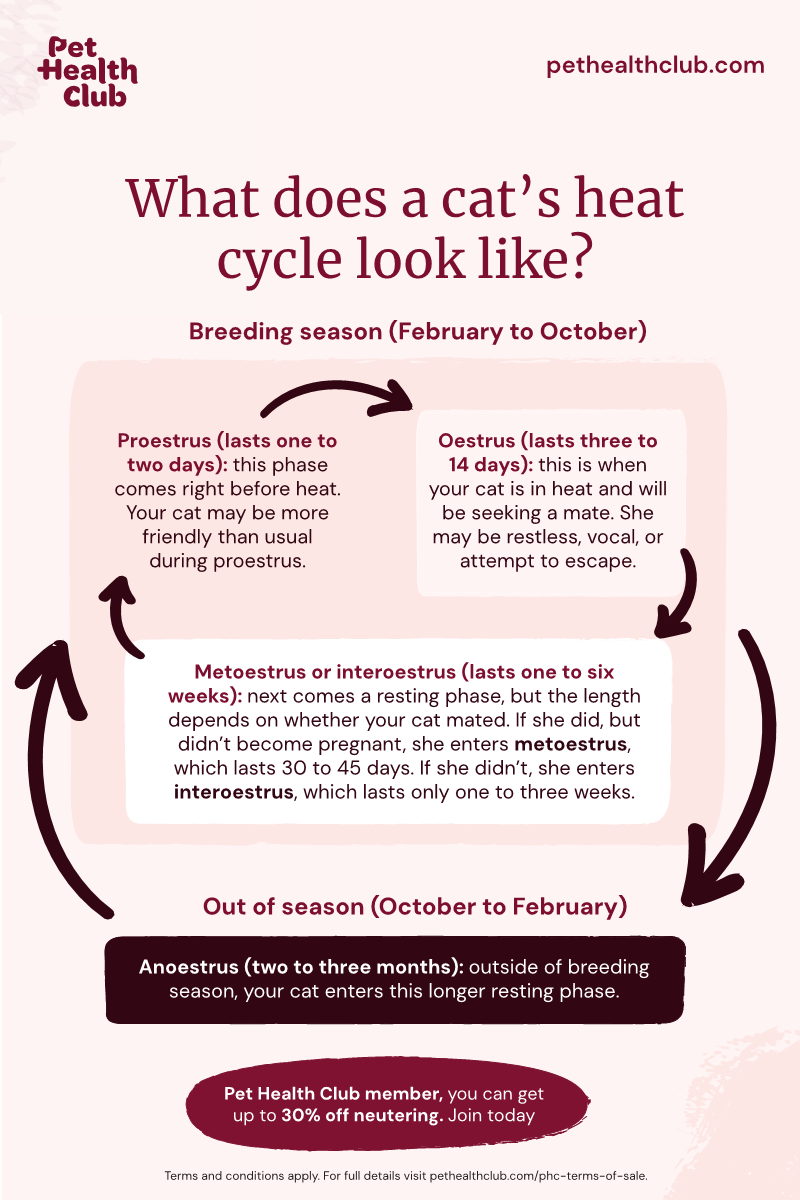
Female cats go into heat several times a year. Each heat cycle lasts about a week. The best time to mate is during the peak of this cycle. This is when the female is most fertile and receptive to the male. Knowing the right timing improves the chance of pregnancy.
Recognizing Signs Of Heat
Signs of heat in female cats are clear and easy to spot. Look for increased vocalization, restlessness, and rubbing against objects. The cat may also lift her hindquarters when touched. These behaviors indicate she is ready for mating.
Introducing Cats Safely
Introducing the male and female cats requires patience and care. Keep them separated at first to observe their reactions. Use a calm environment to reduce stress. Allow short, supervised meetings and watch for signs of aggression or fear. Gradually increase their time together if they seem comfortable.

Credit: dremmanuelfontaine.com
Pregnancy Care
Pregnancy care is vital for a healthy cat and her kittens. Proper care helps prevent complications and supports the mother’s wellbeing. Understanding her needs during this time ensures a safe pregnancy and birth.
Monitoring The Mother’s Health
Watch the cat daily for any signs of illness or distress. Check her energy levels and appetite closely. Regular vet visits are important to track pregnancy progress. The vet can detect issues early and offer treatment. Keep her environment calm and stress-free to promote health.
Dietary Needs During Pregnancy
The mother needs more nutrients to support her kittens. Feed her high-quality, protein-rich food designed for pregnant cats. Increase meal frequency but avoid overfeeding. Provide fresh water at all times. Supplements like taurine and omega-3 fatty acids help fetal development. Always consult a vet before adding supplements.
Preparing For Birth
Create a quiet, warm, and comfortable nesting area. Use soft blankets or towels that are easy to clean. Place the nest in a low-traffic area. Gather essential supplies such as clean towels, a heating pad, and scissors. Know emergency contacts in case of birth complications. Stay nearby but give the mother space to deliver calmly.
Whelping And Early Kitten Care
Whelping and early kitten care are critical stages in the cat breeding process. This period demands your full attention and care to ensure the mother and her kittens stay healthy. Understanding the signs of labor, how to assist during birth, and the essentials of newborn care can make a huge difference in the survival and well-being of the kittens.
Signs Of Labor
Recognizing when your cat is about to give birth helps you prepare and act promptly. Watch for restlessness and frequent pacing as the cat searches for a quiet spot. You might also notice her grooming more often or refusing food.
Another clear sign is the drop in her body temperature below 99°F (37.2°C), which usually happens 12 to 24 hours before labor starts. Contractions will become visible as labor progresses, and you may see a discharge that signals the birth is imminent.
Assisting With Birth
Most cats handle birth without any help, but your presence can be reassuring. Keep the area calm, warm, and quiet to reduce stress. Have clean towels and a heating pad ready but never place the pad directly under the cat or kittens.
If the mother struggles to break the amniotic sac, gently tear it with clean hands to free the kitten’s nose and mouth. Be ready to clear the kitten’s airways with a soft cloth or bulb syringe if necessary. Avoid pulling the kitten out; let the mother do the work unless she is clearly exhausted or in distress.
Caring For Newborn Kittens
Newborn kittens need constant warmth since they cannot regulate their body temperature. Use a heating source like a heat lamp or heating pad set on low, and ensure there’s space for kittens to move away if they get too warm.
Keep the nesting box clean and dry. Check that each kitten is nursing well within the first few hours. If some kittens are not feeding, you may need to assist or consult a vet about supplemental feeding options.
How often should you check on the kittens? Frequent but gentle checks will help you spot early signs of trouble without overwhelming the mother. Remember, your calm presence can support a smooth start for the new family.

Credit: www.catbreedingforbeginners.com
Socializing And Raising Kittens
Raising kittens involves more than just feeding and care. Socializing kittens helps them grow into friendly, confident cats. Early interaction shapes their behavior and comfort with humans. A calm, loving environment makes a big difference. Proper care in the first weeks builds a strong foundation for their health and happiness.
Handling And Social Interaction
Hold kittens gently every day. This helps them feel safe and loved. Let them explore different sounds and sights. Playtime with toys encourages curiosity and exercise. Introduce new people slowly to avoid fear. Positive experiences now reduce stress later in life.
Feeding And Weaning
Kittens start eating solid food at about four weeks old. Offer soft, wet kitten food alongside their mother’s milk. Gradually reduce milk as they eat more solid food. Provide fresh water at all times. Balanced nutrition supports fast growth and strong bones.
Health Monitoring And Vaccinations
Check kittens daily for signs of illness. Look for clear eyes, clean ears, and healthy skin. Schedule vet visits early for vaccinations and health checks. Vaccines protect against common feline diseases. Keep records of all treatments and shots for future reference.
Common Challenges
Breeding a cat involves challenges like ensuring genetic diversity and managing health issues. Finding suitable mates and understanding feline behavior requires patience and expertise.
Breeding cats is both rewarding and challenging. It requires knowledge, patience, and commitment. Breeders often face several hurdles along the way. Let’s explore these common challenges.Dealing With Health Issues
Cat breeding presents various health challenges. Cats may suffer from genetic disorders. Common problems include heart disease and joint issues. Breeders must monitor the health of parent cats closely. Regular veterinary check-ups are crucial. Vaccinations and parasite control are essential to prevent diseases. Maintaining a clean and stress-free environment helps. Nutrition plays a key role in a cat’s health. Feeding high-quality food supports their immune system.Managing Behavioral Problems
Cats can exhibit behavioral challenges. Stress is a common trigger for unwanted behaviors. Cats may become aggressive or anxious. Understanding feline behavior is important. Socializing kittens early helps prevent behavioral issues. Providing toys and playtime reduces stress. Cats need a safe space to retreat. Breeders should observe and address behaviors promptly.When To Seek Veterinary Help
Veterinary assistance is vital in breeding. Any unusual symptoms need immediate attention. Breeders should not hesitate to consult a vet. Professional guidance ensures the cats’ well-being. Vets offer advice on nutrition and care. They can perform health screenings for genetic issues. Regular visits help detect problems early. Seeking veterinary help ensures the best outcome for cats.Ethical Breeding Practices
Ethical breeding practices are essential for anyone serious about raising healthy, happy cats. They ensure the well-being of the animals and maintain the quality and integrity of the breed. When you commit to ethical breeding, you protect your cats from health issues and contribute positively to the feline community.
Avoiding Overbreeding
Overbreeding can lead to serious health problems and stress for cats. Responsible breeders limit the number of litters a female cat has throughout her lifetime. This approach gives your cat enough time to recover and reduces the risk of complications during pregnancy and birth.
Think about it this way: would you push your pet to have too many litters just to meet demand? Avoiding overbreeding respects your cat’s body and ensures each kitten gets proper care and attention.
Ensuring Genetic Diversity
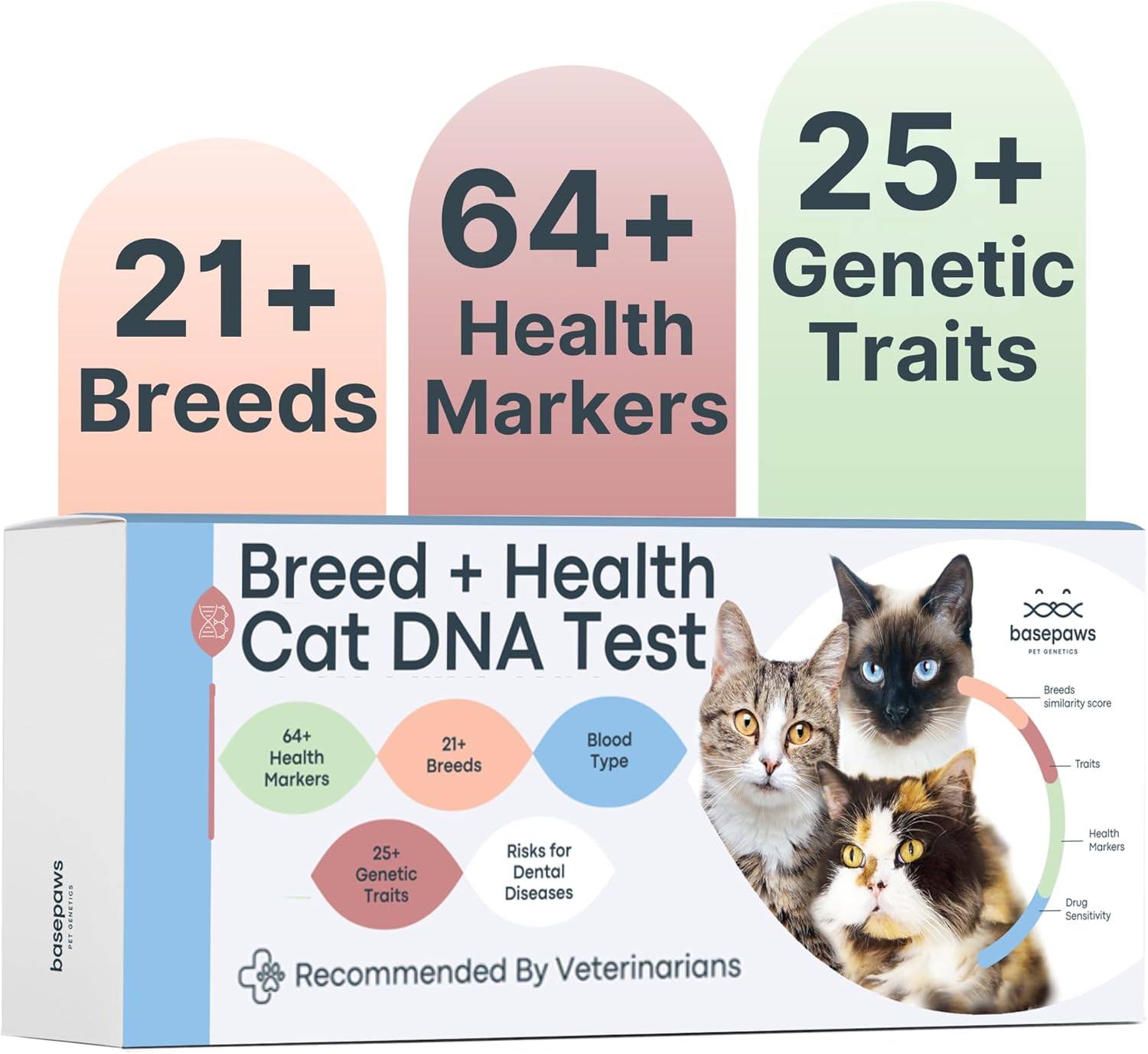
Maintaining genetic diversity prevents inherited diseases and keeps the breed strong. Ethical breeders carefully select mating pairs to avoid close inbreeding. This often means researching the lineage of each cat and choosing partners that will bring new, healthy traits to the offspring.
You can ask yourself: how can you balance breed standards with the need to keep genetic variety? Prioritizing health over appearance is a key step in producing well-rounded cats with fewer genetic problems.
Commitment To Animal Welfare
Animal welfare is at the heart of ethical breeding. This means providing clean, safe environments, proper nutrition, and regular veterinary care. It also means socializing kittens early to help them grow into confident, friendly pets.
Your role as a breeder includes being ready to support the kittens and their new owners throughout their lives. Are you prepared to answer questions and offer advice long after the kittens leave your care? This ongoing commitment sets ethical breeders apart from others.
Credit: www.rover.com
Frequently Asked Questions
What Are The Key Steps In Breeding A Cat?
Breeding a cat involves selecting healthy mates, timing the mating cycle, and ensuring proper care during pregnancy. Monitoring health and genetics is crucial for strong offspring. After birth, kittens need socialization and vaccinations for healthy development.
How To Choose The Best Cats For Breeding?
Select cats with good health, temperament, and breed standards. Genetic testing helps avoid hereditary diseases. Choose cats with desirable traits to improve breed quality. Proper selection ensures healthy kittens and successful breeding outcomes.
When Is The Best Time To Breed A Cat?
Cats are typically ready to breed between six months and one year. The optimal breeding period aligns with the queen’s heat cycle, usually every two to three weeks during breeding season. Timing impacts pregnancy success and kitten health.
What Health Checks Are Essential Before Breeding Cats?
Perform veterinary exams, vaccinations, and genetic screenings. Check for infectious diseases and hereditary conditions. Ensure both cats are in good physical condition. Health checks reduce risks during pregnancy and improve kitten viability.
Conclusion
Breeding a cat takes care, time, and knowledge. You must understand health, genetics, and behavior well. Choosing the right pair is very important. Regular check-ups keep both cats safe and healthy. Patience and attention help ensure good results. Breeding is not just about kittens; it’s about care.
Always put the cats’ well-being first. This way, you help create happy, healthy pets for families.



Leave a Reply