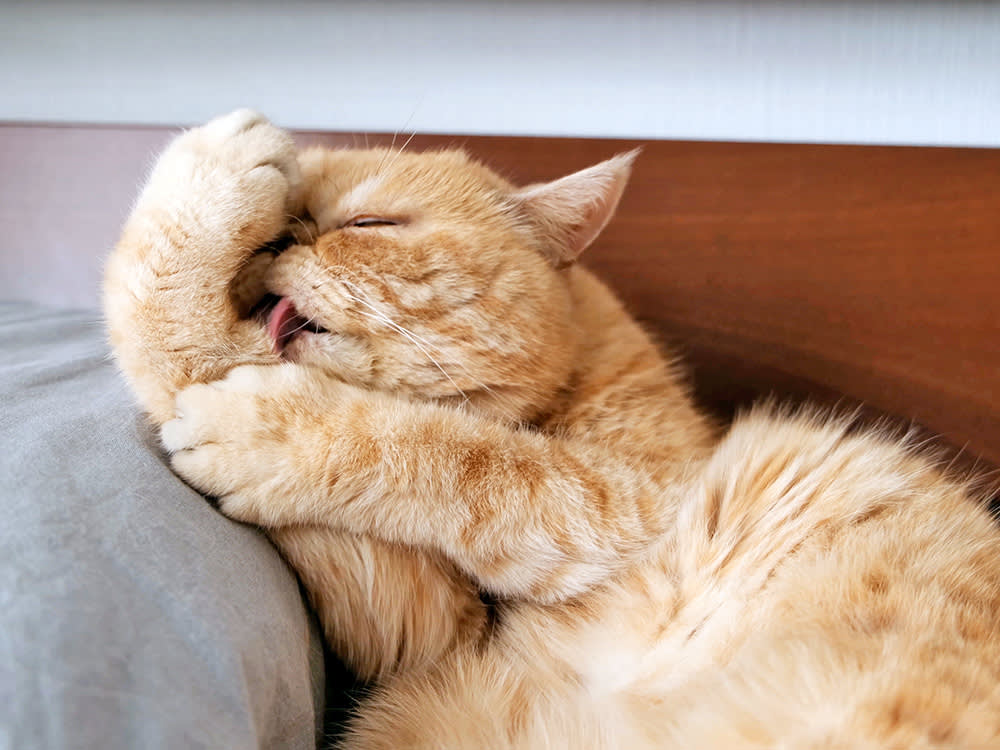
Have you ever watched your cat carefully licking its fur and wondered, “Is my cat grooming itself a good sign?” You’re not alone. Your cat’s grooming habits reveal a lot about its health and mood.
Understanding these clues can help you ensure your furry friend is happy and well. Keep reading to discover what your cat’s self-grooming really means—and why paying attention could make all the difference to your pet’s well-being.
Credit: pethelpful.com
Cat Grooming Basics
Understanding the basics of cat grooming can help you recognize whether your feline’s self-care habits are healthy or if they signal a problem. Grooming is more than just keeping clean; it plays a vital role in your cat’s physical and emotional well-being. Observing how and why your cat grooms itself gives you valuable clues about its overall health.
Why Cats Groom Themselves
Cats groom themselves primarily to stay clean. They remove dirt, loose hair, and parasites like fleas by licking their fur. This not only keeps their coat shiny but also prevents skin infections.
Grooming is also a way for cats to regulate their body temperature. When they lick their fur, the saliva helps cool them down as it evaporates. Have you noticed your cat grooming more during hot days? That’s a natural cooling method.
Beyond physical care, grooming helps reduce stress. It’s a calming activity that can soothe your cat when it feels anxious or uncomfortable. If your cat suddenly stops grooming, it might be a sign of stress or illness.
Common Grooming Behaviors
- Licking:Your cat uses its tongue to clean its fur thoroughly. You might see it focusing on certain spots like the paws, face, or tail.
- Biting or nibbling:Gentle nibbling helps remove mats or tangled fur that licking alone can’t fix.
- Scratching:Claws help scratch areas that the tongue can’t reach, like behind the ears.
- Face washing:Cats often lick their paws and then use the damp paw to clean their face, especially around the eyes and mouth.
Have you ever caught your cat spending a long time grooming a specific spot? It could be a sign of irritation or discomfort. Pay attention to these behaviors—they provide important hints about your cat’s health.

Credit: www.angiesmobilepetstyling.com
Signs Of Healthy Grooming
Healthy grooming shows your cat feels well and comfortable. It helps keep their fur clean and skin free from irritations. Observing grooming habits gives clues about a cat’s health and happiness. Look closely at how often and how well your cat grooms itself.
Frequency And Duration
Normal cats groom several times a day. Each session usually lasts a few minutes. Too little grooming might mean health problems or stress. Over-grooming can signal pain or allergies. A balanced grooming routine keeps your cat clean and calm.
Appearance Of Coat And Skin
A healthy coat looks smooth, shiny, and clean. Skin should be free of redness, flakes, or bumps. Matted or greasy fur might show grooming issues. Soft fur and healthy skin reflect good self-care. Watch for any changes in your cat’s coat texture or color.
Grooming And Cat’s Mood
Grooming is more than just a routine activity for cats; it reflects their emotional state. Watching your cat clean itself can tell you a lot about how it feels. Whether your feline friend is calm or stressed, grooming plays a key role in their mood and well-being.
Grooming As A Stress Reliever
Grooming helps cats calm down when they feel uneasy. It releases endorphins, which naturally reduce stress and make your cat feel better. You might notice your cat licking its fur after a loud noise or a visit to the vet—this is their way of soothing themselves.
Many cat owners find that their pets groom more during times of change, like moving to a new home. This behavior is a self-comforting action, similar to how humans might take a deep breath to relax. Have you ever seen your cat suddenly start grooming after being startled? That’s their way of coping.
When Grooming Indicates Anxiety
Not all grooming is healthy. If your cat grooms excessively, it might be a sign of anxiety or discomfort. Over-grooming can lead to bald spots or irritated skin, which means your cat’s mood is off balance.
Stressors like loud noises, new pets, or changes in routine can cause this behavior. Watch for repeated licking or biting in the same area, as this often signals distress. Have you noticed your cat grooming so much that it looks raw? This is a clear call for you to check what might be causing anxiety.
Pay attention to your cat’s grooming patterns. They offer valuable clues about your pet’s emotional health and help you decide when to provide comfort or seek veterinary advice.
Excessive Grooming Concerns
Is your cat grooming itself more than usual? While grooming is a natural behavior for felines, excessive grooming can signal underlying issues. It’s important to pay attention to the frequency and intensity of your cat’s grooming habits. Excessive grooming can lead to health concerns and discomfort for your furry friend.
Causes Of Overgrooming
Several factors can trigger overgrooming in cats. Stress is a common culprit; changes in the environment, like a new pet or moving homes, can make your cat anxious. Allergies, whether from food, pollen, or flea bites, can also cause itching, prompting your cat to groom excessively.
Have you noticed changes in your cat’s routine or environment lately? Identifying these changes can be key to solving the grooming puzzle. Remember, cats are creatures of habit, and even minor disruptions can cause stress.
Health Problems Linked To Grooming
Overgrooming isn’t just a behavior issue; it can lead to health problems. Constant licking can cause hair loss, skin irritation, and even open sores. These sores can become infected, leading to further complications.
Have you checked your cat’s skin lately? Look for red or bald patches. If you notice any signs of irritation, it’s time to consult your vet. Early intervention can prevent minor issues from turning into major health problems.
Remember, your cat’s health is in your hands. Keeping an eye on their grooming habits can provide valuable insights into their overall well-being. Have you had any personal experiences with your cat’s grooming habits that led to important discoveries? Sharing your story could help others in similar situations.
Grooming And Social Behavior
Cats use grooming to communicate and build relationships. Grooming shows trust and care. It is more than just keeping clean. Social grooming helps cats bond and feel safe around each other and their human friends.
Grooming Between Cats
Cats often groom each other to show friendship. This is called allogrooming. It helps reduce tension and creates a peaceful group. Cats lick each other’s fur to share scents. This makes them feel like part of the same family.
Grooming between cats also helps remove dirt and parasites. It is a way to protect each other. Cats that groom together usually have strong social bonds.
Grooming And Bonding With Owners
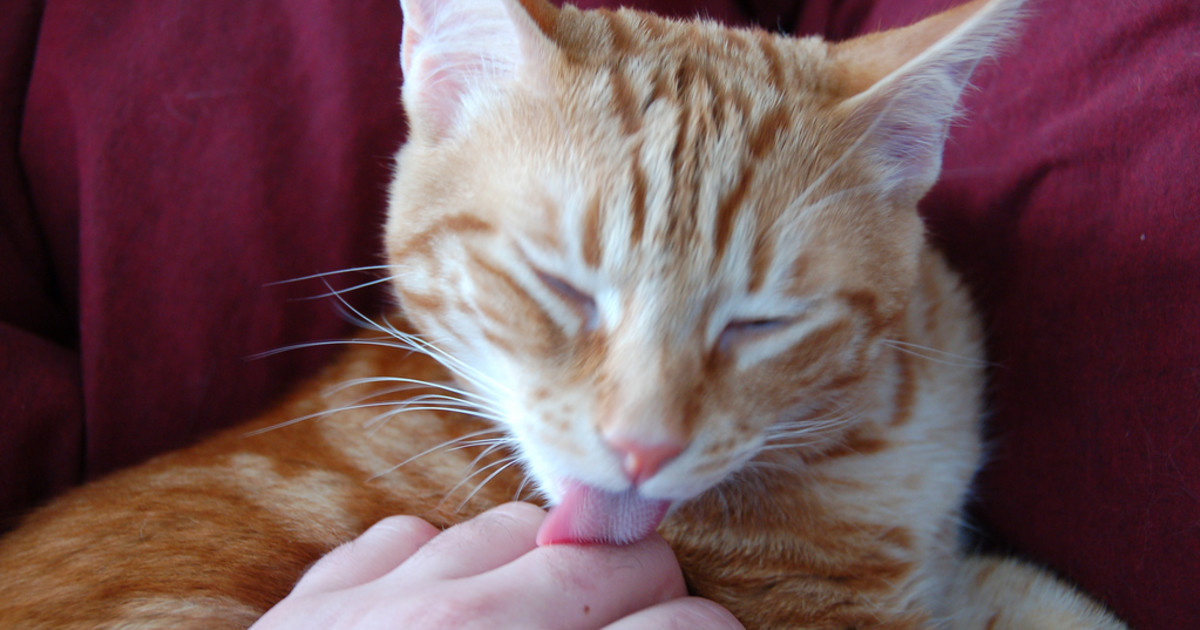
Cats may groom their owners by licking their skin or hair. This is a sign of affection and trust. It shows the cat sees the owner as part of its family. Grooming can also calm a cat and help it feel safe.
Petting and gentle brushing by owners can mimic grooming. This increases the bond and makes cats happier. Regular grooming sessions can improve a cat’s mood and health.

Credit: medium.com
When To Consult A Vet
Knowing when to consult a vet about your cat’s grooming habits can save you from bigger health issues down the road. Cats are usually great at keeping themselves clean, but sudden changes in their grooming behavior might signal discomfort or illness. Paying attention to these changes and acting quickly can make a huge difference in your cat’s well-being.
Signs Grooming Is A Problem
Watch for signs like excessive licking or biting at certain areas, which can indicate pain or irritation. If your cat suddenly stops grooming altogether, it might mean they are feeling too sick or depressed to care for themselves.
Look for bald patches, red or inflamed skin, and sores that don’t heal. These symptoms often point to allergies, parasites, or infections.
Behavioral changes can also be a clue. Is your cat hiding more or acting restless? These could be signs that grooming is uncomfortable or painful.
Treatment Options
Once you notice troubling grooming signs, a vet visit is essential to identify the root cause. Your vet might recommend treatments such as:
- Medicated shampoos or topical ointments to soothe irritated skin
- Flea or parasite control if pests are the issue
- Diet changes to address allergies or nutritional deficiencies
- Medication for underlying health problems like arthritis or anxiety
Some cats benefit from professional grooming sessions to manage mats or overgrown fur safely. Your vet can guide you on the best care routine tailored to your cat’s needs.
Frequently Asked Questions
Why Do Cats Groom Themselves Frequently?
Cats groom themselves to stay clean, remove loose fur, and regulate body temperature. It also helps reduce stress and strengthen their bond with the environment.
Is Self-grooming A Sign Of A Healthy Cat?
Yes, self-grooming usually indicates a healthy cat. It shows they feel comfortable and are maintaining good hygiene and skin health.
Can Excessive Grooming Indicate Health Problems?
Excessive grooming might signal skin issues, allergies, or stress. If grooming seems obsessive, consult a vet to rule out underlying problems.
How Often Should A Cat Groom Itself Daily?
Cats typically groom themselves several times a day. This natural behavior helps keep their coat clean and reduces shedding around the home.
Conclusion
A cat grooming itself shows it feels safe and healthy. This behavior helps keep its fur clean and skin healthy. Cats also groom to relax and calm down. If your cat stops grooming, it might mean stress or illness. Watch your cat’s habits to understand its needs better.
Regular grooming is a good sign of a happy cat. Keep observing your pet to ensure it stays well. Caring for your cat means noticing these small but important signs.



Leave a Reply