Have you noticed your cat suddenly stopping its grooming habits? It might seem like a small change, but it can tell you a lot about your furry friend’s health and happiness.
When your cat stops grooming, it’s often a sign that something is wrong—whether it’s stress, illness, or discomfort. Understanding what this behavior means can help you act quickly to keep your cat safe and comfortable. Keep reading to discover the key reasons behind this change and what you can do to help your cat feel like themselves again.
Cat Grooming Basics
Understanding the basics of cat grooming can give you valuable insight into your cat’s health and happiness. Grooming is more than just keeping clean—it’s a vital part of their daily routine that affects their physical and emotional well-being. Knowing what’s normal helps you spot when something might be wrong.
Why Cats Groom Themselves
Cats groom to keep their fur clean and free of dirt, parasites, and loose hair. This behavior also helps regulate their body temperature and reduces stress. Have you noticed how your cat often grooms after waking up or during quiet moments? That’s because grooming calms them and strengthens their bond with themselves.
Grooming can also be a way for cats to communicate. When cats groom each other, it’s a sign of trust and friendship. If your cat suddenly stops grooming, it might be trying to tell you something is wrong—either physically or emotionally.
Normal Grooming Frequency
Most cats spend about 30-50% of their awake time grooming. This can mean several sessions a day, lasting from a few minutes to over half an hour. Older cats or those with long fur might groom less frequently but more thoroughly.
Keep an eye on your cat’s grooming habits. Too little grooming can lead to matted fur and skin problems. Too much grooming might cause bald patches or sores. Have you ever noticed your cat suddenly grooming obsessively or not at all? That’s a clear sign to check in with your vet.
Reasons Cats Stop Grooming
Cats usually groom themselves daily to stay clean and healthy. When a cat stops grooming, it signals a problem. This change can happen for many reasons. Understanding why cats stop grooming helps spot health or emotional issues early. Here are some common causes behind this behavior.
Physical Health Issues
Illness or pain often causes a cat to stop grooming. Arthritis can make bending painful. Dental problems may cause discomfort while grooming the face. Skin infections, wounds, or parasites can also stop grooming. Cats with obesity might struggle to reach certain areas. Poor grooming often signals a need for veterinary care.
Emotional And Psychological Factors
Stress and anxiety can affect grooming habits. A cat feeling scared or depressed may groom less. Changes in routine or loss of a companion can cause emotional distress. Sometimes, cats stop grooming after traumatic events. Grooming reduces stress, but some cats react by stopping it completely.
Environmental Changes
Changes in the home environment can disrupt grooming habits. Moving to a new place may make a cat uneasy. New pets or people can create stress. Loud noises or construction nearby may cause anxiety. Cats need stability to maintain grooming routines. Sudden changes often lead to less self-care.
Signs Of Grooming Problems
Noticing changes in your cat’s grooming habits can be concerning. Grooming is essential for a cat’s health and comfort, so spotting signs of grooming problems early can help you act quickly. Let’s look at some key signs that your cat might be struggling with grooming.
Mattes And Tangled Fur
Mattes are clumps of fur that stick together and can pull painfully at your cat’s skin. Cats usually keep their coats smooth, so tangled fur is a red flag. If you see these knots, it might mean your cat is avoiding grooming or can’t reach certain areas.
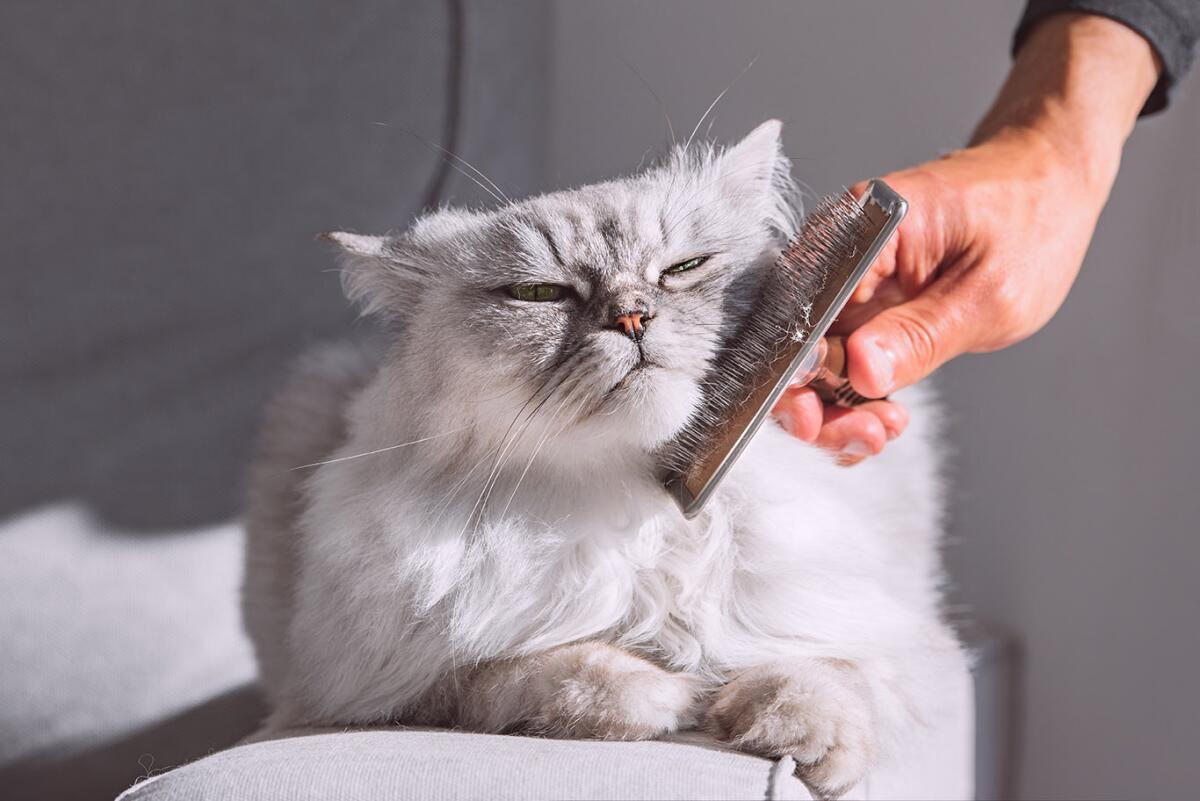
Have you tried gently running your fingers through your cat’s fur? If you feel rough patches or clumps, it’s time to check for matting. Regular brushing can prevent these problems, but if your cat isn’t grooming themselves, matting can quickly become severe.
Bald Patches And Skin Irritations
Bald spots or irritated skin often point to underlying grooming issues. Your cat might be avoiding grooming due to pain or discomfort caused by skin infections, allergies, or parasites. These areas can become red, flaky, or swollen.
Take a close look at your cat’s skin during your next cuddle session. If you notice bald patches or redness, it’s important to consult your vet. Ignoring these signs can lead to worsening skin conditions and more serious health problems.
Unusual Odors
Healthy cats usually smell clean and fresh. An unusual or foul odor can indicate that your cat isn’t grooming properly. This might be due to dental problems, infections, or a buildup of dirt and oils on the skin.
Have you ever noticed a bad smell coming from your cat’s coat or mouth? This could be a sign they need help with grooming or a vet visit. A simple sniff test at home can give you clues about your cat’s health before symptoms become severe.
Urgent Health Concerns
When your cat suddenly stops grooming, it’s a red flag you shouldn’t ignore. Grooming is a key part of a cat’s daily routine, and any change can signal urgent health issues. Paying attention to these signs could save your cat from serious suffering.
Pain And Injury
Imagine trying to clean yourself when you’re hurting—your cat feels the same. Pain from injuries like cuts, bruises, or arthritis often makes grooming too uncomfortable. If your cat avoids certain areas or seems tense when you touch them, it might be hiding pain.
Have you noticed your cat limping or favoring one side? These signs paired with stopped grooming should prompt a quick vet visit. Ignoring pain can worsen injuries and delay healing.
Infections And Parasites
Parasites such as fleas or mites cause intense itching, but sometimes your cat stops grooming out of discomfort. Skin infections can also make grooming painful or ineffective. You might see redness, scabs, or bald patches where your cat avoids cleaning.
Check your cat’s fur closely—are there tiny insects or unusual flakes? These clues point to infections or parasites that need immediate treatment. Delaying care could lead to severe skin problems or spread to other pets.
Chronic Illness Indicators
A decline in grooming can hint at hidden, serious health problems like kidney disease, diabetes, or thyroid issues. These illnesses drain your cat’s energy or cause discomfort, reducing their interest in self-care. Changes in appetite or weight along with grooming neglect often signal chronic conditions.
Have you observed your cat seeming more tired or drinking more water than usual? These subtle signs, combined with poor grooming, demand veterinary attention. Early diagnosis can improve your cat’s quality of life and treatment success.
Behavioral Indicators
A sudden stop in grooming can signal health issues in cats. Stress, pain, or dental problems might be affecting them. Cats typically groom to stay clean and comfortable, so a change in this behavior warrants attention.
Cats often stop grooming due to underlying behavioral changes. Recognizing these signs is crucial for their well-being. Below, we explore key behavioral indicators that may signal why your cat has stopped grooming.Depression And Stress
Cats can experience depression and stress. Changes in their environment might trigger these feelings. A new pet, moving houses, or even changes in their daily routine could affect them. When stressed, cats may neglect their grooming habits. Look for other signs like hiding, reduced playfulness, or excessive sleeping.Anxiety And Fear
Fear and anxiety can make cats stop grooming. Loud noises or unfamiliar visitors might scare them. When anxious, they might become more withdrawn. This withdrawal can lead to a lack of grooming. Watch for other anxiety signs like flattened ears or a lowered tail.Changes In Appetite And Activity
Alterations in appetite often indicate a problem. Cats who eat less might lack energy. This energy drop can result in less grooming. Increased or decreased activity levels are also indicators. A sudden disinterest in toys or play may suggest underlying issues. If you notice these changes, consider consulting a vet.When To Seek Veterinary Care
Noticing your cat has stopped grooming can be worrying. It often signals something is off with their health or well-being. Knowing when to seek veterinary care can make a big difference in your cat’s recovery and comfort.
Emergency Symptoms
Some signs require immediate vet attention. If your cat shows sudden changes like severe lethargy, refusing to eat or drink, or labored breathing, don’t wait. These could indicate serious issues like infections or pain that need urgent care.
Also, watch for visible wounds, swelling, or sudden changes in behavior like aggression or hiding. These are red flags that something is wrong beyond just grooming habits. Acting quickly can save your cat from worsening conditions.
Routine Checkups
Sometimes, stopping grooming is subtle and develops over time. Scheduling regular vet visits helps catch underlying problems early. Your vet can check for dental issues, skin infections, arthritis, or stress factors affecting grooming.
Even if your cat seems okay otherwise, mention any grooming changes during these visits. Small signs often reveal bigger health concerns that you might miss at home.
What To Tell Your Vet
When you visit the vet, clear and detailed information helps them diagnose better. Describe when you first noticed the grooming change and any other behavior shifts. Mention changes in appetite, litter box habits, or interactions with family members.
If you’ve tried home remedies or noticed specific areas your cat avoids grooming, share that too. This insight can guide your vet to focus on possible pain points or emotional distress causing the problem.
Helping Your Cat Resume Grooming
Helping your cat resume grooming is crucial for their health and happiness. Grooming keeps their coat clean and stimulates blood flow, so a lapse can signal underlying issues. Taking steps to encourage your cat gently and patiently can make a big difference in restoring this essential habit.
Creating A Comfortable Environment
Your cat needs a safe and calm space to feel comfortable enough to groom again. Make sure their resting areas are quiet, warm, and free from sudden noises or disruptions. Adding soft bedding and familiar scents can help your cat relax and focus on self-care.
Have you noticed if your cat avoids certain rooms or spots? Sometimes, changing or removing items that cause discomfort can encourage grooming. Small adjustments, like placing their bed near a sunny window or away from busy areas, might be all they need.
Managing Stress And Anxiety
Stress often causes cats to stop grooming. Identifying stressors in your cat’s environment is key. Common triggers include new pets, changes in routine, or loud noises.
Try using calming products such as pheromone diffusers or sprays. These can create a soothing atmosphere that helps your cat feel more secure. Offering interactive play sessions also distracts from anxiety and improves overall mood.
Have you considered how your own behavior affects your cat’s stress? Speaking softly and moving slowly around your cat may encourage them to groom again.
Medical Treatments And Support
Sometimes, a medical problem causes grooming to stop. Skin conditions, dental pain, or arthritis can make grooming uncomfortable or painful. It’s important to visit your vet to rule out or treat these issues.
Your vet might recommend medications or topical treatments to relieve discomfort. Regular check-ups ensure your cat stays healthy and able to groom properly. Don’t hesitate to ask your vet about supplements that support skin and coat health.
Have you kept track of your cat’s grooming habits and any other symptoms? Sharing detailed observations with your vet can lead to quicker and more effective treatment.
Frequently Asked Questions
Why Does My Cat Stop Grooming Suddenly?
Cats may stop grooming due to illness, pain, or stress. Health issues like arthritis or dental problems can cause discomfort. Emotional stress or anxiety also affects grooming habits. A sudden change signals a need for veterinary evaluation to address underlying causes promptly.
Can Lack Of Grooming Indicate Cat Health Problems?
Yes, lack of grooming often signals health problems. It may indicate skin infections, parasites, or chronic diseases like kidney failure. Grooming is essential for a cat’s hygiene and comfort. Ignoring this change can worsen health conditions, so prompt vet attention is crucial.
How Does Stress Affect A Cat’s Grooming Habits?
Stress reduces a cat’s grooming frequency. Changes in environment, loud noises, or new pets can trigger anxiety. Cats groom less when stressed, leading to matted fur or skin issues. Providing a calm environment and routine can help restore normal grooming behavior.
Is It Normal For Older Cats To Groom Less?
Older cats often groom less due to arthritis or reduced flexibility. Aging can cause pain, making self-cleaning difficult. Regular vet checkups and gentle grooming assistance can improve their comfort and hygiene. Monitoring is key to catching health issues early.
Conclusion
A cat that stops grooming may feel unwell or stressed. This behavior often signals health or emotional problems. Watch your cat closely and note any other changes. A vet visit can help find the cause and offer treatment. Early care improves your cat’s comfort and health.
Remember, grooming is a sign of a happy, healthy cat. Taking action shows you care and helps your pet feel better. Keep learning about your cat’s needs and habits. Small steps can make a big difference in their life.

Leave a Reply