If you have a short-haired cat, you might think grooming is easy. But did you know that even short-haired cats need proper care to stay healthy and happy?
Grooming your cat the right way can reduce shedding, prevent skin problems, and strengthen the bond between you and your furry friend. In this guide, you’ll discover simple steps to groom your short-haired cat effectively without stress or hassle. Ready to make grooming a breeze for both you and your cat?
Keep reading to learn how!
Choosing The Right Grooming Tools
Choosing the right grooming tools is essential for keeping your short-haired cat comfortable and looking great. The right tools make grooming easier and more effective, avoiding stress for both you and your pet. Knowing which brushes, nail clippers, and shampoos to use can save you time and help maintain your cat’s health.
Brushes Suitable For Short Hair
Short-haired cats don’t need heavy grooming tools, but a good brush is still important. Look for brushes with soft bristles or rubber tips that gently remove loose hair and dirt without irritating the skin.
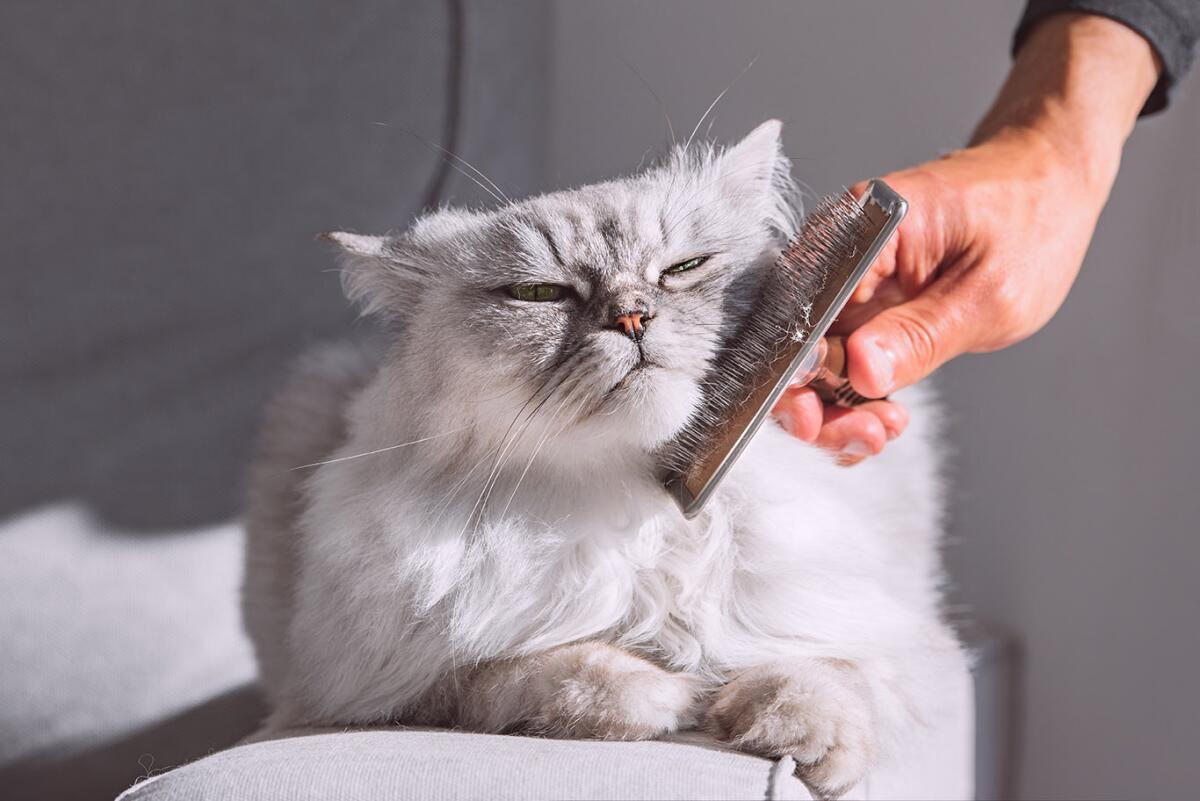
A slicker brush or a bristle brush often works well. The slicker brush removes dead hair and helps reduce shedding, while the bristle brush smooths the coat and adds shine. Try both to see which your cat prefers—it’s surprising how different cats react to each type!
Nail Clippers And Their Types
Trimming your cat’s nails keeps them healthy and protects your furniture. You have two main choices: guillotine-style clippers and scissor-style clippers.
Guillotine clippers have a hole where you insert the nail and a blade that slices it off. They are easy to control and great for beginners. Scissor-style clippers look like small scissors and give you more precision, which can be handy if your cat has thick nails.
Pick the one that feels comfortable in your hand and suits your cat’s nail size. Remember, sharp and clean blades make the process smoother and safer.
Shampoos And Conditioners
Not all shampoos are safe for cats, so choose one formulated specifically for felines. Avoid human shampoos or products with strong chemicals, as these can irritate your cat’s skin.
Look for gentle, hypoallergenic shampoos that moisturize and maintain natural oils. Conditioners are optional but can help if your cat’s coat feels dry or dull. If you’re unsure, ask your vet for recommendations—they often know which brands work best for sensitive skin.
Preparing Your Cat For Grooming
Preparing your short-haired cat for grooming sets the stage for a smooth experience. A calm, comfortable cat is easier to groom. Taking time to prepare helps reduce stress for both of you. Here is how to get your cat ready.
Creating A Calm Environment
Choose a quiet room without loud noises or distractions. Soft lighting helps your cat stay relaxed. Remove other pets from the area. Play gentle music or keep the room silent. Have all grooming tools ready and nearby.
Getting Your Cat Comfortable
Let your cat explore the grooming space first. Pet your cat gently to build trust. Use soft, slow strokes to calm them. Talk softly and offer treats as rewards. Handle paws and fur gently to get your cat used to touch.
Timing And Frequency
Pick a time when your cat is calm and not hungry. Avoid grooming after meals or during high energy periods. Short grooming sessions work best for short-haired cats. Aim to groom once a week or every two weeks. Regular grooming keeps your cat clean and healthy.
Step-by-step Grooming Process
Grooming a short-haired cat might seem simple, but it requires attention to detail to keep your feline friend healthy and happy. A careful grooming routine reduces shedding, prevents skin problems, and strengthens your bond with your cat. Let’s walk through the essential steps to help you master this process with ease.
Brushing Techniques
Short-haired cats benefit from regular brushing, even though their fur is less prone to matting. Use a soft-bristle brush or a rubber grooming mitt to gently remove loose hairs and dirt.
Brush in the direction of hair growth, applying light pressure to avoid irritating your cat’s skin. Notice how your cat responds—if they relax, you’re doing it right. Pay special attention to areas like the neck and under the legs where loose fur tends to gather.
Bathing Your Cat
Bathing isn’t always necessary for short-haired cats unless they get into something messy. When you do bathe your cat, use lukewarm water and a shampoo formulated specifically for cats.
Keep the bath quick and calm. Use a cup or gentle sprayer to wet your cat, avoiding the face. Rinse thoroughly to prevent any shampoo residue that might irritate their skin.
Trimming Nails Safely
Trimming your cat’s nails can be daunting but is crucial to avoid scratches and overgrown claws. Use a pair of cat nail clippers and hold your cat’s paw gently but firmly.
Cut only the sharp tip, avoiding the pink quick inside the nail to prevent pain and bleeding. If you’re unsure where the quick ends, trim a tiny bit at a time or ask your vet to show you the right technique.
Cleaning Ears And Eyes
Check your cat’s ears weekly for dirt or wax buildup. Use a cotton ball dampened with a vet-approved ear cleaner to gently wipe the outer ear—never insert anything into the ear canal.
For the eyes, use a separate clean, damp cloth to wipe away any discharge. If you notice redness, swelling, or persistent discharge, it’s best to consult your vet immediately.
Common Grooming Challenges
Grooming a short hair cat can present unique challenges. Their sleek coats may seem low-maintenance, but they require attention. Understanding common grooming challenges helps maintain a cat’s health and comfort. Let’s explore these challenges.
Handling A Nervous Cat
Cats can become anxious during grooming sessions. A calm environment helps ease nerves. Speak softly and use gentle movements. Allow your cat time to adjust to grooming tools. Treats can reward calm behavior, building positive associations.
Dealing With Mats And Tangles
Short hair cats may develop occasional mats and tangles. Regular brushing prevents these issues. Use a soft-bristle brush to avoid discomfort. For stubborn tangles, gently work them out with your fingers. Never pull on a mat, as this can hurt your cat.
Avoiding Skin Irritations
Short hair cats have sensitive skin. Choose grooming products designed for cats. Harsh chemicals can irritate their skin. Check for redness or bumps during grooming. If you notice irritation, consult your veterinarian for advice.
Maintaining Healthy Skin And Coat
Healthy skin and coat are signs of a happy short hair cat. Proper grooming supports this by keeping the fur smooth and the skin free from irritations. A clean, shiny coat reduces shedding and helps prevent skin problems. Good grooming habits also make your cat feel comfortable and loved.
Nutrition Tips For Shiny Fur
Good food creates a strong foundation for a healthy coat. Choose high-quality cat food rich in omega-3 and omega-6 fatty acids. These fats help keep fur soft and glossy. Protein is also essential for fur growth and repair. Fresh water supports skin hydration and overall health.
- Include fatty acids through fish oil or supplements.
- Feed balanced meals with vitamins A and E.
- Avoid low-quality fillers that add no real nutrition.
Regular Health Checks
Regularly inspect your cat’s skin for redness, bumps, or dryness. Look under the fur for any signs of fleas or ticks. Check ears and paws too. Early detection of problems helps prevent serious conditions. Grooming sessions offer a perfect time for these quick health checks.
When To Visit The Vet
Visit the vet if you notice persistent skin issues. Signs include constant scratching, hair loss, or scabs. Sudden changes in coat texture also need professional attention. A vet can diagnose allergies, infections, or parasites. Timely treatment keeps your cat comfortable and healthy.
Frequently Asked Questions
How Often Should I Groom My Short Hair Cat?
Short hair cats should be groomed once a week. Regular brushing removes loose fur and reduces shedding. It also helps distribute natural oils, keeping the coat healthy and shiny. Weekly grooming prevents hairballs and promotes bonding between you and your cat.
What Tools Are Best For Grooming Short Hair Cats?
A soft-bristle brush or rubber grooming mitt works best. These tools gently remove loose fur without irritating the skin. Avoid harsh combs or brushes that may cause discomfort. Choose tools that suit your cat’s sensitivity for a calm grooming experience.
Can Grooming Prevent Hairballs In Short Hair Cats?
Yes, grooming reduces hairballs by removing loose fur. Regular brushing stops cats from ingesting excess hair while grooming themselves. This lowers hairball formation and keeps your cat healthier. Consistent grooming is a simple way to manage hairball issues.
Should I Bathe My Short Hair Cat Regularly?
No, short hair cats rarely need baths. Their coats naturally stay clean with regular grooming. Bathing too often can dry out their skin and cause irritation. Only bathe your cat if they get into something dirty or smelly.
Conclusion
Grooming a short hair cat keeps them healthy and happy. Regular brushing removes loose fur and prevents hairballs. Check their skin often for signs of irritation or fleas. Use gentle tools and stay calm during grooming sessions. This builds trust between you and your cat.
Clean ears and trim nails carefully to avoid pain. Small steps make grooming easier for both of you. A well-groomed cat looks shiny and feels comfortable. Keep these tips in mind to care for your furry friend well. Simple care can make a big difference.

Leave a Reply