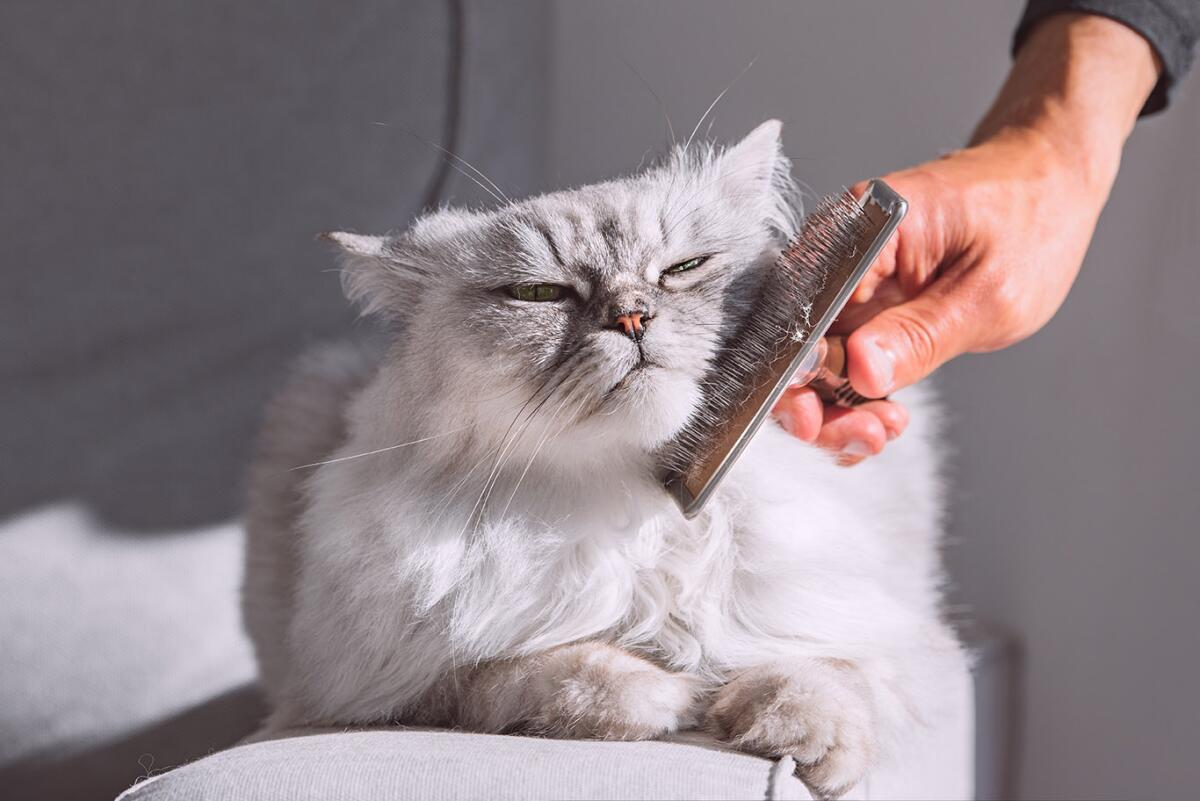
Have you ever wondered what grooming a cat really involves? If you want your furry friend to look and feel their best, understanding the basics of cat grooming is key.
It’s more than just brushing fur—it’s about keeping your cat healthy, comfortable, and happy. You’ll discover simple, effective steps to make grooming easy for both you and your cat. Ready to learn how to care for your feline companion like a pro?
Keep reading, and you’ll soon see how grooming can strengthen your bond and improve your cat’s life.
Benefits Of Cat Grooming
Grooming a cat is more than just keeping it clean. It offers many benefits that improve your cat’s life. Regular grooming supports their health, helps reduce hair around the house, and builds a stronger bond between you and your pet.
Health Improvements
Grooming helps spot health issues early. You can check for ticks, wounds, or skin problems. Brushing removes dirt and dead fur. It also prevents hairballs by reducing loose hair your cat swallows. Clean fur keeps your cat comfortable and less itchy.
Bonding With Your Cat
Grooming creates quiet, calm time together. It builds trust and comfort between you and your cat. Your cat learns to enjoy touch and feels safe. This time strengthens your relationship and makes your cat happier.
Reducing Shedding
Regular brushing cuts down loose hair around your home. It stops fur from piling on furniture and clothes. Less shedding means cleaner floors and less cleaning for you. It also helps keep your cat’s coat shiny and neat.
Tools For Grooming
Grooming your cat means having the right tools at hand. Each tool has its own role in keeping your feline friend healthy and comfortable. Knowing what to use and when can make grooming easier for both you and your cat.
Brushes And Combs
Choosing the right brush or comb depends on your cat’s coat type. For short-haired cats, a soft-bristle brush or rubber grooming mitt works well to remove loose fur and dirt.
Long-haired cats need a wide-toothed comb or a slicker brush to detangle knots gently without hurting their skin. Regular brushing reduces shedding and helps you spot skin issues early.
Have you noticed your cat’s reaction to different brushes? Pay attention to what they tolerate best—it will make grooming less stressful for both of you.
Nail Clippers
Keeping your cat’s nails trimmed prevents damage to furniture and reduces the chance of painful nail breaks. Use clippers designed specifically for cats, as human or dog clippers can cause splits.
Try clipping a small part of the nail at a time and avoid the quick, the sensitive pink area inside the nail. If you’re unsure, many groomers or vets offer demonstrations to help you feel confident.
Do you know how often your cat’s nails need trimming? Regular checks every couple of weeks can keep their claws in check without overdoing it.
Shampoos And Wipes
Bathing cats isn’t always necessary, but when it is, use shampoos made specifically for cats. Human or dog shampoos can irritate their skin or cause allergic reactions.
For quick clean-ups, grooming wipes are a great option. They’re especially handy for removing dirt or dander without the stress of a full bath.
Have you tried grooming wipes after outdoor adventures? They can freshen your cat up and keep their coat healthy between baths.
Brushing Techniques
Brushing a cat is an important part of grooming. It helps keep the fur clean and healthy. Brushing also reduces hairballs and prevents mats. Using the right technique makes the process easy and pleasant for your cat. Understanding the best brushing practices helps maintain your cat’s coat in top condition.
Choosing The Right Brush
Select a brush based on your cat’s fur type. Soft brushes work well for short-haired cats. Slicker brushes are good for removing loose hair from long fur. A comb helps detangle and check for mats. Avoid brushes with sharp edges to protect your cat’s skin. Test the brush gently on a small area before brushing fully.
Brushing Frequency
Brush short-haired cats once a week to remove loose hair. Long-haired cats need brushing daily to prevent tangles. Increase brushing during shedding seasons to control fur fall. Watch your cat’s coat condition to adjust brushing frequency. Regular brushing keeps the fur shiny and healthy.
Handling Different Fur Types
For short fur, use gentle strokes in the fur’s direction. Medium fur needs a slicker brush or comb to prevent tangles. Long fur requires careful detangling and daily brushing. Pay special attention to areas behind ears and under legs. Be patient and calm to keep your cat relaxed during brushing.

Credit: tryfurgo.com
Bathing Your Cat
Bathing your cat can seem like a daunting task, but it’s an important part of grooming when done correctly. Unlike dogs, cats generally groom themselves well, so bathing isn’t needed often. However, there are times when a bath is necessary to keep your feline friend healthy and comfortable.
When To Bathe
Consider bathing your cat if they have gotten into something sticky, smelly, or harmful, like oil or chemicals. Cats with certain medical conditions or skin issues might also require regular baths as directed by a vet.
Some cats have long hair that mats easily, and occasional baths can help reduce tangles and discomfort. If your cat is elderly or overweight and struggles to groom themselves properly, a bath can help maintain their hygiene.
Step-by-step Bathing Guide
- Prepare everything first:Gather cat-friendly shampoo, a cup for rinsing, and towels. Use lukewarm water to keep your cat comfortable.
- Secure your cat safely:Place a rubber mat or towel at the bottom of the sink or tub to prevent slipping. Keep the environment calm and quiet.
- Wet your cat gently:Use a cup or sprayer to wet your cat’s fur slowly, avoiding the face and ears.
- Apply shampoo:Massage a small amount of shampoo into the fur, focusing on dirty areas. Avoid harsh scrubbing.
- Rinse thoroughly:Rinse all shampoo out completely to prevent skin irritation.
- Clean the face carefully:Use a damp washcloth to wipe the face, avoiding eyes and ears.
Drying Tips
After the bath, gently wrap your cat in a soft towel. Pat dry rather than rubbing to avoid tangling the fur. Some cats tolerate a low heat setting on a hairdryer, but use it cautiously and keep it far from the skin.
Make sure your cat stays warm until fully dry. You can also brush their fur to help speed up drying and remove loose hairs. Have you noticed how much calmer cats are when they’re dry and cozy after a bath?
Nail Care
Grooming a cat involves brushing its fur to prevent mats and reduce shedding. Trimming nails keeps claws healthy and avoids scratches. Regular cleaning of ears and teeth also supports overall cat health.
Caring for your cat’s nails is a crucial aspect of grooming that often goes overlooked. Healthy nails are vital for your cat’s comfort and can prevent damage to your furniture. Regular nail care can also save you from unexpected scratches during playtime.Trimming Tips
Start with the right tools—a pair of high-quality cat nail clippers is essential. It’s best to trim your cat’s nails when they are calm and relaxed, perhaps after a meal or play session. Gently press on their paw pads to extend the nails and trim only the sharp tips, avoiding the quick.Avoiding Injuries
Accidentally cutting into the quick can cause pain and bleeding. Keep some styptic powder handy to stop any bleeding quickly. Practice makes perfect, so take your time and don’t rush the process.Alternative Options
If trimming is too daunting, consider using nail caps. These soft plastic covers are glued over your cat’s nails to prevent scratching damage. Alternatively, a professional groomer can handle the job if you’re not comfortable doing it yourself. Taking care of your cat’s nails is more than just a grooming task; it’s an opportunity to bond and build trust. Have you tried any of these methods? Which works best for your feline friend?
Credit: www.latimes.com
Ear And Eye Cleaning
Cleaning your cat’s ears and eyes is vital for their health. Dirt and wax can build up and cause discomfort. Regular cleaning helps prevent infections and keeps your cat comfortable.
Safe Cleaning Methods
Use a soft cloth or cotton ball dampened with warm water. Avoid using cotton swabs inside the ear canal. Gently wipe the outer ear to remove dirt and wax.
For the eyes, use a clean, damp cloth to wipe away discharge. Always wipe from the inner corner outward. Never touch the eyeball directly.
Signs Of Infection
- Redness or swelling in ears or eyes
- Foul odor from the ears
- Excessive scratching or rubbing
- Discharge that is yellow, green, or thick
- Squinting or pawing at the eyes
Notice these signs and contact your vet promptly. Early care can prevent serious problems.
Frequency Of Cleaning
Check your cat’s ears and eyes weekly. Clean only when you see dirt or discharge. Over-cleaning can irritate sensitive skin.
Cats with long hair or health issues may need more frequent care. Adjust cleaning based on your cat’s needs and vet advice.
Handling Grooming Challenges
Handling grooming challenges with cats requires patience and understanding. Cats often resist grooming due to fear or discomfort. Knowing how to approach these challenges makes the process smoother. It helps keep your cat calm and safe during grooming sessions.
Dealing With Anxious Cats
Anxiety in cats can make grooming difficult. Signs include hiding, growling, or struggling. Create a quiet and calm space for grooming. Use gentle, slow movements to avoid startling your cat. Let your cat sniff and explore grooming tools first. Short sessions work better than long ones. Reward your cat with treats or praise to build trust.
Making Grooming Enjoyable
Turn grooming into a positive experience. Use soft brushes that feel good on your cat’s fur. Speak in a soothing tone throughout the session. Play calming music or use pheromone sprays to relax your cat. Break grooming into small steps, like brushing one area at a time. Offer treats or cuddles after each step. This helps your cat associate grooming with good things.
When To Seek Professional Help
Some cats need expert grooming help. Look for signs like severe matting, wounds, or skin infections. If your cat becomes very aggressive or fearful, a groomer or vet can assist. Professionals have the right tools and experience. They can groom your cat safely and comfortably. Regular vet visits also help spot grooming-related health issues early.

Credit: www.angiesmobilepetstyling.com
Frequently Asked Questions
What Are The Basic Steps Of Grooming A Cat?
Grooming a cat includes brushing fur, trimming nails, cleaning ears, and checking eyes. Regular grooming keeps cats healthy and reduces shedding.
How Often Should I Groom My Cat?
Cats with short hair need grooming once a week. Long-haired cats require grooming several times weekly to prevent mats and tangles.
Can Grooming Improve My Cat’s Health?
Yes, grooming helps detect skin issues, parasites, and infections early. It also promotes better circulation and reduces hairballs.
What Tools Are Best For Grooming Cats?
Use a soft-bristle brush for short hair and a wide-tooth comb for long hair. Nail clippers and ear-cleaning wipes are essential too.
Conclusion
Grooming a cat means keeping its fur clean and healthy. It involves brushing, bathing, and checking for ticks or fleas. Regular grooming helps avoid hairballs and skin problems. It also strengthens the bond between you and your cat. Simple steps done often can keep your pet happy and comfortable.
A well-groomed cat looks good and feels great. Take time to care for your cat’s coat and claws. Small efforts make a big difference in your cat’s life.



Leave a Reply