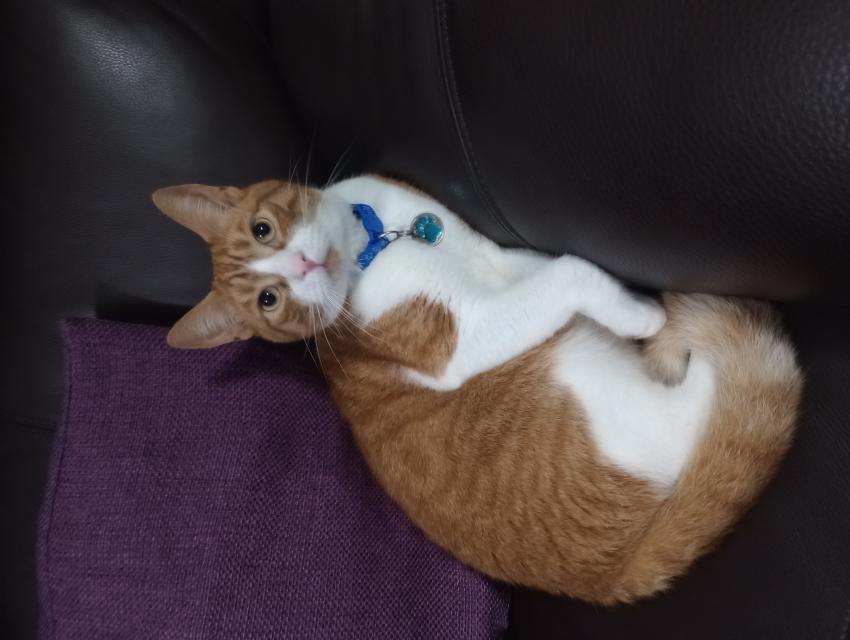
Have you ever wondered if cats from different breeds can mix? Maybe you’re curious about what happens when a Siamese meets a Maine Coon or if your mixed-breed cat has traits from several breeds.
Understanding how cat breeds mix can help you learn more about your furry friend’s personality, appearance, and health. Keep reading, and you’ll discover surprising facts that will change the way you see your cat forever.
Cat Breeds And Genetics
Understanding cat breeds and genetics is key if you want to know whether cats can mix breeds. Genetics determine the physical traits and behaviors your cat inherits, which often come from their breed lineage. Knowing these basics helps you predict how different breeds might combine when cats mate.
Basic Cat Genetics
Cat genetics work through genes passed from parents to kittens. Each kitten gets a mix of traits from both the mother and father. Some traits are dominant, meaning they show up more easily, while others are recessive and may skip generations.
For example, coat color and pattern are controlled by several genes. A black cat and a white cat can have kittens with mixed colors, depending on which genes are dominant. This explains why mixed-breed cats often show a wide variety of looks.
Common Cat Breeds
There are many popular cat breeds, each with unique characteristics. Here are a few well-known ones:
- Siamese:Sleek body, blue almond-shaped eyes, and vocal behavior.
- Maine Coon:Large size, bushy tail, and friendly personality.
- Persian:Long fur, flat face, and calm demeanor.
- Bengal:Spotted coat, energetic and playful nature.
When these breeds mix, their kittens might inherit any combination of these traits. Have you ever noticed a mixed breed cat that looks like a tiny lion or a fluffy tiger? That’s genetics in action.
Traits Passed Through Breeds
Breeds pass down more than just looks; behavior and health traits come along too. For example, Siamese cats are often more vocal and social, traits that can appear in mixed kittens.
Some traits are less obvious but important. Maine Coons tend to have strong bones and fewer health issues, which might benefit mixed offspring. On the other hand, Persian cats can pass on breathing problems due to their flat faces.
Think about your own cat’s personality and health—do they reflect their breed background? Understanding these inherited traits helps you care better for your cat and anticipate their needs.

Credit: www.wayofcats.com
How Breeds Mix
Cat breeds can mix in different ways, creating unique combinations. These mixes happen naturally or through human choices. Understanding how breeds mix helps appreciate the variety in cats.
Natural Crossbreeding
Cats often breed naturally without human help. When cats of different breeds live close, they mate freely. This leads to kittens with traits from both parents.
Natural crossbreeding happens in neighborhoods and rural areas. It helps maintain genetic diversity. These mixed cats usually have strong health and varied looks.
Human-driven Hybridization
People sometimes breed cats intentionally to combine special features. This process is called hybridization. Breeders select parents with desired traits for new mixes.
Hybrid cats can have unique patterns, sizes, or behaviors. Breeders aim to keep good health and temperament. This controlled mixing creates popular new breeds.
Popular Mixed Breeds
- Bengal:A mix of domestic cats and Asian leopard cats. Known for wild spots and playful nature.
- Savannah:Cross between domestic cats and servals. Tall, slim, and very active.
- Scottish Fold Mixes:Combine the folded ear trait with other breeds. Soft, round features.
These mixed breeds show how crossing can create special cats. Each has a blend of traits from both sides.
Unique Feline Hybrids
Unique feline hybrids represent an intriguing chapter in the story of cat breeding. These cats arise when two distinct breeds or species combine, creating offspring with a mix of traits that you won’t find in purebreds. Such hybrids often surprise cat lovers with their unusual looks and behaviors, challenging the boundaries of what a cat “should” be.
Examples Of Hybrid Cats
- Bengal Cat:A cross between the Asian leopard cat and a domestic cat, Bengals boast wild-looking spots and a playful, energetic personality.
- Savannah Cat:Born from crossing a domestic cat with a serval, these cats have tall ears and long legs, often resembling a small wild cat.
- Chausie:This hybrid mixes the jungle cat with a domestic breed, known for its athletic build and affectionate nature.
Have you ever seen a cat that looked like it belonged in the jungle rather than your living room?
Appearance And Behavior
Hybrid cats often feature a striking combination of their parents’ physical traits. Their fur patterns, size, and body shape can be quite unique, drawing attention wherever they go.
Behaviorally, these cats can be more energetic and curious than typical house cats. You might notice heightened intelligence and a strong hunting instinct, so your playtime routine may need an upgrade.
Consider how much activity and stimulation your cat needs before choosing a hybrid. Are you ready for a pet that demands more interaction and mental challenges?
Health And Longevity
Hybrid cats may enjoy robust health due to genetic diversity, but they can also face specific issues related to their wild ancestry. Some hybrids require special care to manage their more active lifestyles and dietary needs.
Understanding the health concerns unique to each hybrid breed is vital. Regular vet visits and a tailored care plan help ensure your cat lives a long, happy life.
Would you be prepared to provide the extra attention a hybrid cat might require to thrive?

Credit: www.viovet.co.uk
Breeding Challenges
Cats of different breeds can mate and produce mixed-breed kittens. This often leads to unpredictable traits and health issues. Careful breeding helps manage these challenges.
Breeding cats of different breeds can be an exciting venture, offering a mix of traits and personalities. However, it’s not without its challenges. Understanding these challenges is crucial if you’re considering mixing cat breeds. From health risks to ethical dilemmas, each aspect requires careful thought and preparation.Genetic Risks
When combining different cat breeds, genetic risks are a significant concern. Mixed-breed cats might inherit genetic disorders common to both parent breeds. For example, Persian cats are prone to polycystic kidney disease, which could be passed on to their mixed offspring. It’s essential to research the genetic backgrounds of the breeds involved. Genetic testing can help identify potential health issues. Would you be prepared to handle the responsibility if your cat develops a genetic disorder?Ethical Concerns
Breeding cats raises ethical questions about animal welfare. Overbreeding can lead to overcrowded shelters and homeless pets. Responsible breeding practices are vital to ensure that each kitten has a loving home waiting. Consider the motivation behind breeding. Is it for aesthetic purposes, or are you genuinely contributing to the breed’s health and sustainability? Ensure your breeding practices align with ethical standards that prioritize the well-being of the cats.Care Requirements
Mixed-breed cats may have unique care requirements, combining needs from both parent breeds. A Maine Coon mix, for example, might require regular grooming due to its thick fur, while a Siamese mix could demand more social interaction. Understanding and preparing for these needs is essential. Are you ready to commit to the time and effort required to care for a cat with potentially complex needs? Regular vet visits and proper nutrition are just the start. Balancing these challenges can be rewarding, but it requires dedication. Are you up for the task?Choosing A Mixed Breed Cat
Choosing a mixed breed cat offers a unique experience. These cats often have diverse traits from different breeds. This variety can make them interesting pets with special personalities. Mixed breed cats usually have fewer health problems. Their genetic diversity can give them a strong immune system.
Understanding what to expect helps in making a good choice. Knowing how to care for them ensures a happy life for your cat. Adoption is a great way to find a mixed breed cat in need of a home.
What To Expect
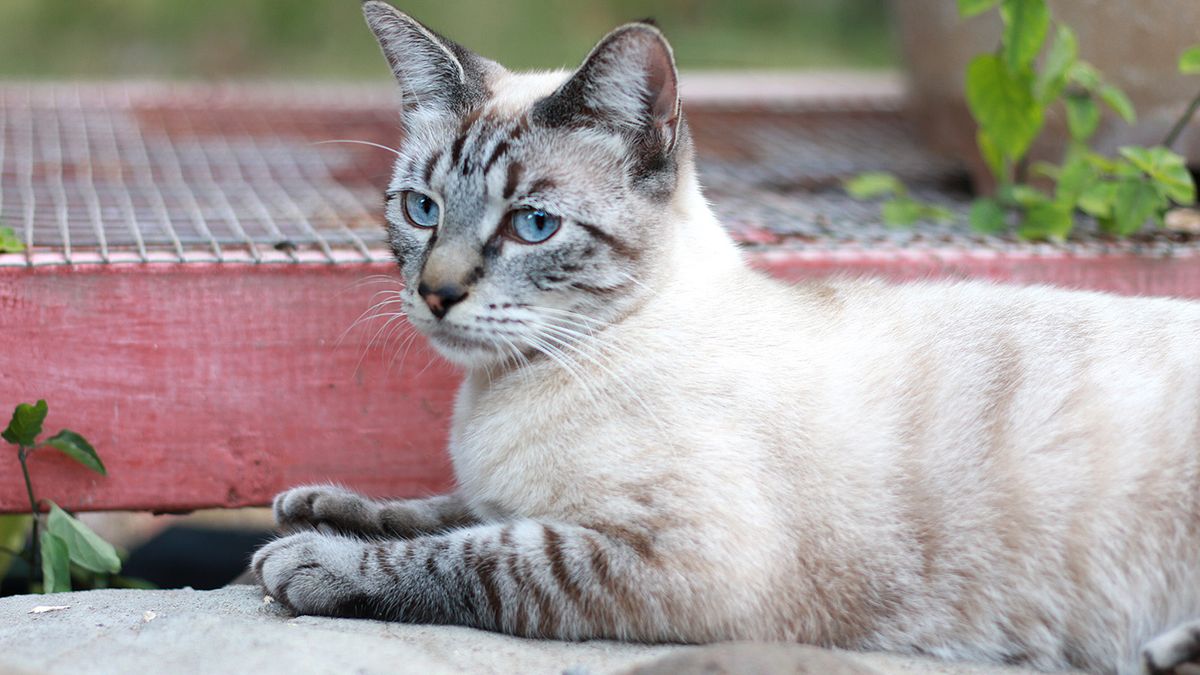
Mixed breed cats can vary in size, color, and personality. Their looks are often unpredictable but charming. Expect a mix of traits from different breeds. Health tends to be better due to diverse genes. Behavior may combine features like playfulness and calmness. Every mixed breed cat is unique. They can be very friendly or a bit shy. Learning their habits takes time and patience.
Adoption Tips
- Visit local shelters or rescue groups.
- Ask about the cat’s history and health.
- Spend time with the cat before deciding.
- Look for signs of a healthy coat and clear eyes.
- Choose a cat that matches your lifestyle.
- Consider adopting a pair for company.
- Prepare your home before bringing the cat.
Caring For Mixed Breeds
Provide a balanced diet to keep your cat healthy. Regular vet checkups catch problems early. Groom your cat according to its coat type. Offer toys and playtime to keep them active. Create a safe space for rest and comfort. Train with patience to build trust. Monitor behavior for any changes or signs of illness.
Credit: animals.howstuffworks.com
Frequently Asked Questions
Can Cats Of Different Breeds Mate Successfully?
Yes, cats of different breeds can mate and produce mixed-breed kittens. This natural breeding creates unique traits in offspring. Mixed-breed cats often have diverse appearances and personalities. Breeders sometimes cross breeds to combine desired features or improve health. Mixed breeding is common among domestic cats worldwide.
Are Mixed-breed Cats Healthier Than Purebreds?
Mixed-breed cats often have better genetic diversity, reducing inherited health issues. Purebred cats may carry specific genetic diseases due to limited gene pools. However, health depends on overall care, diet, and environment. Mixed breeds can be robust but still require regular veterinary check-ups for optimal health.
How Does Crossbreeding Affect Cat Behavior?
Crossbreeding can result in varied behavioral traits, combining characteristics of both breeds. Mixed-breed cats may display a blend of temperaments, making each unique. Behavior depends on genetics, socialization, and environment. Understanding parent breeds helps predict traits but individual personalities vary widely.
Can Mixed-breed Cats Win In Cat Shows?
Some cat shows accept mixed-breed categories, but most focus on purebreds. Mixed breeds can compete in “household pet” classes. Their unique looks and charm often attract attention. Winning depends on grooming, behavior, and health rather than breed alone. Mixed-breed cats can excel with proper preparation.
Conclusion
Cats from different breeds can mix and have healthy kittens. Mixed breed cats often have unique looks and fun personalities. Breeding should be done carefully to keep cats safe and happy. Every cat is special, no matter its breed. Mixed breeds can make wonderful pets for any family.
Understanding how breeds mix helps you care for your cat better. Love and attention matter more than breed type. So, enjoy your cat’s company, whatever breed it is.



Leave a Reply