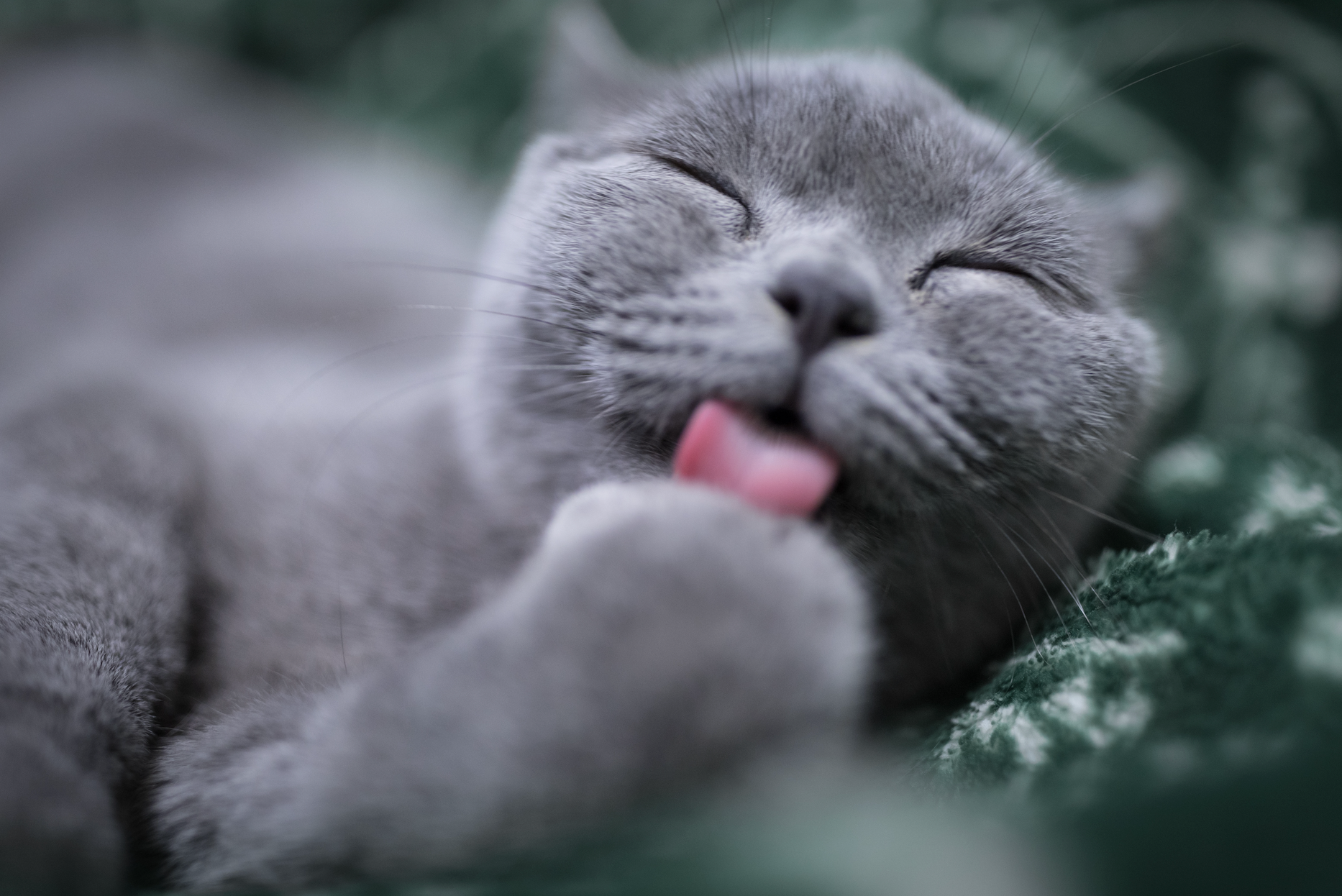
Have you noticed your cat spending more time licking or biting its fur than usual? Excessive grooming in cats can be more than just a quirky habit—it might be a sign that something is wrong.
You want your furry friend to be happy and healthy, but when grooming turns into over-grooming, it could mean stress, skin problems, or other health issues. Understanding what causes this behavior can help you take the right steps to keep your cat comfortable and safe.
Keep reading to discover what excessive grooming really means and how you can help your cat feel better.
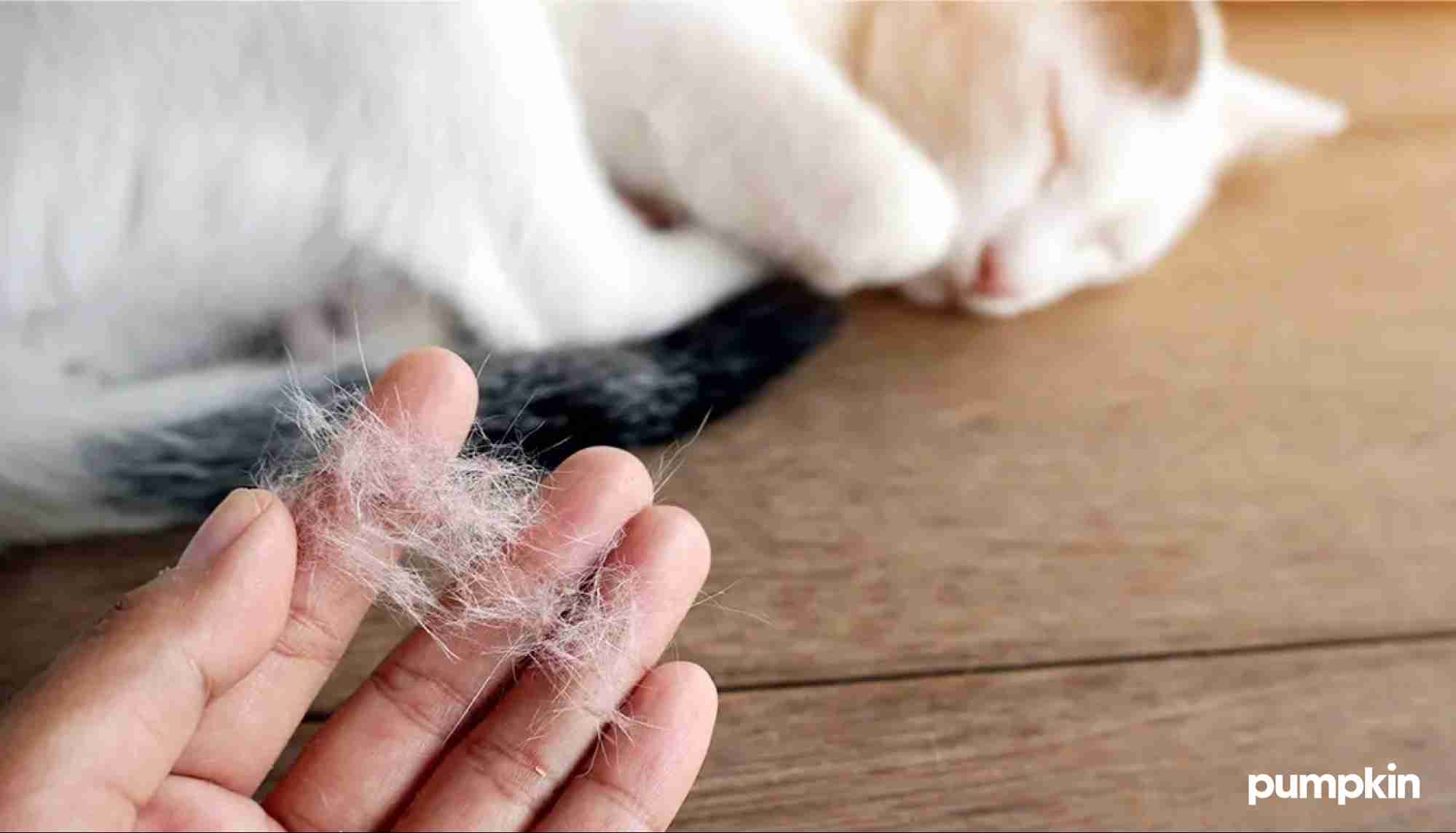
Credit: www.pumpkin.care
Causes Of Excessive Grooming
Excessive grooming in cats can signal different problems. It is important to understand the causes to help your cat effectively. Cats groom to clean themselves, but too much can cause harm. Identifying the root cause helps prevent skin damage and stress.
Allergies And Skin Irritations
Allergies often cause itching and discomfort. Cats may lick or bite to relieve the irritation. Common allergens include certain foods, pollen, and dust. Skin irritations from dry skin or contact with chemicals also trigger grooming. This can lead to redness and hair loss.
Parasites And Infections
Parasites like fleas and mites cause intense itching. Cats groom to remove these pests. Bacterial or fungal infections also cause skin problems. Grooming helps soothe the pain but can worsen the condition. Regular parasite control is essential to prevent this.
Stress And Anxiety
Stress causes cats to groom more than usual. It works as a coping mechanism to calm nerves. Changes in environment, loud noises, or new pets can cause anxiety. Constant grooming leads to bald patches and skin sores. Reducing stress can improve your cat’s behavior.
Pain Or Discomfort
Injury or pain may lead cats to focus on one area. Grooming that spot more often helps ease discomfort. Arthritis, wounds, or internal issues can cause this behavior. Watching your cat’s grooming patterns can reveal hidden pain. Veterinary care is important for diagnosis.
Behavioral Issues
Some cats develop compulsive grooming habits. This is a repetitive behavior without a clear cause. It may stem from boredom or lack of stimulation. Behavioral grooming damages the skin and fur over time. Enriching your cat’s environment can reduce this problem.
Recognizing Excessive Grooming
Recognizing excessive grooming in cats is essential to ensure their health and happiness. Cats groom themselves daily, but too much grooming can signal stress or health issues. Understanding the signs helps pet owners act early and provide support.
Common Signs To Watch For
- Repeated licking or biting of the same spot
- Bald patches or thinning fur
- Visible redness or swelling on the skin
- Restlessness or inability to settle
- Excessive grooming lasting longer than usual
Changes In Grooming Habits
A sudden increase in grooming time may indicate problems. Cats may groom more intensely or focus on one area. Grooming might interrupt their normal activities. Some cats groom to relieve anxiety or irritation. Notice if grooming replaces play or sleep.
Physical Symptoms On Skin And Fur
Excessive grooming can cause skin damage. Look for scabs, sores, or crusty spots. Fur may become patchy or rough. The skin underneath might appear red or inflamed. These signs often point to allergies, parasites, or infections.
Health Risks Of Over-grooming
Excessive grooming in cats may signal stress, allergies, or skin problems. This behavior can cause hair loss and skin wounds, risking infections. Watching for changes helps protect your cat’s health.
Cats groom themselves to stay clean and healthy. But excessive grooming can lead to health problems. This behavior might indicate underlying issues that need attention. Over-grooming poses several health risks for your feline friend.Hair Loss And Bald Patches
Excessive grooming can cause hair loss. Cats pull out fur, leading to bald patches. These patches can be unsightly and uncomfortable for the cat. Hair loss is often a sign of stress or allergies. It may also indicate parasites or skin conditions. Observing these signs early can help in treating the underlying cause.Skin Inflammation And Sores
Over-grooming can irritate the skin. Cats may develop sores from constant licking and biting. Inflamed skin is painful and may lead to further complications. Redness and swelling are common symptoms. These sores can also become infected if left untreated. Regular vet check-ups can prevent this from escalating.Secondary Infections
Constant grooming can introduce bacteria to the skin. This can lead to secondary infections. Open sores are vulnerable to infections from bacteria or fungi. These infections can cause severe discomfort and health issues. Signs include pus, bad odor, or increased redness. Early treatment is crucial to avoid further health problems.
Credit: www.preventivevet.com
Diagnosing The Problem
Excessive grooming in cats can signal various health or behavioral issues. Diagnosing the problem requires careful observation and professional evaluation. A clear diagnosis helps target the right treatment quickly. Several approaches can identify the root cause of over-grooming.
Veterinary Examination
A thorough veterinary exam is the first step. The vet checks the cat’s skin, fur, and body for injuries or parasites. They look for redness, swelling, or bald spots caused by over-grooming. Physical exams help rule out infections or skin diseases. Blood tests may be done to assess overall health. This exam provides important clues to understand the problem.
Allergy Testing
Allergies can cause itching and discomfort that lead to over-grooming. Testing helps find specific allergens triggering the reaction. Common allergens include certain foods, pollen, or dust mites. The vet may suggest a special diet or environmental changes based on results. Allergy tests often involve blood samples or skin patches. Identifying allergies reduces the cat’s irritation and excessive licking.
Behavioral Assessment
Sometimes, over-grooming stems from stress or anxiety. A behavioral assessment explores the cat’s environment and habits. Experts observe signs like pacing, hiding, or repetitive licking. Stressors could be changes in routine, new pets, or lack of stimulation. Behaviorists recommend ways to improve the cat’s mental well-being. This may include playtime, safe spaces, or calming products. Understanding behavior helps prevent grooming from becoming a habit.
Effective Treatment Options
Excessive grooming in cats can signal health or emotional issues. Finding the right treatment helps your cat feel better. Different approaches work depending on the cause of the behavior. Here are some effective treatment options to consider.
Medical Interventions
Veterinarians may prescribe medication to ease discomfort or anxiety. Treatment can include anti-inflammatory drugs or allergy management. Some cats benefit from medications that reduce stress or obsessive behaviors. Regular check-ups help monitor progress and adjust treatments.
Behavioral Therapy
Training helps redirect your cat’s grooming habits. Techniques include positive reinforcement for calm behavior. Avoid punishment; it can increase stress and worsen grooming. Patience and consistency improve long-term results. Professional animal behaviorists can guide this process.
Environmental Enrichment
Adding toys and climbing spaces keeps cats busy and less anxious. Interactive play sessions reduce boredom and stress. Provide hiding spots and quiet areas for relaxation. Changes in the environment should be gradual to avoid stress. Enrichment improves overall mental and physical health.
Dietary Adjustments
Food allergies or poor nutrition can trigger over-grooming. Switching to hypoallergenic or high-quality diets may help. Supplements like omega-3 fatty acids support skin health. Consult your vet before changing your cat’s diet. Balanced nutrition promotes a healthy coat and skin.
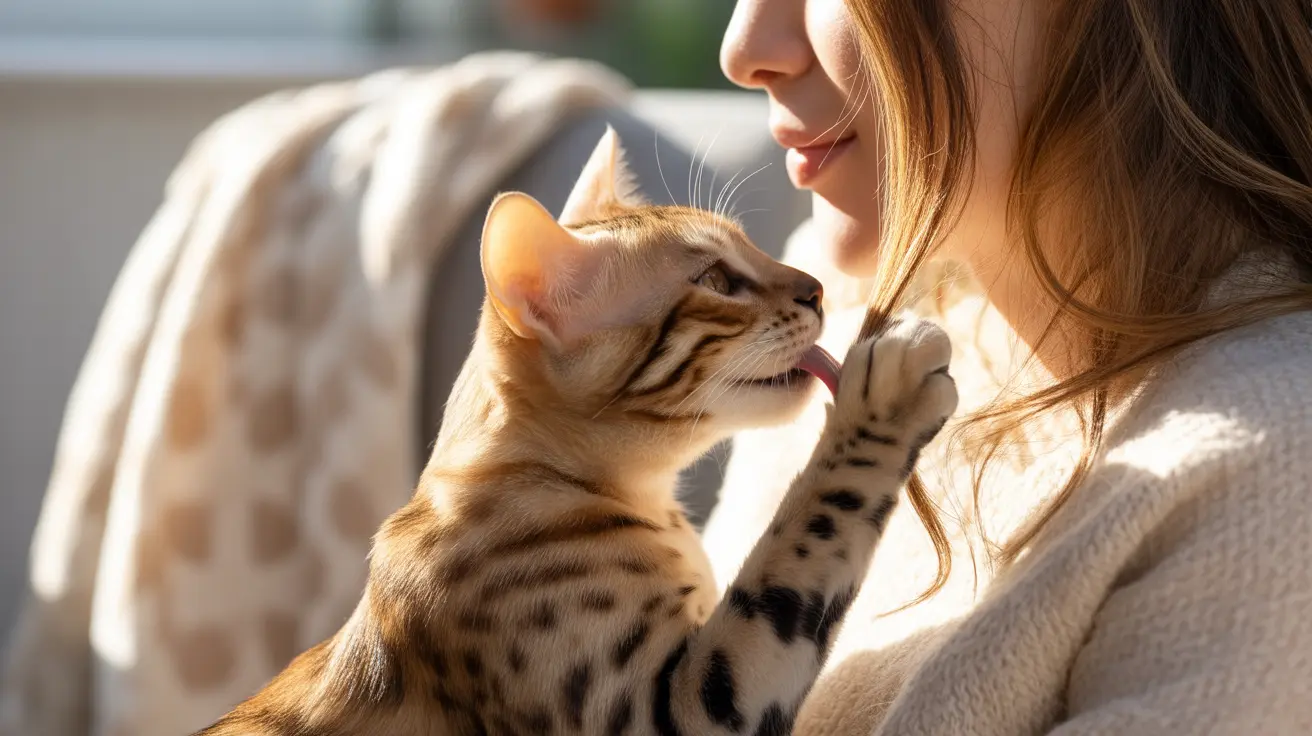
Credit: www.petscare.com
Preventing Excessive Grooming
Excessive grooming in cats can signal discomfort or stress, but you can take clear steps to help your feline friend feel better and reduce this behavior. Prevention focuses on keeping your cat healthy, happy, and secure. Understanding what triggers over-grooming allows you to create a supportive environment that encourages natural, healthy grooming habits.
Regular Vet Checkups
Regular visits to the vet are essential for spotting health issues early. Skin conditions, allergies, or pain can cause your cat to groom excessively. A vet can identify these problems through physical exams and recommend treatments that stop the behavior before it worsens.
Don’t wait for visible signs. Cats often hide discomfort well. Scheduling annual checkups keeps your cat’s health in check and gives you peace of mind.
Stress Reduction Techniques
Stress is a common cause of over-grooming. Cats can get anxious from changes like moving homes or new pets. You can help by keeping a consistent routine and providing safe spaces where your cat feels secure.
Try calming aids like pheromone diffusers or gentle music. Have you noticed your cat grooming more after loud noises or visitors? Reducing these stressors can make a big difference.
Parasite Control
Parasites like fleas and mites irritate your cat’s skin and trigger constant grooming. Regular parasite prevention is a must, especially if your cat goes outside. Using vet-recommended flea treatments keeps these pests away and your cat comfortable.
Check your cat’s fur regularly for signs of parasites. Even indoor cats can get fleas, so don’t overlook this simple step.
Creating A Comfortable Environment
Your cat’s environment plays a big role in its behavior. Make sure your cat has cozy resting spots, clean litter boxes, and plenty of toys to stay engaged. A bored or uncomfortable cat may groom excessively as a way to cope.
Observe your cat’s favorite spots and routines. Adding scratching posts or interactive feeders can redirect their attention and reduce stress-related grooming.
Frequently Asked Questions
What Causes Excessive Grooming In Cats?
Excessive grooming in cats is often caused by stress, allergies, parasites, or skin infections. It can also indicate pain or behavioral issues. Identifying the root cause is essential for proper treatment and to prevent further health problems.
How Can Excessive Grooming Harm My Cat?
Excessive grooming can lead to hair loss, skin irritation, and sores. It may cause infections if the cat scratches or bites too much. Monitoring grooming habits helps catch issues early and keeps your cat healthy and comfortable.
When Should I See A Vet For Grooming Issues?
Visit a vet if your cat grooms excessively for more than a few days. Also, seek help if you notice bald patches, redness, or behavioral changes. Early intervention ensures proper diagnosis and effective treatment for your cat’s wellbeing.
Can Stress Cause Cats To Groom Too Much?
Yes, stress is a common cause of excessive grooming in cats. Changes in environment, new pets, or loud noises can trigger stress. Reducing stressors and providing a calm environment helps manage this behavior.
Conclusion
Excessive grooming in cats can signal many issues. It might mean stress, allergies, or pain. Watch your cat’s habits closely every day. Early action can help prevent bigger problems. Consult a vet if grooming seems unusual. Your cat’s health and comfort matter most.
Understanding this behavior helps you care better. Keep your pet happy and calm at home. Small changes can make a big difference. Stay patient and attentive to your cat’s needs.

Leave a Reply