Are you curious about how long it takes for certain cat breeds to experience their first heat? Understanding this can help you prepare better for your cat’s needs and health.
Some cat breeds don’t go into heat until they are about a year old, and knowing which ones can make a big difference for you as a cat owner. You’ll discover the breeds that wait the longest for their first heat and why this matters to you.
Keep reading to learn what you need to watch for and how to care for your furry friend during this important time.
Cat Heat Cycle Basics
Understanding the basics of the cat heat cycle is essential, especially if you own or care for a female cat. Knowing when your cat will experience her first heat can help you prepare for the changes in behavior and health that come with it. Not all cats follow the same timeline, and some breeds may take longer to reach this milestone.
What Is First Heat
First heat, also called the first estrus, is the initial phase when a female cat becomes sexually mature and can reproduce. During this time, your cat may show signs like increased vocalization, restlessness, and rubbing against objects. These behaviors signal she is ready to mate, even though she is still very young.
Many cat owners notice these changes suddenly, which can be surprising if you’re not prepared. Have you ever wondered why cats act so differently during this time? It’s all driven by hormones that kick in to start the reproductive cycle.
Typical Age Range
Most cats experience their first heat between 5 and 9 months old. However, some breeds, especially larger or slower-maturing ones like the Maine Coon, may not go into heat until they are about a year old. This delay can be confusing if you expect early signs but see nothing for months.
Understanding your cat’s breed can give you a better idea of when to expect her first heat. Would you be surprised to learn that some cats might even skip their first heat entirely or have irregular cycles early on? Keeping a close eye on your cat’s behavior helps you stay ahead of these changes.
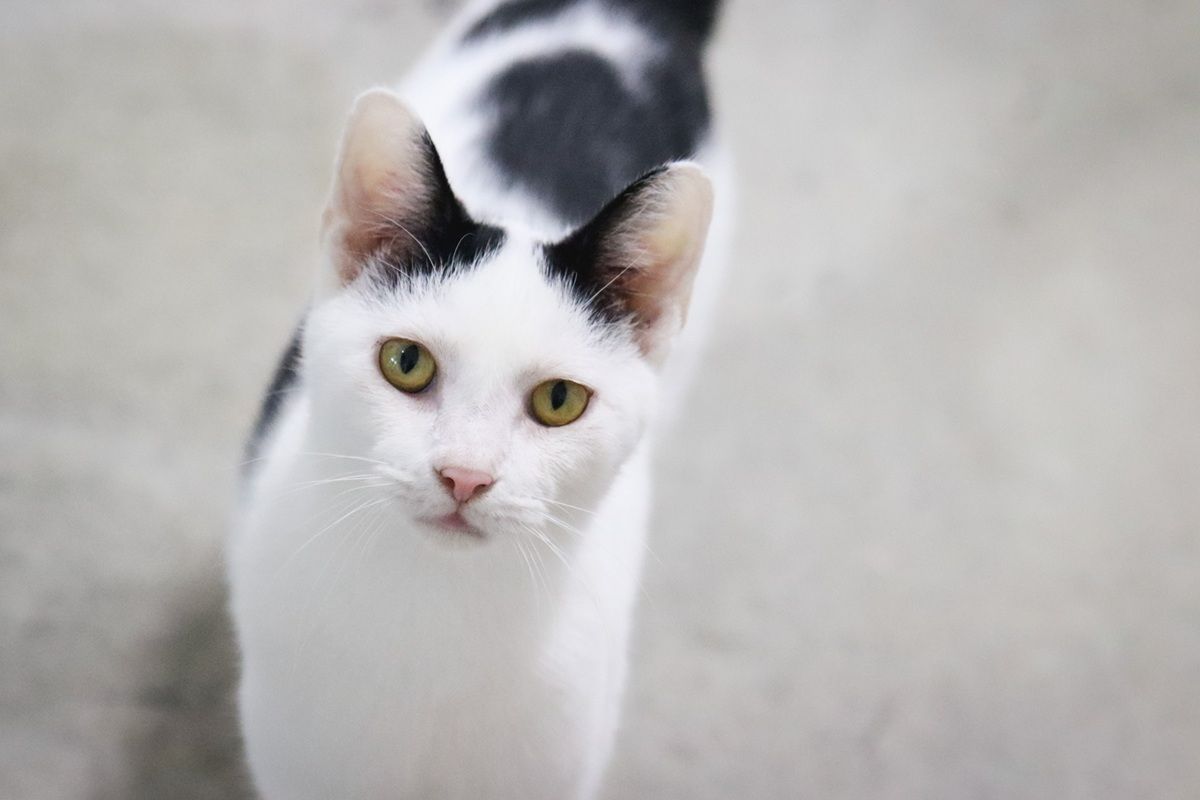
Credit: cats.com
Breeds With Delayed First Heat
Some cat breeds take longer to reach their first heat cycle than others. This delay can last close to or even beyond one year. It often depends on genetics and breed characteristics. Owners of these breeds should expect a patient wait before the cat reaches sexual maturity. Understanding which breeds have delayed first heat helps in planning care and breeding decisions.
Maine Coon
Maine Coons are one of the largest domestic cat breeds. Their growth period is slow and steady. They usually reach their first heat around 10 to 15 months. Many Maine Coons may not experience heat until they are closer to one year old. This slow maturity is linked to their large size and unique genetics.
Norwegian Forest Cat
Norwegian Forest Cats mature slowly compared to other breeds. Their first heat often occurs between 10 and 16 months. Some may wait a full year before showing signs of heat. This breed’s adaptation to cold climates contributes to its delayed maturity. Owners should expect a longer wait for reproductive readiness.
Ragdoll
Ragdolls are known for their calm and gentle nature. They also have a slower development rate. Their first heat typically happens between 12 and 18 months. It is common for Ragdolls to wait a full year before entering heat. Patience is important when caring for this affectionate breed.
Reasons For Late Heat Onset
Understanding why some cat breeds experience late heat onset can be intriguing. Several factors contribute to this phenomenon. Genetics, environmental influences, and nutrition play key roles. Each factor affects the timing of a cat’s first heat. Let’s explore these reasons in more detail.
Genetics
Genetics is a primary reason for late heat in cats. Certain breeds are naturally predisposed to later heat cycles. Breeds like the Persian and Maine Coon are known for this trait. These cats may take longer to mature sexually. Genetic makeup influences hormone levels and reproductive development. Not all cats of these breeds will experience late heat. Yet, it is a common occurrence among them.
Environmental Factors
The environment significantly impacts a cat’s reproductive cycle. Factors like daylight exposure affect hormonal balance. Cats exposed to longer daylight hours may enter heat sooner. Conversely, those with less daylight exposure may experience delays. Stressful environments can also delay heat onset. Noise, overcrowding, and changes in routine can cause stress. Cats need a calm and stable environment for normal reproductive cycles.
Nutrition
Nutrition plays a vital role in a cat’s development. A balanced diet supports healthy growth and reproductive health. Cats lacking essential nutrients may experience delayed heat cycles. Adequate protein, vitamins, and minerals are crucial. Overfeeding can also lead to delays due to obesity. Maintaining a proper diet helps ensure timely sexual maturity. Providing a well-rounded diet is essential for a cat’s overall health.
Impact On Breeding And Care
The timing of a cat’s first heat can significantly affect how you approach breeding and daily care. Breeds that wait a year or more for this milestone require patience and a tailored plan. Understanding these impacts helps you support your cat’s health and behavior effectively.
Breeding Timelines
Breeds such as the Maine Coon or Norwegian Forest Cat often experience their first heat around 12 months or later. This delayed maturity means breeding plans must be adjusted accordingly to avoid stress on young cats.
Waiting longer before breeding allows your cat’s body to develop fully, which can lead to healthier pregnancies and kittens. However, this also means you need to be vigilant in managing your cat’s environment to prevent accidental matings.
Health Considerations
Delaying a cat’s first heat can reduce the risk of certain reproductive health issues, like uterine infections or early pregnancy complications. It also gives you more time to monitor your cat’s overall health and address any concerns before breeding.
Vaccinations and parasite control become even more crucial during this waiting period to keep your cat in optimal condition. Have you checked if your cat’s breed is prone to specific health problems that require extra attention?
Behavioral Changes
As your cat approaches her first heat, you may notice changes like increased vocalization, restlessness, or affectionate behavior. These signs can last longer in breeds that mature later, requiring your patience and understanding.
Providing extra playtime and mental stimulation can help ease these behavioral shifts. How do you prepare your home environment to support your cat through these changes?
Monitoring Your Cat’s Heat Cycle
Monitoring your cat’s heat cycle is crucial, especially for breeds that may wait up to a year before their first heat. Understanding the signs and knowing when to seek veterinary advice helps you support your cat’s health and comfort. Staying attentive ensures you catch any irregularities early and provide the best care possible.
Signs To Watch For
Heat cycles in cats often come with noticeable behaviors. Your cat might become more vocal, rubbing against furniture or people more than usual. You may also see her assume a mating position, raising her hindquarters and moving her tail to the side.
Other signs include increased affection, restlessness, or even a decrease in appetite. If your cat belongs to a breed known for delayed heat, like the Maine Coon, these signs might appear more subtly or later than expected. Keeping a daily log of any changes in behavior or physical signs can help you spot the heat cycle accurately.
When To Consult A Vet
If your cat shows no heat signs after a year, or if her cycles seem irregular, it’s a good idea to consult your vet. They can check for underlying health issues or hormonal imbalances that might be delaying her cycle. Early intervention can prevent complications and ensure your cat stays healthy.
Also, if your cat experiences extreme discomfort, excessive vocalization, or unusual discharge during heat, professional advice is essential. Don’t hesitate to ask your vet about the best timing for spaying or managing your cat’s heat cycles, especially if you’re unsure about the breed’s typical timeline.
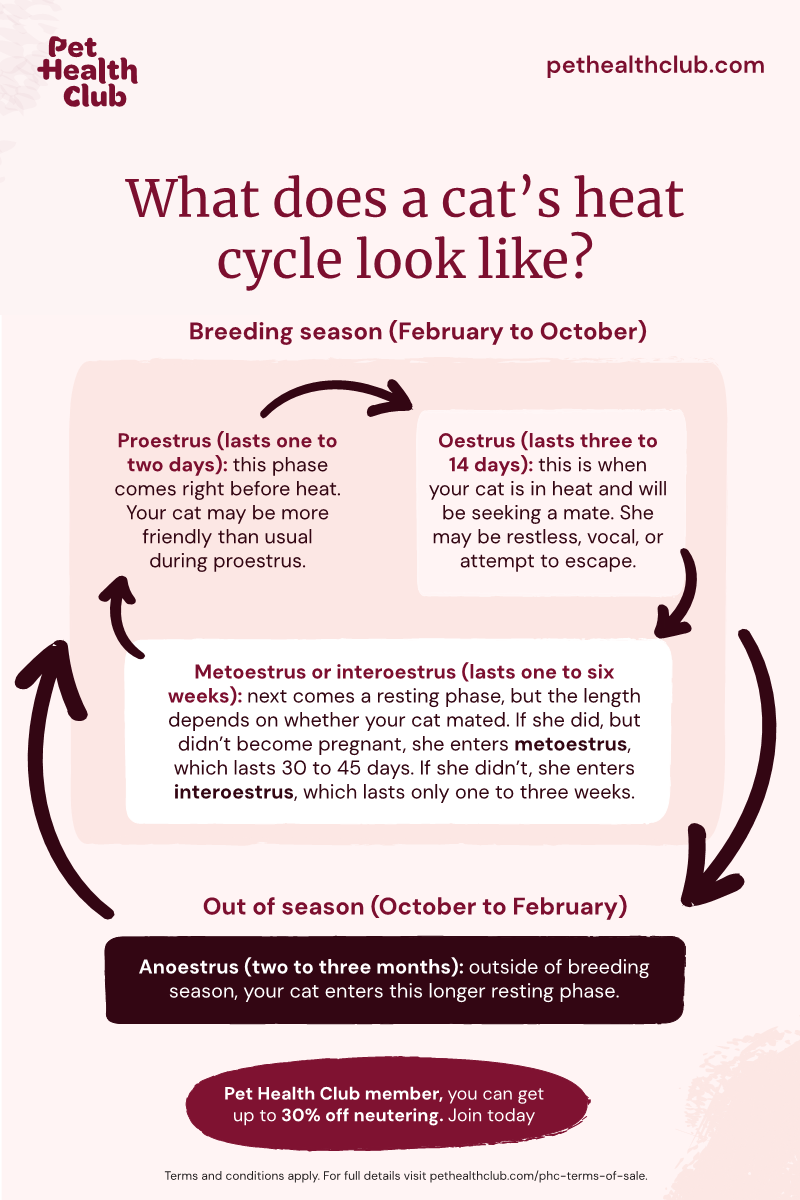
Credit: www.pethealthclub.com

Credit: www.latimes.com
Frequently Asked Questions
Which Cat Breeds Wait A Year For Their First Heat?
Some large or slow-maturing breeds like Maine Coons and Norwegian Forest Cats often wait about a year for their first heat. This delay is due to their slower physical and sexual development compared to other breeds.
Why Do Some Cats Delay Their First Heat?
Delayed heat in certain breeds occurs because of genetics and growth rates. Larger, slow-growing cats need more time to reach reproductive maturity, causing their first heat to happen later than average.
How Does Waiting For First Heat Affect Cat Health?
Waiting longer for the first heat can benefit cat health by allowing full physical maturity. This reduces risks associated with early breeding and supports stronger, healthier reproductive cycles later on.
Can Environment Influence A Cat’s First Heat Timing?
Yes, environment plays a role. Factors like nutrition, stress, and light exposure can affect when a cat experiences her first heat, sometimes causing delays beyond breed tendencies.
Conclusion
Certain cat breeds take longer to have their first heat cycle. This delay can last close to a year. Knowing this helps owners care better for their pets. Patience is key during this waiting time. Each cat grows and develops at its own pace.
Understanding breed differences makes pet care easier. Watch your cat closely for signs of heat. Be ready to support her when the time comes. Every cat is unique, and timing varies widely. Trust the process and enjoy your cat’s growth journey.

Leave a Reply