Have you ever noticed your cat suddenly acting weak or losing energy fast? It can be scary to see your furry friend’s health drop without warning.
Understanding what causes a rapid decline in your cat’s health is key to helping them recover quickly. You’ll discover the common signs to watch for and the main reasons behind sudden health problems in cats. Knowing this can make all the difference in keeping your pet safe and happy.
Keep reading to learn how you can protect your cat before it’s too late.
Common Health Issues In Cats
Understanding the common health issues in cats is key to spotting problems early and keeping your furry friend healthy. Cats often hide their discomfort, so knowing what to watch for can make a big difference. Here are some of the main health challenges that can cause a rapid decline in your cat’s well-being.
Infectious Diseases
Infectious diseases like feline leukemia virus (FeLV) and feline immunodeficiency virus (FIV) can seriously weaken your cat’s immune system. These illnesses often don’t show obvious signs until they are advanced, making regular vet check-ups essential.
Parasites such as fleas, ticks, and worms also affect cats and can lead to anemia or other complications. Have you noticed your cat scratching more than usual or losing weight without explanation? These could be warning signs to act on quickly.
Chronic Conditions
Chronic diseases such as kidney failure, diabetes, and hyperthyroidism are common in older cats. These conditions develop slowly but can cause a rapid health decline if left untreated.
For example, kidney disease can make your cat lethargic and cause increased thirst and urination. Catching these symptoms early can give your cat a better chance at managing the disease effectively.
Nutritional Deficiencies
Poor diet or imbalanced nutrition often leads to deficiencies that affect your cat’s energy and immune system. Cats need specific nutrients like taurine and vitamin A, which are vital for their heart, eyes, and overall health.
If your cat suddenly seems weak or loses weight, consider whether their diet meets all nutritional needs. Are you providing food formulated for your cat’s age and health status? Adjusting their diet can sometimes reverse these declines before they become serious.
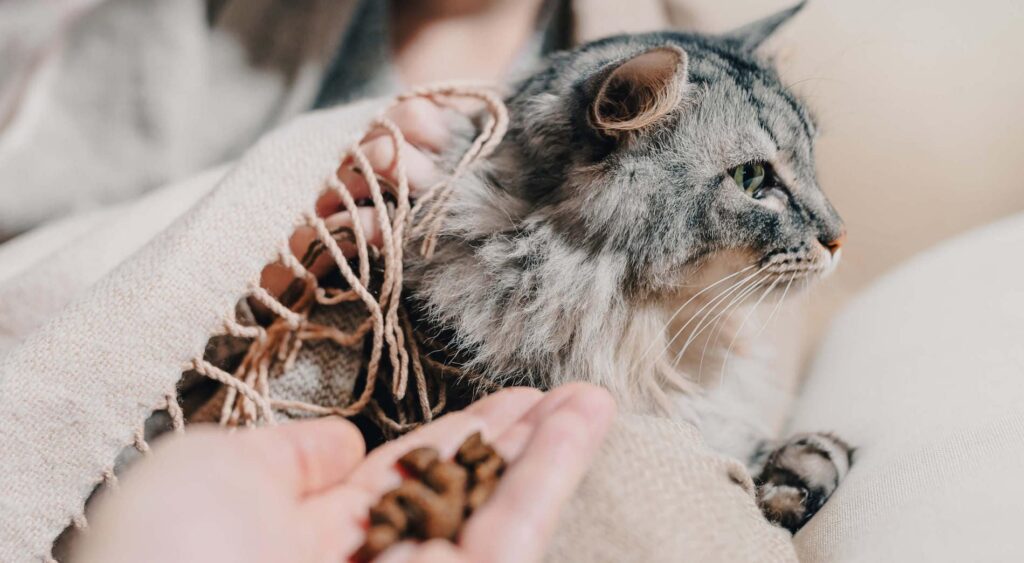
Credit: rawznaturalpetfood.com
Impact Of Poor Diet
Poor diet plays a major role in the rapid decline of cat health. What you feed your cat directly impacts their energy, immune system, and overall well-being. Ignoring the quality of food can lead to serious health problems that develop faster than you might expect.
Effects Of Low-quality Food
Low-quality cat food often contains fillers, artificial additives, and low nutrient content. These ingredients offer little to no real benefit and can cause digestive issues or allergies. Have you noticed your cat’s coat becoming dull or their energy dropping after switching foods?
Feeding your cat poor-quality food regularly can weaken their immune system. This leaves them more vulnerable to infections and illnesses. Choosing food with high-quality proteins and natural ingredients can make a big difference in how your cat feels every day.
Risks Of Obesity
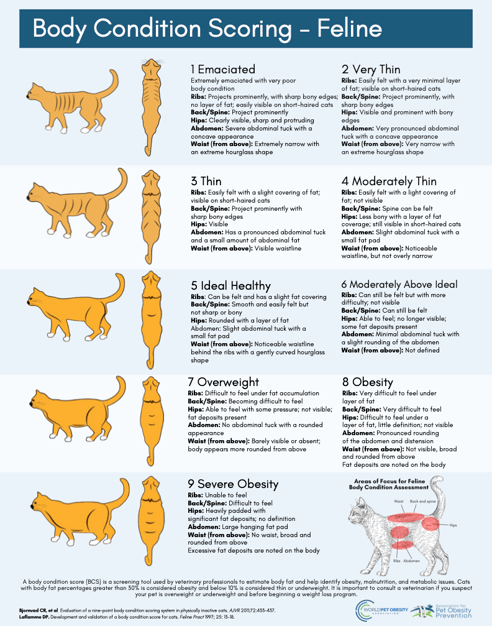
Obesity is a common problem caused by overfeeding or feeding calorie-dense, low-nutrition food. Excess weight puts strain on your cat’s heart, joints, and organs. It can also lead to diabetes and other chronic diseases.
Watch your cat’s weight closely and adjust their diet if needed. Are you aware of how many calories your cat really needs? Sometimes, simply switching to a balanced diet and controlling portions can prevent obesity before it starts.
Nutrient Imbalances
Nutrient imbalances occur when a cat’s diet lacks essential vitamins, minerals, or fatty acids. This can cause symptoms like lethargy, poor coat health, and weakened bones. Have you ever considered whether your cat’s food covers all their nutritional needs?
For example, too much calcium can harm kidney function, while too little taurine can affect heart health. Checking labels and discussing diet options with your vet ensures your cat gets the right balance to stay healthy and active.
Environmental Stress Factors
Environmental stress factors play a major role in the rapid decline of your cat’s health. These stressors can disrupt their natural behavior, weaken their immune system, and trigger illness. Understanding these factors helps you create a safer, calmer environment for your feline friend.
Changes In Living Conditions
Cats thrive on routine, so sudden changes like moving to a new home or introducing new pets can shake their sense of security. Even rearranging furniture or changing their feeding spot may cause anxiety. Have you noticed your cat hiding more or losing appetite after such changes? These are signs that stress is affecting their well-being.
To ease this, try to keep their environment as consistent as possible. Gradually introduce changes and provide familiar items like blankets or toys. Patience and observation can help you identify which changes cause the most stress.
Exposure To Toxins
Your cat’s health can decline quickly if they come into contact with harmful substances. Household cleaners, pesticides, certain plants, and even some human foods can be toxic. Have you checked if your home contains any of these hazards within your cat’s reach?
Keep dangerous items locked away and choose pet-safe products. Regularly inspect your cat’s play and rest areas for potential poisons. A quick safety check can prevent serious health issues.
Lack Of Mental Stimulation
Boredom and lack of mental challenges can stress your cat more than you might expect. Cats need activities that engage their hunting instincts and curiosity. Without this, they may develop destructive behaviors or become withdrawn.
Provide toys, puzzle feeders, and interactive playtime to keep their mind active. Have you ever seen how a simple feather toy can transform a lazy afternoon into an exciting adventure for your cat? Regular mental stimulation helps maintain both their happiness and health.

Credit: weareallaboutcats.com
Neglect And Lack Of Veterinary Care
Ignoring a cat’s health needs can cause serious problems fast. Without regular vet visits, illnesses may go unnoticed and worsen quickly. Proper care helps catch issues early and keeps cats healthier longer.
Neglecting your cat’s health and skipping regular veterinary care can lead to a swift decline in their well-being. Cats, much like humans, require consistent check-ups to catch potential health issues early. Unfortunately, many cat owners underestimate the importance of routine vet visits, leading to preventable problems.Missed Vaccinations
Vaccinations play a crucial role in preventing diseases that can severely affect your cat’s health. Missing these vaccinations can leave your cat vulnerable to illnesses like feline leukemia and rabies. By ensuring your cat receives their shots on schedule, you protect them from these serious threats.Delayed Diagnosis
Regular vet visits can catch health issues before they become severe. Delaying diagnosis can lead to conditions worsening, making treatment more difficult and costly. An early diagnosis can mean the difference between a simple treatment and a life-threatening situation.Ignoring Early Symptoms
Have you noticed a change in your cat’s eating habits or energy levels? Ignoring these early signs can result in serious health issues being overlooked. Trust your instincts and consult a vet if something seems off; your quick action can save your cat from unnecessary suffering. Regular vet care is not just about emergencies. It’s about prevention and maintaining a healthy life for your furry friend. Are you ensuring your cat gets the care they need?Genetic And Age-related Factors
Genetic and age-related factors play a significant role in the rapid decline of a cat’s health. These elements often work quietly in the background until symptoms suddenly appear, leaving many cat owners confused and concerned. Understanding these causes can help you recognize early warning signs and take action before problems escalate.
Inherited Disorders
Cats can inherit health problems passed down from their parents. Conditions like hypertrophic cardiomyopathy (a heart disease) or polycystic kidney disease are common inherited disorders that may not show symptoms until later stages.
Knowing your cat’s family history can be a lifesaver. If your cat is from a breed prone to certain diseases, regular check-ups and screenings become essential to catch issues early.
Aging And Immune System Decline
As cats age, their immune systems weaken, making them more vulnerable to infections and illnesses. A simple cold or minor injury can turn serious because their bodies can’t fight off problems as effectively.
Have you noticed your older cat getting sick more often? This decline doesn’t happen overnight but gradually, so staying vigilant and adjusting care routines can help prolong their quality of life.
Breed-specific Vulnerabilities
Some cat breeds are more prone to certain health issues due to their genetics. For example, Siamese cats often face respiratory problems, while Persians may suffer from breathing difficulties because of their flat faces.
If you know your cat’s breed, you can tailor their health care to address these risks. This might mean specialized diets, more frequent vet visits, or environmental adjustments to keep your cat comfortable and healthy.

Credit: www.wonderfur.com.au
Behavioral Changes Signaling Health Decline
Behavioral changes often provide the earliest clues that your cat’s health might be declining rapidly. These subtle shifts can be easy to miss, especially if you’re busy or your cat is naturally quiet. Paying close attention to how your cat acts day-to-day can help you catch problems before they become severe.
Reduced Activity Levels
Have you noticed your cat lounging more than usual or avoiding playtime? A sudden drop in energy can signal pain, discomfort, or underlying illness. Cats are naturally curious and active, so less movement can be a red flag.
Try to observe if your cat avoids jumping on furniture or hides in unusual places. These behaviors might indicate joint pain or other health issues that need immediate attention.
Changes In Appetite
Is your cat suddenly less interested in food or eating more than usual? Any change in appetite can point to health problems like dental issues, kidney disease, or digestive troubles. Even a day or two of reduced eating can affect your cat’s well-being significantly.
Keep track of how much and how often your cat eats. If you notice drastic changes, consulting your vet promptly can prevent serious complications.
Altered Grooming Habits
Grooming is a key part of a cat’s routine. If your cat stops grooming or over-grooms certain areas, it might be in pain or stressed. Poor grooming can lead to matted fur and skin infections, while excessive grooming might signal allergies or anxiety.
Watch for fur that looks dull, greasy, or patchy. Helping your cat maintain its grooming can improve comfort and highlight health issues early.
Preventative Measures For Cat Health
Keeping your cat healthy requires more than just love and attention. Preventative measures play a crucial role in stopping rapid health decline before it starts. You can protect your furry friend by focusing on simple, everyday actions that make a big difference.
Balanced Nutrition Plans
What you feed your cat affects their health every single day. A balanced diet with the right mix of proteins, fats, vitamins, and minerals supports their immune system and energy levels.
Think about your own meals—would you feel good eating only one type of food? Cats need variety, too, but within the range their bodies can handle.
- Choose high-quality commercial cat food or consult your vet for homemade diet advice.
- Ensure fresh water is always available to avoid dehydration.
- Monitor their weight to avoid obesity, which can lead to other health problems.
Regular Vet Checkups
Skipping vet visits might save money now but can cost much more later. Regular checkups catch problems early before they turn serious.
Many health issues don’t show clear symptoms until they’re advanced. Have you noticed subtle changes in your cat’s behavior or appetite? A vet can help figure out if something is wrong.
- Schedule at least one annual wellness exam.
- Keep vaccinations and parasite control up to date.
- Discuss dental care since oral health affects overall well-being.
Safe And Stimulating Environment
Your cat’s surroundings influence their physical and mental health. A stressful or dangerous environment can trigger illness or injury.
Have you provided enough toys, scratching posts, and cozy spaces for your cat? Mental stimulation reduces anxiety and keeps their mind sharp.
- Remove toxic plants and harmful chemicals from accessible areas.
- Provide vertical spaces like shelves or cat trees for climbing.
- Rotate toys regularly to keep your cat engaged and active.
Frequently Asked Questions
What Are Common Signs Of Rapid Cat Health Decline?
Common signs include lethargy, loss of appetite, vomiting, and sudden weight loss. Behavioral changes and difficulty breathing also indicate health issues. Early detection helps prevent further decline. Always consult a vet if you notice these symptoms in your cat.
How Does Poor Diet Contribute To Cat Health Decline?
Poor diet lacks essential nutrients, weakening the immune system. This leads to energy loss, digestive problems, and organ damage. Feeding balanced, high-quality food supports overall health and longevity. Proper nutrition is key to preventing rapid health deterioration.
Can Stress Cause Rapid Decline In Cat Health?
Yes, stress affects cats physically and mentally, causing decreased appetite and weakened immunity. Prolonged stress can trigger illness and behavioral issues. Creating a calm environment and providing enrichment helps reduce stress and maintain your cat’s well-being.
What Illnesses Cause Sudden Health Decline In Cats?
Common illnesses include kidney disease, diabetes, infections, and heart problems. These conditions can progress quickly without treatment. Regular veterinary check-ups and early diagnosis are essential to manage and prevent rapid health decline in cats.
Conclusion
Rapid health decline in cats often signals serious problems. Poor diet, stress, or infections can cause quick changes. Early care and regular vet visits help catch issues fast. Watch your cat’s behavior and body closely each day. Small signs matter.
Acting early can save your cat’s life. Keep your pet safe and healthy with simple steps. Don’t wait for things to get worse. Your cat depends on you.



Leave a Reply