Are you unsure about how much food your adult cat really needs each day? Feeding your cat the right amount is key to keeping them healthy, happy, and full of energy.
Too little food can leave them hungry and weak, while too much can lead to weight problems and health risks. You’ll discover simple, clear guidelines to help you find the perfect daily portion for your furry friend. Keep reading to make sure your cat gets just the right amount of nutrition every day.
Credit: www.chewy.com
Daily Food Needs
Understanding your adult cat’s daily food needs is key to keeping them healthy and happy. Cats don’t eat like humans—they need specific amounts of nutrients every day to maintain their energy and wellbeing. Knowing how much food to provide can prevent both underfeeding and obesity, which are common issues in pet care.
Calorie Requirements
Most adult cats require about 20 calories per pound of body weight each day. For example, a 10-pound cat typically needs around 200 calories daily. However, calorie needs can vary based on the food’s type and quality, so always check the packaging or consult your vet.
Feeding a cat too many calories can lead to weight gain, while too few can cause malnutrition. Have you ever noticed your cat gaining weight despite eating the same amount? It might be time to reassess their calorie intake.
Factors Affecting Intake
Several factors influence how much your cat should eat daily. These include their metabolism, health status, and environment. For instance, indoor cats often require fewer calories than outdoor cats because they are less active.
Illness or stress can also decrease appetite, while pregnancy or nursing increases energy needs. Keep an eye on changes in your cat’s eating habits and adjust their food accordingly.
Age And Activity Level
Age plays a big role in determining food portions. Younger adult cats tend to be more energetic and burn more calories. As cats age, they usually slow down and need fewer calories to prevent weight gain.
Activity level is equally important. A playful, active cat might need up to 30% more food than a sedentary one. Think about your cat’s daily routine—are they constantly exploring or mostly lounging? Tailoring their food to their lifestyle can make a big difference in their health.
Types Of Cat Food
Choosing the right type of food for your adult cat is essential for their health and happiness. Each type of cat food offers different benefits and challenges, so understanding these can help you make the best choice for your feline friend. Let’s look at the main categories of cat food and what you should consider with each.
Wet Vs Dry Food
Wet food contains a high moisture content, which helps keep your cat hydrated, especially if they don’t drink much water. It often has a stronger aroma and flavor, making it more appealing to picky eaters. However, wet food can be more expensive and spoils quickly once opened.
Dry food is convenient, easy to store, and usually less costly. It helps keep your cat’s teeth cleaner due to its crunchy texture. On the downside, dry food has less moisture, so you’ll need to ensure your cat drinks enough water throughout the day.
Homemade Meals
Preparing homemade meals lets you control exactly what your cat eats, ensuring fresh ingredients and avoiding fillers or additives. But it requires careful planning to meet all nutritional needs, as cats need specific vitamins and amino acids like taurine.
Many cat owners find homemade meals rewarding and notice their cats enjoy the variety and freshness. Have you ever tried making a simple chicken and rice meal for your cat? It’s a great way to connect and monitor what goes into their diet.
Commercial Diets
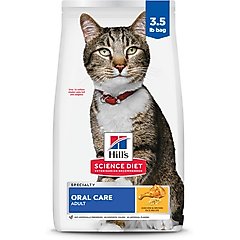
Commercial cat foods come in many formulations, including grain-free, limited ingredient, and breed-specific options. These diets are designed to meet the nutritional standards set by veterinary experts, offering balanced meals without guesswork.
Choosing a reputable brand is key. Look for clear ingredient lists and certifications from organizations like AAFCO. This ensures your cat gets all the nutrients needed to stay healthy and active every day.
Portion Sizes
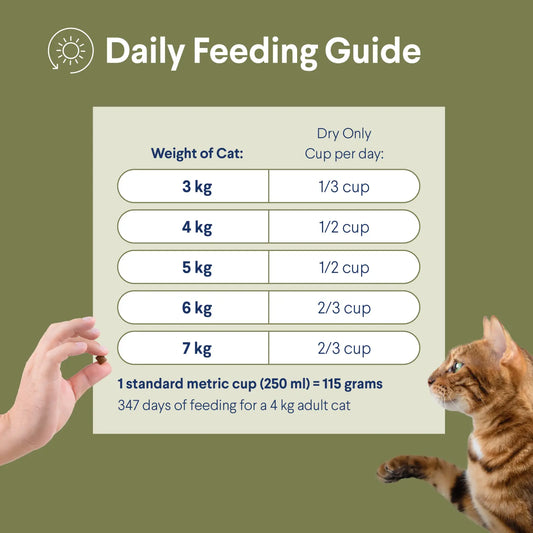
Understanding portion sizes helps ensure your adult cat receives the right amount of food daily. Typically, an adult cat needs about 200 to 250 calories each day. Adjust based on activity level and health needs.
Portion sizes for adult cats can vary based on their needs. It’s important to serve the right amount of food to maintain their health. Overfeeding can lead to obesity, while underfeeding can cause malnutrition. The ideal portion depends on factors like age, activity, and health.Measuring Food Amounts
Use a kitchen scale to weigh cat food accurately. This ensures consistency and prevents overfeeding. Dry food often comes with a cup for measurement. But, it’s more accurate to weigh the portions. Wet food usually has suggested serving sizes on the can. Adjust amounts based on your cat’s needs.Adjusting Portions Over Time
Cats’ dietary needs change with age and health. Regularly check their weight and body condition. If your cat gains weight, reduce the portion slightly. If they lose weight, increase it a bit. Regular vet visits help determine the right amount. Always ensure your cat stays healthy and active.Using Feeding Guidelines
Manufacturers often provide feeding guidelines on packaging. These are general recommendations. They offer a starting point for portion sizes. Always consider your cat’s unique needs. Some cats may need more or less than suggested. Monitor your cat and adjust portions as needed.Feeding Frequency
Knowing how often to feed your adult cat is just as important as how much food you give. Feeding frequency affects your cat’s digestion, energy levels, and overall health. Finding the right balance can be tricky, but understanding different feeding schedules will help you make the best choice for your furry friend.
Meal Timing
Cats thrive on consistency, so sticking to specific meal times can improve their digestion and behavior. Most adult cats do well with two meals a day—once in the morning and once in the evening. You might notice your cat becomes more relaxed and less demanding when meals are predictable.
Some cats prefer smaller, more frequent meals, especially if they have health issues like diabetes or digestive problems. If you try multiple meals, keep portions smaller to avoid overfeeding. Observe how your cat responds to different timings and adjust accordingly.
Free Feeding Vs Scheduled
Free feeding means leaving dry food out all day for your cat to eat whenever they want. It might seem convenient, but it can lead to overeating and obesity. Cats are natural grazers, but they don’t always regulate their intake well when food is always available.
Scheduled feeding gives you control over portion size and helps monitor your cat’s appetite and health. It also strengthens the bond between you and your cat during feeding times. If you choose free feeding, consider mixing in scheduled meals to keep your cat’s routine balanced.
Benefits Of Routine
Regular feeding routines reduce stress in cats, making them feel secure and cared for. When your cat knows when to expect food, they’re less likely to meow excessively or develop bad habits like begging. A feeding routine also helps you spot any changes in appetite early, which can signal health issues.
Think about your own schedule—how consistent are your meals? Cats benefit from a predictable routine just as much as we do. Setting fixed feeding times can improve your cat’s behavior and overall wellbeing in ways you might not expect.
Signs Of Overfeeding
Overfeeding an adult cat can cause many problems. It is important to watch for signs that your cat is eating too much. These signs help you adjust the food amount and keep your cat healthy. Recognizing these signs early can prevent serious health issues.
Weight Gain Indicators
Rapid weight gain is a clear sign of overfeeding. You may notice a rounder belly or a thicker waist. Your cat’s ribs become harder to feel under the fur. Use a scale to track your cat’s weight weekly. Sudden increases mean the food amount is too high.
Behavioral Changes
Overfed cats may act differently. They can become less active and sleep more. Some cats show irritability or restlessness after eating. Your cat might beg for food even after meals. These changes suggest the cat’s diet is unbalanced or excessive.
Health Risks
Too much food can lead to serious health problems. Obesity increases the risk of diabetes and joint pain. Heart and liver diseases are also common in overweight cats. Digestive issues like vomiting or diarrhea may appear. Feeding the right amount helps avoid these risks.

Credit: www.purina.com
Signs Of Underfeeding
Not feeding your adult cat enough food can cause serious health issues. Recognizing the signs of underfeeding early helps you adjust their diet before problems worsen. Pay close attention to changes in your cat’s body and behavior—they often reveal what’s going on inside.
Weight Loss Symptoms
One of the clearest signs your cat isn’t eating enough is noticeable weight loss. You might see their ribs, spine, or hip bones more clearly than usual. If your cat’s coat looks dull or their waistline seems smaller, these could be red flags.
Have you weighed your cat recently? Regularly checking their weight helps you catch losses early. Even a small drop can indicate a bigger issue.
Lethargy And Weakness
Underfed cats often lose their usual energy and enthusiasm. Your playful feline might suddenly seem tired or uninterested in activities they once loved. Weakness can also show in their movements or posture, making them less agile than before.
Watch for changes like longer naps or reluctance to jump. These signs tell you your cat’s body isn’t getting enough fuel to stay active and strong.
Nutritional Deficiencies
When cats don’t get enough food, they miss out on essential nutrients. This can lead to problems like poor skin health, flaky fur, or even digestive issues. Over time, vitamin and mineral shortages can harm their organs and immune system.
Look for symptoms such as dry skin, hair loss, or frequent infections. If you notice these, your cat’s diet might be lacking important nutrients. Have you discussed your cat’s nutrition with a vet lately? Sometimes adjusting the type of food is just as important as the amount.
Special Considerations
Feeding an adult cat isn’t a one-size-fits-all situation. Various factors can change how much food your cat needs daily. Understanding these special considerations ensures your cat stays healthy and happy.
Medical Conditions
Does your cat have any health issues like diabetes, kidney disease, or obesity? These conditions affect how much and what type of food they should eat. For instance, a cat with kidney disease may need a diet lower in protein and phosphorus, which means adjusting portion sizes carefully.
Always consult your vet before changing your cat’s diet if medical conditions are involved. Your vet can recommend specific foods or feeding schedules tailored to your cat’s needs. Ignoring this can lead to worsening symptoms or nutritional imbalances.
Pregnant And Nursing Cats
Pregnant and nursing cats require more calories and nutrients to support themselves and their kittens. Their appetite often increases significantly, sometimes doubling the usual amount of food. You might notice your cat eating more frequently or showing more hunger signs.
Provide multiple small meals throughout the day to keep their energy steady. High-quality kitten food is a great choice because it has the extra protein and fat they need. Have you noticed your cat’s eating habits change during pregnancy? Adjusting portions accordingly can make all the difference.
Senior Cat Nutrition
Older cats have different dietary needs that impact how much food they should get. They tend to be less active and may require fewer calories to avoid weight gain. However, some seniors lose weight and muscle mass, needing more protein and energy-dense food.
Watch for changes in appetite or weight and adjust portions as needed. Sometimes, senior cats benefit from diets designed to support joint health or kidney function. Have you checked if your senior cat’s food fits their current health status? Small tweaks can improve their quality of life dramatically.
Tips For Successful Feeding
Feeding an adult cat properly is key to its health and happiness. Following a few simple tips can make mealtime easier and more effective. These tips help maintain your cat’s weight and energy levels. They also support good digestion and overall well-being.
Consistency And Monitoring
Feed your cat at the same times every day. This creates a routine and helps control appetite. Measure food portions to avoid overfeeding or underfeeding. Watch your cat’s weight and behavior closely. Changes might signal health issues or diet problems.
Choosing Quality Food
Pick foods rich in protein and low in fillers. Look for brands that list real meat as the first ingredient. Avoid foods with too many artificial additives. Fresh water should always be available alongside meals. Balanced nutrition supports your cat’s immune system and energy.
Consulting A Veterinarian
Ask a vet about the best diet for your cat’s age and health. They can recommend portion sizes and specific nutrients. Regular checkups help catch issues early. A vet can adjust feeding plans as your cat’s needs change. Professional advice ensures your cat stays healthy and happy.
Credit: petfood.advancepet.com.au
Frequently Asked Questions
How Much Food Does An Adult Cat Need Daily?
An adult cat typically needs 24 to 35 calories per pound daily. This equals about 200 to 300 calories per day for an average cat. Exact amounts depend on activity level, age, and health. Always check your cat’s weight and adjust food accordingly.
Should I Feed Dry Or Wet Food To My Cat?
Both dry and wet foods are suitable for adult cats. Wet food helps with hydration and is often more palatable. Dry food is convenient and promotes dental health. A balanced diet mixing both types can meet nutritional needs best.
How Often Should I Feed My Adult Cat Daily?
Most adult cats do well with two meals per day. Feeding twice helps regulate calorie intake and prevents overeating. Some cats prefer small, frequent meals, so observe your cat’s behavior and adjust accordingly.
Can I Free-feed My Adult Cat All Day?
Free-feeding can lead to overeating and obesity in adult cats. Controlled portion feeding is better for weight management. Measure daily food portions and provide meals at set times to maintain a healthy weight.
Conclusion
Feeding an adult cat the right amount keeps them healthy and happy. Watch your cat’s weight and energy to guide feeding. Adjust food portions based on activity and health needs. Fresh water should always be available alongside meals. Regular vet visits help confirm your cat’s diet is balanced.
Small changes make a big difference over time. Keep your cat’s diet simple and consistent. This care helps your cat live a long, joyful life.



Leave a Reply