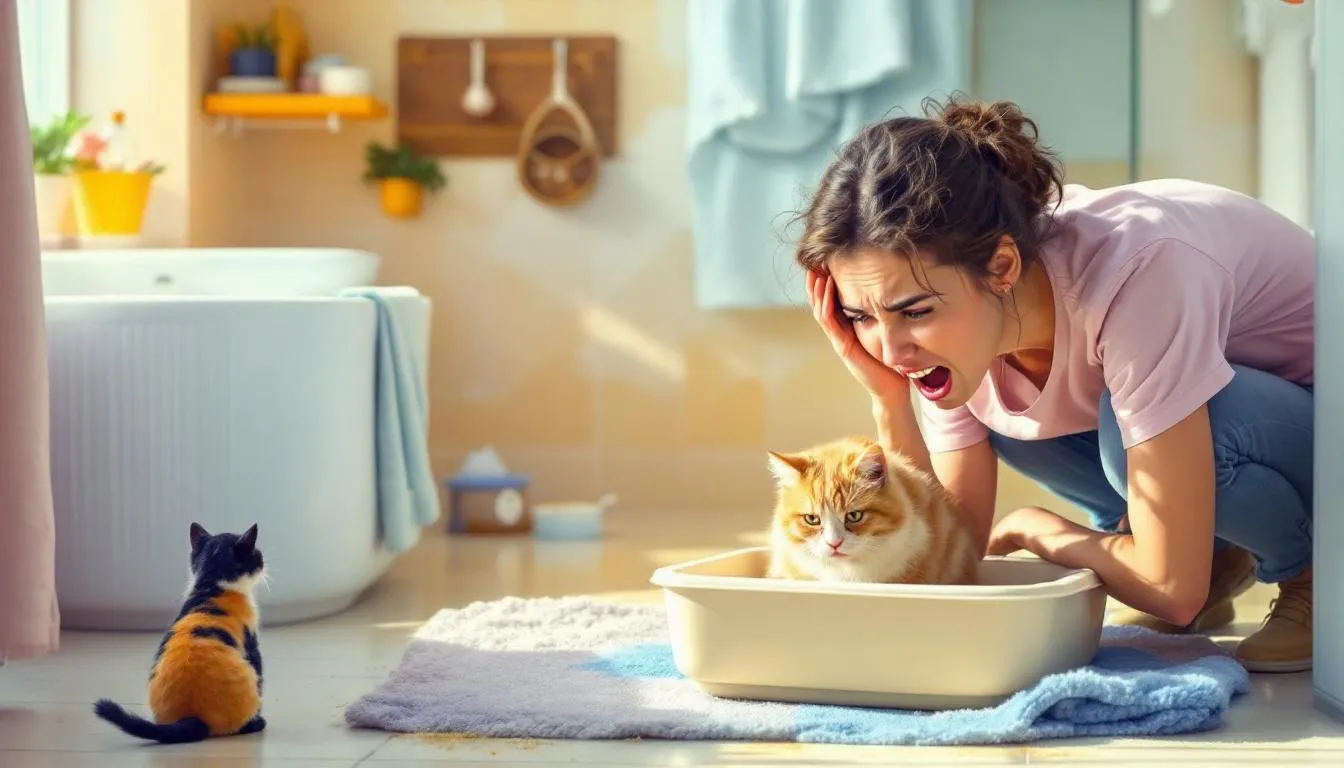
If your cat is suddenly urinating outside the litter box, you’re probably feeling frustrated and confused. You want to keep your home clean, and your furry friend healthy and happy.
But why is this happening? Understanding what causes cats to urinate outside their litter box can help you fix the problem quickly. You’ll discover the common reasons behind this behavior and learn simple steps to get your cat back on track.
Keep reading to find out how to protect your home and strengthen the bond with your pet.
Credit: lacvets.com
Medical Issues
Medical issues often cause cats to urinate outside their litter boxes. These problems can make urination painful or urgent. Cats may associate the litter box with pain and avoid it. Identifying medical problems early can help your cat feel better. Watch for signs like frequent urination, blood in urine, or changes in behavior.
Urinary Tract Infections
Urinary tract infections (UTIs) irritate a cat’s bladder and urethra. This causes discomfort and a strong urge to urinate. Cats with UTIs may urinate small amounts frequently. They might also urinate outside the litter box to avoid pain. A vet can diagnose UTIs with a urine test. Treatment usually involves antibiotics to clear the infection.
Bladder Stones
Bladder stones form from minerals in the urine. These stones can block or irritate the bladder. Cats with bladder stones often strain to urinate or produce blood in urine. The pain may cause them to avoid the litter box. Vets use X-rays or ultrasounds to find bladder stones. Treatment depends on the stone size and type and may need surgery.
Kidney Problems
Kidney problems affect how cats process fluids. Cats with kidney disease may drink and urinate more than usual. This can lead to accidents outside the litter box. Kidney problems often come with other signs like weight loss and lethargy. Blood tests and urine analysis help vets diagnose kidney issues. Early treatment can slow kidney damage and ease symptoms.
Diabetes And Other Conditions
Diabetes causes high blood sugar and increased thirst. Cats with diabetes urinate more often and may leak urine. This can lead to litter box avoidance. Other conditions like arthritis make it hard for cats to reach the litter box. Hormonal imbalances also affect urination habits. Proper diagnosis and treatment by a vet are key to managing these conditions.
Litter Box Problems
Litter box problems are a common reason cats choose to urinate outside their designated spots. Your cat’s comfort and preferences matter a lot, even if it seems like just a simple box. Small changes in cleanliness, type, or location of the litter box can make a huge difference in your cat’s behavior.
Dirty Litter Box
Have you ever avoided a bathroom that wasn’t clean? Cats feel the same way. A dirty litter box can quickly become an unpleasant place for them. Make sure to scoop waste daily and change the litter completely every week or so. Your cat will appreciate a fresh, odor-free space and will be more likely to use it consistently.
Type Of Litter
Not all cat litters are created equal. Some cats prefer fine, clumping litter, while others dislike strong scents or rough textures. If your cat suddenly stops using the box, try switching to a different type of litter. Observing your cat’s reaction can help you find the perfect match that encourages proper use.
Box Location
Where you place the litter box matters more than you might think. Cats want privacy but also easy access. Avoid placing the box near loud appliances or in busy areas where your cat might feel stressed. If you have multiple rooms, consider moving the box to quieter spots and watch if your cat starts using it again.
Number Of Boxes
Do you have enough litter boxes for your cats? The general rule is one box per cat, plus one extra. If you have two cats but only one box, it can cause territorial issues or discomfort. Adding more boxes in different locations often solves urination problems and keeps your cats happier overall.
Stress And Anxiety
Stress and anxiety can make cats feel unsafe, causing them to avoid their litter box. Changes in the home or loud noises often trigger this behavior. Cats may urinate outside the box to show discomfort or mark territory.
Stress and anxiety can significantly affect a cat’s behavior, leading them to urinate outside of their litter box. Cats are sensitive creatures, and even minor changes in their environment can cause distress. By understanding the triggers that may cause stress and anxiety in your feline friend, you can create a more harmonious living space for both of you.Changes In Environment
A new home or rearranged furniture can be unsettling for your cat. They might feel insecure, leading them to mark their territory by urinating in unfamiliar places. To ease their anxiety, try to introduce changes gradually and provide them with familiar items, like their favorite blanket or toy.New Pets Or People
Introducing a new pet or person into the household can create tension. Cats are territorial by nature, and a new addition can disrupt their sense of security. Give your cat time to adjust and ensure they have a safe space to retreat to when they need a break.Loud Noises
Unexpected loud noises, such as thunderstorms or construction work, can frighten your cat. This fear might cause them to associate their litter box area with stress, leading them to avoid it. Providing a quiet, calm environment during these times can help them feel more secure.Separation Anxiety
Cats can develop separation anxiety when left alone for extended periods. This anxiety may manifest in inappropriate urination as a way to cope with their distress. Ensure your cat has plenty of stimulation and consider interactive toys or puzzles to keep them occupied while you’re away. Understanding the root causes of your cat’s stress and anxiety can make a world of difference. What steps can you take today to help your feline friend feel more at ease in their home?
Credit: www.reddit.com
Territorial Marking
Territorial marking is a common reason why cats urinate outside their litter box. Cats use urine to claim spaces, communicate with other cats, and establish boundaries. This behavior can become a challenge for cat owners who notice unexpected spots of urine around the home.
Outdoor Cats
Outdoor cats often mark their territory to warn other cats to stay away. If your cat spends time outside, they may bring this habit indoors. You might notice urine spots near doors or windows where your cat senses other animals nearby.
Have you checked if your cat’s outdoor environment has changed recently? New neighbors or animals can trigger increased marking behavior. Keeping your cat’s outdoor area familiar and calm can help reduce this urge.
Indoor Cat Conflicts
Multiple cats living together can lead to territorial disputes indoors. Cats may urinate outside the litter box to assert dominance or respond to stress from other cats. This behavior often happens near common areas like doorways or shared litter boxes.
Try providing separate litter boxes and safe spaces for each cat. Observing their interactions can reveal if conflicts are the cause. Could your cats be competing for attention or resources?
Intact Vs. Neutered Cats
Intact cats are more prone to territorial marking due to hormone-driven instincts. Neutering or spaying significantly reduces this behavior by lowering hormone levels. If your cat is intact and marking, discussing neutering with your vet might be a practical step.
Neutered cats still mark occasionally, but less frequently. Monitoring your cat’s behavior before and after neutering can provide insight into how much hormones influence their marking habits. What changes have you noticed in your cat’s behavior after neutering?
Behavioral Causes
Behavioral causes often play a significant role when cats start urinating outside their litter boxes. Unlike medical issues, these behaviors are usually linked to how your cat feels about their environment or their interactions with you. Understanding these can help you identify the root cause and address the problem more effectively.
Negative Litter Box Associations
Cats can develop a dislike for their litter box if something unpleasant happens around it. Maybe the box is too dirty, placed in a noisy area, or near their food bowl. If your cat had a sudden scare or pain while using the litter box, they might avoid it completely.
Think about whether you’ve changed the type of litter recently or moved the box. Even small changes can upset your cat’s routine. Try returning to what was familiar and watch if the behavior improves.
Attention-seeking Behavior
Sometimes, cats urinate outside the box to get your attention. If they feel ignored, stressed, or bored, this might be their way of saying, “Look at me!”
Have you noticed this behavior happening when you’re busy or after a change in your schedule? Increasing playtime and interaction can reduce their need to seek attention this way.
Aging And Cognitive Issues
Older cats may experience confusion or memory problems that affect litter box use. Cognitive decline can make them forget where the box is or how to use it properly.
Does your senior cat seem disoriented or restless? Providing multiple, easily accessible litter boxes and keeping a consistent routine can help them feel secure and reduce accidents.
Credit: vetic.in
Solutions And Prevention
Finding out why your cat urinates outside the litter box is just the start. The real challenge lies in fixing the issue and stopping it from happening again. You can help your feline friend feel comfortable and safe by taking some focused steps. These actions don’t just solve the problem—they show your cat that their space is respected and cared for.
Vet Checkups
Health issues often cause litter box problems. Urinary tract infections, kidney problems, or diabetes can make your cat avoid the box. A vet can run tests to find these hidden problems quickly.
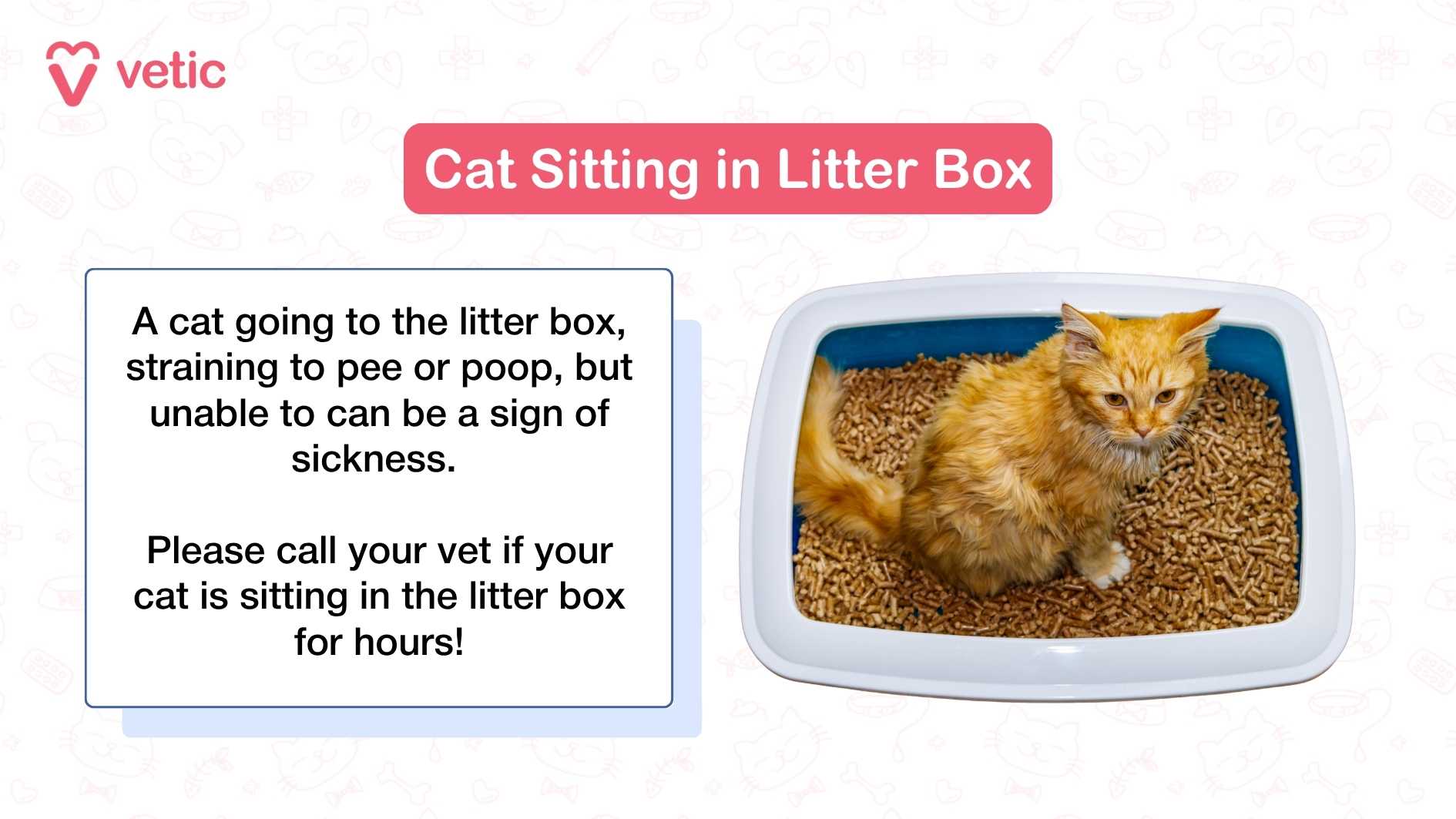
Don’t wait if your cat suddenly changes habits. Early diagnosis can save your cat pain and prevent future accidents. Have you noticed your cat straining or meowing while trying to urinate? This is a clear sign to visit the vet.
Litter Box Maintenance
Dirty litter boxes are a top reason cats avoid them. You should scoop the box daily and change the litter regularly. This keeps it fresh and welcoming.
Think about how many cats you have. Each needs their own box plus one extra. This simple rule can prevent many accidents.
Also, try different types of litter. Some cats prefer finer grains or unscented options. Have you tried moving the box to a quieter, low-traffic area? Location matters more than you might expect.
Reducing Stress
Stress can make your cat act out in unexpected ways, including urinating outside the litter box. Changes in your home, new pets, or loud noises can trigger this.
Watch your cat’s behavior closely. Are they hiding more or grooming excessively? These signs tell you they might feel stressed.
Try calming products like pheromone diffusers or gentle music. Creating a peaceful environment can help your cat relax and return to good habits.
Training And Environmental Enrichment
Training isn’t just for dogs. You can teach your cat where and when to use the litter box through positive reinforcement. Reward them with treats or affection when they use the box correctly.
Adding toys, scratching posts, and climbing spaces keeps your cat busy and happy. A bored cat is more likely to act out. Do you offer your cat enough stimulation every day?
Rotate toys and create new play areas to keep their environment exciting. This not only prevents accidents but strengthens your bond with your pet.
Frequently Asked Questions
Why Do Cats Urinate Outside Their Litter Box?
Cats may urinate outside their litter box due to stress, medical issues, or litter box problems. They might dislike the litter type, box cleanliness, or location. Identifying the cause helps resolve this behavior quickly and keeps your cat healthy and comfortable.
Can Health Problems Cause Inappropriate Urination In Cats?
Yes, urinary tract infections, bladder stones, or kidney issues often cause cats to urinate outside the litter box. A vet checkup is essential to rule out medical causes before addressing behavioral reasons. Early diagnosis prevents complications and eases your cat’s discomfort.
How Does Stress Affect A Cat’s Litter Box Habits?
Stress from changes in environment, new pets, or loud noises can cause cats to avoid their litter box. Stress triggers anxiety, prompting cats to mark territory or seek comfort elsewhere. Reducing stressors and providing a calm space helps improve litter box use.
What Litter Box Factors Lead To Urination Problems?
Dirty litter boxes, wrong litter type, or inappropriate box size can deter cats from using their litter box. Cats prefer clean, accessible, and quiet locations. Regular cleaning and suitable litter encourage proper litter box habits and reduce accidents.
Conclusion
Cats urinating outside the litter box can happen for many reasons. Stress, health problems, or a dirty box often cause this behavior. Watch your cat carefully and check for any signs of illness. Keep the litter box clean and in a quiet spot.
Try different types of litter to find what your cat likes best. Patience and care help your cat feel safe and comfortable. Understanding why your cat acts this way is key to fixing the problem. Stay calm and give your cat time to adjust.

Leave a Reply