If you have a cat, you know how important a clean litter box is—for both your pet’s health and your home’s freshness. But how often should you really change your cat’s litter box?
Too often, and you might be wasting time and money. Too little, and your cat could be unhappy or even sick. You’ll discover the ideal schedule for changing the litter box, tips to keep it fresh longer, and signs to watch for that tell you it’s time for a clean-up.
Keep reading to make your cat’s litter box a cleaner, happier place—for both of you.
Signs To Change Cat Litter
Knowing when to change your cat’s litter is key to keeping your home fresh and your feline happy. Watching for certain signs can save you from unpleasant surprises and help maintain a clean, inviting space for your pet. Let’s look at the main signals that tell you it’s time for a litter change.
Odor Levels
One of the clearest signs is the smell coming from the litter box. If you notice a strong, persistent odor even after scooping, it means the litter has absorbed too much waste and needs replacing.
Sometimes, the smell can sneak up on you, especially if the box is in a less ventilated area. Ask yourself: is the odor noticeable as soon as you enter the room? If yes, don’t wait longer to change it.
Clumping Quality
Pay attention to how well the litter clumps. Over time, the clumps can break apart or become mushy, making scooping less effective. This reduces the litter’s ability to control odor and moisture.
If you find that clumps are crumbling or sticking to the box, it’s a sign that the litter has lost its quality. Changing it promptly helps keep the box cleaner and your cat more comfortable.
Cat Behavior Changes
Your cat’s behavior often reflects how they feel about their litter box. If you notice your cat avoiding the box, going outside it, or showing signs of distress, it might be due to dirty or unpleasant litter.
Sometimes, cats are picky about cleanliness and will clearly signal when the litter needs attention. Have you seen your cat hesitate or sniff around the box longer than usual? It’s time to refresh the litter.

Credit: perfectpetzzz.com
Daily Maintenance Tips
Keeping your cat’s litter box clean is essential for their health and happiness. Daily maintenance might sound like a chore, but it can be a simple task with the right approach. By spending just a few minutes each day, you can ensure your feline friend has a clean, pleasant place to do their business.
Scooping Frequency
Regular scooping is crucial in maintaining a fresh litter box. Aim to scoop at least once a day to remove waste and clumps. If you have multiple cats, consider increasing this frequency to twice a day. This not only keeps odors at bay but also ensures your cat always has a clean spot to use.
Spot Cleaning
Spot cleaning involves removing any litter that may have spilled outside the box. It’s a quick task that can prevent the spread of odor and litter throughout your home. Keep a small broom and dustpan nearby for easy cleanup. A tidy area around the box also encourages your cat to use it consistently.
Litter Level Monitoring
Maintaining the right litter level is key for your cat’s comfort. Too little litter can lead to messy paws, while too much can make it difficult for your cat to dig. Aim for a depth of about 2-3 inches, which is generally comfortable for most cats. Regularly check and adjust the litter level to keep it just right.
Have you ever noticed your cat hesitating to use the box? It might be a sign that daily maintenance is needed. By staying on top of these simple tasks, you can ensure your cat’s litter box is always inviting. What’s your daily routine for maintaining your cat’s litter box?
Weekly Cleaning Routine
Keeping your cat’s litter box clean on a weekly basis is essential for both your pet’s health and your home’s freshness. A weekly cleaning routine goes beyond just scooping daily waste—it involves a thorough refresh to prevent odors and bacteria buildup. Are you sure your current routine is enough to keep your cat happy and your space smelling clean?
Full Litter Replacement
Once a week, empty the entire litter box completely. This means removing all the old litter, even if it looks clean on top. Cats can be sensitive to dirty litter, so starting fresh helps maintain their comfort and encourages consistent use.
After emptying, check for any lingering clumps or stuck-on waste. Removing every bit of old litter prevents odor traps and keeps the box inviting.
Box Washing Techniques
After emptying the litter, wash the box thoroughly with warm water. Avoid using harsh scrubbing tools that can scratch the surface and trap bacteria. A soft cloth or sponge works best.
Rinse well to remove any soap residue, as leftover chemicals might deter your cat. Let the box air dry completely before adding new litter to prevent clumping issues.
Safe Cleaning Products
Choose cleaning products that are safe for cats and free from strong fragrances. Unscented mild dish soap or a vinegar-water solution works effectively without harmful chemicals.
Avoid bleach or ammonia-based cleaners—they can irritate your cat’s sensitive nose and paws. Your goal is a clean, odor-free box that your cat feels comfortable using every day.
Factors Affecting Change Frequency
Changing a cat’s litter box depends on several important factors. These factors affect how often you need to clean or replace the litter. Understanding these can help keep your home fresh and your cat happy.
Number Of Cats
The more cats you have, the faster the litter gets dirty. One cat usually means cleaning once a week. Two or more cats need cleaning more often, sometimes daily. This prevents odor and keeps the box inviting.
Type Of Litter Used
Different litters absorb moisture and control odor differently. Clumping litter often needs scooping every day. Non-clumping litter may require full changes more frequently. Some litters last longer and reduce the need for daily cleaning.
Cat Health Considerations
A sick cat may use the litter box more or less than usual. Watch for changes in your cat’s habits. Clean the box more often if your cat has health issues. This helps monitor your cat’s condition and keeps the area sanitary.
Choosing The Right Litter Box
Choosing the right litter box is key to keeping your cat happy and your home clean. The correct box supports your cat’s comfort and helps control odors. Consider size, design, and cleaning ease to find the best fit for your pet and lifestyle.
Size And Design
Select a litter box large enough for your cat to turn around easily. Cats prefer spacious boxes without feeling cramped. Low sides help kittens and older cats enter and exit with ease. High sides reduce scatter and spills.
Covered Vs Open Boxes
Covered boxes offer privacy and help contain odors. Some cats feel safe inside covered boxes, while others may feel trapped. Open boxes provide good ventilation and easy access. Watch your cat’s behavior to pick the right style.
Ease Of Cleaning
Choose a litter box with smooth surfaces to prevent waste sticking. Boxes with removable lids or parts speed up cleaning. Consider lightweight materials for easy handling. Frequent cleaning keeps your cat healthy and your home fresh.
Tips To Keep Litter Box Fresh
Keeping your cat’s litter box fresh is key to maintaining a clean home and a happy feline. The right strategies can prevent odors from taking over and make the chore less unpleasant for you. Here are some practical tips that really help keep the litter box smelling clean and inviting for your cat.
Using Deodorizers
Deodorizers can be a game-changer if you want to control litter box smells without constant cleaning. Choose natural options like baking soda, which you can sprinkle lightly under the litter to absorb odors. Some cat litters also come with built-in deodorizers—experiment to see which works best for your cat’s preferences.
Be careful with sprays or strong chemical deodorizers; cats have sensitive noses and might avoid a box that smells too artificial. Instead, use pet-safe products designed specifically for litter boxes. Have you noticed how a small amount of baking soda keeps odors at bay longer in your home?
Proper Ventilation
Ventilation is often overlooked but crucial in managing litter box odors. Place the litter box in an area where air circulates well, like near a window or under an exhaust fan. Even a small fan can help push stale air away and reduce smell buildup.
If your litter box is in a closed bathroom or a small closet, consider adding a vent or leaving the door open. You might be surprised how much fresher the area feels with just a little airflow. What’s your current setup—could better ventilation make a difference?
Location Strategies
Where you put your cat’s litter box affects how odors spread through your home. Avoid high-traffic or enclosed spaces where smells can become trapped and concentrated. Instead, choose a spot that is easy to clean and accessible for your cat but not right next to your living or eating areas.
Think about the surface under the box, too. A hard floor is easier to clean than carpet, which can hold odors. Have you tried moving the box to a different spot and noticed a change in how the room smells?
Common Mistakes To Avoid
Keeping your cat’s litter box clean might seem straightforward, but many pet owners fall into common traps that can affect your cat’s health and happiness. Avoiding these mistakes helps maintain a fresh environment and keeps your feline friend comfortable. Let’s look at some key errors to watch out for when managing your cat’s litter box routine.
Overlooking Regular Cleaning
Skipping daily scooping or waiting too long to change the litter can quickly lead to unpleasant odors and an unhappy cat. Cats are very particular about cleanliness, and a dirty box might cause them to avoid it altogether. Have you noticed your cat hesitating before using the box? It could be a sign that cleaning isn’t frequent enough.
Try setting a reminder to scoop waste at least once a day and fully replace the litter every one to two weeks. This simple habit keeps your cat’s area fresh and reduces bacteria buildup. Your cat’s health depends on it.
Using Harsh Chemicals
Many people think using strong cleaners will keep the litter box extra sanitary, but harsh chemicals can be harmful to your cat’s sensitive nose and skin. They might avoid the box or develop allergies if exposed to irritating substances. Instead, use mild, unscented cleaners like diluted vinegar or gentle soap.
Rinse thoroughly to remove any residue before adding fresh litter. This way, you maintain cleanliness without compromising your cat’s comfort or safety.
Ignoring Cat Preferences
Not all cats like the same type of litter or box location. Some prefer clumping litter, others like a finer texture, and certain cats dislike covered boxes. Ignoring these preferences can lead to accidents outside the box or refusal to use it.
Observe your cat’s behavior and try different options to find what they like best. Have you tried placing the box in a quieter spot or testing various litter types? Paying attention to these details can make a big difference in your cat’s willingness to use the litter box consistently.
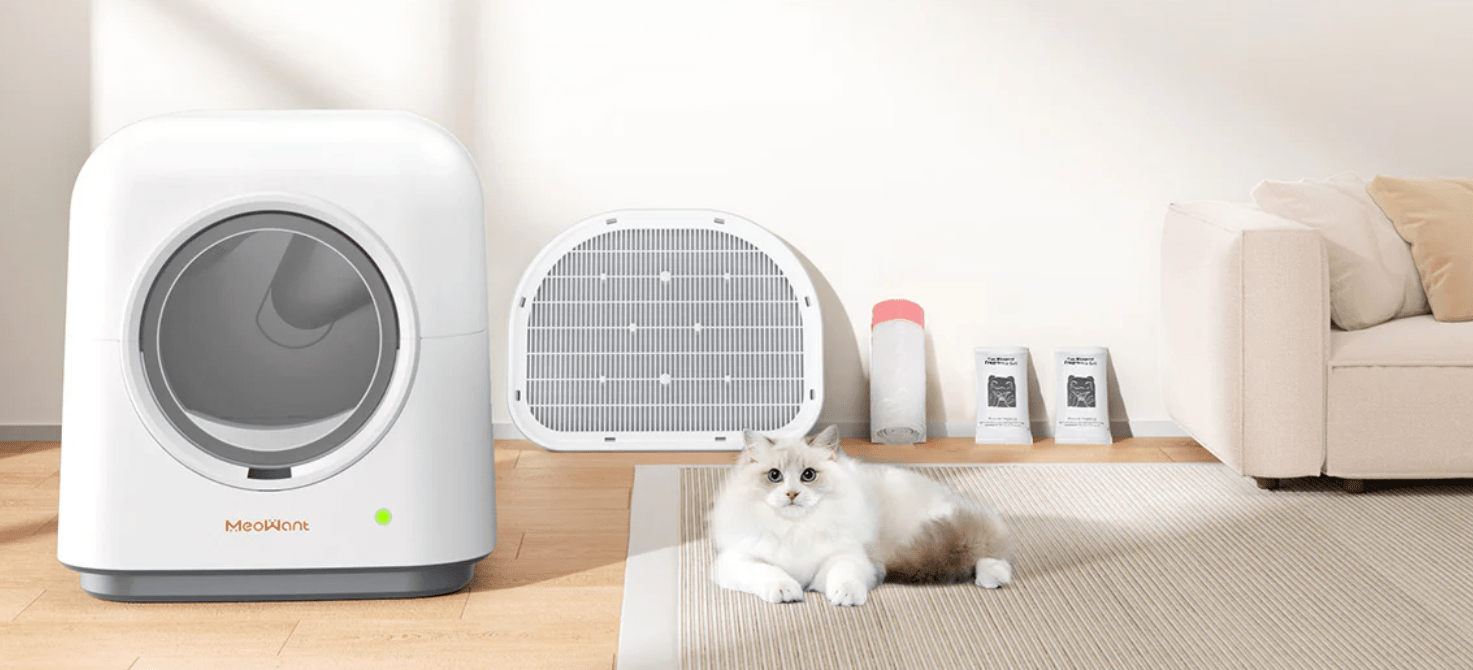
Credit: meowant.com
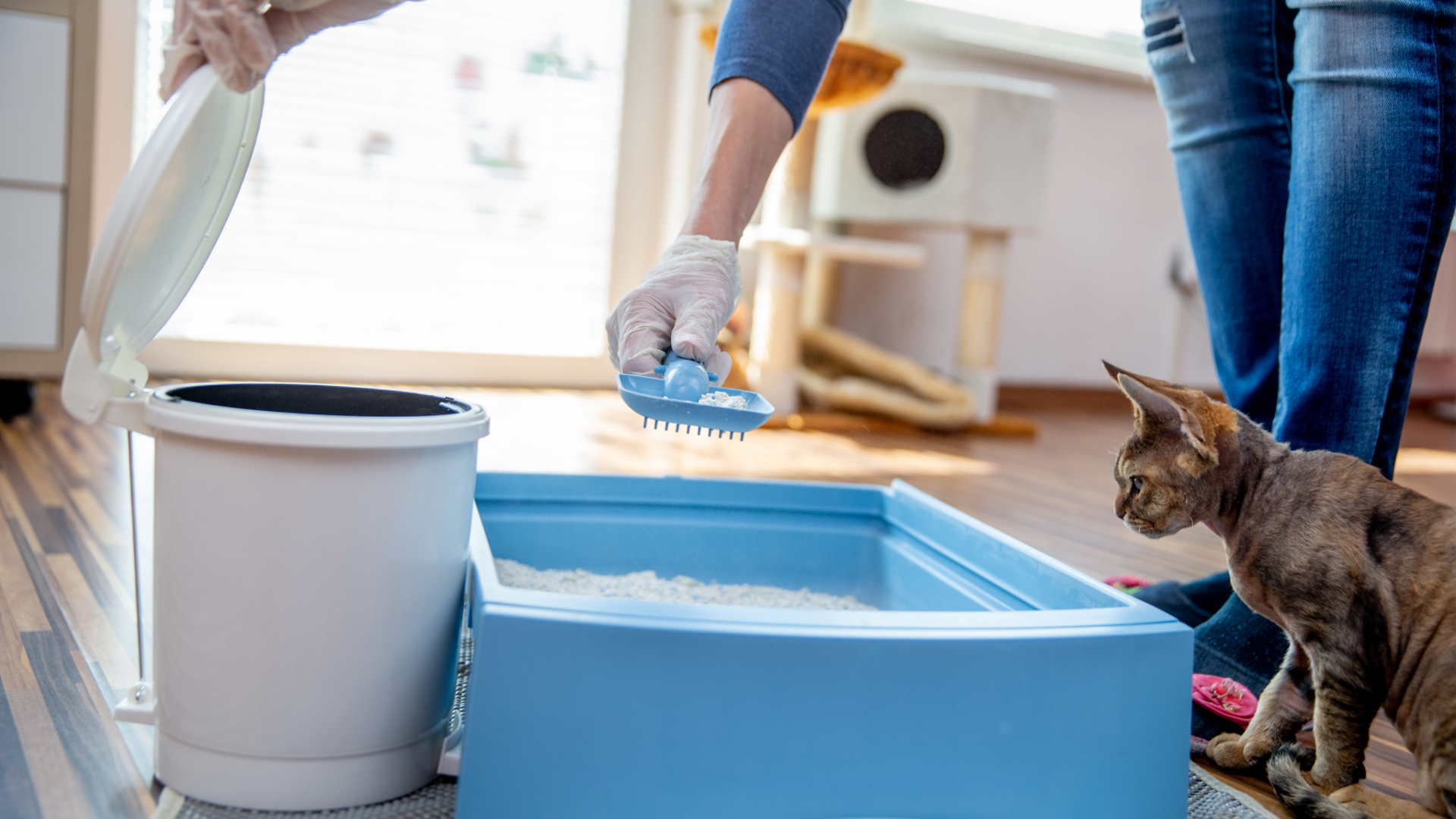
Credit: www.petsradar.com
Frequently Asked Questions
How Often Should I Completely Change Cat Litter?
You should completely change cat litter every 1 to 2 weeks. This prevents odor buildup and bacteria growth. Daily scooping extends the litter’s usability and keeps the box fresh for your cat.
How Frequently Is Daily Scooping Necessary?
Daily scooping is essential to remove waste and maintain cleanliness. It helps control odors and encourages cats to use the litter box consistently. Aim to scoop at least once every 24 hours.
Can Infrequent Litter Changes Harm My Cat?
Yes, infrequent litter changes can cause health issues. Dirty litter boxes increase the risk of infections and deter cats from using the box. Regular cleaning promotes your cat’s hygiene and comfort.
What Factors Affect Litter Box Changing Frequency?
Factors include the number of cats, litter type, and box size. More cats or smaller boxes require more frequent changes. Clumping litter often lasts longer but still needs regular maintenance.
Conclusion
Changing your cat’s litter box regularly keeps your home fresh and your cat happy. Clean litter prevents bad smells and health problems. Scoop daily and replace the litter fully every one to two weeks. Watch your cat’s habits to adjust cleaning times.
A tidy box shows you care and helps your cat feel safe. Simple steps make a big difference for both of you. Keep it clean, keep it fresh, and enjoy a happier pet.

Leave a Reply