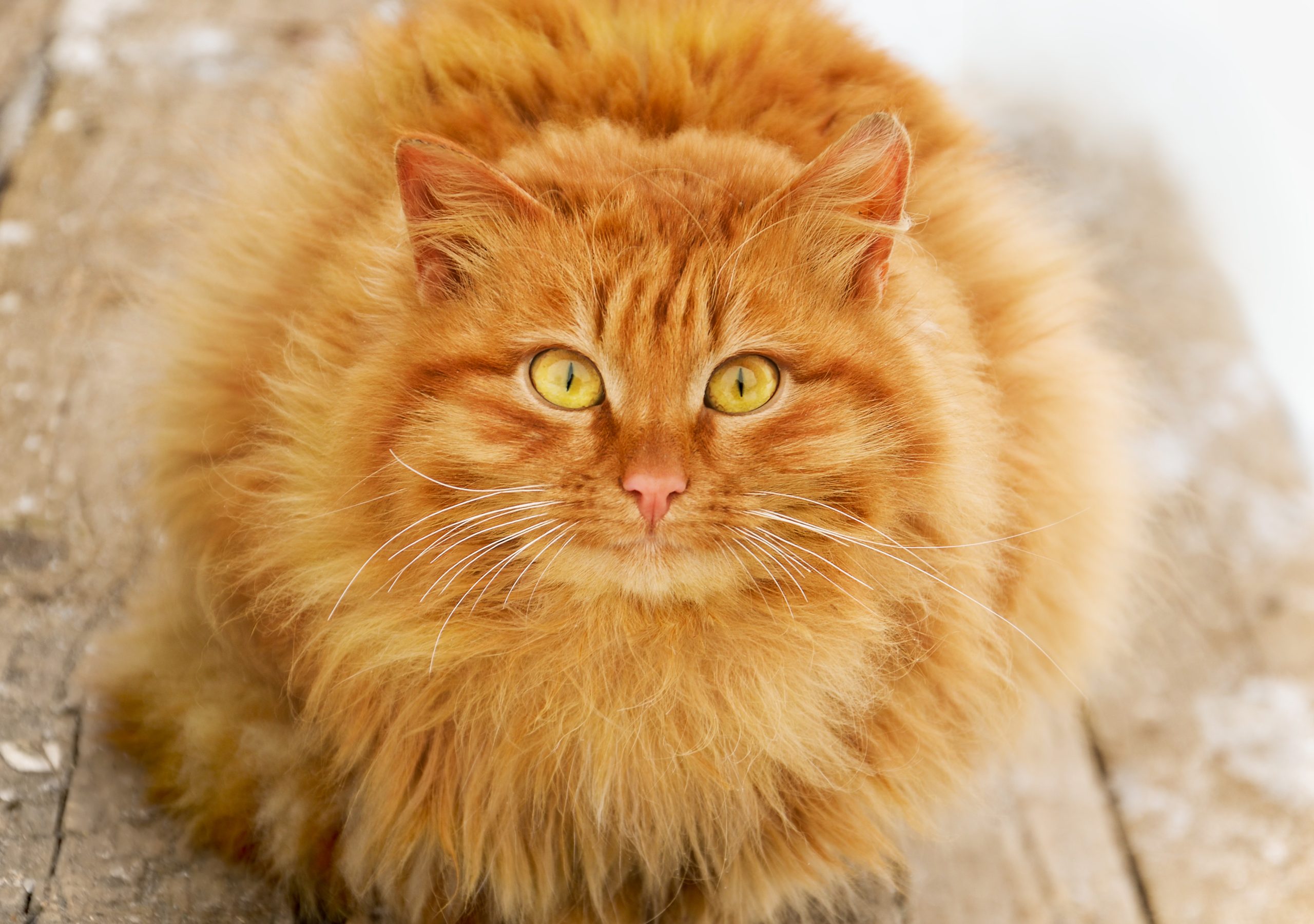
Have you ever noticed your cat licking or biting its fur more than usual? Over grooming in cats can be more than just a quirky habit—it might be a sign that something is wrong.
When your furry friend spends too much time cleaning, it can lead to sore skin, bald patches, and discomfort. Understanding what causes this behavior is key to helping your cat feel better. You’ll discover the main reasons behind over grooming and learn how to spot the signs early.
Keep reading to protect your cat’s health and happiness.
:strip_icc()/the-kitty-1011094438-5c3d1af5c9e77c00015e66a6.jpg)
Credit: www.thesprucepets.com
Common Causes Of Over Grooming
Understanding why your cat is over grooming is key to helping them feel comfortable again. Over grooming can be more than just a quirky habit—it often signals an underlying issue that needs your attention. Here are some common causes that might be driving your cat to lick or scratch excessively.
Allergies And Skin Irritations
Allergies are a frequent trigger for over grooming in cats. Your cat might react to certain foods, pollen, or household chemicals, causing itchy skin that they try to soothe by licking. If you notice redness, bumps, or hair loss alongside the grooming, allergies might be the culprit.
Parasites And Infections
Fleas, mites, and other parasites can cause intense discomfort, pushing your cat to over groom. Even a single flea bite can lead to a cycle of itching and licking. Additionally, bacterial or fungal infections can irritate the skin, increasing your cat’s urge to groom excessively.
Stress And Anxiety Factors
Just like people, cats respond to stress and anxiety in physical ways. Changes in environment, new pets, or loud noises might make your cat anxious, leading to over grooming as a coping mechanism. Have you noticed your cat grooming more during stressful times?
Pain And Discomfort
Pain from injuries or internal issues can cause localized over grooming. Cats often lick areas that hurt, which can worsen the problem by irritating the skin further. If your cat focuses grooming on one spot, consider whether they might be experiencing pain in that area.
Nutritional Deficiencies
Poor diet can affect your cat’s skin and coat health, leading to dry, itchy skin that promotes over grooming. Lack of essential fatty acids or vitamins may be at fault. Evaluating your cat’s food quality and ensuring a balanced diet can improve their skin condition and reduce grooming urges.
Signs To Watch For
Noticing that your cat is grooming more than usual can be worrying. To help your furry friend, you need to spot the signs early. Recognizing these signals can guide you to act before the problem worsens.
Bald Patches And Redness
If you see areas where fur is thinning or completely missing, pay close attention. Bald patches often indicate over grooming caused by irritation or stress. Redness around these spots can mean your cat’s skin is inflamed or sore, signaling a deeper issue that needs care.
Excessive Licking And Biting
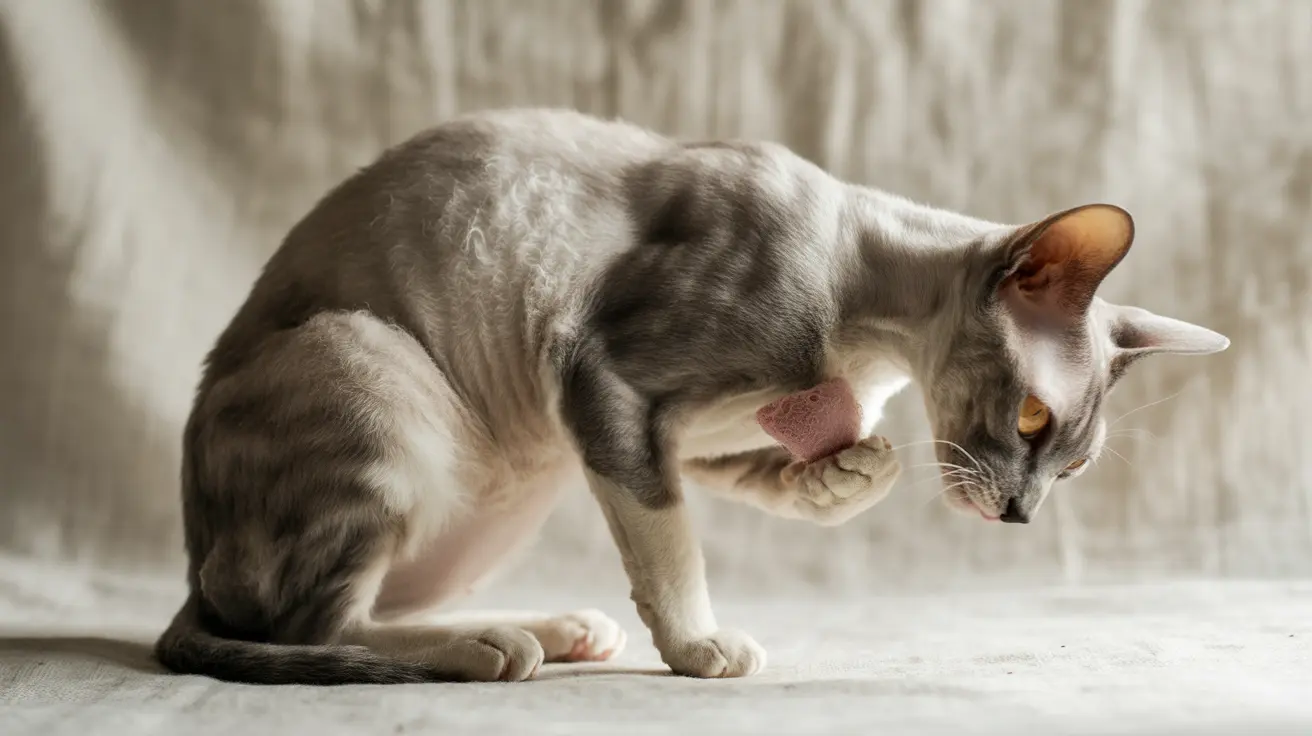
Does your cat spend long periods licking or biting a certain spot? This behavior often leads to skin damage. It’s easy to miss at first, but you might notice your cat licking more than usual or biting hard enough to leave marks.
Behavioral Changes
Changes in your cat’s mood or routine can tell you something is wrong. A normally calm cat might become restless or hide more. Sometimes, over grooming links directly to anxiety or discomfort, so watch for unusual behavior alongside physical signs.
Skin Sores And Scabs
Look carefully for any open wounds or scabs on your cat’s body. These sores can develop when your cat over grooms to the point of breaking the skin. If you spot any, it’s a sign to seek advice from a vet to prevent infection and ease your cat’s discomfort.
Diagnosing The Issue
Diagnosing why a cat over-grooms takes careful observation and testing. Over-grooming may signal health or behavioral issues. Pinpointing the cause helps in finding the right treatment. Several steps help veterinarians and pet owners understand the problem better.
Veterinary Examination
A thorough veterinary exam checks the cat’s overall health. The vet looks for wounds, skin changes, or parasites. They also assess the cat’s weight and coat condition. This exam rules out physical causes like infections or injuries. It gives the first clues about why the cat licks or bites itself excessively.
Skin Tests And Allergy Screening
Skin tests identify irritations or allergic reactions. The vet may take small skin samples or perform allergy tests. These tests detect fleas, mites, or fungal infections. Allergy screening finds food or environmental triggers. Results guide targeted treatments to reduce itching and discomfort.
Behavioral Assessment
Behavioral evaluation studies the cat’s daily habits and environment. Stress, boredom, or anxiety can cause over-grooming. The vet or behaviorist watches for signs of compulsive licking. They ask about changes at home or new pets. Understanding behavior helps address emotional causes effectively.

Credit: www.purina.com
Treatment Options
Treatments focus on reducing stress and addressing skin problems in cats. Using calming products or changing their environment often helps. Sometimes, medication from a vet is needed to stop over grooming.
Cats over-groom for various reasons, causing distress for both cats and owners. Understanding treatment options can help manage this behavior effectively. Various methods can address the root causes of over-grooming. These approaches aim to ensure your cat’s well-being and comfort.Medications And Topical Treatments
Some cats benefit from medications prescribed by veterinarians. These medicines can reduce anxiety or address allergies. Topical treatments soothe irritated skin and promote healing. Always consult with a vet before starting any medication or topical treatment.Parasite Control
Parasites like fleas often cause cats to over-groom. Regular parasite control helps maintain your cat’s skin health. Use vet-approved flea treatments to prevent infestations. This ensures your cat remains comfortable and itch-free.Dietary Adjustments
Diet plays a role in skin health. Identifying and eliminating allergens in food can reduce over-grooming. Introducing a balanced diet supports overall health and may ease skin irritation. Consult your vet for dietary recommendations tailored to your cat’s needs.Behavioral Therapy And Environmental Enrichment
Stress and boredom can lead to over-grooming. Behavioral therapy helps address underlying anxiety. Providing environmental enrichment keeps your cat engaged and reduces stress. Toys, interactive play, and safe spaces create a stimulating environment. This approach encourages natural behaviors and helps decrease over-grooming tendencies.Preventing Over Grooming
Preventing over grooming in cats helps keep them healthy and happy. Over grooming can cause skin damage and discomfort. Taking steps early reduces risks and improves your cat’s well-being. Focus on health, comfort, and environment to manage this issue effectively.
Regular Vet Checkups
Schedule frequent vet visits to catch health problems early. Skin infections, allergies, or parasites may cause over grooming. The vet can offer treatments and advice to stop excessive licking. Timely checkups prevent small issues from becoming serious.
Stress Reduction Techniques
Stress often triggers over grooming. Create calm spaces for your cat to relax. Use gentle play and soothing sounds to reduce anxiety. Avoid sudden changes in routine or loud noises. A peaceful environment lowers stress and grooming urges.
Proper Nutrition
Feed your cat a balanced diet with essential nutrients. Poor nutrition can lead to skin problems and itching. Choose high-quality cat food with vitamins and fatty acids. Healthy skin means less irritation and less need to groom.
Safe And Stimulating Environment
Offer toys and scratching posts to keep your cat busy. Boredom can lead to over grooming as a coping behavior. Ensure your cat has safe hiding spots and climbing areas. A rich environment encourages natural behaviors and reduces stress.
Credit: www.petscare.com
Frequently Asked Questions
Why Do Cats Start To Over Groom Themselves?
Cats over groom due to stress, anxiety, allergies, or skin irritation. Over grooming helps them cope with discomfort or emotional distress.
Can Allergies Cause Cats To Over Groom Excessively?
Yes, allergies to food, pollen, or fleas often trigger over grooming. Allergic reactions cause itchiness, prompting cats to lick or bite their skin.
How Does Stress Influence A Cat’s Grooming Behavior?
Stress or anxiety can lead to compulsive grooming. Cats use grooming as a self-soothing activity during stressful situations or changes in their environment.
When Should I See A Vet About My Cat’s Grooming?
Visit a vet if over grooming causes bald spots, wounds, or persistent itching. A vet can diagnose underlying issues and recommend treatment.
Conclusion
Cats over groom for many reasons, including stress, allergies, or pain. Watching your cat closely helps you spot early signs. A calm environment can reduce stress and improve behavior. Visiting a vet ensures proper diagnosis and care. Understanding these causes keeps your cat healthy and happy.
Remember, patience and care make a big difference. Your cat depends on you to feel safe and loved.



Leave a Reply