Are you wondering when your female cat can start having kittens? Knowing the right age for breeding is important for her health and your peace of mind.
If you’re planning to breed your cat or just want to understand her development better, this information will help you make smart decisions. Keep reading to discover the key signs and the perfect time to start breeding your female cat safely.
Credit: www.pethealthclub.com
Age When Female Cats Reach Maturity
Female cats typically reach maturity between 5 to 12 months of age. This period marks the time when they become capable of breeding. Understanding the signs of maturity helps you decide when to take steps like spaying or preparing for possible litters.
Physical Signs Of Maturity
One clear indicator is the development of the cat’s body. You’ll notice your female cat’s hips widening and her overall size increasing. Her coat may also become shinier and thicker, reflecting hormonal changes.
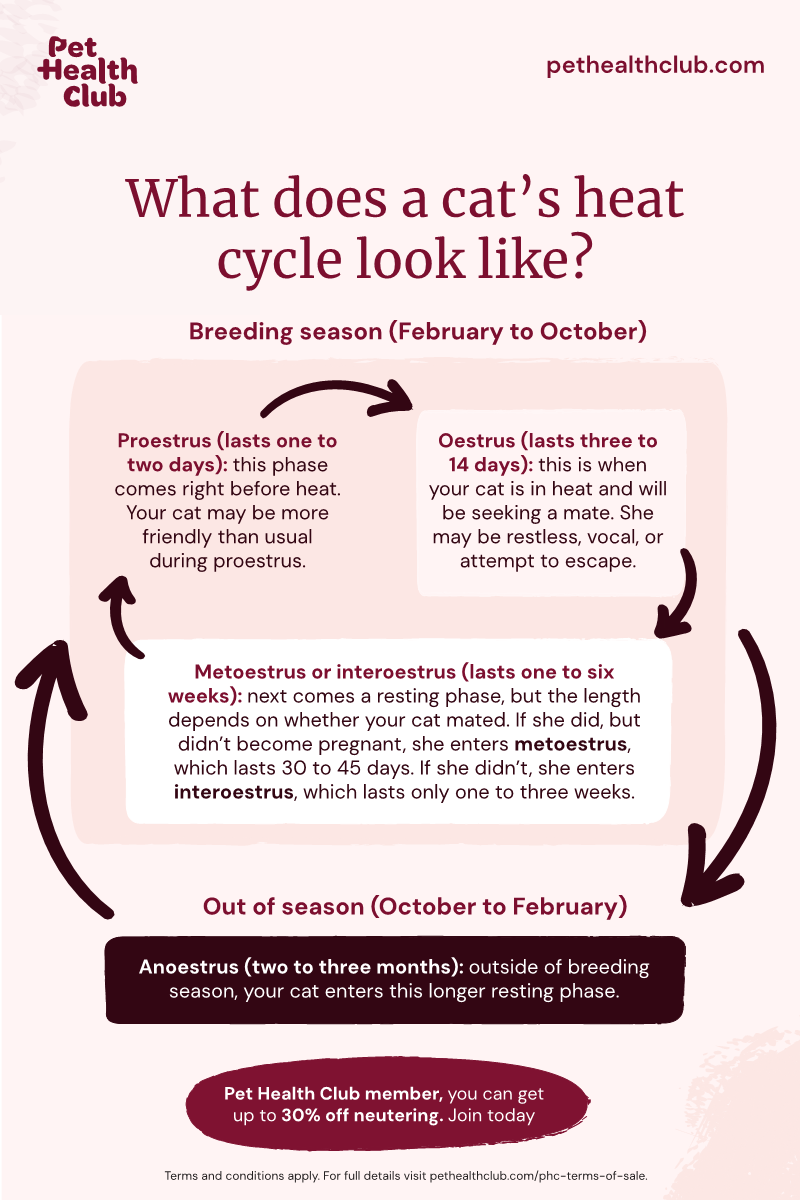
Another key sign is the onset of her first heat cycle. This usually happens around six months but can vary widely. Keep an eye out for swelling in the genital area or slight discharge, which signals that she’s entering reproductive age.
Behavioral Changes
Alongside physical changes, behavior shifts dramatically. You may see your cat become more vocal, especially with loud yowling or meowing. This is her way of signaling readiness to mate.
She might also show increased affection, rubbing against furniture or your legs more frequently. At times, she could become restless or try to escape outdoors. Noticing these behaviors early lets you manage her environment better to prevent unwanted breeding.

Credit: www.petscare.com
First Heat Cycle Timing
The timing of a female cat’s first heat cycle is a key moment for any cat owner. It marks the beginning of her reproductive phase and can influence how you manage her health and behavior. Understanding when this usually happens helps you prepare and make informed decisions about spaying or breeding.
Typical Age Range
Most female cats experience their first heat cycle between 5 and 9 months of age. However, some cats may start as early as 4 months, while others might not go into heat until they are closer to 12 months old. This wide range means you should watch your cat closely for signs rather than relying solely on age.
In my experience, a friend’s kitten began her heat at just 4 and a half months, which was earlier than expected. It was a surprise, but it helped us act quickly to schedule spaying. Have you noticed any early signs of heat in your cat that caught you off guard?
Factors Influencing Heat Onset
Several factors can affect when a female cat enters her first heat. Breed plays a role; some breeds like Siamese tend to mature earlier than others. Nutrition and overall health also impact timing—well-fed, healthy cats may reach this stage sooner.
Environmental factors matter as well. Cats exposed to longer daylight hours often start cycling earlier, especially in spring and summer. If you live in a place with shorter days, your cat might take a bit longer to reach her first heat.
- Breed:Early-maturing breeds vs. late-maturing breeds
- Nutrition:Balanced diet speeds up development
- Health:Illness can delay heat onset
- Light exposure:Longer days can trigger earlier cycles
Knowing these factors helps you predict and prepare for your cat’s first heat cycle more effectively. What changes have you noticed in your cat that might signal her heat is near?
Breeding Readiness Indicators
Understanding when a female cat is ready to breed is crucial if you want to ensure healthy pregnancies and care for both the mother and her kittens. Breeding readiness indicators help you recognize the right time to introduce a male cat and prepare for the responsibilities ahead. Paying attention to these signs can make a big difference in your cat’s breeding experience and overall well-being.
Signs Of Fertility
Female cats usually show clear signs when they are fertile. One of the most noticeable signs is their behavior during heat cycles. You might see your cat becoming more vocal, rubbing against objects, or displaying restlessness.
Physically, your cat’s vulva may appear swollen and more prominent during heat. You might also notice increased affection or even a change in appetite. Tracking these signs over a few cycles helps you predict the best breeding time.
Have you observed your cat acting differently during certain times of the month? Keeping a diary of these behaviors can give you practical insights into her fertility patterns.
Health Considerations
Before breeding your cat, her health must be in top shape. A thorough vet check is essential to rule out diseases and ensure vaccinations are up to date. Healthy cats are more likely to have successful pregnancies and healthy kittens.
Consider her age and physical condition too. Cats that are too young or too old might face complications. Nutritional status also plays a big role, so make sure she’s on a balanced diet rich in essential vitamins and minerals.
Have you discussed your cat’s health with a vet before planning to breed? This step is key to avoiding preventable problems and supporting your cat through pregnancy and beyond.
Risks Of Early Breeding
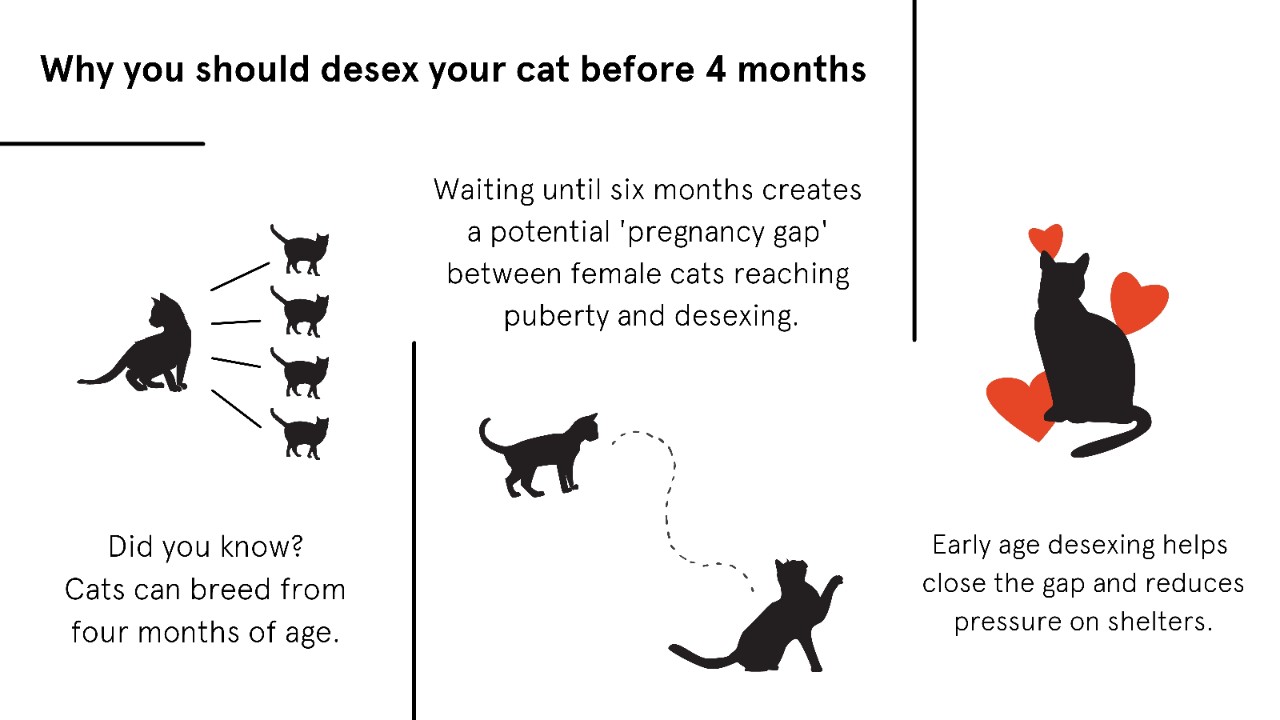
Female cats can start breeding as early as five months old, but early pregnancy can harm their health. Young cats face risks like low birth weight kittens and complications during delivery. Waiting until they are mature reduces health problems for both mother and kittens.
Female cats may start breeding as early as four months old. But breeding too early can pose significant risks. These risks can affect both their health and well-being. Understanding these dangers helps in making informed decisions about breeding.Health Risks For Young Cats
Breeding young cats can lead to severe health issues. Their bodies are not fully developed. This can result in complications during pregnancy and birth. Young cats face higher chances of miscarriage and stillbirth. They may also suffer from infections and other health problems. Early breeding can be life-threatening for both the mother and her kittens.Impact On Growth And Development
Breeding early can stunt a cat’s growth. Young cats need time to mature. Pregnancy can divert essential nutrients. These nutrients are crucial for their development. This can lead to underdeveloped bones and muscles. It can also affect their overall growth. Cats bred too early may not reach their full potential.Optimal Breeding Age
Determining the optimal breeding age for female cats is important for their health and the well-being of their kittens. Breeding too early or too late can cause complications. Understanding the right time helps ensure stronger and healthier litters. It also supports the mother cat’s growth and recovery.
Recommended Age By Veterinarians
Most veterinarians advise waiting until a female cat reaches at least 12 months old. At this age, cats are usually physically mature enough for pregnancy. Some vets recommend waiting until the second heat cycle, which often occurs around 9 to 12 months. Early breeding can lead to health problems for both mother and kittens. A mature cat has a better chance of carrying and raising healthy kittens.
Benefits Of Waiting
- Improved health for the mother cat.
- Stronger and more developed kittens.
- Reduced risk of birthing complications.
- Allows the cat to build enough body strength.
- Better chances for successful pregnancies.
Waiting also gives owners time to prepare for the responsibilities of cat breeding. It helps ensure the cat is well cared for before and after pregnancy.

Credit: animals.howstuffworks.com
Managing Breeding Cycles
Managing breeding cycles is crucial for any cat owner. Female cats enter heat cycles multiple times a year. Understanding and handling these cycles helps maintain their health and behavior. It also prevents unwanted litters and stress in your home. Proper management makes life easier for both you and your cat.
Tracking Heat Cycles
Heat cycles in female cats usually start at six months old. Each cycle lasts about 7 to 10 days. Owners can track cycles by noting changes in behavior. Common signs include increased vocalization, restlessness, and rubbing against objects. Keeping a calendar or journal helps predict future cycles. This allows planning for extra care or separation from male cats.
Behavioral Management
During heat, female cats may act more affectionate or agitated. They might scratch furniture or spray urine to mark territory. Providing extra playtime and attention can reduce stress. Offering cozy, quiet spaces helps calm your cat. Using pheromone sprays or diffusers may ease anxiety. Avoid punishment; it worsens behavior and stress. Understanding these behaviors leads to better care and a happier cat.
Spaying And Population Control
Spaying female cats plays a vital role in population control. It helps prevent unwanted litters and reduces the number of homeless cats. Controlling reproduction also lowers the risk of certain health issues and unwanted behaviors. Responsible pet ownership includes considering spaying as a key step.
Benefits Of Spaying
- Prevents unplanned pregnancies and reduces stray cat populations.
- Lowers the risk of uterine infections and breast tumors.
- Eliminates heat cycles, reducing yowling and restlessness.
- Decreases aggressive or territorial behaviors in female cats.
- Improves overall lifespan and quality of life.
Timing For Spaying
Female cats can start breeding as early as five months old. Spaying is recommended before the first heat cycle. Most veterinarians suggest spaying between four and six months of age. Early spaying helps avoid early pregnancies and related complications. Consult your vet to decide the best time for your cat.
Frequently Asked Questions
At What Age Do Female Cats Start Breeding?
Female cats typically start breeding between 5 to 12 months old. This varies by breed and environment. Early breeding can affect their health, so proper care is essential during this stage.
How Often Can Female Cats Breed In A Year?
Female cats can have multiple heat cycles annually, usually 2 to 3 times. Each cycle lasts about a week. Frequent breeding without rest can impact their well-being.
What Signs Indicate A Female Cat Is Ready To Breed?
Signs include vocalizing more, restlessness, and affectionate behavior. Physical signs include swollen genitals and a raised tail. These indicate she is in heat and ready to mate.
Can Early Breeding Affect A Female Cat’s Health?
Yes, breeding too early can cause health problems. It may lead to complications during pregnancy and delivery. Waiting until the cat is mature ensures safer breeding.
Conclusion
Female cats usually start breeding around five to six months old. This early age means owners must be ready to care for them properly. Spaying helps prevent unwanted litters and health problems. Watching your cat’s behavior can show when she is ready to breed.
Taking good care keeps her healthy and happy. Knowing this age helps you make smart choices for your pet. Remember, responsible care benefits both cats and owners alike.



Leave a Reply