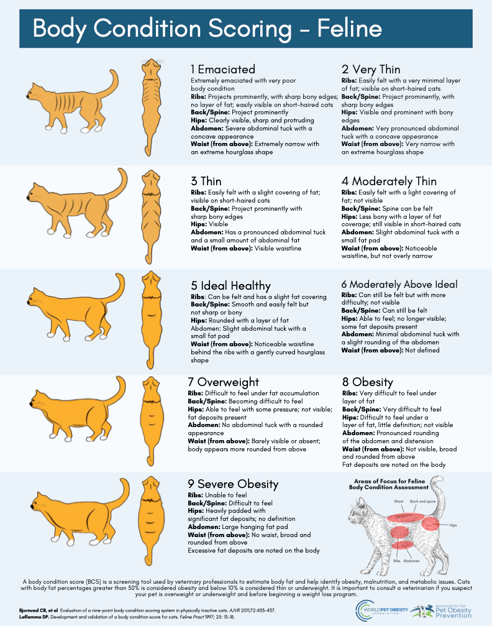
If you love cats, you want to keep your furry friend happy and healthy. But did you know some cat breeds face more health problems than others?
Knowing which cats are more prone to health issues can help you give your pet the best care possible. You’ll discover which cats need extra attention and why. Understanding this can make a big difference in your cat’s life—and yours.
Keep reading to find out what you need to watch for and how to protect your beloved companion.

Credit: www.petmd.com
Common Cat Health Issues
Cats can face various health challenges throughout their lives. Some issues are common among many breeds, while others affect specific types more. Knowing these problems helps owners care better for their feline friends. Understanding common cat health issues is essential for early detection and treatment.
Genetic Disorders
Genetic disorders come from inherited traits passed down from parent cats. Some breeds have higher risks for certain genetic conditions. For example, Persian cats often suffer from polycystic kidney disease (PKD). Maine Coons are prone to hypertrophic cardiomyopathy (HCM), a heart condition. These disorders can affect quality of life and lifespan.
Chronic Conditions
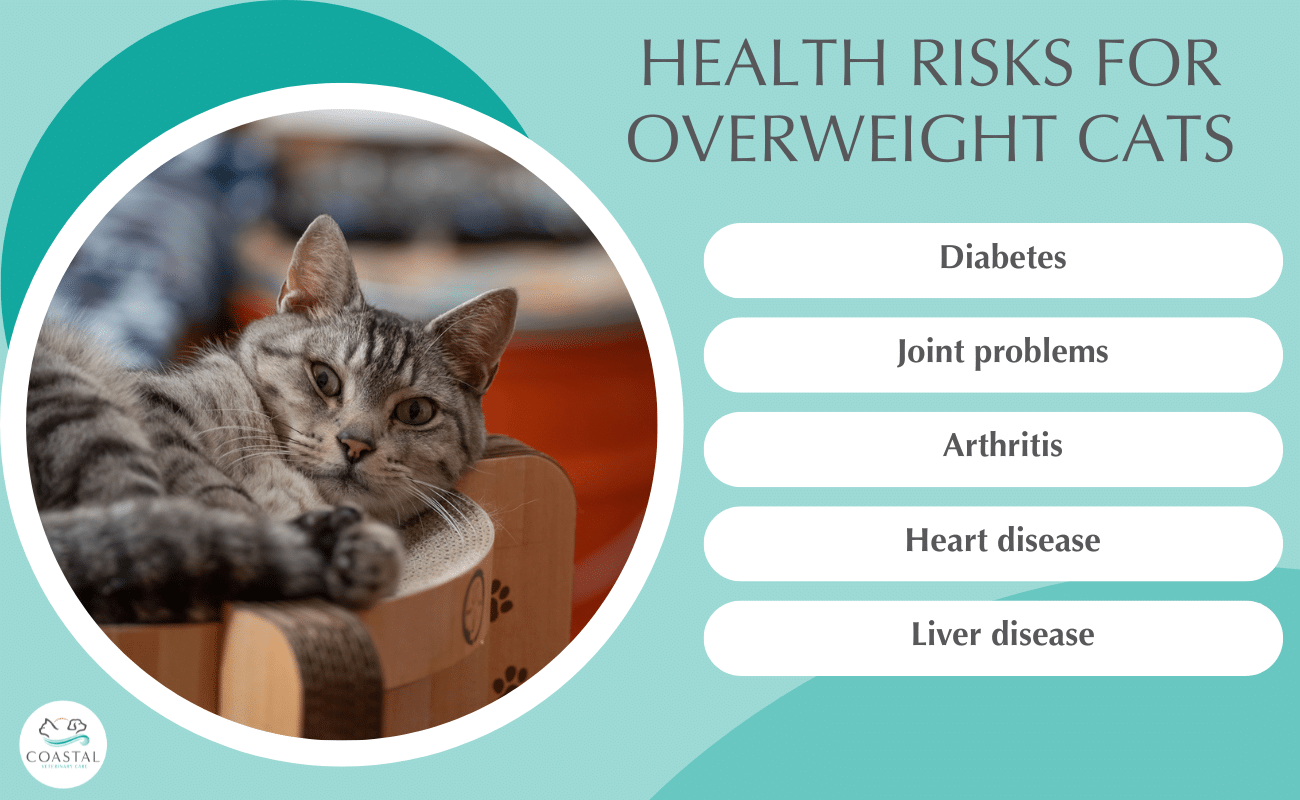
Chronic conditions develop over time and require ongoing management. Diabetes is common in overweight cats and older cats. Kidney disease affects many senior cats and can cause serious health problems. Arthritis can limit mobility and cause pain in aging cats. Proper diet and regular vet visits help manage these issues.
Infectious Diseases
Infectious diseases spread from other animals or the environment. Feline leukemia virus (FeLV) weakens the immune system and can be fatal. Feline immunodeficiency virus (FIV) also affects immunity, making cats vulnerable to other infections. Upper respiratory infections are common, especially in shelters or multi-cat homes. Vaccination and hygiene reduce the risk.
Credit: coastalveterinarycare.vet
Breeds With Frequent Health Concerns
Some cat breeds are more prone to health issues than others. Knowing which breeds commonly face health challenges can help you prepare better care routines and spot problems early. Let’s look at breeds that often require extra attention to their health.
Persian Cats
Persians are famous for their beautiful long coats and flat faces. Unfortunately, their unique features make them prone to respiratory problems and eye infections. You might notice your Persian having trouble breathing or excessive tearing—these are common signs to watch out for.
Dental issues also affect many Persians. Regular vet check-ups and cleaning are a must to avoid painful tooth problems. If you have a Persian, be ready to invest time in grooming and health monitoring.
Sphynx Cats
Sphynx cats are known for their hairless bodies, which means their skin needs special care. They often suffer from skin conditions like fungal infections or sunburn. You’ll want to keep their skin clean and protected with gentle products and limited sun exposure.
Additionally, Sphynx cats can have heart problems such as hypertrophic cardiomyopathy. Early heart screenings can save you from unexpected health crises. Are you prepared to give your Sphynx the unique care it needs?
Maine Coon Cats
Maine Coons are large and friendly, but they come with their own health concerns. One major issue is hip dysplasia, which can cause pain and mobility challenges. Watching your Maine Coon’s movement closely can help you catch problems early.
Another common problem is hypertrophic cardiomyopathy, a heart condition. Regular heart evaluations are important. Your Maine Coon’s size and activity level mean you should be proactive about its joint and heart health.
Siamese Cats
Siamese cats are elegant and vocal, but they often face respiratory and dental issues. Their elongated heads can lead to breathing difficulties, especially in hot or humid environments. You might hear wheezing or notice them panting more than usual.
Dental disease is also common, so keeping up with dental hygiene is key. Siamese cats can be sensitive to temperature changes, so think about how your home environment affects their well-being.
Bengal Cats
Bengals are active and muscular, but this breed is prone to certain genetic disorders. One of the most common is progressive retinal atrophy, which causes vision loss over time. Early detection through eye exams can help manage this condition.
They may also suffer from heart problems like hypertrophic cardiomyopathy. Monitoring your Bengal’s activity and scheduling routine vet visits are essential steps. How closely do you watch your cat’s behavior for subtle changes?
Genetic Factors And Breed Vulnerability
Genetic factors play a crucial role in determining the health challenges certain cat breeds face. Some breeds carry inherited traits that make them more vulnerable to specific diseases. Understanding these vulnerabilities helps you provide better care and catch problems early.
Inherited Diseases
Inherited diseases are passed down through a cat’s genes, often staying hidden until symptoms appear. These conditions can affect various organs and systems, from the heart to the kidneys. Knowing your cat’s breed history can alert you to potential risks before they become serious.
For example, Persians are prone to polycystic kidney disease (PKD), a genetic disorder that causes cysts in the kidneys and can lead to failure. Maine Coons often face hypertrophic cardiomyopathy (HCM), a heart condition that thickens the heart muscle. Recognizing these risks means you can schedule timely check-ups and screenings for your cat.
Breed-specific Risks
Each breed carries its own set of health risks linked to genetics and breeding practices. Some breeds have been selectively bred for appearance, which sometimes reduces genetic diversity and increases susceptibility to illness.
- Siamese catsare more likely to develop respiratory and dental problems.
- British Shorthairsoften struggle with obesity and related conditions.
- Ragdollscan inherit immune system disorders, making them prone to infections.
Have you ever noticed health trends in your cat’s breed that made you change their care routine? Sharing your experience could help other cat owners stay vigilant.

Credit: justcatsclinic.com
Preventive Care For High-risk Breeds
Preventive care is essential if you own a cat breed prone to health issues. It helps catch problems early and keeps your furry friend feeling their best. You can make a big difference in their quality of life with a few simple habits.
Regular Vet Checkups
Scheduling frequent vet visits is key for high-risk breeds. These checkups allow your vet to spot early signs of common illnesses like heart disease or kidney problems. Don’t wait for symptoms—regular exams can catch hidden issues before they worsen.
Some breeds, like Persians or Siamese, may need more frequent visits due to genetic risks. Ask your vet how often your specific cat should come in. Keeping a medical history and sharing any behavior changes can help your vet tailor care effectively.
Diet And Nutrition
Your cat’s diet plays a huge role in preventing health problems. Choose foods that support their breed-specific needs—like diets lower in fat for overweight-prone breeds or high-protein for active ones. Avoid generic feeding plans that don’t consider your cat’s unique risks.
Supplements can also help, but only if your vet recommends them. Have you noticed how picky cats can be? Experiment with different flavors and textures to find what your cat enjoys and benefits from nutritionally.
Exercise And Mental Health
Keeping your cat active helps prevent obesity and related diseases. Simple activities like interactive toys or short play sessions stimulate their mind and body. This is especially important for indoor cats who might not get enough natural exercise.
Have you tried puzzle feeders or new climbing structures? They challenge your cat and reduce stress, which can otherwise weaken their immune system. A healthy mind supports a healthy body—don’t overlook mental stimulation in your care routine.
Signs Of Health Problems In Cats
Certain cat breeds tend to face more health issues than others. Persian and Siamese cats often show signs of genetic problems. Watching for changes in behavior or appetite helps catch health problems early.
Cats are mysterious creatures that often hide their discomfort. Recognizing signs of health problems in cats is crucial for early intervention. Owners should pay close attention to changes in behavior and appearance. Early detection can lead to better treatment outcomes.Behavioral Changes
Cats may become withdrawn or hide more than usual. Increased aggression or irritability can indicate discomfort. A normally active cat may sleep more if unwell. Changes in litter box habits, like urinating outside the box, can be a red flag. Appetite changes can also signal health issues.Physical Symptoms
Physical symptoms are often more noticeable. Look for changes in weight or coat condition. Excessive scratching or grooming can indicate skin issues. Check for any lumps or bumps on their body. Watch for coughing, sneezing, or breathing difficulties. Vomiting or diarrhea should not be ignored.When To Seek Veterinary Help
Seek veterinary help if symptoms persist. Sudden severe symptoms need immediate attention. Consistent changes in behavior or appearance warrant a check-up. Keep track of any new or worsening symptoms. Your vet can provide the best care and advice.Breeding Practices And Health Impact
Breeding practices shape the health of many cat breeds. Some cats face more health problems due to how they are bred. Understanding these practices helps explain why certain breeds suffer more. Breeders often focus on looks, not always on health. This can cause issues for the cats and their owners.
Selective Breeding Consequences
Selective breeding chooses specific traits in cats. This narrows the gene pool and can cause health problems. Breeds like Persians and Scottish Folds often have genetic issues. These include breathing problems and joint disorders. Breeders may overlook these risks to keep breed standards. Over time, these health problems become common in the breed.
Ethical Breeding Standards
Ethical breeders prioritize cat health over appearance. They avoid breeding cats with known genetic diseases. These breeders test cats before mating to ensure healthy offspring. Ethical practices reduce the chance of inherited health problems. Buyers should seek breeders who follow these standards. This helps support the health and well-being of cats.
Frequently Asked Questions
Which Cat Breeds Have The Most Health Problems?
Certain breeds like Persians, Siamese, and Maine Coons often face more health issues due to genetics. These include respiratory, kidney, and heart problems. Regular vet check-ups help detect and manage these conditions early, improving cats’ quality of life.
Why Do Purebred Cats Have More Health Issues?
Purebred cats have limited gene pools, increasing inherited health problems. Breeding for appearance sometimes overlooks genetic health. This causes higher risks of diseases like polycystic kidney disease and heart conditions in purebreds compared to mixed breeds.
What Are Common Health Problems In Cats With Genetic Issues?
Common genetic health problems include kidney disease, heart disease, respiratory issues, and dental problems. These affect many purebred cats and can reduce lifespan. Early diagnosis and proper care can help manage these conditions effectively.
How Can Cat Owners Prevent Health Problems In High-risk Breeds?
Owners should schedule regular vet visits, maintain a balanced diet, and monitor for symptoms. Genetic testing before breeding helps reduce inherited diseases. Proper care and early treatment improve health outcomes in vulnerable cat breeds.
Conclusion
Some cat breeds face more health problems than others. Knowing these breeds helps you care better for your pet. Regular vet visits catch issues early and keep cats healthy. Feeding good food and giving exercise also help a lot. Every cat deserves love and attention, no matter the breed.
Stay informed and watch your cat closely for signs of trouble. Healthy cats are happy cats. Care makes the difference.



Leave a Reply