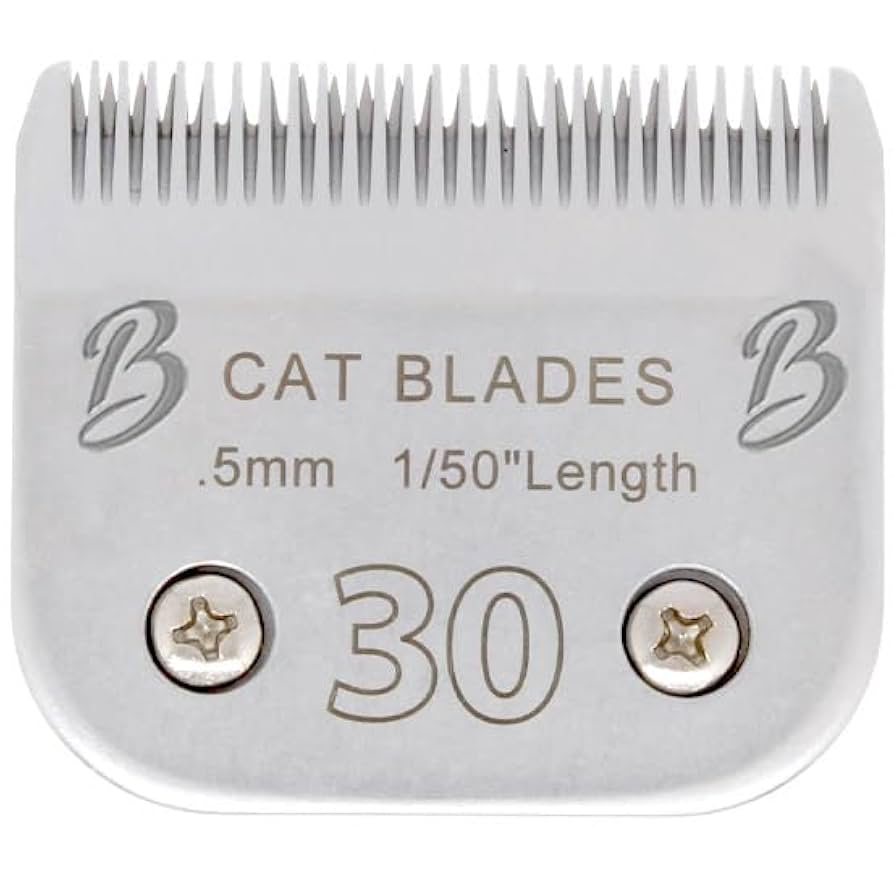
Grooming your cat at home can be a rewarding experience, but choosing the right blade number for the job might leave you confused. You want your furry friend to look neat and feel comfortable, without any nicks or irritation.
So, which blade number is best for grooming a cat? Understanding this simple detail can make a big difference in how smooth and safe the grooming process is—for both you and your pet. Keep reading to discover the perfect blade choice that will make grooming easier and keep your cat happy.
Credit: hillsidewealth.ca
Choosing The Right Blade
Choosing the right blade for grooming your cat can make all the difference in comfort and results. The blade you pick affects how close the cut is, how smooth the grooming session feels for your pet, and how well the blade handles different fur types. Understanding blade numbers and their uses helps you avoid common grooming mishaps and keeps your cat calm and happy.
Blade Numbers And Their Lengths
Blade numbers refer to the length of fur left after trimming. The higher the blade number, the longer the remaining hair.
| Blade Number | Cut Length (inches) | Cut Length (mm) |
|---|---|---|
| 10 | 1/16 | 1.5 |
| 7F | 1/8 | 3.2 |
| 5F | 3/16 | 4.8 |
| 4F | 1/4 | 6.3 |
| 3F | 3/8 | 9.5 |
Knowing these lengths helps you decide whether you want a close shave or a longer, softer finish for your cat’s coat.
Factors Influencing Blade Choice
Think about your cat’s skin sensitivity. A blade that cuts too close might irritate delicate skin. If your cat is new to grooming, a blade with a longer cut length reduces the risk of nicks.
Your grooming experience also matters. Beginner groomers may find wider, less aggressive blades easier to handle. Also, consider how fast your cat’s fur grows. Faster-growing coats might need blades that cut shorter for a cleaner look.
Cat Fur Types And Blade Compatibility
Different fur types respond better to specific blades. Thick, dense fur often requires a blade with a longer cut to avoid pulling or clogging the clipper. Fine or short fur works well with blades that cut closer to the skin.
If your cat has curly or woolly fur, choose a blade designed to glide smoothly without snagging. Your cat’s comfort depends on matching the blade to their unique coat texture.
Have you noticed how certain blades make grooming quicker and less stressful for your cat? Finding the right blade can transform grooming from a chore into a bonding moment.
Credit: www.ebay.ca
Recommended Blade Numbers
Choosing the right blade number is important for safe and effective cat grooming. Different blade sizes cut hair at various lengths. Using the correct blade helps avoid skin irritation or uneven trimming. It also keeps your cat comfortable during grooming.
Popular Blade Sizes For Grooming Cats
Blade numbers indicate the length of hair left after cutting. Lower numbers cut hair shorter, higher numbers leave it longer.
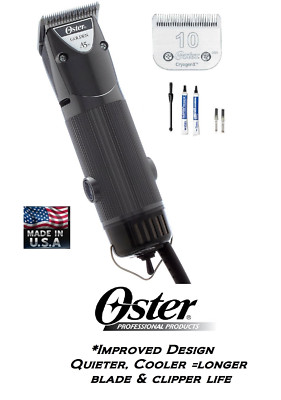
- Blade 10: Leaves hair about 1/16 inch long. Good for very short trims.
- Blade 7F: Cuts hair around 1/8 inch. Popular for general grooming.
- Blade 5F: Leaves hair about 3/16 inch. Works well for thicker fur.
These sizes fit most grooming needs. Choose based on your cat’s fur type and how short you want the coat.
Blade Sizes For Sensitive Areas
Areas like the face, paws, and belly need gentle care. Use higher blade numbers for these spots.
- Blade 15 or 30: Leaves hair very short but safe for delicate skin.
- Blade 40: Cuts hair extremely close. Use with caution on sensitive areas.
Always move slowly and carefully around these parts. Check for any signs of discomfort.
Seasonal Blade Choices
Season affects which blade number works best. Cats shed more in spring and fall.
- Summer: Shorter blades like 10 or 7F help keep cats cool.
- Winter: Longer blades like 5F protect against cold while grooming.
Adjust blade size to suit the season. This keeps your cat comfortable year-round.
Blade Maintenance Tips
Proper blade maintenance keeps your cat’s grooming safe and effective. Well-maintained blades cut smoothly and avoid pulling fur. This section covers key tips to keep blades clean, sharp, and ready for grooming sessions.
Cleaning And Oiling Blades
Clean blades after every grooming session. Remove hair and dirt with a small brush or cloth. Use blade wash or warm soapy water for a deeper clean.
Dry blades completely before oiling. Apply a few drops of clipper oil on the teeth and moving parts. Run the clipper briefly to spread oil evenly. Regular oiling prevents rust and keeps blades moving smoothly.
When To Replace Your Blade
Replace blades if they show signs of damage or dullness. Look for chips, bends, or worn teeth. Blades that tug or pull fur need replacement.
Frequent use wears blades faster. Keep a backup blade ready for long grooming sessions. Using sharp, undamaged blades protects your cat’s skin and fur.
Ensuring Sharpness For Comfort
Sharp blades cut cleanly and reduce discomfort. Dull blades cause pulling and skin irritation. Check blade sharpness regularly by cutting a small fur patch.
Professional sharpening services restore blade edges. Avoid DIY sharpening unless you have experience. Sharp blades make grooming quicker and safer for your cat.
Safety And Comfort During Grooming
Choosing the right blade number keeps your cat safe and comfortable during grooming. A higher blade number trims gently, avoiding cuts and irritation. Soft, careful grooming helps your cat stay calm and relaxed throughout the process.
Ensuring the safety and comfort of your cat during grooming is crucial for a stress-free experience. Choosing the right blade number can make a significant difference in achieving this goal. The correct blade will minimize discomfort and reduce the risk of injury while keeping your feline friend looking sharp and well-groomed.Preparing Your Cat For Clipping
Before you start grooming, make sure your cat is calm and relaxed. A great way to do this is by gently petting your cat in their favorite spot. This not only comforts them but also allows you to check for any knots or tangles that need attention. Introduce the grooming tools slowly. Let your cat sniff the clipper to familiarize them with the scent and sound. This can help reduce anxiety and make the grooming process smoother.Handling Nervous Cats
Cats can sense your emotions, so staying calm is key when dealing with a nervous feline. Speak softly and reassure them with gentle strokes to ease their tension. If your cat is exceptionally anxious, consider using a pheromone spray designed to calm pets. Taking breaks can also be beneficial. If your cat starts showing signs of stress, pause the grooming session and give them time to relax before continuing. Patience is your best ally in these situations.Avoiding Common Grooming Injuries
To prevent injuries, ensure your clippers are sharp and well-maintained. Dull blades can tug at your cat’s fur, causing discomfort and potential skin irritation. Always use blades specifically designed for pets to ensure safety. Be cautious of sensitive areas like the belly and armpits. These spots are more prone to injury, so proceed gently and carefully. Remember, if you’re unsure about grooming a particular area, it might be best to consult a professional groomer.Additional Grooming Tools
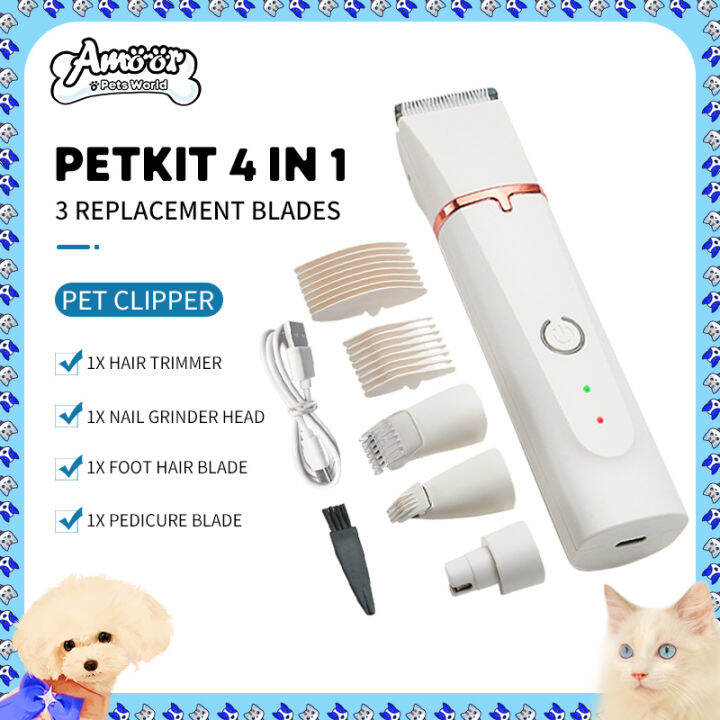
Grooming your cat effectively means more than just picking the right blade number. Additional tools can make the process smoother and more comfortable for both you and your feline friend. Having the right equipment on hand helps you manage different fur types, reduce stress, and achieve a professional finish at home.
Complementary Grooming Equipment
Brushes and combs are essential for detangling and prepping your cat’s fur before clipping. A slicker brush works well to remove loose hair and prevent matting, especially in long-haired cats.
Don’t forget nail clippers to keep your cat’s claws in check. Regular trimming reduces the risk of accidental scratches during grooming sessions.
A grooming table or non-slip mat can also stabilize your cat, making the process safer and less stressful. Have treats nearby to reward your cat and keep them calm.
Using Clippers Vs. Scissors
Clippers speed up grooming and provide an even cut, especially when paired with the right blade number. They’re perfect for trimming thick or matted fur quickly.
Scissors give you more control and precision around sensitive areas like the face, paws, and tail. Use blunt-tipped scissors to avoid accidental cuts.
Think about your cat’s temperament. If they’re nervous or squirmy, clippers might be less stressful since the session is quicker. But if your cat tolerates handling well, scissors can help you shape the fur more delicately.
Choosing The Right Blade Brand
Not all blades are created equal—quality varies widely between brands. Some brands offer sharper, longer-lasting blades that glide through fur without pulling.
Look for brands known for durability and compatibility with your clipper model. This can save you money and frustration in the long run.
Have you noticed your clippers heating up quickly or pulling hair? It might be time to switch blades or try a different brand. Reading reviews and asking fellow cat owners can guide your choice.

Credit: lavalite.org
Frequently Asked Questions
What Blade Number Is Safest For Grooming Cats?
Blade number 10 or 15 is safest for cat grooming. These blades are sharp but gentle enough to avoid skin cuts. They trim fur closely without causing discomfort or injury to the cat. Always ensure blades are clean and well-maintained for safety.
Can I Use Human Hair Clippers On Cats?
Human hair clippers are not recommended for cats. Cat fur is finer and denser than human hair. Using human clippers may pull or irritate the cat’s skin. Specialized pet grooming clippers with appropriate blade numbers work best for safe grooming.
How Often Should I Change The Blade When Grooming Cats?
Change the blade after every grooming session or if it becomes dull. A dull blade can pull fur and hurt the cat. Regular blade changes ensure a smooth, safe grooming experience and maintain the clipper’s efficiency.
Why Choose Blade 10 For Grooming Cats?
Blade 10 offers a close cut without shaving the skin. It suits most cat breeds for general grooming. This blade length balances safety and cleanliness, preventing matting while protecting delicate skin.
Conclusion
Choosing the right blade number keeps your cat safe and comfortable. Short blades help with thick fur and mats. Longer blades work well for sensitive skin and light trimming. Always check your cat’s reaction while grooming. Take time and be gentle to avoid stress.
Proper blade choice makes grooming easier for both you and your cat. Keep your tools clean for the best results. Happy grooming means a happy, healthy cat. Simple steps lead to great care.



Leave a Reply