Have you ever wondered why some cats seem to chat nonstop while others are almost silent? If you love the idea of a feline friend who’s always ready to “talk” with you, you’re in the right place.
Understanding which cat breeds are naturally more vocal can help you find the perfect companion who matches your personality. Keep reading to discover the most talkative cat breeds and why they love to share their thoughts with you. This knowledge might just change the way you see your furry friend’s meows forever.
Vocal Cat Breeds
Some cat breeds are naturally more talkative than others. If you enjoy a chatty feline companion, knowing which breeds tend to vocalize more can help you find the perfect match. These cats use their voices to communicate their needs, express affection, or simply engage with you.
Siamese Cats
Siamese cats are famous for their loud and persistent meows. They often “talk” to their owners, sharing their thoughts with clear and expressive sounds. If you want a cat that will keep you company with lots of conversation, a Siamese might be the one.
Many owners say their Siamese cats seem to hold actual conversations, responding to questions or comments. Have you ever wondered what your cat would say if it could talk back?
Burmese Cats
Burmese cats have a softer voice than Siamese but are still quite vocal. They use a range of sounds, from chirps to gentle meows, to get your attention. Their talkativeness often reflects their affectionate and social nature.
Expect your Burmese cat to greet you with a friendly chat when you come home. Their vocal style often feels like a warm conversation rather than a demand.
Oriental Shorthairs
Oriental Shorthairs share a close bond with Siamese cats and are equally chatty. They have a wide vocal range and can be very expressive. Their voices are often described as loud and persistent, making sure you never miss their presence.
These cats enjoy being part of family discussions and will often vocalize to join in. How do you respond when your cat starts a vocal “conversation” during your quiet time?
Maine Coon Cats
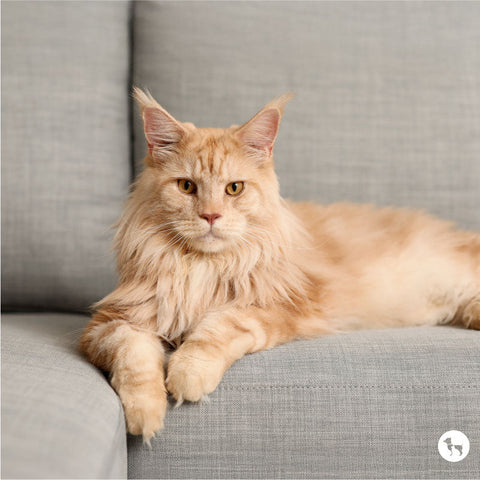
Maine Coons are large cats with surprisingly soft voices. They tend to chirp, trill, and make gentle meows rather than loud yowls. Their vocalizations often sound like a friendly greeting or playful chatter.
Despite their size, they rarely demand attention loudly but communicate in a sweet, subtle way. Have you noticed how a Maine Coon’s voice can brighten a quiet room?
Sphynx Cats
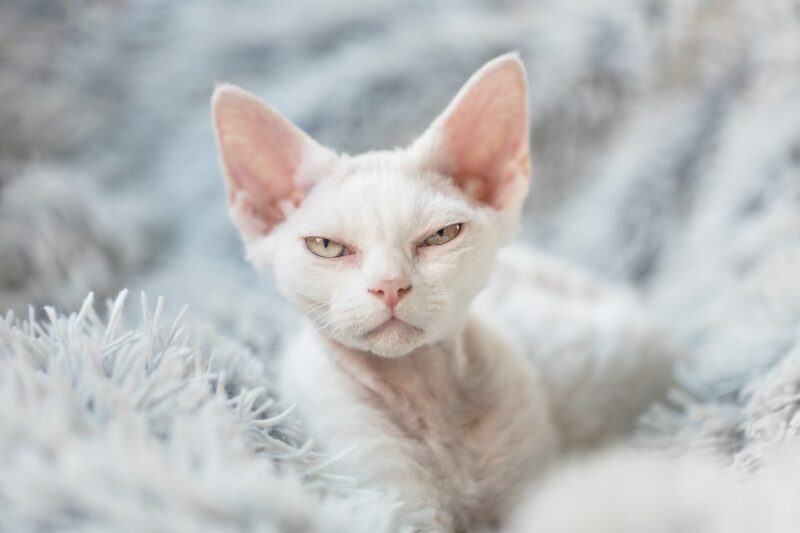
Sphynx cats are known for their outgoing personalities and lively chatter. They often use a variety of sounds to express curiosity or ask for interaction. Their voices can be high-pitched and frequent, making them very noticeable.
Many Sphynx owners enjoy the constant feedback their cats provide. Could a Sphynx’s vocal nature add energy to your home?
Credit: headsupfortails.com
Traits Of Talkative Cats
Talkative cats bring a unique energy to your home. Their vocal nature often feels like a form of conversation rather than just random meows. Understanding what drives this chatter can help you connect better with your feline friend and appreciate their personality more deeply.
Common Vocal Behaviors
Talkative cats use a variety of sounds to communicate. You’ll notice different types of meows, chirps, purrs, and even yowls depending on their mood or needs. Some cats greet you with a soft trill, while others demand attention with persistent meowing.
Have you noticed your cat’s voice changing when they want food versus when they want to play? These vocal cues are their way of expressing specific desires or emotions. Pay close attention to these variations to better understand what your cat is trying to tell you.
Reasons For Cat Vocalization
Cats don’t just meow to be noisy; they have clear reasons behind their talking. They often vocalize to get your attention, express hunger, or signal discomfort. Sometimes, they simply want to interact and share their feelings with you.
Remember the time your cat started meowing loudly near the door? Chances are, they wanted to go outside or were curious about something. Recognizing these reasons can help you respond appropriately and build a stronger bond.
How Breed Influences Talking
Breed plays a big role in how much your cat talks. Some breeds, like Siamese or Oriental Shorthairs, are famous for their constant chatter. Others might be quieter but still have moments of vocal expression.
For example, Siamese cats often carry on conversations with their owners, using a wide range of sounds. If you prefer a more vocal cat, certain breeds might be a better match for your lifestyle. Have you considered how your cat’s breed might shape your daily interactions?
Communicating With Your Cat
Siamese and Burmese cats are known for their talkative nature. These breeds often use meows and sounds to express their feelings clearly. Communicating with them can feel like a lively conversation.
Communicating with Your Cat Cats have a unique way of expressing themselves, and some breeds are particularly chatty. If you’ve ever wondered what your feline friend is trying to tell you, you’re not alone. Understanding your cat’s vocalizations can deepen your bond and help you cater to their needs more effectively.Recognizing Cat Sounds
Cats use a variety of sounds to communicate, each with its own meaning. Common vocalizations include meows, purrs, hisses, and chirps. Siamese cats, for instance, are known for their loud, expressive meows that can sound like they’re holding a conversation with you. Each sound can convey a different emotion or need. A purring cat is usually content, while a hissing one might be scared or annoyed. Paying attention to the context of these sounds can offer clues about what your cat is experiencing.Responding To Vocal Cats
When your cat talks, how you respond can influence their future communication. Engaging with them when they meow can reinforce their behavior, encouraging them to be more vocal. Try mimicking their sounds to see their reaction. My Persian cat loves it when I mimic her soft chirps, often responding with even more enthusiasm. How does your cat respond when you talk back?Encouraging Healthy Communication
It’s important to encourage healthy communication to avoid excessive meowing or other problematic behaviors. If your cat is vocalizing excessively, they might be bored or seeking attention. Provide engaging toys or interactive playtime to meet their needs. Establishing a routine can also help manage vocal behavior. Consistent feeding and play times can reduce anxiety and unnecessary vocalization. Is your cat’s chatter more than just talk, or is it a call for attention? Understanding and addressing their needs can make all the difference.
Credit: www.rd.com
Care Tips For Vocal Breeds
Vocal cat breeds need special care to keep them happy and healthy. Their constant talking is a way to communicate needs and feelings. Understanding how to care for these chatty cats creates a strong bond. Proper care helps balance their vocal nature with a peaceful home.
Meeting Social Needs
Talkative cats crave attention and companionship. They enjoy interactive play and gentle petting. Spend quality time daily to satisfy their social hunger. These cats may feel lonely without enough human contact. Consider having another pet to keep them company. Respond kindly to their meows to build trust.
Managing Noise Levels
Vocal cats can be noisy, which may disturb you. Create quiet spaces where your cat can relax. Use soft toys or blankets to comfort them. Set regular times for play and feeding to reduce random vocalizing. Avoid shouting back, as it may increase noise. Teach gentle commands to calm their loud moments.
Ensuring Mental Stimulation
Smart cats need mental challenges to stay happy. Provide puzzle feeders or treat-dispensing toys. Rotate toys often to keep interest high. Training sessions with simple commands stimulate their mind. Hide small treats around the house for fun hunting games. A busy brain means less constant meowing and more contentment.
Credit: www.catster.com
Frequently Asked Questions
Which Cat Breeds Are Known For Talking A Lot?
Siamese, Oriental Shorthair, and Burmese cats are famous for their vocal nature. These breeds use various sounds to communicate with owners.
Why Do Some Cat Breeds Talk More Than Others?
Certain breeds have genetic traits that make them more vocal. They often seek attention, express emotions, or respond to stimuli vocally.
How Can I Encourage My Cat To Be More Talkative?
Spend quality time, use interactive toys, and respond to your cat’s sounds. Positive reinforcement encourages more vocal communication.
Are Talkative Cats More Affectionate Or Needy?
Usually, talkative cats are more social and affectionate. Their vocal behavior often shows a desire for interaction and bonding.
Conclusion
Cats that talk a lot bring joy and fun to any home. Breeds like Siamese and Bengal love to share their thoughts. Their constant chatter helps you understand their feelings better. Each cat has its unique voice and style. Enjoy the special bond that talking cats create.
Listening closely can reveal their moods and needs. A chatty cat can brighten quiet days. Choose a talkative breed if you want a lively companion. Their words, simple or long, add warmth to life.



Leave a Reply