Have you ever looked at a cat and wondered, “What breed is that?” Knowing your cat’s breed can help you understand its personality, health needs, and behavior better. But with so many breeds out there, it can feel confusing to tell them apart.
Don’t worry—you’re about to learn simple, clear ways to recognize different cat breeds. By the end of this article, you’ll feel confident identifying your furry friend’s breed and impressing others with your cat knowledge. Ready to discover the secrets behind your cat’s unique look?
Let’s dive in!
Common Cat Breed Traits
Understanding the common traits of cat breeds helps you identify them more easily. Each breed has unique features that set it apart from others. Recognizing these traits sharpens your ability to spot differences and appreciate the diversity among cats.
Coat Patterns And Colors
Coat patterns are one of the easiest ways to distinguish cat breeds. Some cats have solid colors, while others display stripes, spots, or patches. For example, the Bengal is known for its striking spotted or rosette pattern, which looks like a miniature leopard.
Colors can range widely—from pure white to deep black, and even unusual shades like chocolate or lilac. The Siamese breed often shows a color-point pattern, where the face, ears, paws, and tail are darker than the body. Have you noticed how certain patterns seem to suit specific personalities?
Body Shapes And Sizes
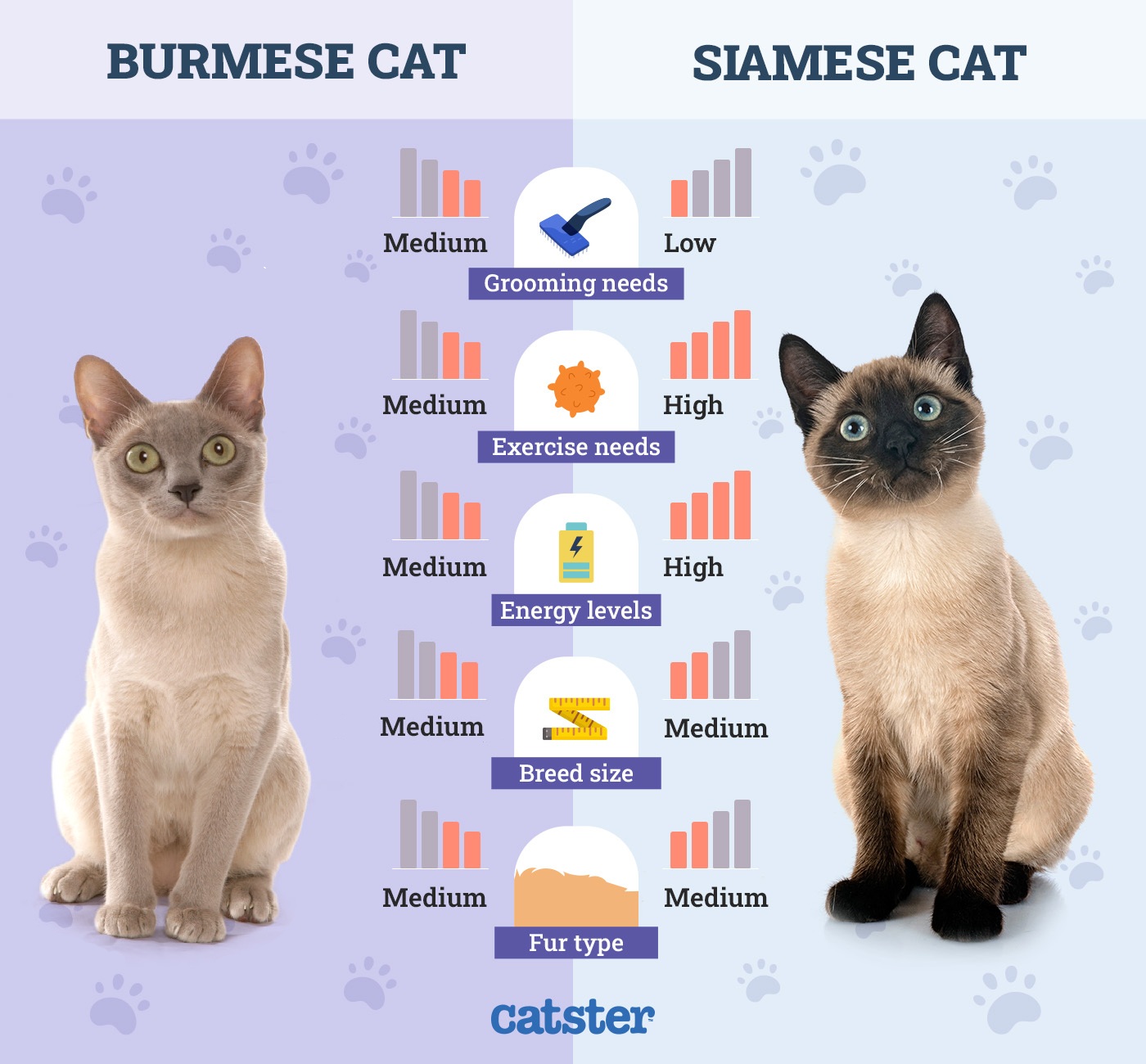
Body shape is a key trait that varies by breed. Some cats, like the Maine Coon, are large and muscular with broad chests. Others, such as the Siamese, are slender and long-legged.
Size can give you a quick clue too. Small breeds like the Singapura are compact and lightweight, while breeds like the Norwegian Forest cat carry a more robust frame. Think about how these shapes might influence your cat’s behavior and activity level.
Eye Shapes And Colors
Eye shape and color often stand out when you meet a cat. Round eyes can make a cat look curious or surprised, common in breeds like the British Shorthair. Almond-shaped eyes, seen in the Siamese, add a sleek, elegant look.
Eye colors can range from blue, green, and gold to copper or even odd-eyed, where each eye is a different color. This trait is quite common in the Turkish Van breed. Do you find that eye color affects how you connect with a cat?
Ear Types And Positions
Ear shape and placement vary widely among breeds and can be very distinctive. Scottish Folds have ears that fold forward, giving them a unique appearance. In contrast, the ears of an Abyssinian are large and pointed, standing upright.
Some breeds have ears set wide apart, while others have them closer together and tilted forward. These differences affect not only appearance but also hearing abilities. Next time you see a cat, notice how its ears move and what that might tell you about its breed.
Credit: kristybertenshaw.medium.com
Popular Cat Breeds To Recognize
Recognizing popular cat breeds helps you understand their looks and behavior. Each breed has unique traits that make it special. Knowing these traits makes it easier to identify cats in photos or real life.
Below are some well-known cat breeds. Their features stand out and are easy to spot.
Siamese Characteristics
- Slender body with long legs
- Large ears and almond-shaped blue eyes
- Short coat with color points on ears, face, paws, and tail
- Vocal and social personality
Maine Coon Features
- Large size with a muscular build
- Long, thick fur with a bushy tail
- Tufted ears and expressive eyes
- Friendly and gentle nature
Persian Traits
- Round face with a flat nose
- Long, soft, and flowing coat
- Large, round eyes with a calm expression
- Quiet and sweet temperament
Bengal Markings
- Distinctive spotted or marbled coat
- Short, sleek fur with a glittery sheen
- Muscular and athletic body
- Active and playful personality
Tools For Identifying Cat Breeds
Cat breed identification tools help recognize different breeds by analyzing features like fur color and shape. Apps and websites can quickly compare your cat’s photo to known breeds for easy identification. These tools make learning about cat breeds simple and fun.
Identifying cat breeds can feel like solving a delightful puzzle. Whether you’re a new cat owner curious about your pet’s lineage or simply a feline enthusiast, knowing the breed can enrich your understanding of their behavior, needs, and quirks. Fortunately, there are several tools and resources available to help you pinpoint exactly which breed your furry friend belongs to.Using Cat Breed Guides
Cat breed guides are a treasure trove of information. These guides often include detailed descriptions, vivid images, and unique characteristics of each breed. They can help you differentiate between a Maine Coon and a Norwegian Forest Cat just by looking at ear tufts or tail length. Having a guide on your bookshelf or bookmarked in your browser makes it easy to cross-reference when you spot a new trait in your cat. Some guides even offer historical context, adding depth to your understanding. Do you have a guide at home, or is there one you frequently turn to online?Mobile Apps For Identification
In today’s digital age, there’s an app for everything, and identifying cat breeds is no exception. Mobile apps provide a convenient and interactive way to learn about different breeds. Many apps allow you to upload a photo of your cat and use AI technology to suggest possible breeds. Apps can be especially useful for those on the go, offering breed information at your fingertips. They often update with new features and breed data, keeping your knowledge current. Have you tried using any apps to identify your cat’s breed?Consulting Veterinarians And Experts
Sometimes, nothing beats the expert eye of a veterinarian or a cat breeder. These professionals have years of experience and can often identify breeds with just a glance. If you’re unsure about your cat’s breed, a trip to the vet could provide clarity. Veterinarians can also offer insights into breed-specific health issues, helping you care for your cat better. Engaging with experts in person or online through forums can also lead to community discussions and shared experiences. What has been your experience with consulting experts about your cat’s breed?
Credit: www.youtube.com
Behavior Clues For Breed Identification
Understanding a cat’s behavior can offer surprising clues about its breed. Each breed carries unique personality traits that show up in how they move, interact, and communicate. Observing these behaviors closely can help you identify your feline friend’s breed more accurately.
Activity Levels And Playfulness
Some cat breeds are known for their high energy and love of play. For instance, Bengals are usually very active and enjoy climbing and exploring, while Ragdolls tend to be more laid-back and calm. Pay attention to how your cat spends its day—are they constantly chasing toys or prefer lounging quietly? This can narrow down the breed possibilities.
Vocalization Patterns
Does your cat talk a lot or stay mostly silent? Siamese cats are famous for their loud, chatty nature, often demanding attention with distinctive meows. On the other hand, Scottish Folds are usually quieter and more reserved. Noticing how vocal your cat is can help you understand its breed’s communication style.
Social And Affectionate Traits
Some breeds are naturally more social and love being around people, while others prefer solitude. For example, Maine Coons are often very affectionate and enjoy being part of the family action. Conversely, Russian Blues might be more independent and shy with strangers. Think about how your cat behaves with guests and family members—this social pattern reveals a lot about its breed identity.
Dna Testing For Precise Breed Info
DNA testing offers a clear path to identify your cat’s breed with accuracy. It uses your cat’s genetic material to provide detailed breed information. This method goes beyond looks and tells the true story of your feline’s ancestry.
How Dna Tests Work
DNA tests analyze a small sample, usually from a cheek swab. The sample contains genetic markers unique to different cat breeds. Labs compare these markers to a large database of known breeds. The result shows the breed mix and sometimes health traits. This scientific approach gives precise breed identification.
Choosing The Right Test
Select a test that covers many cat breeds. Look for tests with a strong breed database and clear reports. Some kits also check for health conditions and traits. Consider how easy the test is to use at home. Choose a reliable company with good customer feedback. This ensures you get accurate and useful results.
Interpreting Dna Results
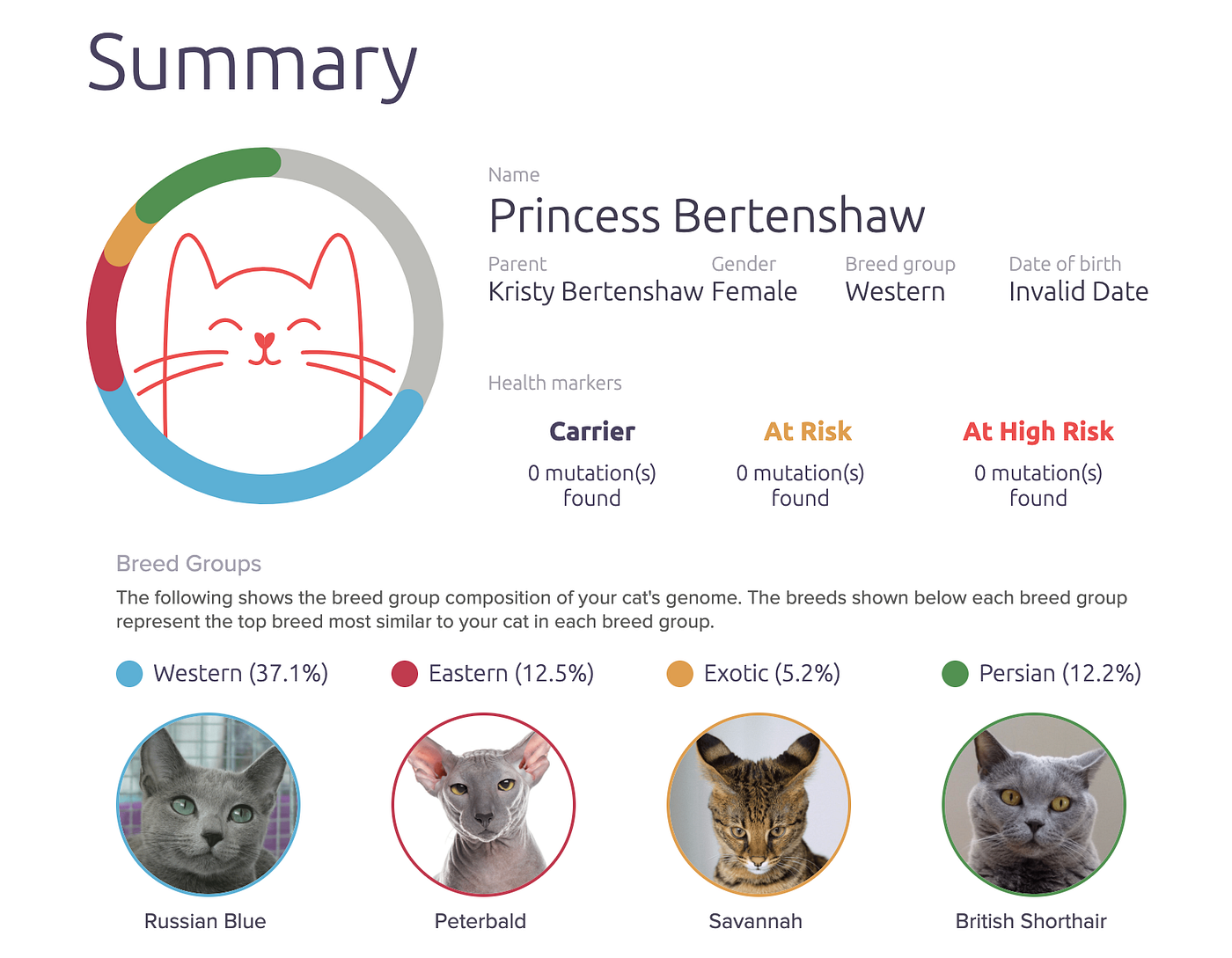
Results usually list the percentage of each breed in your cat. You might see primary and secondary breeds. Some reports include breed history and traits. Use this info to understand your cat’s behavior and needs. Remember, mixed breeds are common and normal. DNA results help you appreciate your cat’s unique background.
Credit: www.catster.com
Frequently Asked Questions
What Are The Easiest Ways To Identify Cat Breeds?
Look at fur patterns, size, ear shape, and eye color. Research breed traits online or use cat breed identification apps for quick help.
Can Physical Traits Alone Determine A Cat’s Breed?
Physical traits give clues but aren’t always definitive. Genetic testing offers the most accurate breed identification beyond appearance.
How To Tell If A Cat Is Purebred Or Mixed?
Purebreds have consistent traits matching breed standards. Mixed cats show diverse features. Consult a vet or breeder for confirmation.
Which Cat Breeds Are Most Common Worldwide?
Common breeds include Persian, Siamese, Maine Coon, and Ragdoll. These breeds have distinct traits that make identification easier.
Conclusion
Knowing cat breeds helps you understand their traits and needs. Each breed has its own look and personality. Watching their behavior gives clues about their breed. Learning about breeds makes caring for cats easier and more fun. Take time to observe and enjoy your cat’s unique qualities.
This knowledge builds a stronger bond between you and your pet. Keep exploring different breeds to find the perfect match. Caring for cats becomes rewarding when you know what they need.



Leave a Reply