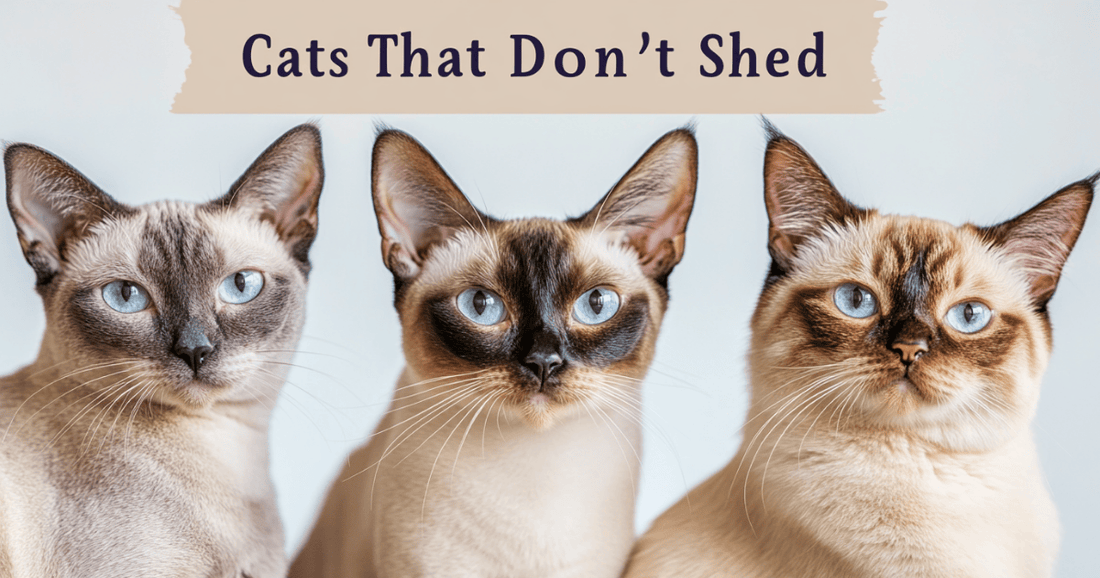
Are you tired of finding cat hair on your clothes, furniture, and everywhere else? You’re not alone.
Many cat lovers want a furry friend without the constant shedding mess. But is it possible to have a cat that doesn’t shed? The answer might surprise you. You’ll discover which cat breeds shed little to no hair at all.
Knowing this can save you time cleaning and help you enjoy your pet even more. Keep reading to find the perfect low-shedding cat breed for your home.
Why Shedding Varies Among Cats
Cats shed fur naturally to keep their coats healthy. The amount of shedding varies widely among different breeds. Several factors influence why some cats shed more than others. Understanding these reasons helps in choosing a cat breed that suits your home and lifestyle.
Fur Types And Shedding
Cat fur comes in various types, affecting shedding levels. Short-haired cats usually shed less noticeable fur. Long-haired cats shed more, often leaving fur around the house. Some cats have fine, soft fur that sheds lightly. Others have dense, thick coats that require more shedding to stay healthy.
Genetics And Shedding Patterns
Genetics play a big role in shedding habits. Some breeds are naturally low shedders. For example, breeds like the Sphynx have very little fur to shed. Genes control the growth cycle of fur, affecting how often old hair falls out. Breeds with slow fur growth shed less frequently.
Environmental Influences
Environment impacts how much a cat sheds. Cats living indoors shed differently than outdoor cats. Temperature changes, humidity, and light exposure affect fur growth cycles. In warmer months, cats tend to shed more to keep cool. Stress and diet also influence shedding levels.
Credit: lacvets.com
Traits Of Low-shedding Cats
Low-shedding cats have unique traits that make them appealing to many cat lovers. These cats lose less hair than typical breeds. Their fur and skin types help reduce shedding. They also need special care routines. People with allergies often prefer these cats. Understanding their traits helps choose the right pet.
Coat Characteristics
Low-shedding cats usually have short or tightly curled fur. Their hair grows in layers that hold loose strands. Some breeds have hair that grows continuously, so it falls out less. The texture can be soft or dense but rarely fluffy. Their coats often trap loose hairs, preventing them from spreading.
Grooming Needs
These cats need regular grooming to keep their coats healthy. Brushing removes dead hair before it falls off. Baths can help reduce dander and loose fur. Grooming also stimulates skin oils, which protect the coat. Even low-shedding cats benefit from a gentle, routine grooming schedule.
Allergy Considerations
Low-shedding cats produce fewer allergens in the environment. They shed less hair and dander, which cause allergic reactions. Allergens come from saliva and skin flakes, not just hair. Choosing these cats may reduce allergy symptoms. Still, allergy sufferers should spend time with the cat first.
Popular Low-shedding Breeds
If shedding is a concern for your home or allergies, some cat breeds offer a refreshing solution with their low-shedding coats. These breeds still bring plenty of personality and charm without leaving fur on every surface. Knowing which breeds shed less can help you choose a feline companion that fits your lifestyle and keeps your space cleaner.
Sphynx
The Sphynx stands out because it has almost no fur at all. This breed’s skin feels warm and soft, which surprises many first-time owners. Since there’s no fur to shed, you won’t find hairballs or fur on your clothes, but regular skin care is essential to keep it healthy.
Russian Blue
Russian Blues have a short, dense coat that sheds very little compared to other cats. Their fur feels plush and requires minimal brushing. If you want a sleek, elegant cat without dealing with a lot of fur around your home, this breed could be a great match.
Bengal
Bengals boast a beautiful, leopard-like spotted coat that is surprisingly low on shedding. Their short hair stays smooth and doesn’t easily come loose. Bengals are active and playful, so their low shedding is a bonus for owners who want a lively pet without the mess.
Balinese
Despite their longer fur, Balinese cats shed less than other long-haired breeds. Their silky coats are fine and don’t tangle easily, making maintenance simpler. If you love the look of a fluffy cat but dislike constant fur cleanup, the Balinese may suit you well.
Siberian
Siberians have a thick triple coat designed for cold climates, yet they shed significantly less than many expect. Regular brushing helps manage shedding during seasonal changes. Their hypoallergenic qualities make them a popular choice for people sensitive to cat dander.
Care Tips For Low-shedding Cats
Low-shedding cats require special care to keep their coats healthy and clean. Even though they shed less, regular attention helps prevent mats and keeps skin healthy. Proper care reduces allergens and keeps your home cleaner. Here are key tips to maintain your low-shedding cat’s wellbeing.
Regular Grooming Practices
Brush your cat’s coat gently two to three times a week. Use a soft-bristle brush or grooming glove. This removes loose hairs and stimulates skin oils. Check for dirt, mats, or skin issues during grooming. Bathing is rarely needed but can be done with mild cat shampoo. Trim nails regularly to avoid scratches and damage.
Diet And Skin Health
Feed high-quality food rich in omega-3 and omega-6 fatty acids. These nutrients improve skin moisture and fur shine. Provide fresh water daily to keep skin hydrated. Avoid sudden changes in diet to prevent skin problems. Supplements may help but consult a vet first. Healthy skin means less shedding and fewer flakes.
Managing Allergies
Low-shedding cats produce fewer allergens but still need care. Clean your cat’s bedding weekly to reduce dust and dander. Vacuum your home often, focusing on areas your cat uses. Use air purifiers to remove airborne allergens. Wash your hands after petting to avoid allergy reactions. Regular vet visits can help monitor skin health and allergies.
Choosing The Right Cat For You
Choosing a cat breed that sheds less helps keep your home cleaner and allergy-free. Breeds like the Sphynx, Russian Blue, and Cornish Rex shed very little. These cats offer companionship without constant fur on clothes or furniture.
Choosing the right cat breed means considering your lifestyle and needs. Some people prefer cats that don’t shed. These cats can be easier to maintain and often suit specific health needs.Lifestyle Compatibility
Your lifestyle affects your choice in a cat. Busy people might need a low-maintenance cat. Some breeds require less grooming. Think about how much time you have for pet care.Allergy-friendly Options
Some cat breeds are better for allergy sufferers. Look for hypoallergenic breeds. These cats produce fewer allergens. Cats like the Russian Blue and Bengal have less dander.Adoption And Breeder Tips
Adoption is a great choice. Many cats need homes. Visit shelters for non-shedding cats. If choosing a breeder, research carefully. Ensure they are reputable and ethical. Ask about the cat’s health history. Always visit the breeder’s facility.
Credit: www.thepioneerwoman.com

Credit: www.thepioneerwoman.com
Frequently Asked Questions
Which Cat Breeds Shed The Least?
Breeds like the Sphynx, Devon Rex, and Cornish Rex shed very little. They have unique coats that reduce shedding significantly. These breeds are ideal for allergy sufferers or those wanting less pet hair around the home.
Are Hairless Cats Truly Non-shedding?
Hairless cats, such as the Sphynx, do not shed fur. However, they still produce skin oils and require regular baths. They are often considered hypoallergenic due to minimal dander and no fur shedding.
How To Manage Shedding In Low-shed Cats?
Regular grooming with a soft brush helps remove loose hairs and skin flakes. Bathing occasionally reduces oils and dander. A healthy diet also supports skin and coat health, minimizing shedding issues in low-shed breeds.
Can Hypoallergenic Cats Reduce Allergic Reactions?
Hypoallergenic cat breeds produce fewer allergens but do not eliminate them entirely. Breeds like the Siberian and Balinese are known for lower allergen levels. They can be better suited for people with mild cat allergies.
Conclusion
Choosing a cat breed that sheds less can make pet care easier. Some breeds have hair that falls less often, helping keep your home cleaner. These cats still need love, play, and attention like any other pet. Think about your lifestyle and allergies before picking a cat.
A low-shedding cat can be a great companion for many families. Enjoy the company without worrying much about fur everywhere.




Leave a Reply