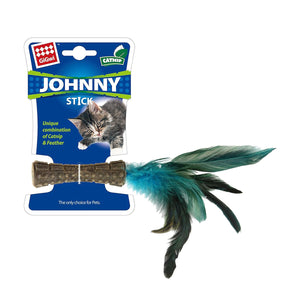
If you’re a cat owner, you’ve probably seen your furry friend go wild over feathers. They chase, pounce, and bat at them like there’s no tomorrow.
But have you ever stopped to wonder—is it really safe to give your cat feathers as toys? You want your kitty to have fun, but their safety is even more important. Keep reading, because what you don’t know about feathers could put your cat at risk.
Let’s dive into the facts and help you make the best choice for your beloved pet.
Risks Of Feathers As Toys
Feathers can seem like fun toys for cats. They flutter and mimic prey, which excites cats. Still, feathers carry risks that pet owners should know. Understanding these risks helps keep cats safe and healthy.
Choking Hazards
Feathers can break into small pieces easily. Cats might swallow these pieces by accident. Small feather parts can block airways or cause choking. Always watch your cat during play to avoid accidents.
Bacterial Contamination
Feathers can carry bacteria from birds or the environment. These germs may cause infections in cats. Dirty or untreated feathers are especially risky. Cleaning or avoiding natural feathers reduces infection chances.
Allergic Reactions
Some cats can be allergic to feathers. Allergies cause itching, redness, or sneezing. Allergic cats might avoid feather toys or show discomfort. Observing your cat’s reaction helps spot allergies early.
Benefits Of Feather Toys
Feather toys offer more than just simple amusement for your cat. They tap into natural behaviors that keep your feline friend active and alert. Understanding these benefits can help you choose the best toys that support your cat’s overall well-being.
Stimulating Hunting Instincts
Feathers mimic the movement and texture of birds, which naturally excites your cat’s hunting instincts. When your cat chases or bats at feather toys, it feels like a mini hunt. This interaction satisfies their need to stalk and pounce, which is essential for mental and emotional health.
Have you noticed how your cat’s eyes focus intensely when a feather toy moves? This shows how deeply their predatory instincts are engaged, making playtime much more meaningful than just fun.
Encouraging Exercise
Feather toys encourage your cat to move around, jump, and chase. This physical activity helps maintain a healthy weight and supports muscle tone. Regular play with feather toys reduces the risk of obesity and related health problems.
If your cat tends to be lazy, introducing feather toys can spark interest and motivate more movement. You’ll see how even a short play session can tire them out and reduce destructive behaviors caused by boredom.
Enhancing Mental Engagement
Playing with feather toys challenges your cat’s mind. They must focus, plan their moves, and react quickly. This mental workout keeps your cat sharp and reduces stress.
Try rotating different feather toys to keep your cat curious. You might be surprised how quickly they learn new ways to play, showing their intelligence and adaptability.
Types Of Safe Feather Toys
Feather toys can excite cats and satisfy their natural hunting instincts. Not all feather toys are safe, so choosing the right type is important. Safe feather toys come in different forms, designed to keep cats entertained without harm. Understanding these options helps pet owners select or create toys wisely.
Commercially Made Feather Toys
Commercial feather toys are crafted with safety standards in mind. Manufacturers use non-toxic materials and secure feathers firmly to prevent swallowing hazards. These toys often include:
- Feather wands with sturdy handles
- Feather balls wrapped in soft fabric
- Interactive feather teaser toys with durable strings
Look for toys labeled as safe for cats. Avoid those with loose parts or sharp edges. Regular checks for wear and tear keep your cat safe during play.
Diy Feather Toys With Safety Tips
Making feather toys at home can be fun and budget-friendly. Use clean, natural feathers and attach them securely. Follow these tips:
- Use non-toxic glue or sew feathers onto fabric
- Avoid small parts that cats can swallow
- Supervise playtime to prevent accidents
- Discard toys once feathers start to come loose
Simple DIY toys include feather balls or feather wand attachments. Safety is key to keep your cat happy and healthy.

Credit: www.amazon.com
Alternatives To Feather Toys
If you’re worried about the safety of giving your cat feather toys, you’re not alone. Feathers can sometimes cause choking or carry parasites, so it’s smart to look for safer options. Luckily, there are plenty of alternatives that keep your cat entertained without the risks.
Synthetic Feather Toys
Synthetic feather toys look and feel like real feathers but are made from safe, non-toxic materials. These toys mimic the fluttering motion of feathers to catch your cat’s attention. I once switched to synthetic feathers with my cat, and he didn’t miss the real ones at all—he played just as enthusiastically.
They’re easier to clean and don’t shed tiny bits that your cat might swallow. Plus, synthetic feathers avoid the health risks that natural feathers sometimes bring. You can find these toys in most pet stores or online, often combined with other textures like soft fabric or rubber for extra fun.
Other Interactive Cat Toys
Beyond feather-like toys, there are many interactive options that stimulate your cat’s mind and body. Laser pointers, wand toys with bells, and treat-dispensing puzzles are great choices. Have you noticed how much cats love chasing a laser dot? It’s a safe and engaging way to keep them active.
Catnip-filled toys and small balls also work well to engage your cat’s hunting instincts. Toys with varied textures—like crinkly fabric or soft rubber—can provide new sensory experiences. Offering a mix of these toys can keep your cat curious and prevent boredom without the risks associated with feathers.
Veterinarian Recommendations
Cats are naturally playful creatures, and toys are essential for their mental and physical stimulation. However, not all toys are created equal, and some might pose risks to your feline friend. Veterinarians have specific insights on the safety of using feather toys for cats, which can help you make informed decisions.
When To Avoid Feather Toys
Feather toys can be enticing, but they might not be suitable for every cat. If your cat tends to chew and swallow non-food items, feather toys could be a choking hazard. Cats with a history of gastrointestinal issues should also steer clear of these toys.
Additionally, some feather toys are made with materials treated with chemicals or dyes that might not be safe if ingested. It’s crucial to check the label for any potential harmful substances. If you’re unsure, consult your veterinarian for advice tailored to your cat’s health needs.
Signs Of Toy-related Issues
Observing your cat during playtime can help you catch any toy-related problems early. If your cat starts coughing, gagging, or showing signs of distress after playing with a feather toy, it might have swallowed part of it. Sudden changes in appetite or litter box habits could also indicate a problem.
Inspect your cat’s toys regularly for signs of wear and tear. Loose feathers or broken parts can become dangerous if ingested. Ensuring toys are intact can prevent unexpected vet visits and keep your cat safe.
Have you ever noticed your cat behaving strangely after playtime? It might be worth considering whether the toys they’re using are the best choice. Your vigilance can make all the difference in keeping your furry friend safe and happy.

Credit: www.amazon.com
Safe Play Practices
Safe play practices help protect cats and keep toys in good condition. Feathers can be fun, but safety matters most. Cats may swallow loose feathers or get hurt by sharp edges. Careful handling and attention make playtime enjoyable and risk-free.
Supervised Play
Always watch your cat during play with feather toys. Supervision stops chewing or swallowing feathers. It also helps notice any signs of choking or discomfort. Stay close, so you can quickly remove the toy if needed. Supervised play keeps cats safe and happy.
Regular Inspection Of Toys
Check feather toys often for wear and tear. Broken feathers or loose parts can cause harm. Toss out toys with sharp edges or missing feathers. Replace damaged toys to prevent accidents. Regular inspection keeps toys safe and fun.
Cleaning And Maintenance
Clean feather toys regularly to remove dirt and bacteria. Use mild soap and warm water. Rinse well and let dry completely before giving to your cat. Clean toys reduce the risk of infections. Proper maintenance extends toy life and keeps cats healthy.

Credit: www.amazon.com
Frequently Asked Questions
Are Feathers Safe For Cats To Play With?
Feathers can be safe if they are clean and intact. Avoid small or broken feathers, which may cause choking or ingestion hazards. Always supervise your cat while playing with feather toys to ensure safety.
Can Feathers Cause Allergies In Cats?
Yes, some cats may be allergic to feathers. Watch for symptoms like itching, sneezing, or coughing. If allergies appear, discontinue feather toys and consult your vet for alternatives.
How To Choose Safe Feather Toys For Cats?
Select feather toys made from non-toxic materials. Ensure feathers are securely attached to prevent swallowing. Opt for reputable brands with pet-safe certifications for added safety.
What Are The Risks Of Natural Feathers For Cats?
Natural feathers may carry bacteria or parasites. They can also break easily, posing choking hazards. Regularly inspect feather toys and replace them if damaged to keep your cat safe.
Conclusion
Cats enjoy playing with feathers, but safety matters most. Real feathers can cause choking or infections. Choose feathers made for pets or supervised play. Watch your cat closely during playtime to avoid risks. Safe toys keep your cat happy and healthy.
Always pick toys that match your cat’s size and behavior. Play should be fun, not dangerous. Keep your cat’s safety as the top priority.




Leave a Reply